1900s (20th Century) Maps of Potato Patch, Arizona
Explore 12 historic maps of Potato Patch from the 1900s (20th Century). These maps offer a rare glimpse into what life looked like during the 1900s — showing old roads, neighborhoods, homes, and landmarks that have changed or disappeared over time.
Whether you're researching your family's past, planning a metal detecting trip, or studying how Potato Patch's landscape evolved across the 1900s, these high-resolution maps are a powerful tool for exploring the history of this region.
- Focus on a specific era: All maps on this page are from the 1900s, giving you a focused view of this time period.
- See what’s changed: Compare century-old streets, trails, and buildings to today's modern landscape using overlays and satellite layers.
- Research with precision: Use these maps for genealogy, historical research, land use analysis, or educational projects.
- View, download, or print: Maps are fully viewable online in high resolution, and can be downloaded or printed for your own records.
Start exploring Potato Patch's history through authentic maps from the 1900s. This is your window into the past.
Potato Patch, AZ maps
(12)- 1903 Map of Bradshaw Mountains
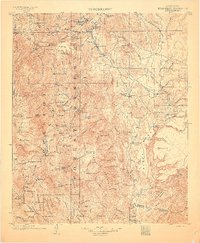 1903 Bradshaw Mountains1903 Print · USGSArizona's mining heartland comes into focus during the territorial era as high-altitude camps and smelters reached their peak. Trace the early footprints of Crown King, Walker, and Tiptop alongside the winding route of the Prescott and Eastern R.R.4 unique versions available
 - 1947 Map of Mt. Union, 1958 Print
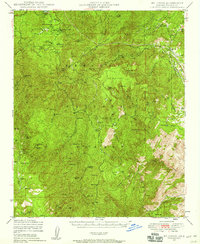 1947 Mt. Union1958 Print · USGSYavapai County's high country is captured here in the late 1940s, showing a landscape of mining camps and early summer retreats. Researchers can trace family homesteads at the McNary Place or locate remote outposts like Goodwin PO and the Butternut Mine.3 unique versions available
 - 1948 Map of Mt. Union
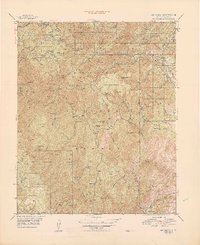 1948 Mt. Union1948 Print · USGSThe Bradshaw Mountains in the late 1940s reveal a landscape of deep-set mining claims and early forest service outposts. Genealogists and historians can locate family sites and remote landmarks like Palace Station, the Jersey Lily Mine, and the Goodwin PO.
 - 1949 Map of Mt. Union
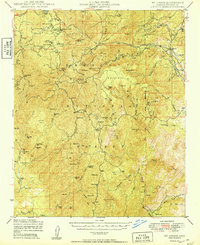 1949 Mt. Union1949 Print · USGSThe Bradshaw Mountains in the late 1940s reveal a landscape of deep-seated mining operations and high-country forest outposts. Genealogists and historians can trace family-named sites like the Dandrea Ranch and McNary Place, or locate the Cem near Palace Station.2 unique versions available
 - 1950 Map of Prescott, 1951 Print
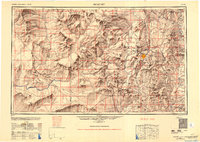 1950 Prescott1951 Print · USGSArizona's mining and ranching frontiers were in full operation during the early fifties, from the vertical streets of Jerome to the remote western desert. Genealogists and researchers can trace rural life via the Bland School, the United Verde Mine, and stops along the Atchison Topeka and Santa Fe Railway.
 - 1954 Map of Prescott, 1963 Print
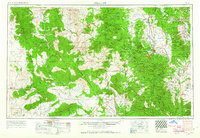 1954 Prescott1963 Print · USGSYavapai County mining and ranching districts are shown in high detail during the mid-twentieth century. Researchers can trace the legacy of remote camps and transport hubs like Swansea, Octave, and the Bagdad Mine along the desert rail lines.4 unique versions available
 - 1958 Map of Prescott
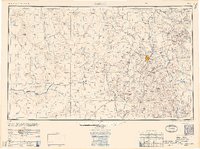 1958 Prescott1958 Print · USGSCentral Arizona's rugged mining and ranching corridors come alive in the late fifties. Genealogists and historians can trace the remote Trout Creek School, the mining operations at Jerome, and the rail stops at Skull Valley and Kirkland.
 - 1959 Map of Prescott
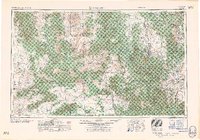 1959 Prescott1959 Print · USGSYavapai County and the central Arizona highlands come alive in the late fifties, showcasing a landscape of mountain mining towns and forest outposts. Researchers can trace the industrial footprints of the United Verde Mine, follow the Atchison Topeka and Santa Fe rails, and locate remote settlements like Swansea or Skull Valley.2 unique versions available
 - 1960 Map of Prescott
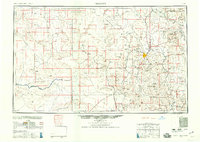 1960 Prescott1960 Print · USGSYavapai County and the surrounding high-desert mining districts are captured here during a period of steady industrial and rail activity. Researchers can trace the routes of the Atchison Topeka and Santa Fe Railway and locate historic sites like the United Verde Mine and Bland School.2 unique versions available
 - 1965 Map of Prescott
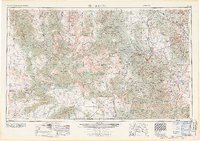 1965 Prescott1965 Print · USGSArizona's mining heartland is captured during the mid-sixties, from the copper mines of Jerome to the cattle country of Williamson Valley Wash. Genealogists and historians can trace old mining camps at Octave and Stanton or the historic Whipple Military Reservation.
 - 1974 Map of Groom Creek, 1977 Print
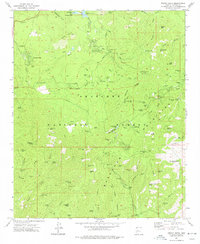 1974 Groom Creek1977 Print · USGSThe Bradshaw Mountains in the mid-1970s reveal a landscape defined by deep mining history and high-country forest retreats. Genealogists and historians can trace defunct operations at Venezia and dozens of claims like the Sheldon Mine and Jersey Lily Mine.2 unique versions available
 - 1981 Map of Bradshaw Mts, 1996 Print
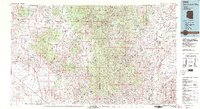 1981 Bradshaw Mts1996 Print · USGSYavapai County during the early 1980s reveals a high-desert landscape shaped by mining camps and the winding Atchison Topeka and Santa Fe railroad. Researchers can trace historic industrial sites like the Crown King Mine and remote settlements such as Bumble Bee and Cleator.2 unique versions available
End of results
Showing maps 1-12 of 12
Top cities near Potato Patch
- Prescott historical maps
- Prescott Valley historical maps
- Dewey-Humboldt historical maps
- Wilhoit historical maps
Frequently asked questions
- What are the different types of historical maps available for Potato Patch?
- What is the oldest map of Potato Patch?
- Where can I purchase historical maps of Potato Patch for my home or office?
- Where can I download high-res historical maps of Potato Patch?
- Are there historical topographic maps available for Potato Patch?
- Is there historical aerial imagery available for Potato Patch?
- Where are historical maps of Potato Patch sourced from?