Old Maps of Clay County, Arkansas for Hiking & Exploration
Hike through history with 117 historic maps of Clay County. Explore old trails, ghost towns, and forgotten backroads — perfect for outdoor adventurers and local explorers.
- Rediscover forgotten places: Map out old mining camps, roads, and footpaths that no longer exist on modern maps.
- Layer with modern tools: Combine with LiDAR or satellite views to plan hikes through historical terrain.
- Made for exploration: Popular among hikers, overlanders, and local history lovers.
Use these maps to find adventure and explore the hidden past of Clay County.
Clay County, AR maps
(117)- 1934 Map of Kennett
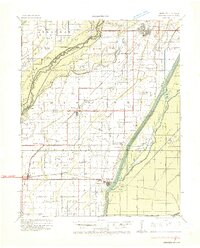 1934 Kennett1934 Print · USGSDunklin County and the Arkansas borderlands are captured here during a period of intensive drainage and reclamation. Researchers can trace early infrastructure and family landmarks like Johnson Mill, American Legion Airport, and Bark Camp Sch.
 - 1935 Map of Rector, 1936 Print
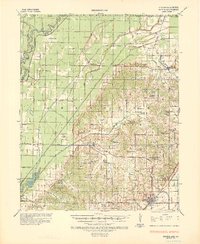 1935 Rector1936 Print · USGSClay County at the height of the 1930s drainage era shows a landscape being reshaped by massive flood control projects and rail expansion. Genealogists can locate family landmarks like Boydsville, the Trovillon Cem, and rural schoolhouses such as Turtle Knob Sch.3 unique versions available
 - 1935 Map of Knobel, 1938 Print
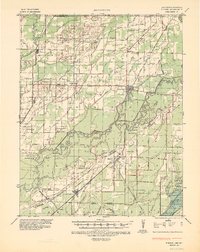 1935 Knobel1938 Print · USGSDuring the mid-1930s, the Arkansas-Missouri borderlands were defined by the rail lines and river bends of the Black River valley. Researchers can trace family roots through Peach Orchard, Hopewell Ch, and cemeteries like Al McNaner Cem.
 - 1935 Map of Reyno, 1938 Print
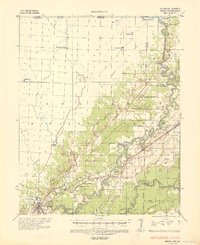 1935 Reyno1938 Print · USGSRandolph and Clay counties are shown in the mid-1930s, documenting a river-dependent economy as the Ozarks meet the alluvial valley. Researchers can trace historic river crossings like Biggers Ferry and rural sites such as Johnson Cem and Cochrum Sch.3 unique versions available
 - 1940 Map of Marmaduke, 1942 Print
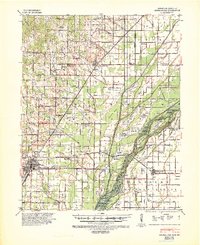 1940 Marmaduke1942 Print · USGSThe lowland border between Arkansas and Missouri comes into focus in the early 1940s, showing a landscape of river islands and new drainage ditches. Researchers can locate vanished rural landmarks like Bonecamp Sch, the Reddick Cem, and the tracks of the St Louis Southwestern Railway.3 unique versions available
 - 1940 Map of Kennett, 1943 Print
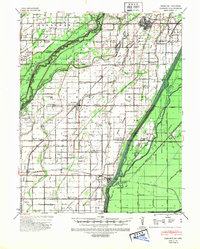 1940 Kennett1943 Print · USGSDunklin County and the Missouri-Arkansas border are mapped here during the early 1940s, showing a landscape defined by drainage ditches and rail lines. You can trace the St Louis Southwestern RR through Senath and Arbyrd, or locate family sites like Lula Ch & Cem and Johnson Mill.
 - 1940 Map of Piggott, 1945 Print
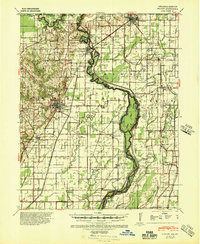 1940 Piggott1945 Print · USGSNortheast Arkansas and the Missouri Bootheel meet along the winding St Francis River in the decade before the post-war era. Genealogists and local historians can locate numerous rural landmarks including Gravel Hill Ch & Cem, Pine City, and the St Louis Southwestern RR line.
 - 1941 Map of Knobel, 1946 Print
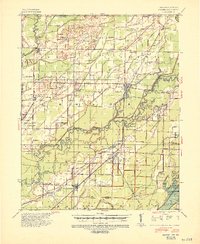 1941 Knobel1946 Print · USGSClay County at the onset of the 1940s is defined by the winding Black River and the critical rail junctions that sustained its small towns. Researchers can trace family roots through numerous rural landmarks like Masterson Cem, Brazil Sch & Ch, and the river crossing at Bennetts Ferry Bridge.2 unique versions available
 - 1956 Map of Kennett
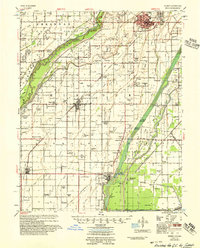 1956 Kennett1956 Print · USGSThe Missouri Bootheel's agricultural and drainage transformation is on full display in the mid-fifties. Genealogists can trace family roots through numerous rural sites like Silverdale Ch & Cem, Harkeys Chapel, and the Oak Ridge Cem near Kennett.2 unique versions available
 - 1956 Map of Piggott
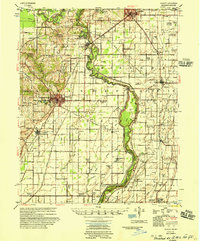 1956 Piggott1956 Print · USGSThe Arkansas-Missouri borderlands in the mid-fifties were defined by the shifting loops of the St Francis River and the arrival of modern flood control. Researchers can locate vanished rural landmarks like Holly Island Community, Wrights Chapel, and the Meander Line of the old river channel.2 unique versions available
 - 1957 Map of Poplar Bluff, 1968 Print
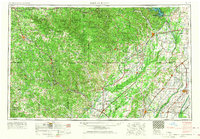 1957 Poplar Bluff1968 Print · USGSThe Missouri-Arkansas border region is captured here as the timber and rail industries shaped the Ozark foothills. Genealogists and historians can trace the Missouri Pacific Railroad through river towns like Pocahontas, Greenville, and Van Buren.3 unique versions available
 - 1958 Map of Marmaduke, 1962 Print
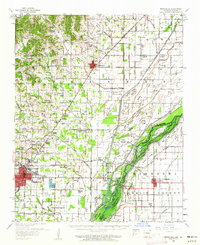 1958 Marmaduke1962 Print · USGSThe Arkansas-Missouri borderlands come alive in this mid-century survey of the St. Francis River basin and the agricultural landscape of Greene County. Genealogists and historians can trace family locations through numerous rural landmarks like Harveys Chapel Cem, Nutt Chapel, and the stops along the St Louis Southwestern RR.2 unique versions available
 - 1958 Map of Rector, 1962 Print
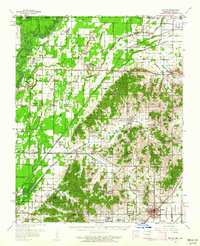 1958 Rector1962 Print · USGSClay County at the edge of the Missouri Bootheel was a landscape of ridge-top settlements and engineered bottomlands in the late fifties. Genealogists can trace family footprints across dozens of local landmarks like Knob Sch, Boydsville, and the Crockett Cem.2 unique versions available
 - 1959 Map of Poplar Bluff
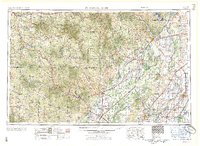 1959 Poplar Bluff1959 Print · USGSThe Missouri Ozarks and Arkansas borderlands meet in this late 1950s study of the region's diverse terrain and rail-fed towns. Researchers can trace the path of the Missouri Pacific Railroad through Poplar Bluff or locate smaller settlements like Birch Tree and Myrtle.
 - 1959 Map of Marmaduke
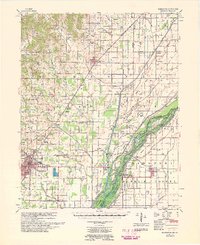 1959 Marmaduke1959 Print · USGSGreene County and the Missouri bootheel transition appear here in the late fifties, dominated by the rail-and-river economy. Researchers can trace rural lineages through dozen of landmarks like Old Liberty Cem, Alexander Sch, and the riverside settlement of Cardwell.
 - 1960 Map of Rector
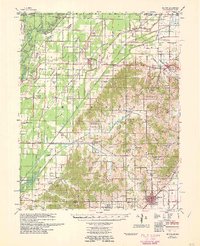 1960 Rector1960 Print · USGSClay County at the end of the fifties reveals a landscape shaped by the rise of Crowleys Ridge and an intricate network of drainage ditches. Local historians can trace the foundations of Rector and Boydsville or locate rural landmarks like the Knob Sch and Purcell Mill.
 - 1960 Map of Poplar Bluff
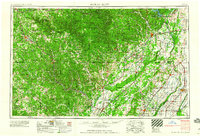 1960 Poplar Bluff1960 Print · USGSSoutheast Missouri and Northeast Arkansas are captured here during the post-war era, showing the transition from the Ozark highlands to the Delta. Genealogists and historians can trace rail corridors like the St. Louis Southwestern RR and remote settlements such as Birch Tree and Warm Springs.
 - 1964 Map of Datto, 1965 Print
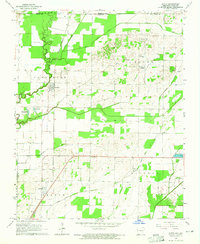 1964 Datto1965 Print · USGSIn the mid-1960s, the Arkansas-Missouri border was a landscape of fertile bottomlands and evolving drainage systems. Genealogists can trace family roots at Hitt Cem and Grassyhead Ch or follow the St Louis-San Francisco rail line through Success.2 unique versions available
 - 1964 Map of Corning, 1965 Print
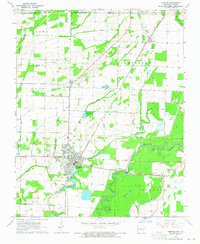 1964 Corning1965 Print · USGSIn the mid-1960s, the Arkansas-Missouri borderlands near Corning were a landscape of river-bottom sloughs and precisely ditched farmland. Genealogists can trace family names across Allmandinger Cem and Williams Cem, or locate rural landmarks like New Home Ch and the Drive-in Theater.2 unique versions available
 - 1964 Map of Knobel, 1965 Print
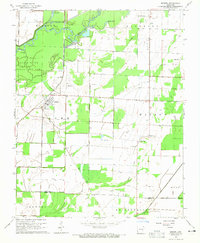 1964 Knobel1965 Print · USGSNortheast Arkansas in the mid-1960s reveals a landscape defined by the Missouri Pacific railroad and the waters of the Black River. Researchers can locate several family landmarks and community centers including St Bernard Cem, Bond Cem, and Walnut Grove Ch.3 unique versions available
 - 1964 Map of Peach Orchard, 1965 Print
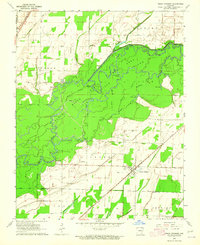 1964 Peach Orchard1965 Print · USGSNortheast Arkansas in the mid-sixties is defined here by the winding channels of the Black River and the industrial backbone of two major railroads. Genealogists can locate family landmarks like Pirtle Ch, Allen Cem, and the small community of Brookings tucked along the riverbanks.3 unique versions available
 - 1967 Map of Knobel
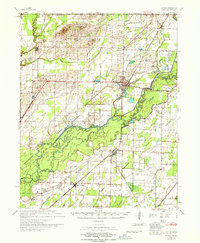 1967 Knobel1967 Print · USGSNortheast Arkansas in the late 1960s reveals a landscape of river-bottom settlements and a sophisticated network of agricultural drainage. Trace the family roots of early residents near Corning, Success, and Knobel, or locate family sites at Richwoods Cem and Browns Chapel.
 - 1968 Map of Supply, 1969 Print
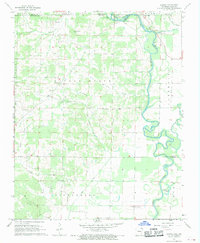 1968 Supply1969 Print · USGSThe Arkansas-Missouri borderlands come into focus in the late sixties as a network of small settlements and river bottoms. Researchers can locate family landmarks like Supply Ch, Ingram Cem, and the old community at Pitman.2 unique versions available
 - 1968 Map of Reyno, 1970 Print
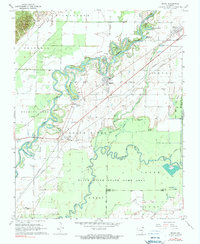 1968 Reyno1970 Print · USGSNortheast Arkansas river country is captured here in the late sixties, where the winding channels of the Current River define the local geography. Genealogists can trace family names through numerous burial sites like Old Reyno Cem and Yellow Hill Cem.2 unique versions available
 - 1983 Map of Senath, 1984 Print
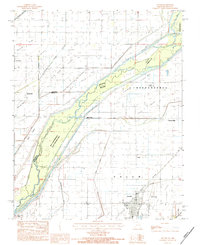 1983 Senath1984 Print · USGSDunklin County and the Arkansas borderlands come alive in this early 1980s survey of the river-braided lowlands. Researchers can trace rural livelihoods through landmarks like Mitchell Mill, the Burlington Northern rail line, and the wetlands of the Ben Cash Memorial State Wildlife Area.
Showing maps 1-25 of 117
Top cities of Clay County
- Piggott historical maps
- Corning historical maps
- Rector historical maps
- Saint Francis historical maps
- Pollard historical maps
- Greenway historical maps
See more
Frequently asked questions
- What are the different types of historical maps available for Clay County?
- What is the oldest map of Clay County?
- Where can I purchase historical maps of Clay County for my home or office?
- Where can I download high-res historical maps of Clay County?
- Are there historical topographic maps available for Clay County?
- Is there historical aerial imagery available for Clay County?
- Where are historical maps of Clay County sourced from?