Old Maps of Wilburn, Arkansas
Explore 11 old maps of Wilburn, spanning from 1890 to today. These high-resolution historic maps reveal how streets, neighborhoods, landmarks, and natural features evolved over time — perfect for genealogy, metal detecting, research, and local history exploration.
What you can do with these maps:
- See how Wilburn changed over time: Compare historical maps to modern-day views to trace roads, homesites, rail lines & more.
- View detailed metadata: Each map includes creators, publishers, year, scale, and archive source.
- Overlay maps with satellite & LiDAR: Visualize the past alongside modern tools to explore terrain & human change.
- Trusted historical sources: Maps sourced from the USGS, Library of Congress, and other archives.
- Access maps your way: View online, download high-res files, or order prints for personal or research use.
Start exploring old maps of Wilburn to uncover forgotten places, hidden landmarks, and the deep history beneath your feet.
Wilburn, AR maps
(11)- 1890 Map of Batesville
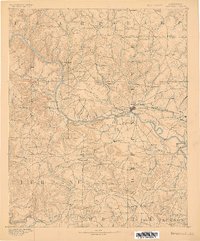 1890 Batesville1890 Print · USGSIndependence and Sharp counties relied on a intricate network of river ferries and rural outposts in the 1890s. Researchers can trace ancestral locations like Old Clem Place, historic church sites like Bethesda Ch, and river crossings at Walls Fy.
 - 1891 Map of Batesville
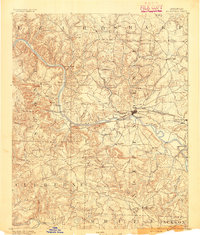 1891 Batesville1891 Print · USGSNorthern Arkansas in the late nineteenth century centers on the White River corridor. Genealogists can trace family landmarks like Old Clem Place and early river crossings such as Grigsby Fy or the rail lines through Sulphur Rock.6 unique versions available
 - 1953 Map of Memphis, 1966 Print
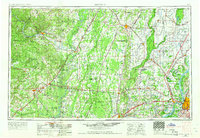 1953 Memphis1966 Print · USGSEastern Arkansas and the Memphis riverfront are shown here during the mid-century period of regional growth and river management. Local historians can trace the paths of the Chicago Rock Island & Pacific RR through Forrest City or locate river landmarks like President's Island.3 unique versions available
 - 1956 Map of Memphis
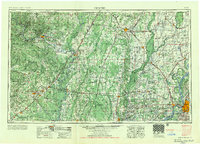 1956 Memphis1956 Print · USGSThe Mississippi Delta and the bluffs of West Tennessee meet in the mid-fifties, showing a landscape defined by massive river systems and rail hubs. Researchers can trace the path of Crowleys Ridge or locate vanished river landings near Centennial Island and Island No 35.
 - 1973 Map of Greers Ferry Dam, 1975 Print
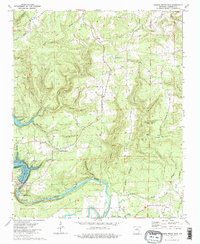 1973 Greers Ferry Dam1975 Print · USGSCleburne County is shown in the early seventies as the engineering of Greers Ferry Dam and the Little Red River defined the local landscape. Genealogists can trace local roots at Miller Cem, Chastain Chapel, and the settlement of Ida.2 unique versions available
 - 1986 Map of Batesville
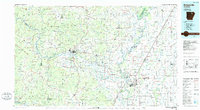 1986 Batesville1986 Print · USGSNorth-central Arkansas in the mid-eighties shows a landscape of river-bend towns and Ozark foothills during a period of steady growth. You can trace family roots through numerous upland sites like Hickory Valley School, Sandtown Hill Cem, and the riverfront at Oil Trough.2 unique versions available
 - 2011 Map of Greers Ferry Dam, 2011 Print
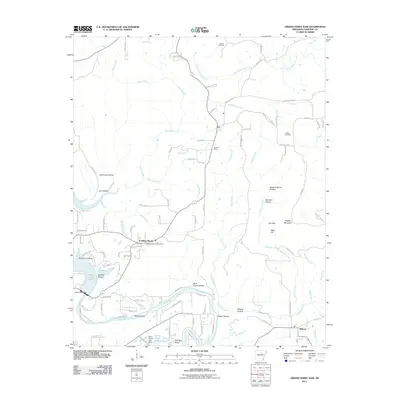 2011 Greers Ferry Dam2011 Print · USGSCleburne County settlement patterns and water infrastructure come into focus in the early twenty-first century as the regional economy centers on the river. Researchers can trace rural lineages through the Antioch Cemetery or locate old community hubs like Ida and Wilburn.
 - 2014 Map of Greers Ferry Dam, 2014 Print
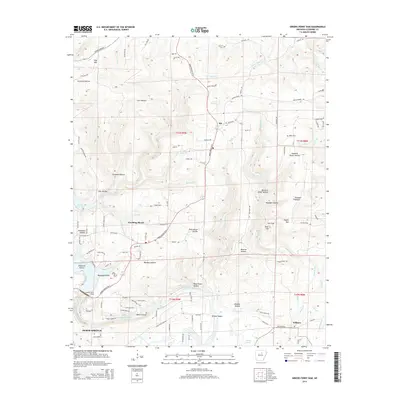 2014 Greers Ferry Dam2014 Print · USGSCleburne County, Arkansas, is captured here in the early 2010s, centered on the critical water infrastructure and mountainous terrain of the Ozark foothills. Genealogists and local historians can trace family locations near Antioch Cem, the Little Red River, and the community of Tumbling Shoals.
 - 2017 Map of Greers Ferry Dam, 2017 Print
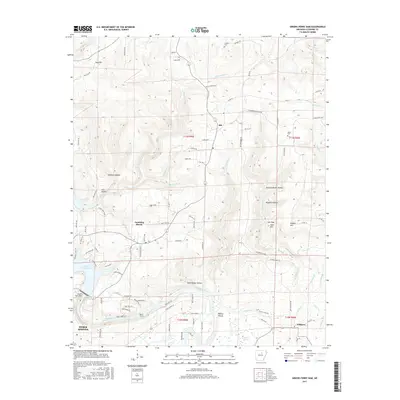 2017 Greers Ferry Dam2017 Print · USGSThe Cleburne County highlands and the engineered waters of the Little Red River are captured here in the late twenty-tens. Researchers can trace the rural landscape between Heber Springs and Wilburn, locating local landmarks like Greers Ferry Dam and Antioch Cem.
 - 2020 Map of Greers Ferry Dam, 2020 Print
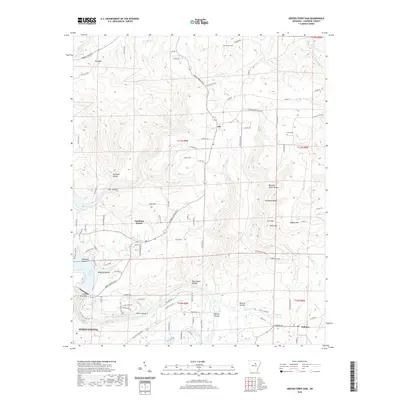 2020 Greers Ferry Dam2020 Print · USGSHeber Springs and the Little Red River valley are shown in the early twenty-first century as they border the reservoir. Researchers can trace family sites near Antioch Cem or explore the rural layout of Tumbling Shoals and Ida.
 - 2024 Map of Greers Ferry Dam, 2024 Print
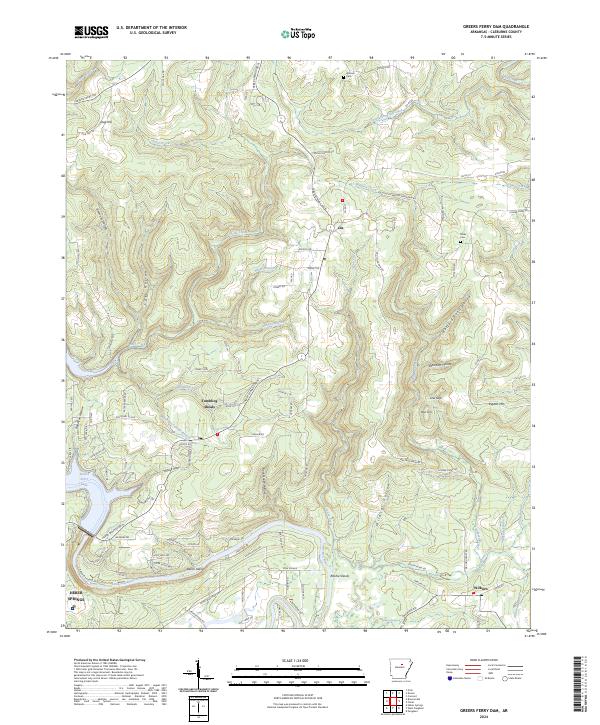 2024 Greers Ferry Dam2024 Print · USGSThe foothills of the Ozarks meet the clear waters of Cleburne County in the modern era. Researchers can trace the winding course of the Little Red River past Tumbling Shoals and the Greers Ferry National Fish Hatchery to the outskirts of Heber Springs.
End of results
Showing maps 1-11 of 11
Top cities near Wilburn
- Heber Springs historical maps
- Southside historical maps
- Judsonia historical maps
- Pangburn historical maps
- Rose Bud historical maps
- Concord historical maps
See more
Frequently asked questions
- What are the different types of historical maps available for Wilburn?
- What is the oldest map of Wilburn?
- Where can I purchase historical maps of Wilburn for my home or office?
- Where can I download high-res historical maps of Wilburn?
- Are there historical topographic maps available for Wilburn?
- Is there historical aerial imagery available for Wilburn?
- Where are historical maps of Wilburn sourced from?