Old Maps of Greenbrier, Arkansas for Academic Research
Study the evolution of Greenbrier with 36 high-resolution historic maps. Whether you're teaching, researching, or modeling changes in land use, these maps provide essential visual documentation of urban, environmental, and geographic change.
- Analyze long-term change: Track patterns in development, transportation, and natural features.
- Ideal for environmental or urban studies: Support academic projects with primary historical map data.
- Use in the classroom or lab: Educators and researchers rely on these maps to bring historical context to life.
These maps are a powerful tool for teaching, research, and visualizing how Greenbrier has changed over the decades.
Greenbrier, AR maps
(36)- 1956 Map of Russellville
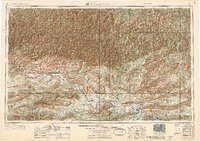 1956 Russellville1956 Print · USGSThe Arkansas River valley and the surrounding Boston Mountains are captured here in the mid-fifties, showing a landscape of small timber towns and new reservoirs. Genealogists can trace family roots through upland settlements like Pelsor and Witts Springs or locate the campus of Arkansas Polytechnic College.2 unique versions available
 - 1961 Map of Conway, 1963 Print
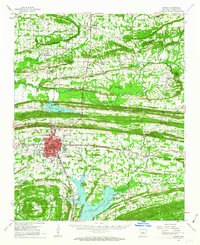 1961 Conway1963 Print · USGSConway and central Arkansas are captured here during a season of mid-century growth and collegiate expansion. Researchers can locate vanished rural landmarks and early infrastructure like Hendrix College, Beaver Fork Lake, and the Drive-in Theater.
 - 1961 Map of Bee Branch, 1963 Print
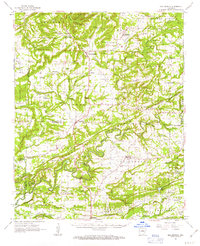 1961 Bee Branch1963 Print · USGSCentral Arkansas settlements and highland ridges are mapped in the early sixties, showing the rural network of the Van Buren and Faulkner county lines. Researchers can find numerous family landmarks such as Quattlebaum Cem, Pinnacle Springs Tabernacle, and the Solomon Grove Sch.2 unique versions available
 - 1961 Map of Greenbrier, 1966 Print
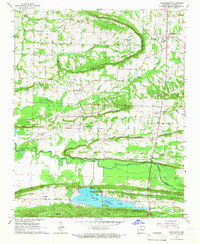 1961 Greenbrier1966 Print · USGSThe Greenbrier area of Faulkner County is captured here in the early 1960s, showing a landscape of upland ridges and creek valleys. Researchers can trace rural lineages through sites like Bethlehem Ch, Estep Cem, and the community of Wooster.2 unique versions available
 - 1961 Map of Damascus, 1966 Print
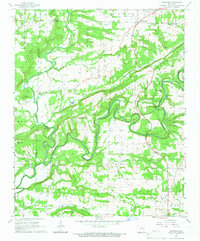 1961 Damascus1966 Print · USGSThe borderlands of Van Buren and Faulkner counties are captured here in the early sixties, showing a rural landscape defined by creek valleys and high ridges. Genealogists and local historians can locate community anchors like Solomon Grove School, Martinville Cem, and the historic TREATY BOUNDARY.3 unique versions available
 - 1961 Map of Guy, 1966 Print
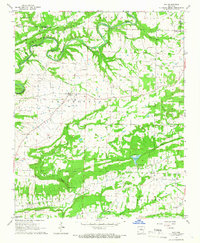 1961 Guy1966 Print · USGSThe hills and valleys of Faulkner County are captured here in the early sixties as rural life centered around the town of Guy. Researchers can locate family landmarks like the Copperas Springs Cem, New Home Sch, and Bennett Lake.2 unique versions available
 - 1961 Map of Holland, 1966 Print
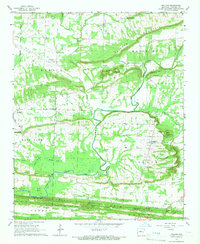 1961 Holland1966 Print · USGSThis early 1960s survey of the Holland area in Faulkner County shows a landscape of ridges and gaps before modern expansion. Researchers can trace rural church and cemetery locations such as Oakland Ch, Hardin Cem, and Shady Grove Cem tucked between Clinton Mountain and Dun Hill.2 unique versions available
 - 1964 Map of Russellville
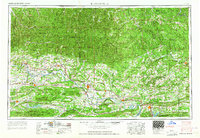 1964 Russellville1964 Print · USGSMid-century Central Arkansas is defined here by the river-valley towns and the surrounding mountain ranges before the full expansion of the interstate system. Genealogists and historians can trace rail-town development along the Missouri Pacific Railroad and locate landmarks like Arkansas Polytechnic College or Petit Jean State Park.
 - 1977 Map of Russellville
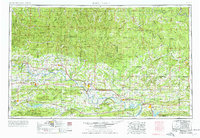 1977 Russellville1977 Print · USGSThe Arkansas River Valley and surrounding Ozark Mountains are documented here during a period of significant postwar growth and infrastructure development. Genealogists and researchers can locate family landmarks such as Mount Carmel Cem, St Josephs Church, and several remote Coal Mine sites along the Missouri Pacific RR line.
 - 1983 Map of Conway, 1984 Print
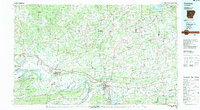 1983 Conway1984 Print · USGSThe Arkansas River valley in the early eighties shows a landscape of river-bend settlements and expanding wildlife areas. Genealogists and historians can trace the Missouri Pacific RR through old river towns like Toad Suck, Morrilton, and Menifee.
 - 1984 Map of Russellville
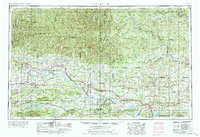 1984 Russellville1984 Print · USGSThe Arkansas River valley was undergoing significant change in the 1950s as transportation and water management reshaped the region from Russellville to Conway. Researchers can trace the era's rail networks like the Missouri Pacific RR and explore landmarks like Magazine Mountain and Petit Jean State Park.
 - 1992 Map of Russellville, 1993 Print
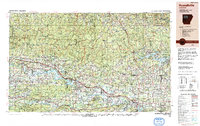 1992 Russellville1993 Print · USGSCentral Arkansas in the early nineties shows a landscape defined by the Arkansas River valley and the surrounding national forests. Trace the development of river towns like Russellville and Dardanelle alongside landmarks such as Lake Dardanelle and Magazine Mtn.
 - 1994 Map of Holland
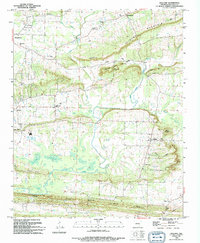 1994 Holland1994 Print · USGSFaulkner County communities like Greenbrier and Holland are shown here as they appeared in the 1990s. Genealogists and local historians can trace rural roots through landmarks like East Shady Grove Cem and the Needs Creek Ch.
 - 1994 Map of Greenbrier
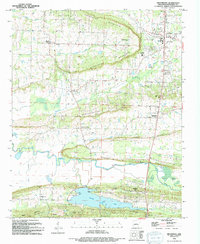 1994 Greenbrier1994 Print · USGSGreenbrier and its surrounding ridges come into focus in the early 1990s as the community expanded north of the new reservoir. Genealogists and local historians can locate several rural landmarks including Bethlehem Ch, Estep Cem, and the neighborhoods of Treasure Hills and Wooster.
 - 1994 Map of Damascus
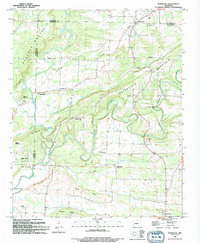 1994 Damascus1994 Print · USGSThe hill country of Faulkner and Van Buren counties comes to life in the mid-1990s as a landscape of small settlements and creek-bottom farms. Researchers can trace family history through several burial sites like Spires Cem or locate the Old Indian Reservation Boundary.
 - 1994 Map of Guy
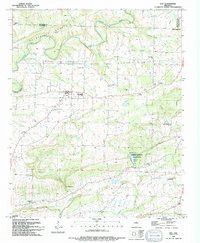 1994 Guy1994 Print · USGSThe northern reaches of Faulkner County are shown here in the mid-1990s, centering on the small community of Guy. Genealogists and local historians can trace family roots through several legacy sites like Copperas Springs Cem, G W Perkins School, and New Home Ch.
 - 2011 Map of Guy, 2011 Print
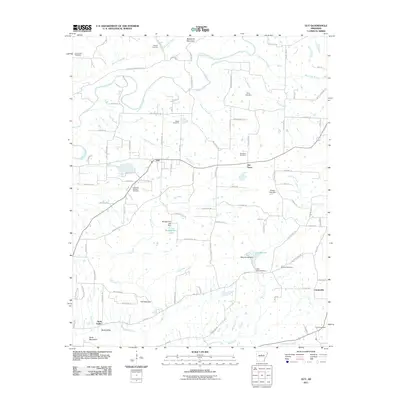 2011 Guy2011 Print · USGSThe rural communities of Guy and Old Texas are captured in this 2011 survey during a period of steady local growth. Genealogists and historians can trace numerous family burial sites, from McNew Cemetery to Holland Cemetery, alongside landmarks like Lake Bennett.
 - 2011 Map of Greenbrier, 2011 Print
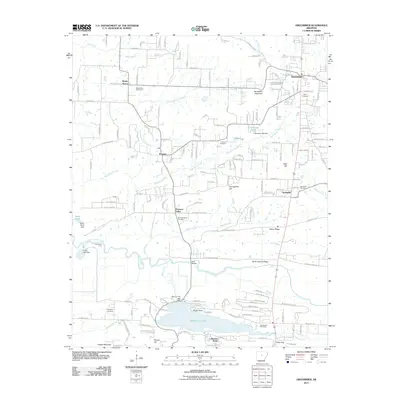 2011 Greenbrier2011 Print · USGSNorth of Conway in the early twenty-first century, this landscape shows the growth of residential communities alongside historic rural landmarks. Researchers can trace family roots through numerous sites like Bethlehem Cemetery, King Bridge, and Springhill.
 - 2011 Map of Damascus, 2011 Print
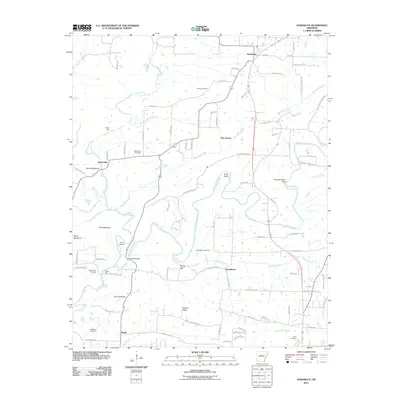 2011 Damascus2011 Print · USGSNorth of Greenbrier in the early twenty-first century, this landscape shows the rural communities of the Arkansas foothills. Genealogists can locate several family burial sites including Spires Cemetery and trace historical crossings like Quinn Ford and Fishtrap Bridge.
 - 2011 Map of Holland, 2011 Print
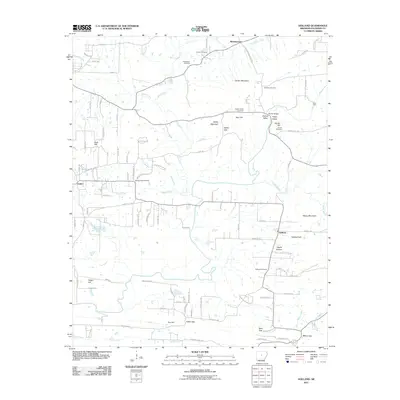 2011 Holland2011 Print · USGSFaulkner County communities like Holland and McGintytown appear in the early 2000s as this rural landscape balances agricultural roots with new growth. Local researchers can trace family names through numerous sites like Oakland Cemetery, Acklin Gap, and Hardin Bridge.
 - 2014 Map of Guy, 2014 Print
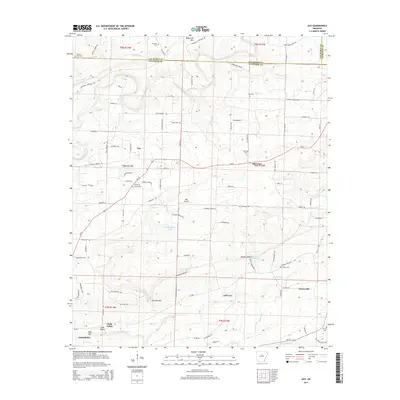 2014 Guy2014 Print · USGSThe crossroads town of Guy and the surrounding Faulkner County ridges are captured here in the early twenty-first century. Genealogists and local historians can trace family locations near Old Texas Cem, The Narrows, and the community of Centerville.
 - 2014 Map of Damascus, 2014 Print
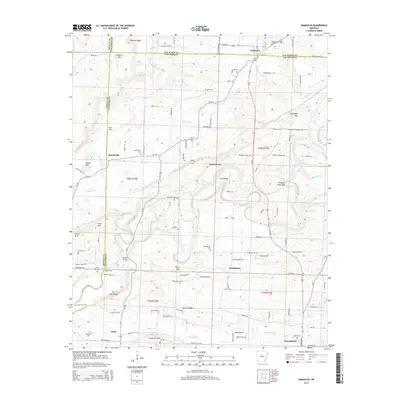 2014 Damascus2014 Print · USGSFaulkner and Van Buren Counties meet at the crossing of mountain ridges and creek bottoms in the 2010s. Genealogists can trace family names at Republican Cemetery and Spires Cem, or locate historic crossings like Fishtrap Bridge on the Cadron Creek.
 - 2014 Map of Holland, 2014 Print
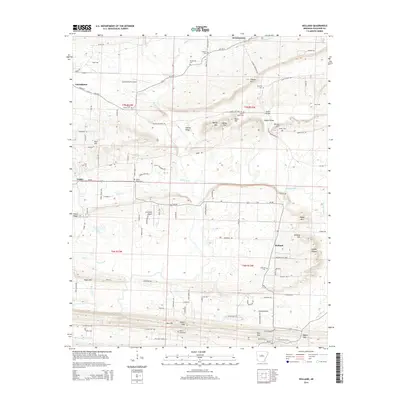 2014 Holland2014 Print · USGSFaulkner County in the mid-2010s shows a landscape of established rural communities and family-named landmarks. Researchers can locate numerous historic burial grounds like Acklin Graveyard and McGinty Cem, or trace the winding course of Black Fork.
 - 2014 Map of Greenbrier, 2014 Print
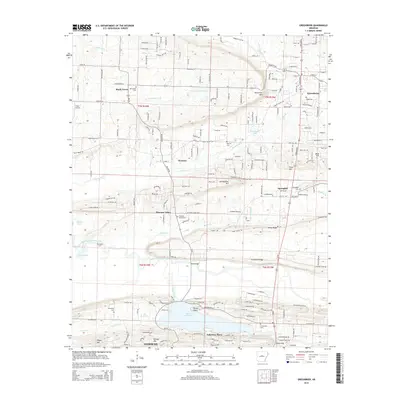 2014 Greenbrier2014 Print · USGSFaulkner County's rolling landscape north of Conway is documented here during the early twenty-first century. Researchers can locate many family-named landmarks and historic burial grounds such as Pearson Cem, Friendship Cem, and the notable King Bridge over the creek.
 - 2017 Map of Greenbrier, 2017 Print
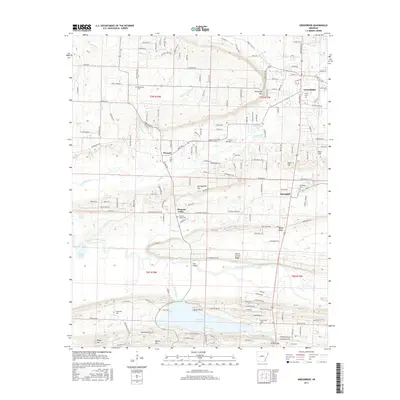 2017 Greenbrier2017 Print · USGSGreenbrier and its surrounding hillsides are captured here in the decade before the recent growth surge, showing a landscape defined by ridges and valley creeks. Researchers can locate established family burial grounds like Bethlehem Cem and Springhill Cem or trace the shoreline of Beaver Fork Lake.
Showing maps 1-25 of 36
Top cities near Greenbrier
- Conway historical maps
- Vilonia historical maps
- Wooster historical maps
- Quitman historical maps
- Holland historical maps
- Guy historical maps
See more
Frequently asked questions
- What are the different types of historical maps available for Greenbrier?
- What is the oldest map of Greenbrier?
- Where can I purchase historical maps of Greenbrier for my home or office?
- Where can I download high-res historical maps of Greenbrier?
- Are there historical topographic maps available for Greenbrier?
- Is there historical aerial imagery available for Greenbrier?
- Where are historical maps of Greenbrier sourced from?