Old Maps of Ashdown, Arkansas for Academic Research
Study the evolution of Ashdown with 18 high-resolution historic maps. Whether you're teaching, researching, or modeling changes in land use, these maps provide essential visual documentation of urban, environmental, and geographic change.
- Analyze long-term change: Track patterns in development, transportation, and natural features.
- Ideal for environmental or urban studies: Support academic projects with primary historical map data.
- Use in the classroom or lab: Educators and researchers rely on these maps to bring historical context to life.
These maps are a powerful tool for teaching, research, and visualizing how Ashdown has changed over the decades.
Ashdown, AR maps
(18)- 1950 Map of Ashdown East, 1956 Print
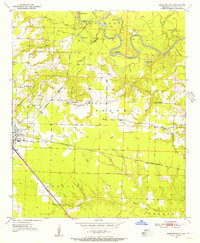 1950 Ashdown East1956 Print · USGSLittle River County at the midpoint of the century is defined by its winding river oxbows and vital rail junctions. Researchers can trace the path of the Kansas City Southern railroad through Ashdown or locate rural landmarks like Zealia Chapel and Fomby Sch.2 unique versions available
 - 1950 Map of Ashdown West, 1956 Print
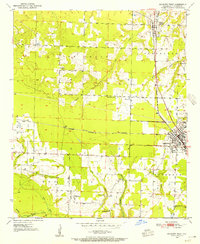 1950 Ashdown West1956 Print · USGSLittle River County at mid-century centers on the rail crossroads of Ashdown and the rural agricultural lands surrounding it. Researchers can trace historic family landmarks through sites like Richmond Cem, Elmore Ch, and the small community of Wilton.2 unique versions available
 - 1951 Map of Ashdown West
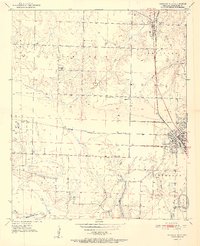 1951 Ashdown West1951 Print · USGSLittle River County at mid-century centers on the rail hub of Ashdown and the surrounding farm communities. Genealogists can trace family landmarks like Richmond Cem or visit rural congregations such as St Matthews Ch and Oak Grove Ch.2 unique versions available
 - 1951 Map of Ashdown East
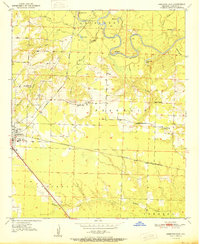 1951 Ashdown East1951 Print · USGSLittle River County at mid-century was a landscape defined by the winding Little River and a busy network of southern rail lines. Researchers can trace rural life through landmarks like Peytonville, Zealia Chapel, and the Fomby Sch schoolhouse.2 unique versions available
 - 1953 Map of Texarkana, 1964 Print
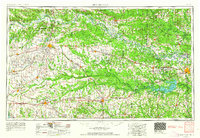 1953 Texarkana1964 Print · USGSThe Texas-Arkansas borderlands are captured here in the mid-fifties, during a decade of massive military and hydraulic engineering projects. Genealogists and researchers can locate family landmarks like Old Boston Cem, Siloam Ch, and the vast Red River Arsenal.4 unique versions available
 - 1956 Map of Texarkana
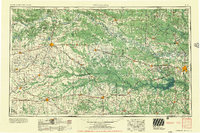 1956 Texarkana1956 Print · USGSThe Ark-La-Tex borderlands come alive in the mid-fifties, showing the transition from a rail-dependent rural economy to a post-war industrial landscape. Researchers can trace the massive Red River Ordnance Depot and find towns like Talco, Bogata, and Naples.
 - 1986 Map of Idabel
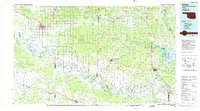 1986 Idabel1986 Print · USGSThe tri-state borderlands of Oklahoma, Arkansas, and Texas come alive in the 1980s, centered on the Red River and the timberlands of the Ouachita National Forest. Genealogists and historians can trace the paths of the Missouri Pacific railroad through towns like Bokhoma and Ashdown.
 - 1990 Map of Idabel
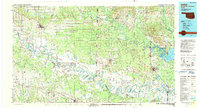 1990 Idabel1990 Print · USGSThe tri-state borderlands of Oklahoma, Arkansas, and Texas come alive in this late twentieth-century survey of the Red River valley. Researchers can trace the legacy of rail and river commerce through settlements like Bokhoma and Ashdown or find rural landmarks such as Hill Chapel.
 - 2011 Map of Ashdown West, 2011 Print
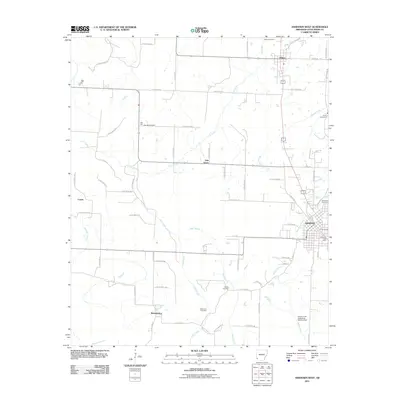 2011 Ashdown West2011 Print · USGSLittle River County at the start of the 2010s reveals a landscape of established towns and scattered family burial grounds. Researchers can trace the layout of Ashdown or locate rural sites like Richmond Cemetery, Oak Hill, and Wilton.
 - 2011 Map of Ashdown East, 2011 Print
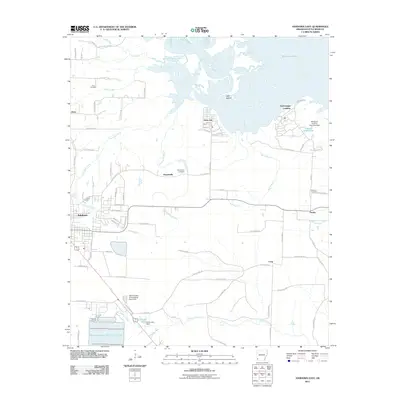 2011 Ashdown East2011 Print · USGSThe Little River valley in Southwest Arkansas is captured here in the early twenty-first century as Millwood Lake defines the northern landscape. Local researchers can pinpoint family sites at Cook Cemetery or trace the early settlement footprints of Peytonville and Fomby.
 - 2014 Map of Ashdown West, 2014 Print
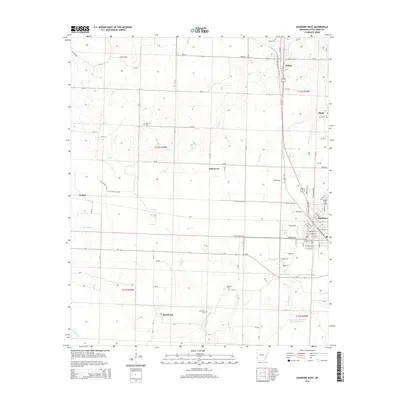 2014 Ashdown West2014 Print · USGSLittle River County in the early twenty-first century is captured here as a landscape of rural communities and vital water management. Genealogists and historians can locate several local burial sites, including Oak Hill Cem, Hicks Cem, and Richmond Cem.
 - 2014 Map of Ashdown East, 2014 Print
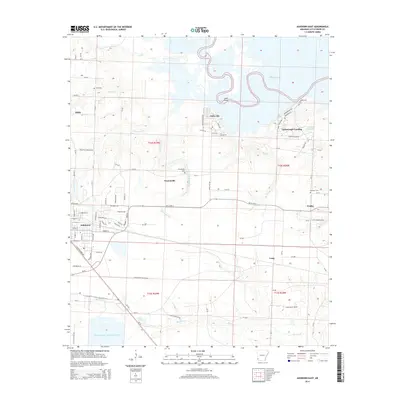 2014 Ashdown East2014 Print · USGSThe eastern edges of Ashdown meet the expansive shoreline of Millwood Lake in this 2014 survey. Researchers can locate family roots at Peytonville Cem or trace the early paths of Yarborough Landing and the rural settlement of Hicks.
 - 2017 Map of Ashdown West, 2017 Print
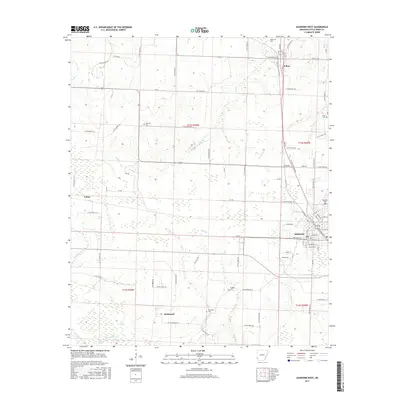 2017 Ashdown West2017 Print · USGSLittle River County settlement patterns are clearly visible in the years following the millennium, centered on the growing hub of Ashdown. Researchers can trace local lineage through numerous rural burying grounds like Oak Hill Cem and Richmond Cem or locate the site of Comet.
 - 2017 Map of Ashdown East, 2017 Print
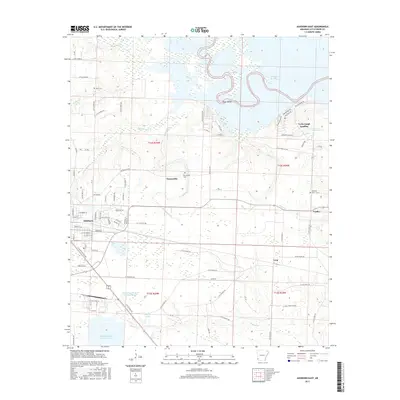 2017 Ashdown East2017 Print · USGSLittle River County settlement and river geography are captured here in the late twenty-tens, from the streets of Ashdown to the shores of Millwood Lake. Researchers can trace rural lineages through the Peytonville Cem or locate the landings at Yarborough Landing and Fomby.
 - 2020 Map of Ashdown West, 2020 Print
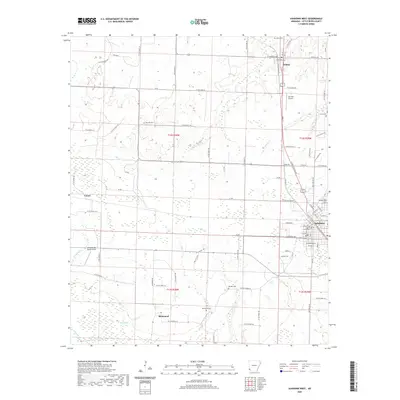 2020 Ashdown West2020 Print · USGSLittle River County in the early twenty-first century is captured here, showing the growth of Ashdown alongside established rural communities. Researchers can locate family sites and local landmarks like the Little River County Courthouse, Oak Hill Cem, and the settlement of Richmond.
 - 2020 Map of Ashdown East, 2020 Print
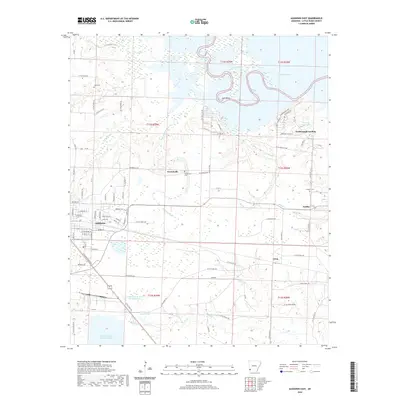 2020 Ashdown East2020 Print · USGSLittle River County at the start of the 2020s shows a landscape defined by the Arkansas riverlands and the growth of its county seat. Researchers can find old family burial sites at Peytonville Cem and trace the rural settlements of Fomby and Yarborough Landing.
 - 2024 Map of Ashdown West, 2024 Print
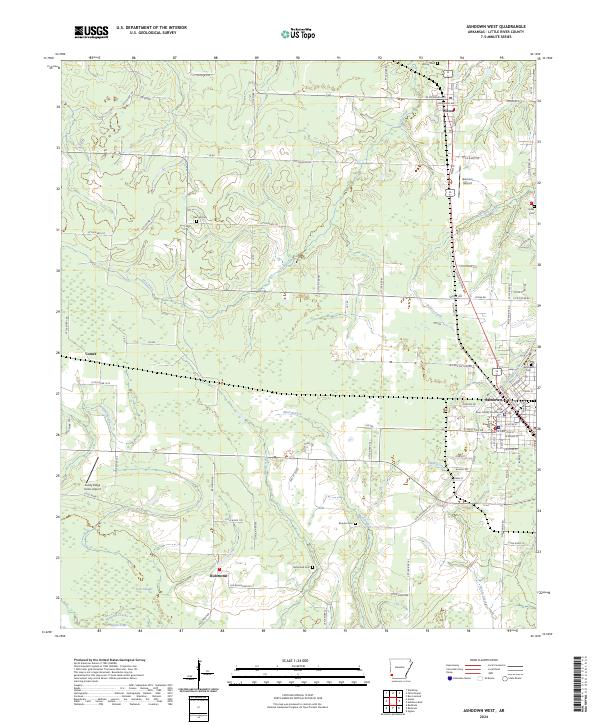 2024 Ashdown West2024 Print · USGSLittle River County comes into focus in this contemporary survey of its county seat and surrounding rural townships. Genealogists can trace family sites at Richmond Cem, Wilton Cem, and the courthouse in Ashdown, while pilots will find Garrison Airport and Sandy Ridge Farms Airport.
 - 2024 Map of Ashdown East, 2024 Print
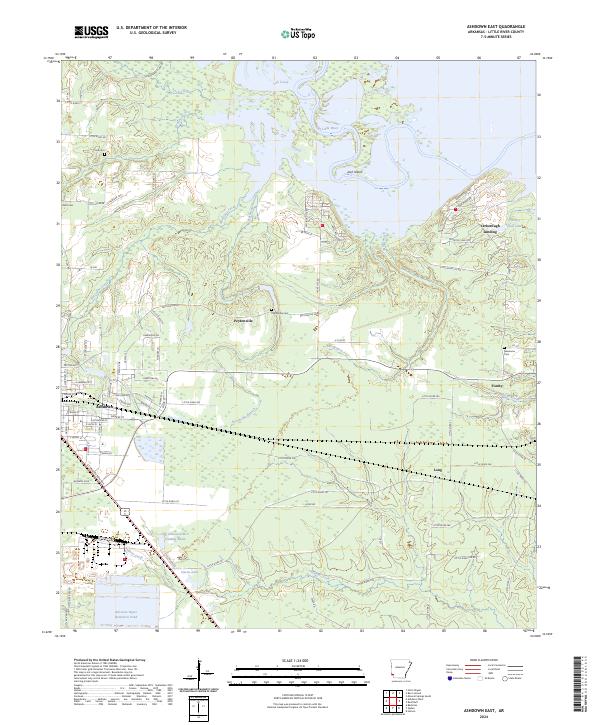 2024 Ashdown East2024 Print · USGSThe eastern reaches of Ashdown and the meandering Little River are documented in this recent survey of Little River County. Genealogists can locate several remote burial sites including Cook Cem and Newsome Cem, while following the paths of the KCS rail line and Peytonville Rd.
End of results
Showing maps 1-18 of 18
Top cities near Ashdown
- Texarkana historical maps
- Texarkana historical maps
- Nash historical maps
- Hooks historical maps
- Mineral Springs historical maps
- Red Lick historical maps
See more
Frequently asked questions
- What are the different types of historical maps available for Ashdown?
- What is the oldest map of Ashdown?
- Where can I purchase historical maps of Ashdown for my home or office?
- Where can I download high-res historical maps of Ashdown?
- Are there historical topographic maps available for Ashdown?
- Is there historical aerial imagery available for Ashdown?
- Where are historical maps of Ashdown sourced from?