Old Maps of Baker, Arkansas
Explore 10 old maps of Baker, spanning from 1957 to today. These high-resolution historic maps reveal how streets, neighborhoods, landmarks, and natural features evolved over time — perfect for genealogy, metal detecting, research, and local history exploration.
What you can do with these maps:
- See how Baker changed over time: Compare historical maps to modern-day views to trace roads, homesites, rail lines & more.
- View detailed metadata: Each map includes creators, publishers, year, scale, and archive source.
- Overlay maps with satellite & LiDAR: Visualize the past alongside modern tools to explore terrain & human change.
- Trusted historical sources: Maps sourced from the USGS, Library of Congress, and other archives.
- Access maps your way: View online, download high-res files, or order prints for personal or research use.
Start exploring old maps of Baker to uncover forgotten places, hidden landmarks, and the deep history beneath your feet.
Baker, AR maps
(10)- 1957 Map of Poplar Bluff, 1968 Print
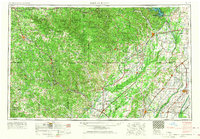 1957 Poplar Bluff1968 Print · USGSThe Missouri-Arkansas border region is captured here as the timber and rail industries shaped the Ozark foothills. Genealogists and historians can trace the Missouri Pacific Railroad through river towns like Pocahontas, Greenville, and Van Buren.3 unique versions available
 - 1959 Map of Poplar Bluff
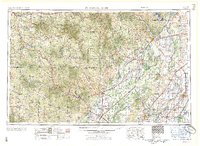 1959 Poplar Bluff1959 Print · USGSThe Missouri Ozarks and Arkansas borderlands meet in this late 1950s study of the region's diverse terrain and rail-fed towns. Researchers can trace the path of the Missouri Pacific Railroad through Poplar Bluff or locate smaller settlements like Birch Tree and Myrtle.
 - 1960 Map of Poplar Bluff
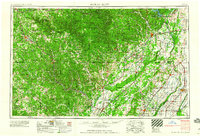 1960 Poplar Bluff1960 Print · USGSSoutheast Missouri and Northeast Arkansas are captured here during the post-war era, showing the transition from the Ozark highlands to the Delta. Genealogists and historians can trace rail corridors like the St. Louis Southwestern RR and remote settlements such as Birch Tree and Warm Springs.
 - 1968 Map of Hardy, 1969 Print
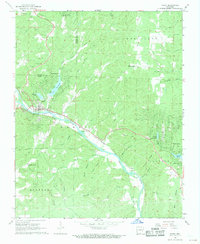 1968 Hardy1969 Print · USGSThe Spring River valley comes alive in the late sixties as the railroad follows the river through the Ozark foothills. Researchers can trace family history through numerous rural landmarks like Baker Chapel, Richardson Cem, and the old Wagon Trail.2 unique versions available
 - 1983 Map of Cherokee Village
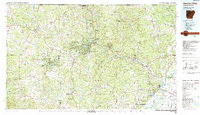 1983 Cherokee Village1983 Print · USGSThe Ozark foothills and river valleys of Northeast Arkansas are captured in the early eighties as modern planned communities began to reshape the landscape. Genealogists and historians can trace family-named ridges and schools across Evening Shade, Melbourne, and the rail junction at Hoxie.
 - 2011 Map of Hardy, 2011 Print
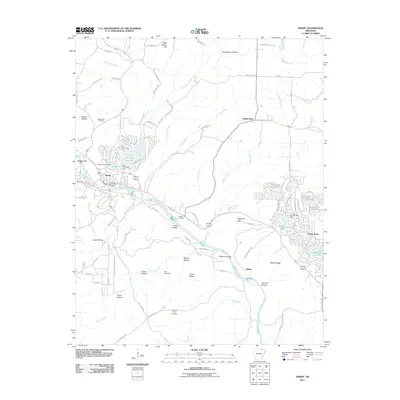 2011 Hardy2011 Print · USGSThe Sharp County foothills in the early twenty-first century are defined by the Spring River and numerous resort lakes. Genealogists can locate family sites at Walker Cemetery or Hall Cemetery while tracing growth in Hardy and Ozark Acres.
 - 2014 Map of Hardy, 2014 Print
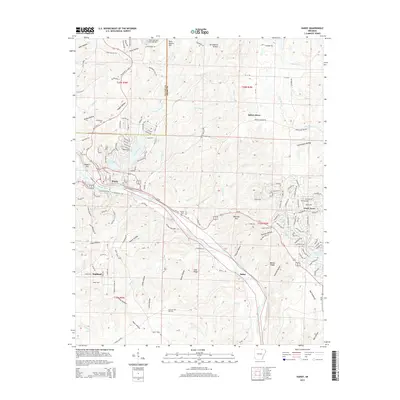 2014 Hardy2014 Print · USGSHardy and Highland sit along the Spring River in the early twenty-first century, a landscape of ridges and recreational lakes. Researchers can trace family sites at Richardson Cem or Walker Cem and locate historic landmarks like Sellers Store.
 - 2017 Map of Hardy, 2017 Print
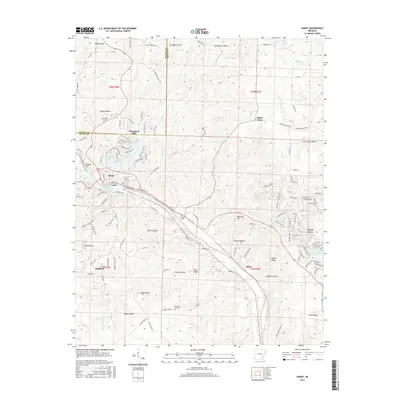 2017 Hardy2017 Print · USGSThe Spring River valley in the mid-2010s shows a landscape defined by traditional Ozark settlements and recreational lakes. Researchers can locate several burial grounds like Walker Cem and tracing residential growth around Vagabond Lake and Hardy.
 - 2020 Map of Hardy, 2020 Print
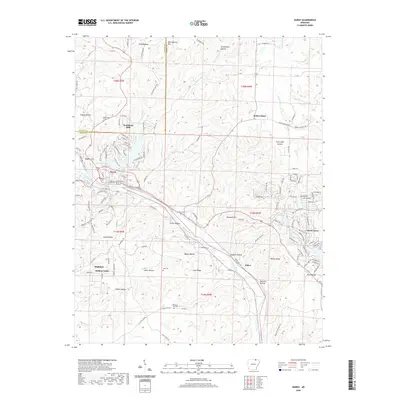 2020 Hardy2020 Print · USGSSharp County’s riverfront communities and rugged hollows are documented here at the start of the 2020s. Researchers can locate family burial sites at Richardson Cem, trace the course of the Spring River, and explore the residential growth of Hardy and Ozark Acres.
 - 2024 Map of Hardy, 2024 Print
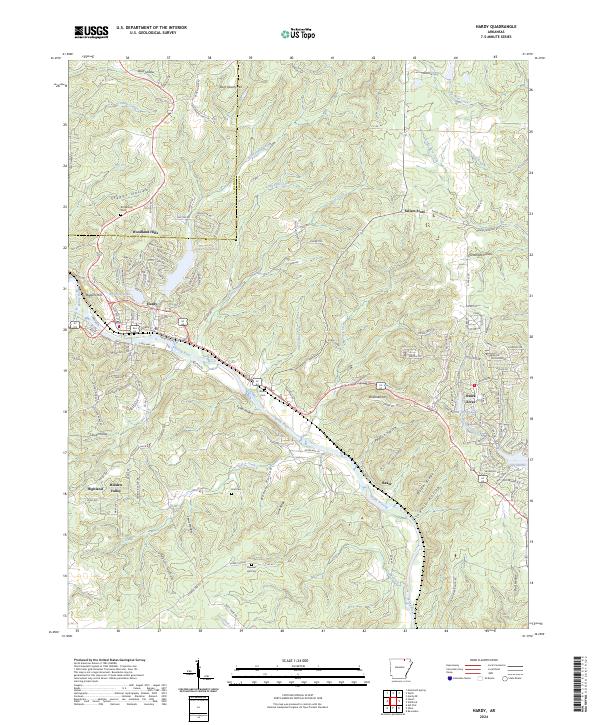 2024 Hardy2024 Print · USGSThe Sharp and Fulton County line comes alive in this contemporary view of the northern Ozarks. Local historians can trace family roots at Richardson Cem or explore the development of Hardy and Ozark Acres along the winding Spring River.
End of results
Showing maps 1-10 of 10
Top cities near Baker
- Cherokee Village historical maps
- Ash Flat historical maps
- Highland historical maps
- Mammoth Spring historical maps
- Hardy historical maps
- Imboden historical maps
See more
Frequently asked questions
- What are the different types of historical maps available for Baker?
- What is the oldest map of Baker?
- Where can I purchase historical maps of Baker for my home or office?
- Where can I download high-res historical maps of Baker?
- Are there historical topographic maps available for Baker?
- Is there historical aerial imagery available for Baker?
- Where are historical maps of Baker sourced from?