Old Maps of Stillwater, Arkansas
Explore 13 old maps of Stillwater, spanning from 1890 to today. These high-resolution historic maps reveal how streets, neighborhoods, landmarks, and natural features evolved over time — perfect for genealogy, metal detecting, research, and local history exploration.
What you can do with these maps:
- See how Stillwater changed over time: Compare historical maps to modern-day views to trace roads, homesites, rail lines & more.
- View detailed metadata: Each map includes creators, publishers, year, scale, and archive source.
- Overlay maps with satellite & LiDAR: Visualize the past alongside modern tools to explore terrain & human change.
- Trusted historical sources: Maps sourced from the USGS, Library of Congress, and other archives.
- Access maps your way: View online, download high-res files, or order prints for personal or research use.
Start exploring old maps of Stillwater to uncover forgotten places, hidden landmarks, and the deep history beneath your feet.
Stillwater, AR maps
(13)- 1890 Map of Hot Springs
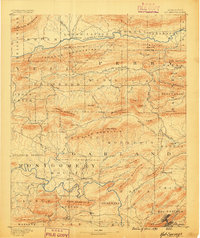 1890 Hot Springs1890 Print · USGSThe Ouachita and Fourche La Fave river valleys are mapped here in the late nineteenth century, showing a landscape of isolated mountain settlements. Researchers can trace early family sites near Buckville, Cedar Glades, and the nascent streets of Hot Springs.
 - 1894 Map of Hot Springs
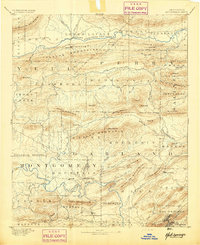 1894 Hot Springs1894 Print · USGSThe thermal waters of Hot Springs and the surrounding Ouachita wilderness appear here in the decade before the region’s twentieth-century expansion. Genealogists can trace early homesteading locations and vanished rural hubs like Buckville, Cedar Glades, and Wards Crossing.5 unique versions available
 - 1955 Map of Little Rock, 1978 Print
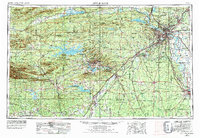 1955 Little Rock1978 Print · USGSCentral Arkansas in the mid-fifties exhibits a landscape of growing cities, massive military installations, and mountain reservoirs. Genealogists and historians can trace the industrial Bauxite Mines, regional rail lines, and local landmarks like Antioch Church.
 - 1956 Map of Little Rock
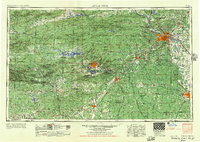 1956 Little Rock1956 Print · USGSCentral Arkansas in the mid-fifties shows a landscape defined by burgeoning military bases and the timber-and-mineral wealth of the Ouachitas. Genealogists and researchers can trace old rail lines like the Missouri Pacific and find established communities such as Bauxite, Sheridan, and Mabelvale.
 - 1960 Map of Little Rock
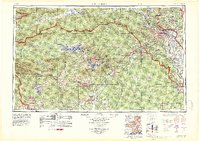 1960 Little Rock1960 Print · USGSCentral Arkansas in the late fifties shows a landscape of growing military bases and massive new reservoirs. Local historians can trace the mid-century expansion of Little Rock and Hot Springs alongside the industrial works at Bauxite and the Pine Bluff Arsenal.
 - 1964 Map of Little Rock
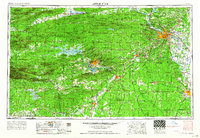 1964 Little Rock1964 Print · USGSCentral Arkansas in the mid-sixties is a landscape of mountain ridges, industrial rail lines, and growing military hubs. Researchers can trace the development of Bauxite and Hot Springs or locate rural landmarks like Sparkman and the Pine Bluff Arsenal.
 - 1968 Map of Onyx, 1970 Print
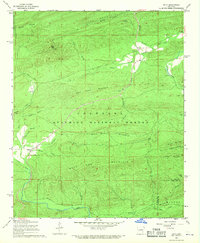 1968 Onyx1970 Print · USGSIn the late sixties, the timbered ridges and river valleys of Yell and Garland counties remained a terrain of remote settlements and forest lookouts. Researchers can trace the family sites at Ballew Cem, follow the Onyx Trail, or locate the rural communities of Onyx and Aly.2 unique versions available
 - 1982 Map of Lake Ouachita
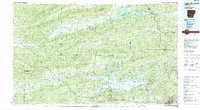 1982 Lake Ouachita1982 Print · USGSThe Ouachita Mountains of West Central Arkansas are shown here during the early eighties, a time of established recreation and protected timberlands. Researchers can locate small communities like Buckville (PO) and Pencil Bluff or trace the drainage of the Fourche La Fave River.
 - 2011 Map of Onyx, 2011 Print
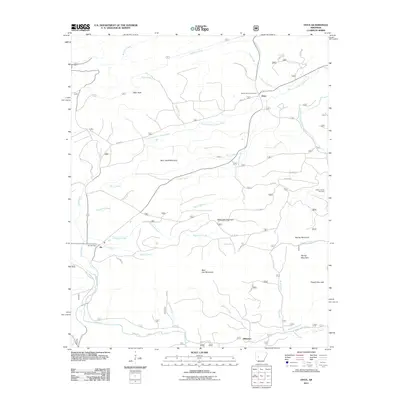 2011 Onyx2011 Print · USGSYell County's forested ridges and river valleys are captured here in the early twenty-first century, showing the remote character of the Arkansas highlands. Genealogists and hikers can locate family burial grounds like the Keener Family Cemetery or trace the winding Onyx Trl and South Fourche LaFave River.
 - 2014 Map of Onyx, 2014 Print
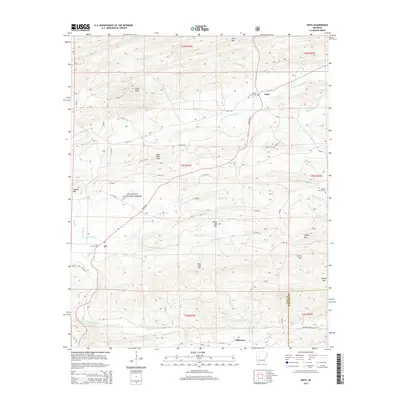 2014 Onyx2014 Print · USGSYell County's forested ridges and river valleys are documented here during the early twenty-first century. Genealogists and local historians can locate small family sites like Ballew Family Cem and the settlements of Onyx and Stillwater.
 - 2017 Map of Onyx, 2017 Print
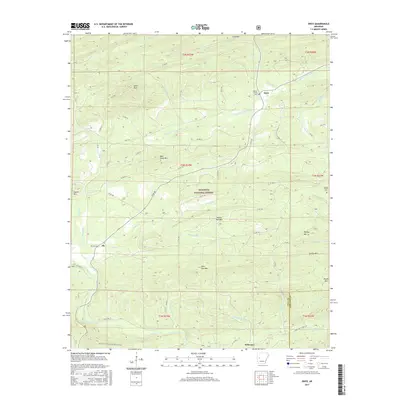 2017 Onyx2017 Print · USGSThe high peaks and river valleys of the Arkansas Ouachitas are documented here in the early twenty-first century. Researchers can locate family landmarks such as the Aly Cem and Ballew Family Cem or trace the S Fourche LaFave River.
 - 2020 Map of Onyx, 2020 Print
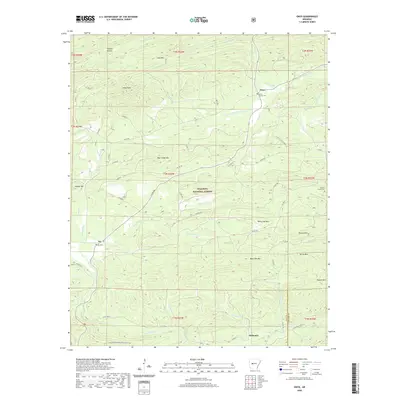 2020 Onyx2020 Print · USGSThe Yell County backcountry comes into focus during this era, showing the intersection of mountain life and the Ouachita National Forest. Genealogists can locate family landmarks such as the Keener Family Cem and the small settlements of Onyx and Aly.
 - 2024 Map of Onyx, 2024 Print
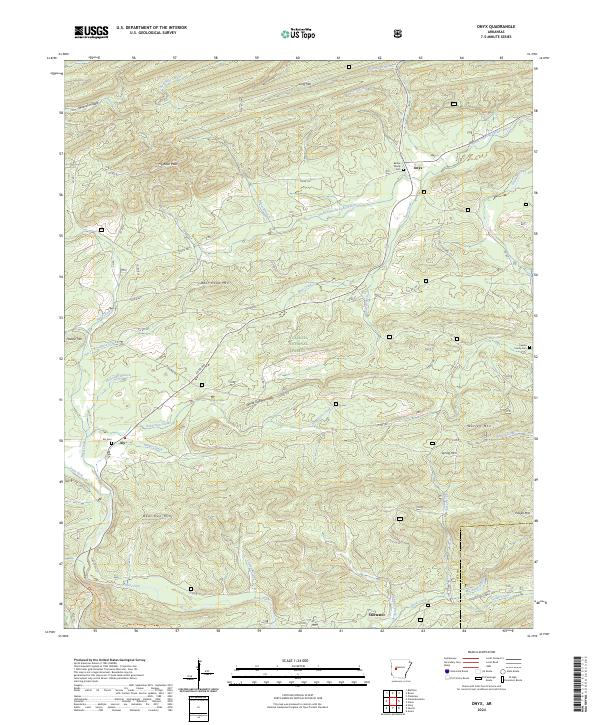 2024 Onyx2024 Print · USGSThe Ouachita National Forest terrain of the 2020s shows a landscape of isolated mountain settlements and family legacies. Genealogists can trace family footprints at the Ballew Family Cem and Aly Cem near the banks of the South Fourche LaFave River.
End of results
Showing maps 1-13 of 13
Top cities near Stillwater
Frequently asked questions
- What are the different types of historical maps available for Stillwater?
- What is the oldest map of Stillwater?
- Where can I purchase historical maps of Stillwater for my home or office?
- Where can I download high-res historical maps of Stillwater?
- Are there historical topographic maps available for Stillwater?
- Is there historical aerial imagery available for Stillwater?
- Where are historical maps of Stillwater sourced from?