Old Maps of Westside, California for Hiking & Exploration
Hike through history with 15 historic maps of Westside. Explore old trails, ghost towns, and forgotten backroads — perfect for outdoor adventurers and local explorers.
- Rediscover forgotten places: Map out old mining camps, roads, and footpaths that no longer exist on modern maps.
- Layer with modern tools: Combine with LiDAR or satellite views to plan hikes through historical terrain.
- Made for exploration: Popular among hikers, overlanders, and local history lovers.
Use these maps to find adventure and explore the hidden past of Westside.
Westside, CA maps
(15)- 1912 Map of Coalinga
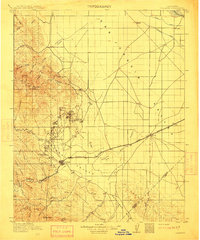 1912 Coalinga1912 Print · USGSThe western San Joaquin Valley comes into focus in the early twentieth century as oil and rail transform the landscape. Genealogists and historians can trace the industrial roots of Oilfields and Coalinga or locate the San Joaquin Valley Coal Mine.4 unique versions available
 - 1931 Map of Towne Oil Station
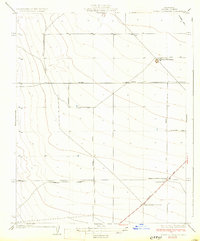 1931 Towne Oil Station1931 Print · USGSFresno County agriculture and early oil infrastructure are mapped here during the late 1920s. Researchers can trace the development of Towne Oil Station, the Westside Sch, and commercial operations like Kings County Dev Co Farm No 1.2 unique versions available
 - 1948 Map of Santa Cruz
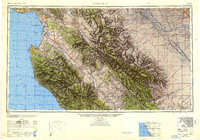 1948 Santa Cruz1948 Print · USGSThe Central Coast and San Joaquin Valley meet in this mid-century look at the region's agricultural and military geography. Genealogists and historians can trace the paths of El Camino Real, locate family farms near Hollister, or study the footprint of the Fort Ord Military Reservation.2 unique versions available
 - 1950 Map of Towne Oil Station
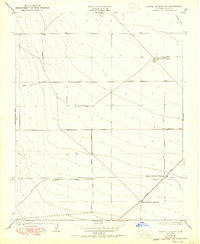 1950 Towne Oil Station1950 Print · USGSFresno County at mid-century reveals a landscape of industrial farming and oil-related infrastructure. Researchers can trace the development of the valley through Towne Oil Station, the Westside Sch, and the holdings of the Kings County Dev Co Farm No 1.
 - 1955 Map of Santa Cruz
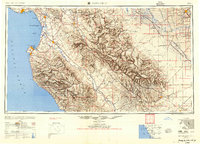 1955 Santa Cruz1955 Print · USGSCoastal Monterey Bay and the fertile Salinas Valley are captured here during the post-war expansion of the mid-fifties. Researchers can trace the era's rail-and-road network via the Southern Pacific lines and find landmarks like Fort Ord or the Lonoak School.
 - 1956 Map of Westside, 1957 Print
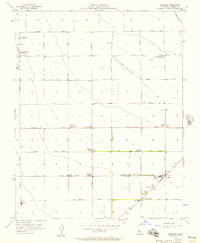 1956 Westside1957 Print · USGSIn the mid-fifties, this Fresno County landscape reveals a grid of large-scale agriculture and early oil infrastructure. Researchers can trace the footprints of family operations like Harnish Ranch or locate the Westside School and the Towne Oil Station (Abandoned).2 unique versions available
 - 1957 Map of Santa Cruz
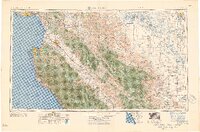 1957 Santa Cruz1957 Print · USGSCentral California comes into sharp focus during the late fifties, from the fog-swept Monterey Bay to the sun-drenched San Joaquin Valley. Genealogists and historians can trace the mid-century footprints of Fort Ord Military Reservation, the Southern Pacific line, and the historic streets of San Juan Bautista.
 - 1958 Map of Santa Cruz
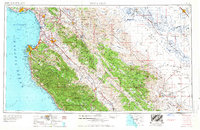 1958 Santa Cruz1958 Print · USGSCoastal California and the central valleys are shown during the mid-fifties, capturing a landscape of massive military reserves and vital rail arteries. Genealogists and historians can trace the Southern Pacific line through Salinas or explore the early footprints of the Fort Ord Military Reservation and San Juan Bautista.2 unique versions available
 - 1965 Map of Santa Cruz, 1968 Print
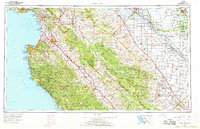 1965 Santa Cruz1968 Print · USGSThe Central Coast and San Joaquin Valley meet here during the mid-sixties, capturing the growth of agricultural and coastal hubs. Trace the historic Southern Pacific RR lines and locate sites like the Presidio of Monterey or Pinnacles National Monument.
 - 1974 Map of Monterey, 1977 Print
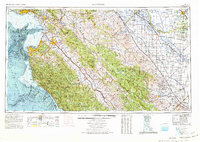 1974 Monterey1977 Print · USGSThe Central Coast and San Joaquin Valley meet in this mid-seventies survey of the Monterey region. Genealogists and historians can locate Spanish-era sites like the San Antonio de Padua Mission, early industrial markers such as the New Idria Mine, and coastal landmarks like the Point Sur Lighthouse.
 - 1987 Map of Coalinga
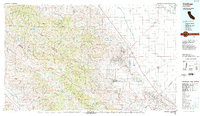 1987 Coalinga1987 Print · USGSCentral California's rugged interior and industrial valleys come into focus in the late eighties. Researchers can trace the massive Coalinga Oil Field, follow the Southern Pacific rail lines, and locate remote outposts like Idria and Lonoak.
 - 2012 Map of Westside, 2012 Print
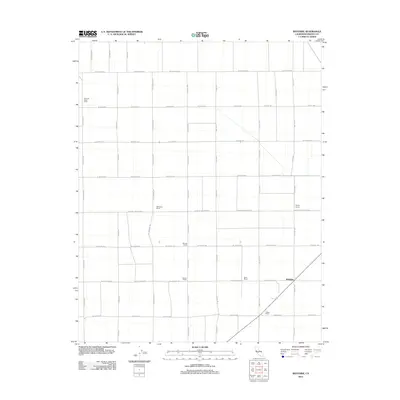 2012 Westside2012 Print · USGSAgricultural development in Fresno County is shown at its modern peak on this 2012 map. Researchers can trace the layout of large family-named estates and farming operations like Vista del Llano Farms, O'Neill Ranch, and Airway Farms.
 - 2015 Map of Westside, 2015 Print
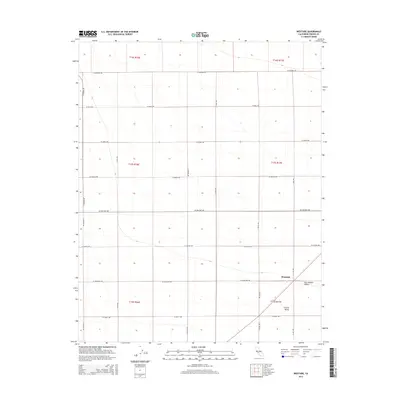 2015 Westside2015 Print · USGSFresno County's agricultural interior is captured in the mid-2010s, showing the rigid grid of the San Joaquin Valley. Researchers can trace the intersections of major rural corridors like Mt Whitney Ave and W Excelsior Ave near the settlement of Westside.
 - 2018 Map of Westside, 2018 Print
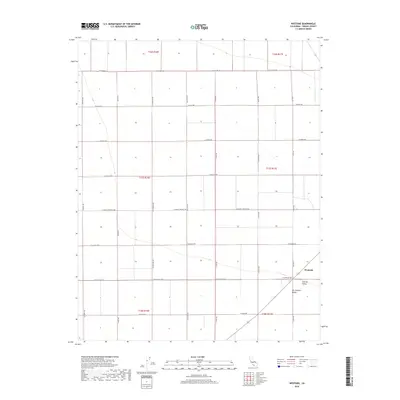 2018 Westside2018 Print · USGSThe San Joaquin Valley interior is captured here as a vast grid of agricultural development and rural infrastructure. Researchers can trace the layout of early 21st-century farming through the small hub at Westside and major arteries like W Mount Whitney Ave.
 - 2021 Map of Westside, 2021 Print
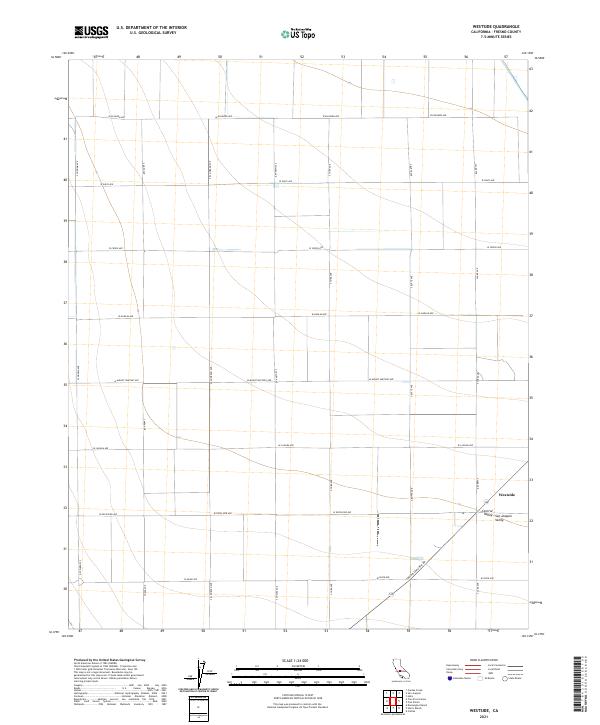 2021 Westside2021 Print · USGSThe agricultural heart of the San Joaquin Valley is captured here in the early twenty-first century, showing the rigid grid of Fresno County's ranch lands. Local researchers can trace the intersection of irrigation and transport along Fresno Coalinga Rd and through the settlement of Westside.
End of results
Showing maps 1-15 of 15
Top cities near Westside
Frequently asked questions
- What are the different types of historical maps available for Westside?
- What is the oldest map of Westside?
- Where can I purchase historical maps of Westside for my home or office?
- Where can I download high-res historical maps of Westside?
- Are there historical topographic maps available for Westside?
- Is there historical aerial imagery available for Westside?
- Where are historical maps of Westside sourced from?