Old Maps of City of Industry, California for Metal Detecting
Plan your next treasure hunt with 78 historic maps of City of Industry. Find old homesites, ghost towns, trails, and gathering spots that may be lost to time — perfect for identifying promising metal detecting locations.
- Locate forgotten sites: Uncover places like long-lost settlements, abandoned rail lines, or gathering spots.
- Plan better hunts: Use map overlays combined with LiDAR or satellite views to narrow in on historically rich areas.
- Made for detectorists: Thousands of hobbyists use these maps to discover relics, coins, and hidden history.
Use these historic maps to boost your research and find new opportunities beneath the surface of City of Industry.
City of Industry, CA maps
(78)- 1894 Map of Los Angeles
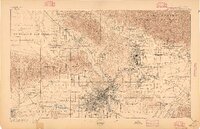 1894 Los Angeles1894 Print · USGSLos Angeles was a growing rail hub at the end of the nineteenth century, balancing its agricultural heritage with new mountain resorts. Researchers can trace early neighborhoods like Boyle Heights, find the National Soldiers Home, or follow the Mt. Lowe Hotel incline.
 - 1894 Map of Pomona, 1960 Print
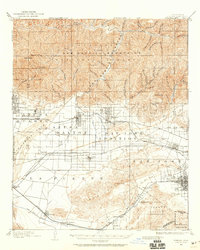 1894 Pomona1960 Print · USGSThe eastern San Gabriel Valley is shown here in the 1890s, when the orchard economy and railroads were first reshaping the landscape. Genealogists and historians can trace early settlements and rail stops like Lordsburg, Alosta, and Rowland Siding.
 - 1896 Map of Pasadena
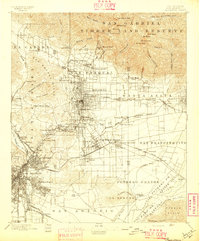 1896 Pasadena1896 Print · USGSGreater Los Angeles was a network of rail-connected resort towns and historic missions in the late nineteenth century. You can trace early transit lines to the Raymond Hotel, locate the original Mission site, and find vanished stops like Las Casetas Sta.2 unique versions available
 - 1896 Map of Anaheim
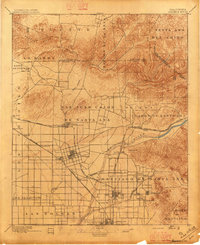 1896 Anaheim1896 Print · USGSThe Orange County basin appears here in the mid-1890s, when iron rails first connected the young citrus towns to the wider world. Genealogists and researchers can trace the early grids of Anaheim, Fullerton, and Orange alongside now-obscure rail stops like Almond and Marlboro.
 - 1897 Map of Pomona
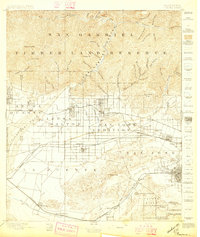 1897 Pomona1897 Print · USGSThe San Gabriel Valley is captured here in the late nineteenth century as a patchwork of citrus-growing colonies and emerging rail towns. Genealogists and historians can trace early property lines and settlements like Lordsburg, Alosta, and Spadra along the Covina Branch line.
 - 1898 Map of Pomona
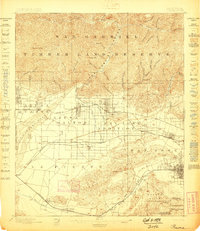 1898 Pomona1898 Print · USGSThe San Gabriel Valley is captured here during its late nineteenth-century rail boom, before the suburban expansion of the Los Angeles basin. Genealogists can trace the early streets of Pomona, Lordsburg, and San Dimas along the busy Southern Pacific Railroad.2 unique versions available
 - 1898 Map of Anaheim, 1899 Print
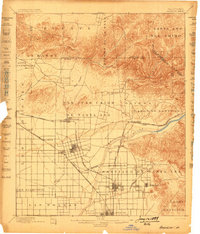 1898 Anaheim1899 Print · USGSNorthern Orange County is captured here at the height of its citrus and rail era. Genealogists and local historians can trace the early footprints of Anaheim, Fullerton, and Orange, alongside smaller vanished stops like McPherson and Almond.
 - 1900 Map of Pasadena
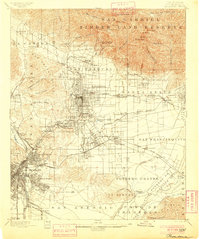 1900 Pasadena1900 Print · USGSThe San Gabriel Valley is captured here at a pivotal moment of expansion just as the rail networks reached the foothills. Researchers can trace the layout of early Pasadena and Monrovia, locate the Echo Mountain Mt. Lowe Hotel, or find the historic Mission and Raymond Hotel.10 unique versions available
 - 1900 Map of Los Angeles
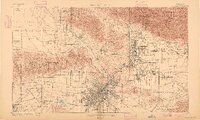 1900 Los Angeles1900 Print · USGSGreater Los Angeles was a mosaic of expansive ranchos and emerging rail towns at the turn of the century. You can trace the early footprints of Hollywood, locate the historic Soldiers Home, and follow the mountain rails to the Echo Mountain Mt. Lowe Hotel.4 unique versions available
 - 1901 Map of Southern California Sheet No. 1
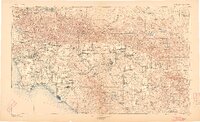 1901 Southern California Sheet No. 11901 Print · USGSGreater Los Angeles at the dawn of the twentieth century is a landscape of growing citrus towns and a burgeoning rail network. Genealogists and historians can trace the early gridded streets of Hollywood and Pasadena or locate landmarks like Bear Lake and the Cahuilla Indian Reservation.6 unique versions available
 - 1901 Map of Anaheim
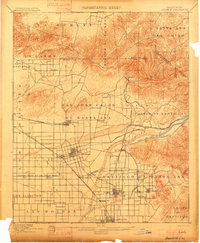 1901 Anaheim1901 Print · USGSOrange County's citrus and rail heartland is meticulously detailed at the start of the century, showing the early layouts of Anaheim and Fullerton. Genealogists can trace early homesteads and rail stops like Loara, Miraflores, and Olinda.6 unique versions available
 - 1902 Map of Corona
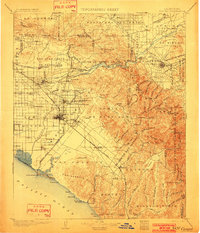 1902 Corona1902 Print · USGSThe Orange County and Riverside borderlands at the start of the 1900s show an era of rapid rail expansion and water engineering. Researchers can trace the early footprints of Anaheim and Orange or find vanished industry at the Santiago Coal Mine.7 unique versions available
 - 1904 Map of Pomona
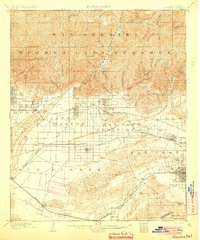 1904 Pomona1904 Print · USGSThe eastern San Gabriel Valley is shown here at the turn of the century as a burgeoning network of citrus towns and vital rail lines. Genealogists can trace early homesteads and vanished stops such as Lordsburg, Alosta, and the Rowland Siding along the Southern Pacific RR.7 unique versions available
 - 1904 Map of Southern California Sheet No. 1, 1905 Print
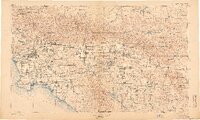 1904 Southern California Sheet No. 11905 Print · USGSSouthern California at the dawn of the twentieth century shows a landscape of citrus groves and coastal towns connected by rail. Genealogists and historians can trace early settlements like San Juan Capistrano, find remote sites like the Rose Mine, and study the original water systems of the Santa Ana River.2 unique versions available
 - 1923 Map of El Monte
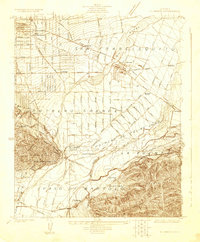 1923 El Monte1923 Print · USGSThe San Gabriel Valley was a thriving agricultural and rail corridor in the years following the Great War. You can trace early township boundaries and find the sites of rural schools and industry, from the O'Donnel Oil Refinery to the Temple School.
 - 1926 Map of El Monte
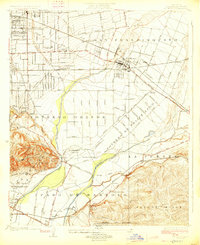 1926 El Monte1926 Print · USGSThe San Gabriel Valley in the mid-twenties shows a landscape of historic ranchos transitioning into suburban clusters along the rail lines. Genealogists and researchers can trace early homesteads and schools like Temple School or the industrial footprint of the O'Donnel Oil Refinery.2 unique versions available
 - 1927 Map of Covina
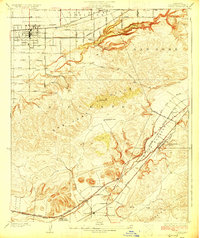 1927 Covina1927 Print · USGSThe eastern San Gabriel Valley was a thriving agricultural and transit hub in the 1920s, dominated by orchards and sprawling ranch lands. Genealogists can trace family roots through settlements like Covina, the Diamond Bar Ranch, and the Protestant Home for Boys.3 unique versions available
 - 1927 Map of Puente
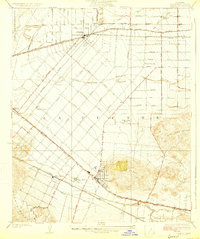 1927 Puente1927 Print · USGSThe San Gabriel Valley is shown in the late twenties during its era of agricultural prominence and early rail expansion. Genealogists can trace family tracts and rural community centers like Fellowship Farm, Temple Ranch, and the West Covina School.2 unique versions available
 - 1927 Map of La Habra
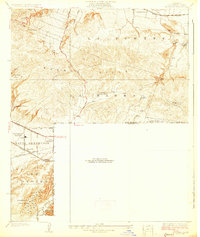 1927 La Habra1927 Print · USGSSouthern California ranching meets the oil boom in the late twenties as the petroleum industry reshapes the landscape. Genealogists can locate family holdings like Grazide Ranch or trace local education at Lowell Joint School and Rowland School.2 unique versions available
 - 1928 Map of La Brea
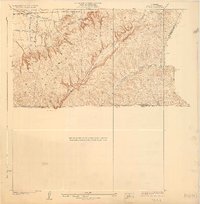 1928 La Brea1928 Print · USGSThe hills of Eastern Los Angeles County are captured here in the late twenties during a period of expanding ranching and early oil exploration. Genealogists and historians can trace family-named sites like Silver Peak Ranch, local landmarks such as Fairview School, and the path of the Union Pacific Railroad.3 unique versions available
 - 1935 Map of Coyote Hills
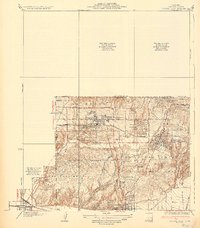 1935 Coyote Hills1935 Print · USGSThe Orange and Los Angeles county line comes alive in the 1930s as citrus ranches and oil infrastructure began to reshape the Coyote Hills. Researchers can trace the early footprints of Brea, the expansive Bastonchury Ranch, and the Union Oil Tank Farm.2 unique versions available
 - 1935 Map of Olinda
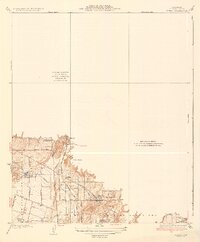 1935 Olinda1935 Print · USGSOrange County in the mid-1930s shows an evolving landscape of rail lines and irrigation networks. Genealogists and local historians can trace the early footprints of Yorba Linda and Placentia, or locate defunct rail stops like Loftus and Carlton.
 - 1942 Map of Anaheim
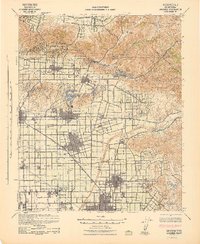 1942 Anaheim1942 Print · USGSOrange County's agricultural heart is captured mid-century during a period of rapid wartime development. Genealogists can locate family landmarks like Diamond Bar Ranch, local schools such as Alamitos Sch, and communities like Garden Grove or Stanton.2 unique versions available
 - 1947 Map of Santa Ana, 1949 Print
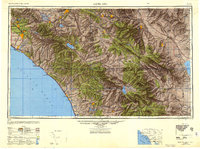 1947 Santa Ana1949 Print · USGSSouthern California is depicted here in the late forties, showing the expansion of the Inland Empire and the Orange County coast. Researchers can trace the early layout of Palm Springs or locate long-standing tribal lands like the Pala Indian Reservation and Rincon Indian Res.
 - 1948 Map of El Monte
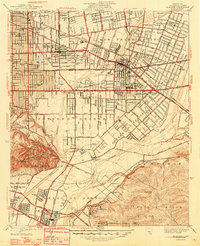 1948 El Monte1948 Print · USGSThe San Gabriel Valley is shown in the late 1940s as citrus groves gave way to mid-century neighborhoods. Genealogists can trace family roots through numerous local landmarks, including the Rosemead Lodge Sanitarium, Savannah Sch, and Rose Hill Memorial Park.
Showing maps 1-25 of 78
Top cities near City of Industry
- Los Angeles historical maps
- Long Beach historical maps
- Anaheim historical maps
- Garden Grove historical maps
- Pomona historical maps
- Pasadena historical maps
See more
Top neighborhoods of City of Industry
Frequently asked questions
- What are the different types of historical maps available for City of Industry?
- What is the oldest map of City of Industry?
- Where can I purchase historical maps of City of Industry for my home or office?
- Where can I download high-res historical maps of City of Industry?
- Are there historical topographic maps available for City of Industry?
- Is there historical aerial imagery available for City of Industry?
- Where are historical maps of City of Industry sourced from?