Old Maps of La Fetra, Glendora
Explore 24 old maps of La Fetra, spanning from 1894 to today. These high-resolution historic maps reveal how streets, neighborhoods, landmarks, and natural features evolved over time — perfect for genealogy, metal detecting, research, and local history exploration.
What you can do with these maps:
- See how La Fetra changed over time: Compare historical maps to modern-day views to trace roads, homesites, rail lines & more.
- View detailed metadata: Each map includes creators, publishers, year, scale, and archive source.
- Overlay maps with satellite & LiDAR: Visualize the past alongside modern tools to explore terrain & human change.
- Trusted historical sources: Maps sourced from the USGS, Library of Congress, and other archives.
- Access maps your way: View online, download high-res files, or order prints for personal or research use.
Start exploring old maps of La Fetra to uncover forgotten places, hidden landmarks, and the deep history beneath your feet.
La Fetra, Glendora maps
(24)- 1894 Map of Pomona, 1960 Print
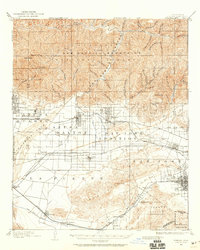 1894 Pomona1960 Print · USGSThe eastern San Gabriel Valley is shown here in the 1890s, when the orchard economy and railroads were first reshaping the landscape. Genealogists and historians can trace early settlements and rail stops like Lordsburg, Alosta, and Rowland Siding.
 - 1897 Map of Pomona
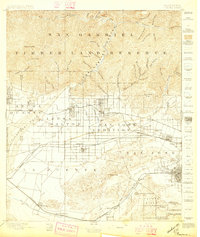 1897 Pomona1897 Print · USGSThe San Gabriel Valley is captured here in the late nineteenth century as a patchwork of citrus-growing colonies and emerging rail towns. Genealogists and historians can trace early property lines and settlements like Lordsburg, Alosta, and Spadra along the Covina Branch line.
 - 1898 Map of Pomona
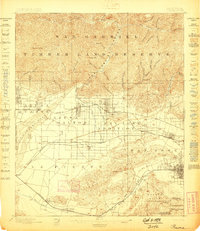 1898 Pomona1898 Print · USGSThe San Gabriel Valley is captured here during its late nineteenth-century rail boom, before the suburban expansion of the Los Angeles basin. Genealogists can trace the early streets of Pomona, Lordsburg, and San Dimas along the busy Southern Pacific Railroad.2 unique versions available
 - 1901 Map of Southern California Sheet No. 1
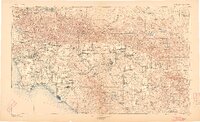 1901 Southern California Sheet No. 11901 Print · USGSGreater Los Angeles at the dawn of the twentieth century is a landscape of growing citrus towns and a burgeoning rail network. Genealogists and historians can trace the early gridded streets of Hollywood and Pasadena or locate landmarks like Bear Lake and the Cahuilla Indian Reservation.6 unique versions available
 - 1904 Map of Pomona
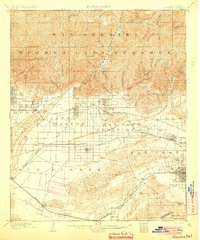 1904 Pomona1904 Print · USGSThe eastern San Gabriel Valley is shown here at the turn of the century as a burgeoning network of citrus towns and vital rail lines. Genealogists can trace early homesteads and vanished stops such as Lordsburg, Alosta, and the Rowland Siding along the Southern Pacific RR.7 unique versions available
 - 1904 Map of Southern California Sheet No. 1, 1905 Print
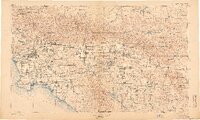 1904 Southern California Sheet No. 11905 Print · USGSSouthern California at the dawn of the twentieth century shows a landscape of citrus groves and coastal towns connected by rail. Genealogists and historians can trace early settlements like San Juan Capistrano, find remote sites like the Rose Mine, and study the original water systems of the Santa Ana River.2 unique versions available
 - 1927 Map of Glendora
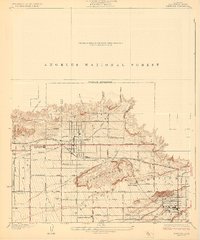 1927 Glendora1927 Print · USGSThe citrus-growing region of eastern Los Angeles County is captured here in the late twenties, showing the intersection of agricultural wealth and new mountain management. Genealogists and researchers can trace property lines near Glendora and San Dimas using landmarks like Citrus Union High School and the Pacific Electric rail line.2 unique versions available
 - 1933 Map of Glendora
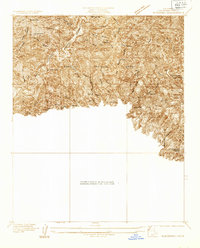 1933 Glendora1933 Print · USGSThe San Gabriel Mountains come into focus during the early 1930s as vital water infrastructure begins to reshape the canyons. Researchers can trace early engineering feats at Morris Dam and Big Dalton Dam or locate the Kelsey Mine.
 - 1939 Map of Glendora
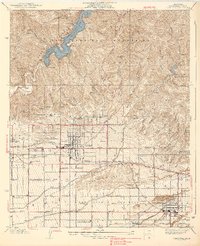 1939 Glendora1939 Print · USGSThe San Gabriel Valley is captured here during a period of transition between its agricultural roots and suburban growth in the late thirties. Researchers can trace historic rail lines like the Pacific Electric and locate vanished institutions including Carlin Military Academy and Charter Oak.3 unique versions available
 - 1953 Map of San Bernardino
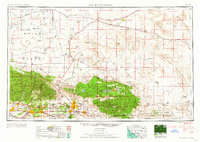 1953 San Bernardino1953 Print · USGSSouthern California underwent massive post-war growth as suburban sprawl reached the foothills of the San Bernardino Mountains. Genealogists and historians can trace the rail-and-road roots of the Inland Empire through the Union Pacific RR and Lake Arrowhead resorts.2 unique versions available
 - 1953 Map of Azusa, 1955 Print
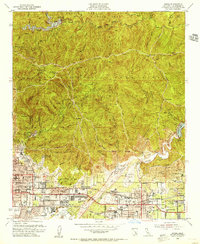 1953 Azusa1955 Print · USGSThe foothills of the San Gabriel Mountains meet the expanding suburban grids of Monrovia and Azusa during the early fifties. Local historians can trace the paths of the Pacific Electric and AT&SF RR near landmarks like Liveoak Cemetery and Westminster Gardens.2 unique versions available
 - 1956 Map of San Bernardino
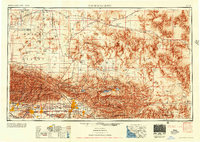 1956 San Bernardino1956 Print · USGSSouthern California's Inland Empire and High Desert come into focus in the mid-fifties as agriculture gives way to suburban and military growth. Trace early rail lines like the Pacific Electric or find remote landmarks like Camp Rock Mine and George AFB.
 - 1957 Map of San Bernardino
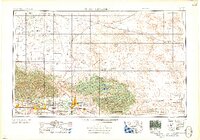 1957 San Bernardino1957 Print · USGSSouthern California's Inland Empire and High Desert met during the postwar expansion of the late fifties. Genealogists and historians can trace the growth of San Bernardino and Redlands alongside remote landmarks like Edwards AFB and the Camp Rock Mine.
 - 1958 Map of San Bernardino, 1975 Print
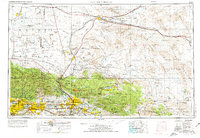 1958 San Bernardino1975 Print · USGSSouthern California’s Inland Empire and High Desert come into focus during the mid-century boom, showing the rise of suburbs and massive military installations. Researchers can trace the rail networks of the Union Pacific RR or locate landmarks like Norton AFB and Big Bear Lake.
 - 1959 Map of San Bernardino
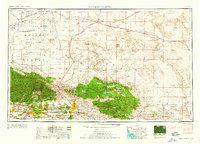 1959 San Bernardino1959 Print · USGSSouthern California underwent a massive transformation in the late fifties as suburban growth and military power reshaped the desert and valley. Researchers can trace the legacy of the Union Pacific Railroad and locate early footprints of Joshua Tree National Monument and Edwards Air Force Base.
 - 1966 Map of San Bernardino
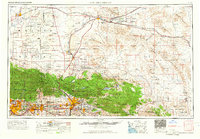 1966 San Bernardino1966 Print · USGSThe San Bernardino Valley and Mojave Desert met during a period of massive military and suburban growth in the mid-sixties. Genealogists and historians can trace the development of Edwards Air Force Base, old desert mines like the Bagdad Chase Mine, and mountain communities near Big Bear Lake.
 - 1966 Map of Azusa, 1968 Print
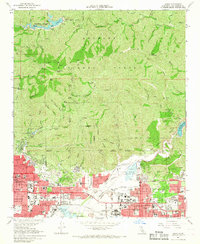 1966 Azusa1968 Print · USGSThe San Gabriel Valley was rapidly suburbanizing in the mid-1960s as residential tracts filled the space between old rail lines and the mountains. You can trace the growth of local institutions like Azusa Pacific College and the City of Hope National Medical Center near Irwindale.5 unique versions available
 - 1976 Map of Azusa
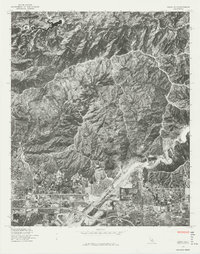 1976 Azusa1976 Print · USGSCovers La Fetra, including Glendora, Azusa, and other nearby areas
 - 1982 Map of San Bernardino, 1983 Print
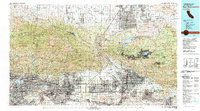 1982 San Bernardino1983 Print · USGSThe Inland Empire and San Gabriel Valley met at a peak of suburban and industrial expansion in the early eighties. Researchers can trace the massive rail infrastructure through Cajon Pass and locate landmarks like Norton Air Force Base or the Fontana International Raceway.
 - 1995 Map of Azusa, 1999 Print
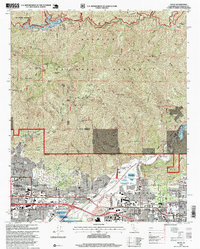 1995 Azusa1999 Print · USGSThe foothill communities of the San Gabriel Valley meet the wilderness in the mid-1990s, showcasing a landscape of suburban growth and rugged forest. Researchers can locate long-standing institutions like Azusa Pacific University, the City of Hope National Medical Center, and the historic Liveoak Cemetery.
 - 2012 Map of Azusa, 2012 Print
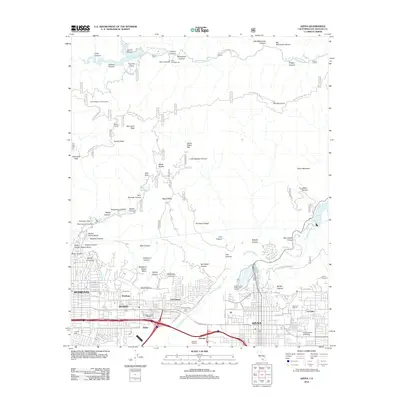 2012 Azusa2012 Print · USGSThe San Gabriel Valley meets the mountain front in the early 2010s, showing the dense growth of Azusa and Duarte. Researchers can trace local institutions like Azusa Pacific University, the Irwindale Raceway, and the historic Liveoak Cem.
 - 2015 Map of Azusa, 2015 Print
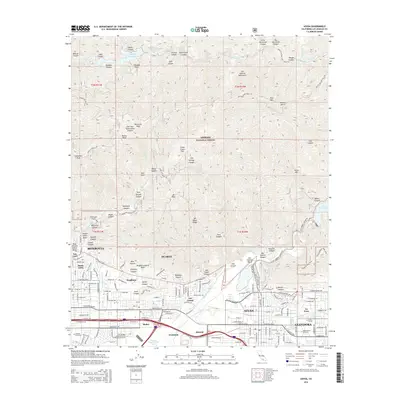 2015 Azusa2015 Print · USGSThe northern edge of the San Gabriel Valley met the mountain wilderness during this mid-decade survey. Researchers can trace the development of Monrovia and Azusa alongside institutions like Citrus College and the Liveoak Cemetery.
 - 2018 Map of Azusa, 2018 Print
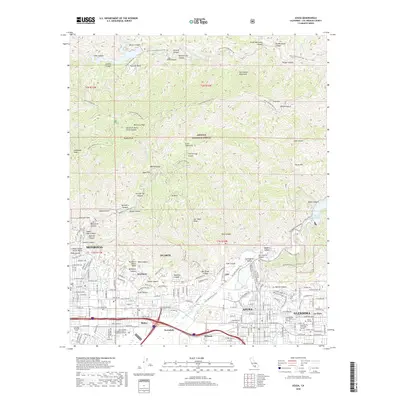 2018 Azusa2018 Print · USGSThe San Gabriel Valley foothills and high peaks are captured here in the late 2010s. Researchers can trace the wildland-urban interface from Azusa and Glendora up to landmarks like Mt Bliss and the Morris Reservoir.
 - 2021 Map of Azusa, 2021 Print
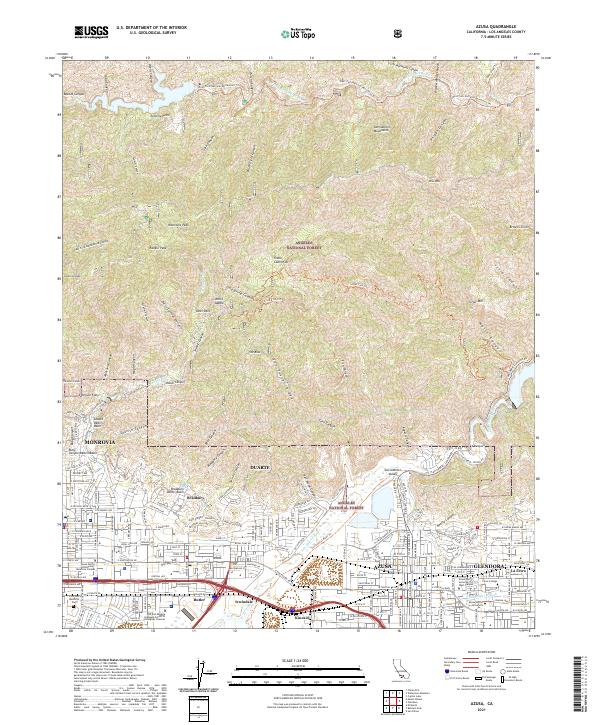 2021 Azusa2021 Print · USGSThe northern reaches of the San Gabriel Valley meet the steep foothills of the Angeles National Forest in this 2021 study. Genealogists and historians can trace the development of the foothill communities, finding landmarks like Live Oak Memorial Park, Citrus College, and the rail-side settlement of Kincaid.
End of results
Showing maps 1-24 of 24
Top cities near La Fetra
- Ontario historical maps
- Pomona historical maps
- Corona historical maps
- Pasadena historical maps
- Fullerton historical maps
- Downey historical maps
See more
Frequently asked questions
- What are the different types of historical maps available for La Fetra?
- What is the oldest map of La Fetra?
- Where can I purchase historical maps of La Fetra for my home or office?
- Where can I download high-res historical maps of La Fetra?
- Are there historical topographic maps available for La Fetra?
- Is there historical aerial imagery available for La Fetra?
- Where are historical maps of La Fetra sourced from?