Old Maps of Plumas Eureka, California for Academic Research
Study the evolution of Plumas Eureka with 17 high-resolution historic maps. Whether you're teaching, researching, or modeling changes in land use, these maps provide essential visual documentation of urban, environmental, and geographic change.
- Analyze long-term change: Track patterns in development, transportation, and natural features.
- Ideal for environmental or urban studies: Support academic projects with primary historical map data.
- Use in the classroom or lab: Educators and researchers rely on these maps to bring historical context to life.
These maps are a powerful tool for teaching, research, and visualizing how Plumas Eureka has changed over the decades.
Plumas Eureka, CA maps
(17)- 1891 Map of Downieville
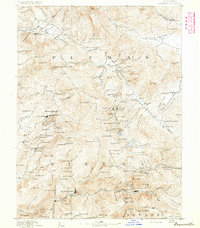 1891 Downieville1891 Print · USGSThe gold-bearing ridges of the Northern Sierra come alive in the 1890s, when mining camps and high-country ranches defined the local economy. Researchers can trace the Sierra Turnpike and locate historic claims like the Empire Mine or the settlement of Whiskey Diggings.
 - 1893 Map of Downieville
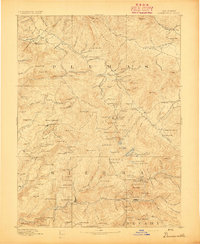 1893 Downieville1893 Print · USGSThe northern Sierra Nevada's gold country is revealed here during its late nineteenth-century mining peak. Researchers can trace historic claims and family outposts from Whiskey Diggings and Poker Flat to the Plumas Eureka mine.
 - 1895 Map of Downieville
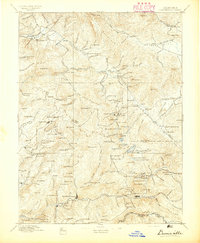 1895 Downieville1895 Print · USGSThe high Sierra mining districts of the 1890s are captured here during a peak era of resource extraction. Researchers can trace historic gold camps and industrial sites like Whiskey Diggings, the Plumas Eureka mine, and Poker Flat.
 - 1896 Map of Downieville
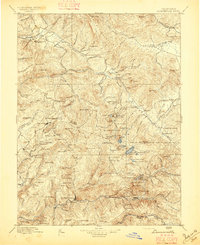 1896 Downieville1896 Print · USGSThe northern Sierra Nevada comes alive in this 1890s survey of the Feather and Yuba River watersheds. Genealogists and historians can trace gold-rush era settlements from Quincy to Downieville, locating historic sites like Whiskey Diggings and the Empire Mine.
 - 1897 Map of Downieville
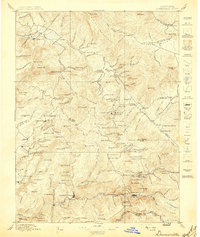 1897 Downieville1897 Print · USGSThe northern Sierra Nevada's rugged gold country comes to life in the late nineteenth century, showing the dense network of camps and mines around Downieville. Researchers can trace the exact locations of historic operations like the Young America Mine and long-standing settlements like Howland Flat and Quincy.7 unique versions available
 - 1937 Map of Blairsden
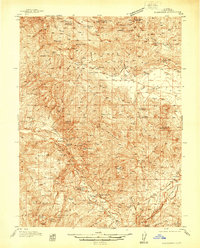 1937 Blairsden1937 Print · USGSPlumas County mining and timber operations are captured in detail during the late 1930s. Researchers can trace the industrial Aerial Tramway routes and locate remote mountain camps like Nye Meadows and Midway House.
 - 1943 Map of Blairsden
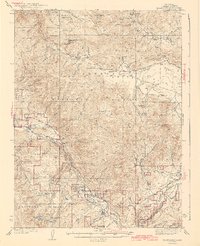 1943 Blairsden1943 Print · USGSThe High Sierra timber and mining districts are in full operation during the late 1930s as rail lines penetrate the mountain canyons. Genealogists and historians can trace industrial sites like Walkermine and the Plumas Eureka Mine or early lodges like Camp Wieland Feather River Lodge.3 unique versions available
 - 1956 Map of Blairsden, 1957 Print
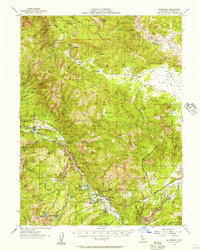 1956 Blairsden1957 Print · USGSIn the mid-fifties, the Plumas County mountains were a working landscape of timber mills and mining camps. Trace the Western Pacific rail line through Sloat or locate mountain landmarks like Walkermine (Site) and Johnsville.4 unique versions available
 - 1958 Map of Chico, 1962 Print
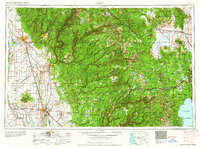 1958 Chico1962 Print · USGSMid-century Northern California comes to life across the Central Valley and high Sierras as the postwar economy transformed the landscape. Trace the rail lines of the Southern Pacific RR, locate family roots near Chico Cem, or explore the early layout of Paradise and Beale Air Force Base.4 unique versions available
 - 1960 Map of Chico
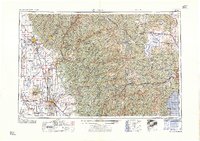 1960 Chico1960 Print · USGSThe Northern California high country and Sacramento Valley meet in this 1960s-era landscape of mining towns and river settlements. Trace the rail-and-water economy of the gold country through the Empire Mine, Beale Air Force Base, and the Western Pacific Railroad.
 - 1972 Map of Johnsville, 1974 Print
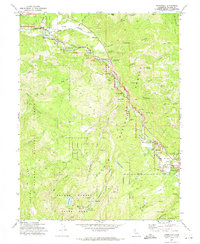 1972 Johnsville1974 Print · USGSThe Sierra Nevada mining and timber heartland of Plumas County is captured here in the early seventies as the railroad era met modern recreation. Researchers can trace the industrial legacy of Johnsville through the Mammoth Mill (Ruins) and the Squirrel Creek Mine.
 - 1979 Map of Portola, 1993 Print
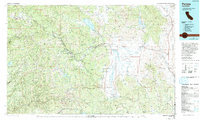 1979 Portola1993 Print · USGSThe northern Sierra Nevada and its timber-and-rail economy are captured here during the late seventies, spanning from the Feather River canyons to the high basins. Researchers can trace the path of the Western Pacific RR and locate historic hubs like Quincy, Portola, and Loyalton.2 unique versions available
 - 1994 Map of Johnsville, 1998 Print
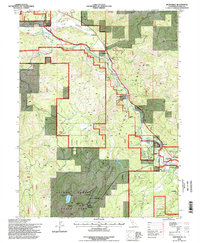 1994 Johnsville1998 Print · USGSHigh in the Sierras during the mid-nineties, this survey captures the legacy of the Gold Rush in Plumas Eureka State Park. Trace family roots and mining history at the Eureka Mill (Ruins), Cromberg Cem, and the old town of Johnsville.
 - 2012 Map of Johnsville, 2012 Print
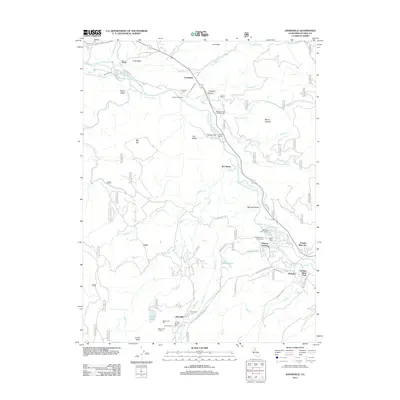 2012 Johnsville2012 Print · USGSThe Sierra Nevada mining district near the Mohawk Valley is shown here in the early twenty-first century. Genealogists and historians can trace industrial roots through the Plumas Eureka Mill, Mammoth Tunnel, and the Johnsville Cem.
 - 2015 Map of Johnsville, 2015 Print
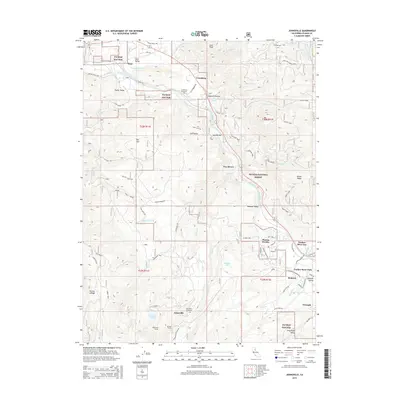 2015 Johnsville2015 Print · USGSThe mining and resort country of Plumas County is shown here in the early twenty-first century, centered on the high Sierra terrain of the Plumas National Forest. Researchers can locate historic industrial sites like the Mammoth Tunnel or trace family lineages at the Johnsville Cemetery and Cromberg.
 - 2018 Map of Johnsville, 2018 Print
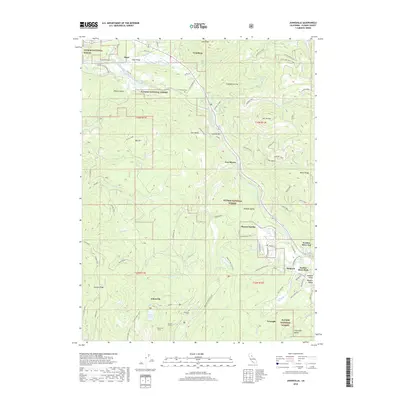 2018 Johnsville2018 Print · USGSThe Sierra Nevada high country near the Mohawk Valley is captured here in the late twenty-tens, showing a landscape defined by historic mining and modern recreation. Researchers can trace the heritage of Johnsville through its namesake Cem and nearby workings like the Eureka Tunnel.
 - 2021 Map of Johnsville, 2021 Print
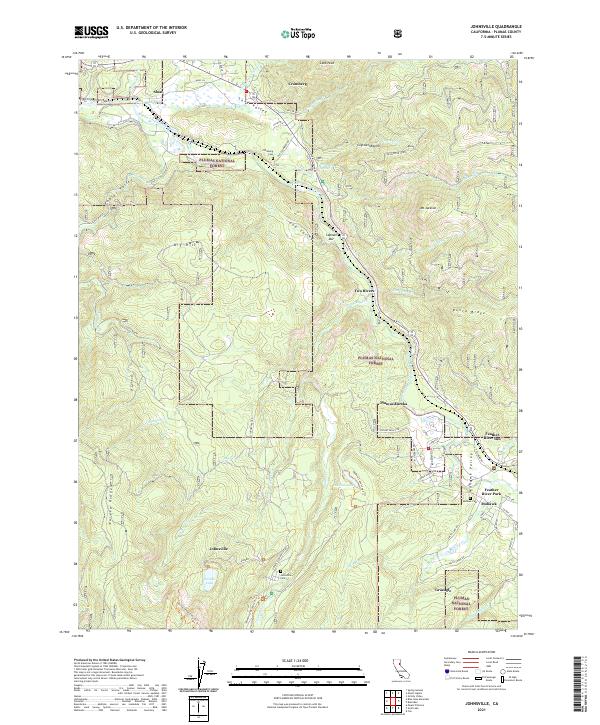 2021 Johnsville2021 Print · USGSThe northern Sierra Nevada highlands come into sharp focus in this recent survey of the Mohawk Valley and surrounding peaks. Genealogists and local historians can trace family ties at the Johnsville Cem and Mohawk Cem or explore the historic layout of Sloat and Graeagle.
End of results
Showing maps 1-17 of 17
Top cities near Plumas Eureka
Frequently asked questions
- What are the different types of historical maps available for Plumas Eureka?
- What is the oldest map of Plumas Eureka?
- Where can I purchase historical maps of Plumas Eureka for my home or office?
- Where can I download high-res historical maps of Plumas Eureka?
- Are there historical topographic maps available for Plumas Eureka?
- Is there historical aerial imagery available for Plumas Eureka?
- Where are historical maps of Plumas Eureka sourced from?