Old Maps of Rancho Cordova, California for Hiking & Exploration
Hike through history with 40 historic maps of Rancho Cordova. Explore old trails, ghost towns, and forgotten backroads — perfect for outdoor adventurers and local explorers.
- Rediscover forgotten places: Map out old mining camps, roads, and footpaths that no longer exist on modern maps.
- Layer with modern tools: Combine with LiDAR or satellite views to plan hikes through historical terrain.
- Made for exploration: Popular among hikers, overlanders, and local history lovers.
Use these maps to find adventure and explore the hidden past of Rancho Cordova.
Rancho Cordova, CA maps
(40)- 1891 Map of Sacramento
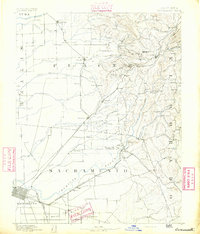 1891 Sacramento1891 Print · USGSNorthern California foothills and the valley plains emerge in the late nineteenth century as the rail-and-road network expands. Trace early family landmarks and river crossings like Mormon Island, Whitney Ranch, and the historic Rattlesnake Bridge.
 - 1892 Map of Sacramento
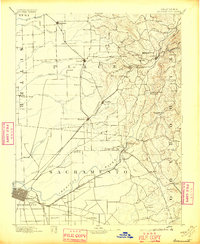 1892 Sacramento1892 Print · USGSThe rail-and-river economy of Northern California is on full display in the 1890s as the Central Pacific Railroad links the valley to the foothills. Genealogists and historians can trace early settlements like Mormon Island, Salmon Falls, and the Whitney's Ranch before modern development changed the landscape.5 unique versions available
 - 1893 Map of Sacramento, 1900 Print
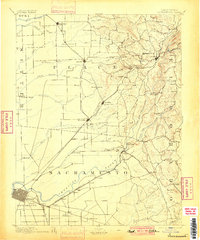 1893 Sacramento1900 Print · USGSThe Sacramento Valley and Sierra foothills come alive in this late nineteenth-century survey during the height of the railroad era. Researchers can trace the early layout of Roseville, locate family landmarks like Whitney's Ranch, or follow the Placerville Road through the gold country.
 - 1902 Map of Fairoaks
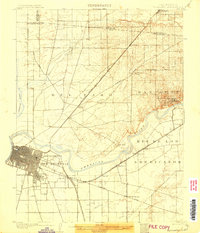 1902 Fairoaks1902 Print · USGSSacramento and its surrounding ranchlands were undergoing a rapid rail-driven transformation at the start of the century. You can trace the early street grids of Oak Park and Highland Park or locate vanished stops like Twelvemile House and Walsh Station.2 unique versions available
 - 1908 Map of Buffalo Creek
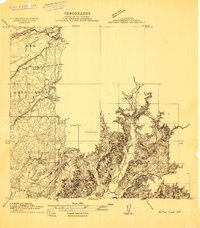 1908 Buffalo Creek1908 Print · USGSSacramento County ranching and rail history converge in this early century survey of the Rio De Los Americanos. Trace the old Sacramento and Jackson Road and find the Highland School near Deer Creek.
 - 1911 Map of Mills
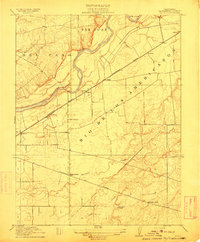 1911 Mills1911 Print · USGSSacramento County ranch lands and rail stops are captured here in the early 1900s, just as the region was developing south of the American River. Trace the old Southern Pacific corridor through historic stops like Routier, Walsh Station, and Twelvemile House.
 - 1911 Map of Antelope
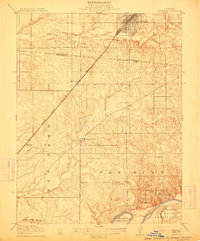 1911 Antelope1911 Print · USGSThe Placer and Sacramento county borderlands are captured here just after the turn of the century, centered on the growing rail hub at Roseville. Genealogists and local historians can trace early school districts at Sylvan and San Juan, and locate the historic Twelvemile House along the Auburn Road.
 - 1916 Map of Buffalo Creek
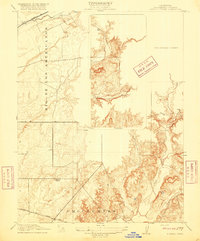 1916 Buffalo Creek1916 Print · USGSSacramento County ranch lands appear here in the early twentieth century, showing the shift from historic land grants to rural townships. Researchers can trace the Highland School and the early path of the Sacramento and Jackson Road.2 unique versions available
 - 1941 Map of Folsom, 1957 Print
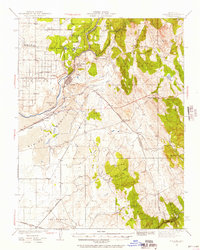 1941 Folsom1957 Print · USGSThe foothills of the Sierra Nevada meet the Central Valley in the early 1940s, showing the river and rail corridors before major reservoirs were built. Researchers can trace the original tracks of the Southern Pacific and locate historic rural hubs like Natoma, Clarksville, and Mormon Island Sch.2 unique versions available
 - 1944 Map of Folsom
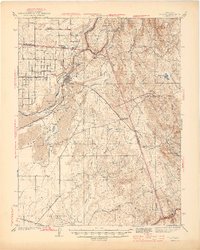 1944 Folsom1944 Print · USGSThe American River region around Folsom thrives in the early 1940s, marked by dredging bars and early rail transport before major reservoirs transformed the valley. Researchers can find many schoolhouses like Mormon Island Sch and landmarks such as the State Prison Represa.2 unique versions available
 - 1947 Map of Sacramento, 1948 Print
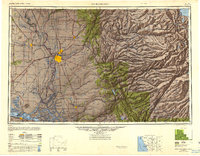 1947 Sacramento1948 Print · USGSThe Sacramento Valley meets the high Sierra during a period of post-war expansion. Trace the historic river delta islands like Grand Island or locate early airfield footprints at McClellan Air Force Base and Mather Air Force Base.2 unique versions available
 - 1948 Map of Sacramento, 1951 Print
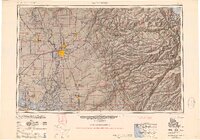 1948 Sacramento1951 Print · USGSPost-war Northern California comes alive in this regional survey, capturing the era of expansion between the Central Valley and the High Sierra. Researchers can trace the rail networks of the Central California Traction and Sacramento Northern RR or locate landmarks like the State Capitol and University of California Davis.
 - 1950 Map of Carmichael
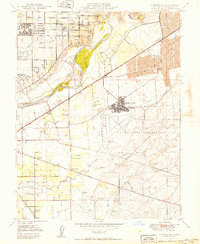 1950 Carmichael1950 Print · USGSThe Sacramento Valley landscape appears here in the years following World War II, defined by the growth of Carmichael and the presence of Mather Field. Researchers can trace early railroad stops like Walsh Station and find family landmarks including Mathew Kilgore Cem and Mayhew Ch.2 unique versions available
 - 1951 Map of Citrus Heights, 1952 Print
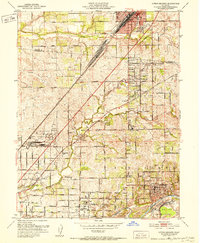 1951 Citrus Heights1952 Print · USGSNortheast of Sacramento in the early fifties, the landscape was quickly evolving from agricultural ranch lands into bustling suburbs. Genealogists and historians can trace the foundations of Citrus Heights through its early schools like Sylvan Sch and the industrial Dredge Tailings along the American River.3 unique versions available
 - 1954 Map of Carmichael, 1955 Print
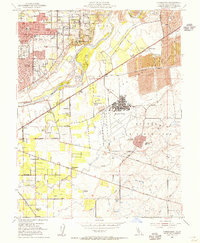 1954 Carmichael1955 Print · USGSSacramento's eastern suburbs and military installations show a region in transition during the mid-fifties. Researchers can locate family roots at the Bellevue Cemetery or trace the early industrial footprint of the Southern Pacific and the vast Dredge Tailings.3 unique versions available
 - 1954 Map of Buffalo Creek, 1955 Print
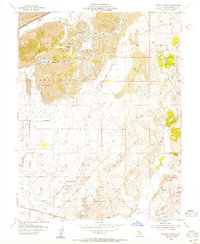 1954 Buffalo Creek1955 Print · USGSSacramento County in the mid-1950s shows a landscape still defined by gold-era industry and large land grants. Researchers can trace the massive Dredge Tailings near the Southern Pacific tracks or locate the Blodgett Reservoir and old windmill sites.2 unique versions available
 - 1954 Map of Fair Oaks, 1957 Print
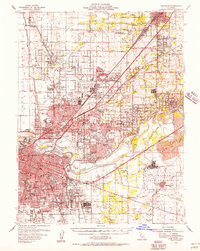 1954 Fair Oaks1957 Print · USGSSacramento and the American River suburbs underwent significant growth during the early Cold War era as military bases and new subdivisions expanded. Genealogists and historians can trace family roots through numerous schools like Grant Union HS, the St Patrick Orphanage, and small communities like Sylvan Corners.2 unique versions available
 - 1956 Map of Sacramento
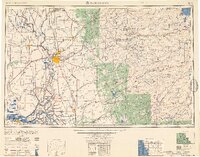 1956 Sacramento1956 Print · USGSMid-century California unfolds from the delta to the high Sierra, capturing a landscape of growing valley cities and burgeoning military airbases. Genealogists and historians can trace the rail lines and river towns from Woodland to Lodi, or explore the foothill settlements of Placerville and Jackson.2 unique versions available
 - 1957 Map of Sacramento, 1966 Print
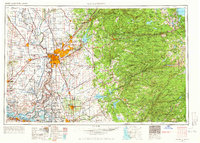 1957 Sacramento1966 Print · USGSIn the mid-twentieth century, the California heartland was a hub of river transport, rail lines, and military airbases. Genealogists and historians can trace the development of Gold Country towns like Angels Camp and Sonora or follow the path of the Southern Pacific RR through the growing suburbs of Sacramento.4 unique versions available
 - 1967 Map of Buffalo Creek, 1968 Print
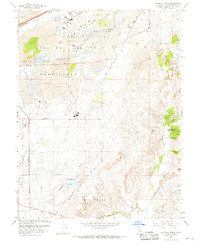 1967 Buffalo Creek1968 Print · USGSSacramento County in the late sixties shows a landscape transformed by gold dredging and military expansion. Genealogists and researchers can trace the margins of Mather Air Force Base, find the Frye settlement, or locate Carson Creek High Sch among the expansive dredge tailings.6 unique versions available
 - 1967 Map of Carmichael, 1968 Print
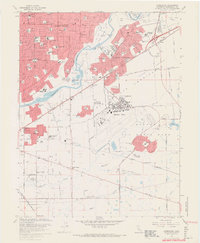 1967 Carmichael1968 Print · USGSGreater Sacramento undergoes a period of rapid suburban and military expansion during the late sixties. Trace the sprawling Mather Air Force Base, old rail lines like the Central California Traction, and the massive Los Americanos Dredge Tailings.6 unique versions available
 - 1967 Map of Citrus Heights, 1969 Print
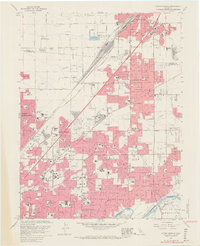 1967 Citrus Heights1969 Print · USGSSuburban development meets the gold-dredged banks of the American River during the late sixties. Genealogists and historians can trace family-named schools and burial grounds like Sylvan Cem, the crossroads at Sylvan Corners, and the burgeoning residential tracts of Foothill Farms.6 unique versions available
 - 1975 Map of Citrus Heights, 1977 Print
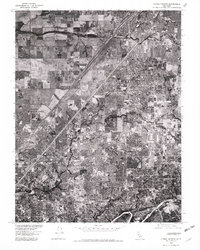 1975 Citrus Heights1977 Print · USGSSacramento's northern suburbs are captured in the mid-seventies just as development began to fill the gaps between historic communities. Genealogists and local historians can trace street-level detail through Citrus Heights, Fair Oaks, and Carmichael.2 unique versions available
 - 1992 Map of Citrus Heights, 1997 Print
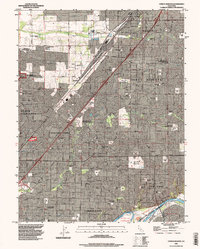 1992 Citrus Heights1997 Print · USGSGreater Sacramento's northeastern suburbs were rapidly maturing in the early nineties, showing a dense grid of neighborhoods between Roseville and the American River. Researchers can trace the perimeter of Mc Clellan Air Force Base and locate local landmarks like American River College and Sylvan Corners.
 - 1992 Map of Carmichael, 1997 Print
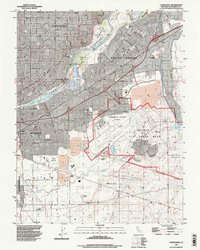 1992 Carmichael1997 Print · USGSThe Sacramento suburbs of Carmichael and Rancho Cordova are shown here in the 1990s, split by the American River. Researchers can locate Mather Air Force Base and historic burial sites like the Mathew Kilgore Cemetery or the community of Walsh Station.
Showing maps 1-25 of 40
Top cities near Rancho Cordova
- Sacramento historical maps
- Elk Grove historical maps
- Roseville historical maps
- Citrus Heights historical maps
- Folsom historical maps
- Rocklin historical maps
See more
Top neighborhoods of Rancho Cordova
Frequently asked questions
- What are the different types of historical maps available for Rancho Cordova?
- What is the oldest map of Rancho Cordova?
- Where can I purchase historical maps of Rancho Cordova for my home or office?
- Where can I download high-res historical maps of Rancho Cordova?
- Are there historical topographic maps available for Rancho Cordova?
- Is there historical aerial imagery available for Rancho Cordova?
- Where are historical maps of Rancho Cordova sourced from?