1960s Maps of Fontana, California
Explore 5 historic maps of Fontana from the 1960s. These maps offer a rare glimpse into what life looked like during the 1960s — showing old roads, neighborhoods, homes, and landmarks that have changed or disappeared over time.
Whether you're researching your family's past, planning a metal detecting trip, or studying how Fontana's landscape evolved across the 1960s, these high-resolution maps are a powerful tool for exploring the history of this region.
- Focus on a specific era: All maps on this page are from the 1960s, giving you a focused view of this time period.
- See what’s changed: Compare century-old streets, trails, and buildings to today's modern landscape using overlays and satellite layers.
- Research with precision: Use these maps for genealogy, historical research, land use analysis, or educational projects.
- View, download, or print: Maps are fully viewable online in high resolution, and can be downloaded or printed for your own records.
Start exploring Fontana's history through authentic maps from the 1960s. This is your window into the past.
Fontana, CA maps
(5)- 1966 Map of San Bernardino
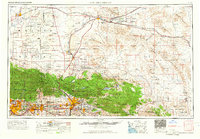 1966 San Bernardino1966 Print · USGSThe San Bernardino Valley and Mojave Desert met during a period of massive military and suburban growth in the mid-sixties. Genealogists and historians can trace the development of Edwards Air Force Base, old desert mines like the Bagdad Chase Mine, and mountain communities near Big Bear Lake.
 - 1966 Map of Cucamonga Peak, 1968 Print
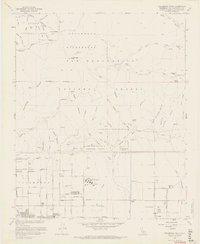 1966 Cucamonga Peak1968 Print · USGSSan Bernardino County in the mid-sixties shows a landscape of transition where the high peaks of the San Gabriel Mountains meet the expanding foothill towns. Trace the early development of Alta Loma and Etiwanda or locate mountain landmarks like Kelly Camp and Chaffey Union Jr College.9 unique versions available
 - 1966 Map of Devore, 1968 Print
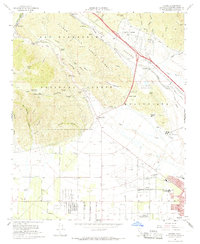 1966 Devore1968 Print · USGSSan Bernardino's mountain foothills and the bustling rail corridor of Cajon Canyon are captured here in the mid-1960s. Researchers can trace the legacy of local aviation at Gilfillan Airport, locate historic schools like Trapp Sch, and follow the complex rail network of the Union Pacific through Devore.6 unique versions available
 - 1966 Map of Guasti, 1969 Print
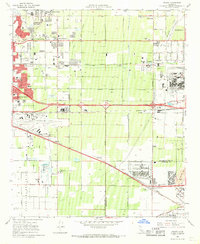 1966 Guasti1969 Print · USGSThe Inland Empire is shown at a pivotal moment of industrial and suburban growth in the mid-1960s. Genealogists and researchers can locate family-named landmarks like the John Rains House, the historic Guasti settlement, and local centers like Mission Bell Ch.4 unique versions available
 - 1967 Map of Fontana, 1969 Print
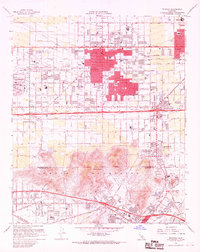 1967 Fontana1969 Print · USGSInland Empire growth reached a mid-century peak as heavy industry and suburban tracts filled the valley between the mountains and the river. Trace the expansion of Fontana and Bloomington, locating the massive Steel Plant and local landmarks like the County Museum.5 unique versions available
End of results
Showing maps 1-5 of 5
Top cities near Fontana
- Riverside historical maps
- Moreno Valley historical maps
- Ontario historical maps
- Rancho Cucamonga historical maps
- Corona historical maps
- Rialto historical maps
See more
Top neighborhoods of Fontana
- North Fontana historical maps
- South Fontana historical maps
- West End historical maps
- Beech Avenue Logistics Center historical maps
- Gabion Ranch historical maps
- The Arboretum historical maps
See more
Frequently asked questions
- What are the different types of historical maps available for Fontana?
- What is the oldest map of Fontana?
- Where can I purchase historical maps of Fontana for my home or office?
- Where can I download high-res historical maps of Fontana?
- Are there historical topographic maps available for Fontana?
- Is there historical aerial imagery available for Fontana?
- Where are historical maps of Fontana sourced from?