Old Maps of Huerfano County, Colorado
Explore 318 old maps of Huerfano County, spanning from 1889 to today. These high-resolution historic maps reveal how streets, neighborhoods, landmarks, and natural features evolved over time — perfect for genealogy, metal detecting, research, and local history exploration.
What you can do with these maps:
- See how Huerfano County changed over time: Compare historical maps to modern-day views to trace roads, homesites, rail lines & more.
- View detailed metadata: Each map includes creators, publishers, year, scale, and archive source.
- Overlay maps with satellite & LiDAR: Visualize the past alongside modern tools to explore terrain & human change.
- Trusted historical sources: Maps sourced from the USGS, Library of Congress, and other archives.
- Access maps your way: View online, download high-res files, or order prints for personal or research use.
Start exploring old maps of Huerfano County to uncover forgotten places, hidden landmarks, and the deep history beneath your feet.
Huerfano County, CO maps
(318)- 1889 Map of Canon City
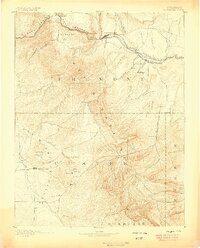 1889 Canon City1889 Print · USGSFremont and Custer counties appear here during the peak of the Colorado silver boom, when mining and rail expansion transformed the valley. Genealogists can trace family roots in early settlements like Silver Cliff, Rosita, and the coal camps of Rockvale.2 unique versions available
 - 1889 Map of Huerfano Park, 1961 Print
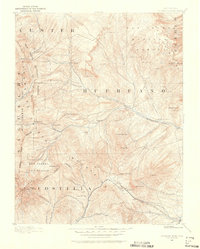 1889 Huerfano Park1961 Print · USGSHuerfano County and the high peaks of the Sangre de Cristos are captured here in the late nineteenth century. Trace the early tracks of the Denver and Rio Grande Railroad and locate vanished outposts like Sharpsdale and Malachite.
 - 1891 Map of Walsenburg
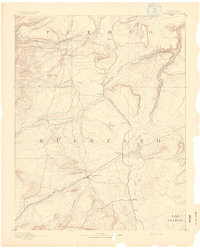 1891 Walsenburg1891 Print · USGSHuerfano County in the early 1890s was a landscape shaped by coal and steam as the Denver and Rio Grande Railroad expanded through the region. Genealogists and historians can trace early settlements and junctions like Walsenburg, Rouse, and Cuchara Junction.
 - 1891 Map of Spanish Peaks
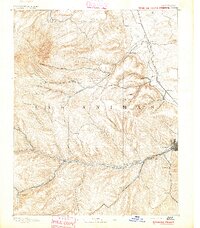 1891 Spanish Peaks1891 Print · USGSLas Animas county at the end of the nineteenth century was a rugged landscape of new rail lines and river settlements. Genealogists and historians can trace the early footprints of Trinidad, the path of the Denver Texas and Fort Worth Railroad, and canyon outposts like Starkville and Sopris.2 unique versions available
 - 1891 Map of Apishapa
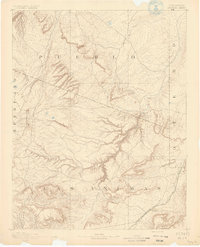 1891 Apishapa1891 Print · USGSSoutheastern Colorado was a land of high mesas and vital rail connections in the 1890s. Genealogists and historians can trace early rail stops like Thatcher and Delhi along the Atchison Topeka and Santa Fe Railroad.
 - 1892 Map of Huerfano Park
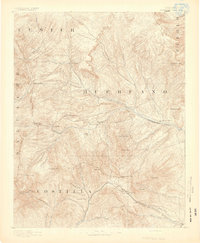 1892 Huerfano Park1892 Print · USGSSouthern Colorado mountain life is captured here in the late nineteenth century, showing the early settlements and rail lines of the Huerfano region. Researchers can trace the path of the Denver and Rio Grande Railroad and locate vanished stops at Malachite, Sharpsdale, and Placer.5 unique versions available
 - 1892 Map of Canon City
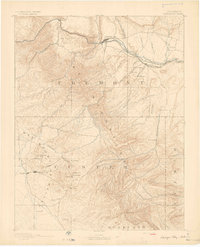 1892 Canon City1892 Print · USGSThe mining camps of Custer and Fremont counties were in their prime during the 1890s silver and coal boom. Genealogists and historians can trace the early rail networks and locate hard-rock operations like the Bassick Mine or settlements such as Silver Cliff and Querida.8 unique versions available
 - 1893 Map of Spanish Peaks
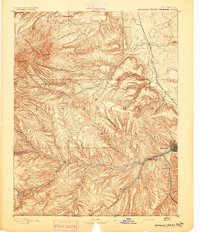 1893 Spanish Peaks1893 Print · USGSSouthern Colorado was a land of expanding rail and river commerce in the late nineteenth century. Genealogists and historians can trace the early footprints of Trinidad and mountain outposts like Starkville, Morley, and Schultze Plaza.2 unique versions available
 - 1893 Map of Apishapa
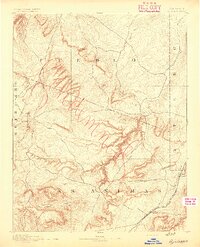 1893 Apishapa1893 Print · USGSThe Colorado high plains of the 1890s are defined here by the winding Apishapa River and the arrival of steam power. Trace the early rail stops at Thatcher and Delhi or locate the distinctive volcanic landmarks of the Rattlesnake Buttes.
 - 1894 Map of Walsenburg
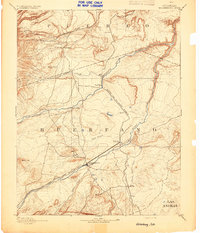 1894 Walsenburg1894 Print · USGSWalsenburg and the surrounding coal country are captured in the late nineteenth century as the rail network expanded. Map collectors and genealogists can trace early railroad settlements like Cuchara Junction and industrial sites including the Rouse Mines and Tioga.
 - 1895 Map of Spanish Peaks, 1961 Print
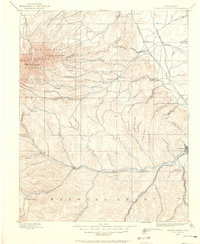 1895 Spanish Peaks1961 Print · USGSSouthern Colorado at the close of the nineteenth century was a land of high peaks and industrial transition. Genealogists can trace family names through traditional plazas like Trujillo Plaza or follow the early rail stops at Ludlow, Sopris, and Aguilar.
 - 1897 Map of Walsenburg
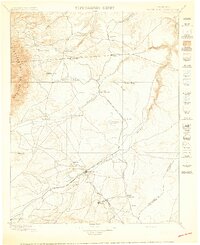 1897 Walsenburg1897 Print · USGSSouthern Colorado at the close of the century reveals a landscape of expanding railroads and coal settlements. Genealogists and historians can trace the early rail stops and mining camps of Walsenburg, Pictou, and Rouse along the DENVER AND RIO GRANDE R. R. network.4 unique versions available
 - 1897 Map of Spanish Peaks
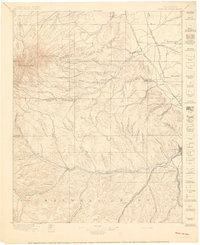 1897 Spanish Peaks1897 Print · USGSLas Animas County was a hub of mining and rail activity in the late nineteenth century as the industrial frontier pushed into the canyons. Genealogists and historians can trace early settlements like Trujillo Plaza and mining camps at Ludlow and Berwind.5 unique versions available
 - 1897 Map of Apishapa
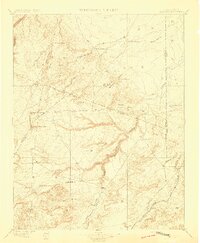 1897 Apishapa1897 Print · USGSSoutheastern Colorado appears here during the cattle-ranching era of the late nineteenth century. Researchers can trace the legacy of early western transit along the Santa Fe Trail or locate family landmarks like the Baca Ranch and Thatcher.4 unique versions available
 - 1900 Map of Spanish Peaks
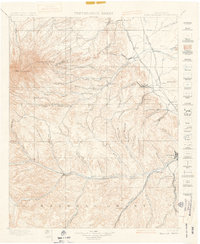 1900 Spanish Peaks1900 Print · USGSSouthern Colorado at the turn of the century is a landscape of high peaks, Spanish land grants, and booming coal towns. Genealogists can trace family roots through traditional plazas like Trujillo Plaza or industrial centers like Aguilar and Starkville.
 - 1900 Map of Walsenburg
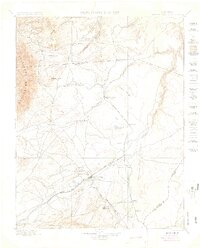 1900 Walsenburg1900 Print · USGSSouthern Colorado at the turn of the century shows a landscape being transformed by the arrival of the Denver and Rio Grande RR. Genealogists and historians can trace early settlements and transit points like Huerfano Sta. (Ute P.O.), the coal town of Rouse, and the landmark Huerfano Butte.
 - 1954 Map of Trinidad, 1963 Print
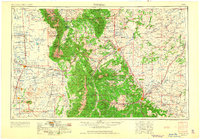 1954 Trinidad1963 Print · USGSSouthern Colorado is captured here during the mid-fifties, showing the vital rail-and-river connections between the San Luis Valley and the eastern foothills. Researchers can trace the Denver and Rio Grande Western line and locate rural landmarks like Malachite School and San Luis.2 unique versions available
 - 1954 Map of Pueblo, 1966 Print
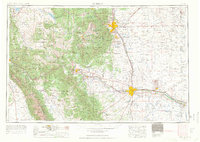 1954 Pueblo1966 Print · USGSMid-century Colorado comes alive in this survey of the Front Range and the high plains as the region expanded after the war. Genealogists and historians can trace family roots through rural landmarks like Hanover Church, Pioneer Cemetery, and the Grandview School.3 unique versions available
 - 1955 Map of Trinidad, 1976 Print
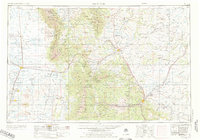 1955 Trinidad1976 Print · USGSSouthern Colorado during the mid-fifties is defined by the high-altitude agriculture of the San Luis Valley and the peaks of the Culebra Range. Genealogists can trace early settlements and rural schoolhouses like Medina Plaza, San Luis, and the Trujillo Creek School.
 - 1957 Map of Pueblo
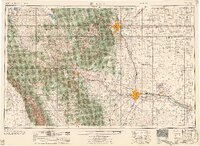 1957 Pueblo1957 Print · USGSMid-century Colorado comes alive as the Front Range urban centers expand alongside massive Cold War military installations. Genealogists and historians can trace the foundations of Stone City, rural sites like Hanover School, and the industrial Canon Imperial Mine.
 - 1958 Map of Trinidad
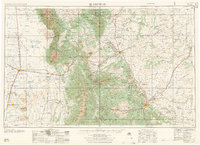 1958 Trinidad1958 Print · USGSSouthern Colorado in the late fifties was a landscape of high-altitude agriculture and coal production, centered on the San Luis Valley. Local historians can trace old community centers like the Malachite School or follow the mining and rail activity near Walsenburg and the Allen Mine.
 - 1958 Map of Pueblo
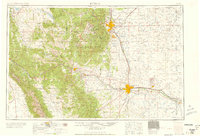 1958 Pueblo1958 Print · USGSColorado's Front Range and Arkansas River Valley come alive in the late fifties, showing the transition from historic mining districts to major military and rail hubs. Genealogists and historians can trace family roots in ranching communities and find landmarks like Cripple Creek, Manitou, and the Hanover School.
 - 1959 Map of Trinidad
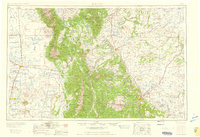 1959 Trinidad1959 Print · USGSThe San Luis Valley and the high Sangre de Cristo peaks are documented here in the late fifties, during a period of steady ranching and rail activity. Genealogy researchers can locate family-named landmarks and rural institutions like Trujillo Creek School and the historic San Luis settlement.
 - 1960 Map of Beck Mountain, 1963 Print
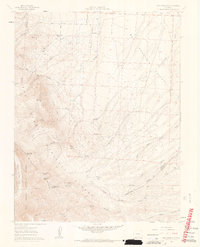 1960 Beck Mountain1963 Print · USGSHigh-country ranching and remote mountain passes define this 1960s survey of the Sangre de Cristo range. Trace the location of the Beck School, family landmarks like Henrich Ranch, and high-altitude routes through Music Pass.6 unique versions available
 - 1960 Map of Devils Gulch, 1963 Print
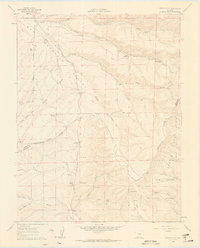 1960 Devils Gulch1963 Print · USGSHigh ranching country along the Custer and Huerfano county line is shown here at the start of the 1960s. Genealogists and historians can trace the locations of family-held water rights and homesteads including Akin Ranch, the Bradford (Site), and Hess Windmill.4 unique versions available
Showing maps 1-25 of 318
Top cities of Huerfano County
Frequently asked questions
- What are the different types of historical maps available for Huerfano County?
- What is the oldest map of Huerfano County?
- Where can I purchase historical maps of Huerfano County for my home or office?
- Where can I download high-res historical maps of Huerfano County?
- Are there historical topographic maps available for Huerfano County?
- Is there historical aerial imagery available for Huerfano County?
- Where are historical maps of Huerfano County sourced from?