Old Maps of Kiowa County, Colorado for Academic Research
Study the evolution of Kiowa County with 258 high-resolution historic maps. Whether you're teaching, researching, or modeling changes in land use, these maps provide essential visual documentation of urban, environmental, and geographic change.
- Analyze long-term change: Track patterns in development, transportation, and natural features.
- Ideal for environmental or urban studies: Support academic projects with primary historical map data.
- Use in the classroom or lab: Educators and researchers rely on these maps to bring historical context to life.
These maps are a powerful tool for teaching, research, and visualizing how Kiowa County has changed over the decades.
Kiowa County, CO maps
(258)- 1889 Map of Sanborn, 1962 Print
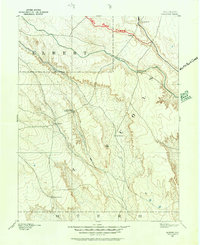 1889 Sanborn1962 Print · USGSEastern Colorado ranching country is captured here during the late 1880s as the open range gave way to established holdings. Researchers can locate early livestock operations like the Maryland Cattle Co. Ranch, Orcutt Ranch, and the Sanborn settlement.
 - 1890 Map of Granada, 1962 Print
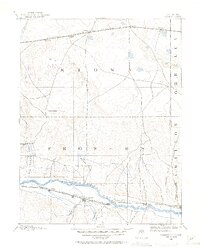 1890 Granada1962 Print · USGSSoutheast Colorado at the close of the nineteenth century was a landscape of expanding steel and water. Researchers can trace early railroad developments along the Missouri Pacific Railroad and locate pioneer outposts like Ellis Ranch or Granada.
 - 1891 Map of Sanborn
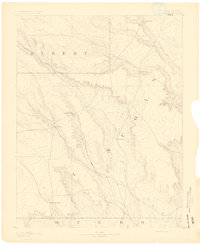 1891 Sanborn1891 Print · USGSEastern Colorado ranching life at the end of the century centers on isolated outposts and seasonal watercourses. Genealogists can trace family holdings like the Fody Ranch and Orcutt Ranch or the small settlement at Sanborn.
 - 1891 Map of Catlin
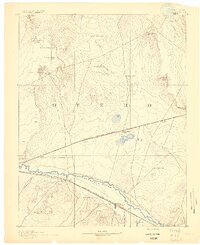 1891 Catlin1891 Print · USGSSoutheast Colorado's high plains were a landscape of competing rail lines and isolated ranching camps in the late nineteenth century. Genealogists and historians can trace the early development of Rocky Ford and Catlin along the Arkansas River or locate remote outposts like Lone Tree Ranch and Sheep Camp.
 - 1891 Map of Arroyo
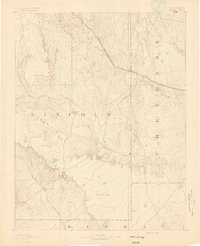 1891 Arroyo1891 Print · USGSEastern Colorado was still a ranching frontier in the late 1880s as the rail lines expanded across the high plains. Genealogists and historians can trace early holdings like Cox Ranch and Mosley Ranch along the route of the Union Pacific Railroad.
 - 1891 Map of Kit Carson
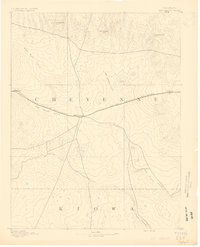 1891 Kit Carson1891 Print · USGSThe eastern Colorado plains appear here in the late nineteenth century as a landscape defined by the arrival of the rails. Researchers can trace the early path of the Union Pacific Railroad through the stations at Kit Carson, Wild Horse, and First View.
 - 1891 Map of Las Animas
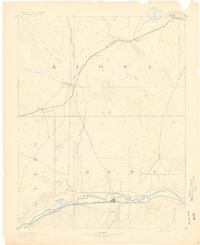 1891 Las Animas1891 Print · USGSSoutheast Colorado in the early 1890s centers on the confluence of the Arkansas River and Purgatoire River at Las Animas. Researchers can trace the early rail networks of the Atchison Topeka and Santa Fe Railroad and find historic sites like Fort Lyon.
 - 1892 Map of Lamar
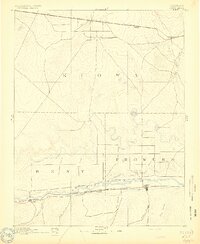 1892 Lamar1892 Print · USGSSoutheastern Colorado in the early 1890s shows the pivotal arrival of the rail-and-river economy across the High Plains. Researchers can trace the development of early irrigation systems and rail stops like Lamar, Chivington, and Graveyard Creek.7 unique versions available
 - 1892 Map of Cheyenne Wells
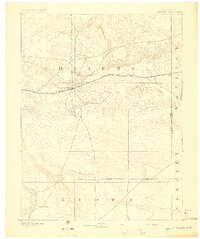 1892 Cheyenne Wells1892 Print · USGSEastern Colorado during the early frontier era is documented here as the railroad transformed the High Plains. Genealogists and historians can trace the vital iron link of the Union Pacific Railroad through settlements like Cheyenne Wells and Arapahoe.
 - 1892 Map of Granada
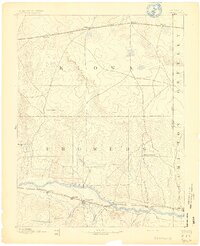 1892 Granada1892 Print · USGSThe high plains of eastern Colorado and western Kansas meet here in the late nineteenth century during a period of rapid railroad expansion. Researchers can trace the dual tracks of the Missouri Pacific Railroad and the Arkansas River route, locating early ranching landmarks like Ellis Rancho and Watsons Rancho.
 - 1893 Map of Arroyo
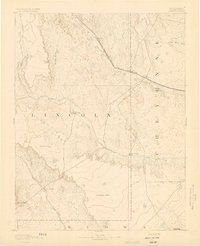 1893 Arroyo1893 Print · USGSEastern Colorado was a landscape of isolated cattle ranches and railway outposts during the late nineteenth century. Researchers can locate early family homesteads like Cox Ranch and follow the route of the Union Pacific Railroad through Bovero.4 unique versions available
 - 1893 Map of Kit Carson
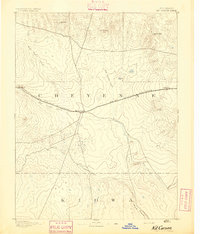 1893 Kit Carson1893 Print · USGSEastern Colorado during the late nineteenth century was a landscape shaped by rail and river. You can trace the early path of the Union Pacific Railroad through Kit Carson and locate the stations at Wild Horse and First View.5 unique versions available
 - 1893 Map of Sanborn
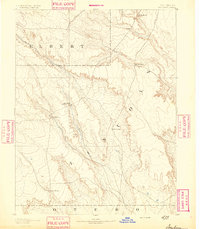 1893 Sanborn1893 Print · USGSEastern Colorado ranching country is documented here during the late frontier era, showing the early cattle operations and water rights of the high plains. Researchers can locate the Maryland Cattle Co. Ranch and trace the paths of Steel Fork and Horse Creek.4 unique versions available
 - 1893 Map of Las Animas
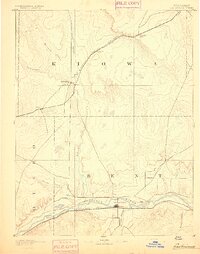 1893 Las Animas1893 Print · USGSSoutheastern Colorado was a bustling corridor of rail and river commerce in the 1890s as the frontier closed. Genealogists and historians can trace the development of Las Animas and Fort Lyon alongside the tracks of the Atchison Topeka and Santa Fe Railroad.5 unique versions available
 - 1893 Map of Catlin
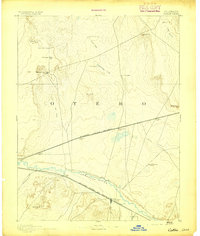 1893 Catlin1893 Print · USGSSoutheast Colorado at the close of the nineteenth century was a territory defined by the arrival of the rails and the flow of the Arkansas River. Genealogists and historians can trace early ranching and rail stops such as Rocky Ford, Lone Tree Ranch, and the isolated Double Dobe.5 unique versions available
 - 1894 Map of Cheyenne Wells
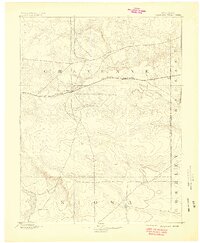 1894 Cheyenne Wells1894 Print · USGSEastern Colorado in the late nineteenth century is a landscape of expansive ranchland defined by the Union Pacific Railroad. Researchers can trace early railroad settlements like Cheyenne Wells and Arapahoe or follow the courses of Ladder Creek and White Woman Creek.6 unique versions available
 - 1894 Map of Granada
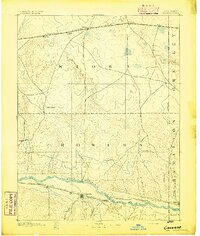 1894 Granada1894 Print · USGSSoutheast Colorado and the Kansas borderlands appear here in the 1890s as the railroad and river systems reshaped the plains. Genealogists and historians can trace early holdings like Ellis Ranch and vanished rail stops from Arden to Adana.4 unique versions available
 - 1954 Map of Lamar, 1964 Print
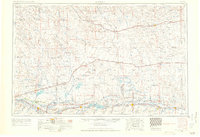 1954 Lamar1964 Print · USGSSoutheastern Colorado and the Kansas borderlands appear here in the mid-fifties, dominated by the vital Arkansas River irrigation network. Researchers can trace the development of river towns like Lamar and La Junta alongside the Amity Cemetery and several major reservoirs.3 unique versions available
 - 1958 Map of Lamar
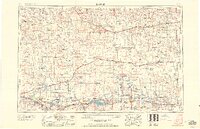 1958 Lamar1958 Print · USGSThe High Plains of Eastern Colorado and Western Kansas in the late fifties reveal a landscape tied to the Arkansas River and the rails. Trace the heritage of the river valley through Fort Lyon, the Atchison Topeka and Santa Fe RR, and rural landmarks like Kendrick Church.2 unique versions available
 - 1967 Map of Neenoshe Reservoir, 1971 Print
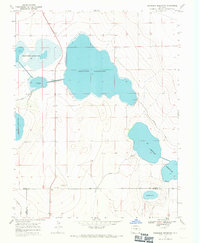 1967 Neenoshe Reservoir1971 Print · USGSSoutheast Colorado water management is on full display in the late sixties as reservoirs and irrigation canals define the Kiowa County landscape. Trace the intricate network of the Neenoshe Reservoir system, the Landing Strip, and the Pawnee Canal.
 - 1968 Map of Stuart, 1970 Print
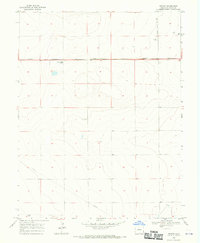 1968 Stuart1970 Print · USGSKiowa County's high plains are captured in the late sixties as a vital agricultural corridor along the Missouri Pacific railroad. Genealogists and local historians can locate the Plainview Sch, the settlement of Stuart, and the Budde Landing Strip.2 unique versions available
 - 1968 Map of Sheridan Lake, 1971 Print
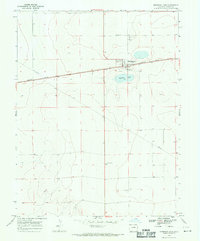 1968 Sheridan Lake1971 Print · USGSSheridan Lake and the surrounding High Plains are captured here in the late sixties as a thriving rail-side agricultural community. Researchers can trace the town layout and local landmarks like the Sheridan Lake Cem and the Missouri Pacific rail corridor.
 - 1968 Map of Sheridan Lake SE, 1971 Print
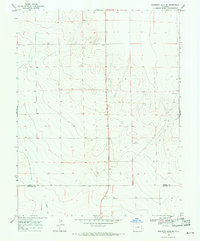 1968 Sheridan Lake SE1971 Print · USGSEastern Colorado's high plains near the turn of the 1970s reveal a landscape of remote ranching and utility infrastructure. Researchers can trace the Kiowa and Prowers county line and locate water-critical sites like Buffalo Creek and several Water Tanks.
 - 1968 Map of Rose Ranch, 1971 Print
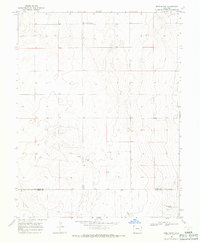 1968 Rose Ranch1971 Print · USGSRanching life on the Kiowa and Bent county line is documented here in the late sixties. Genealogists and local historians can locate the Prairie Center School and trace water resources like Government Spring and the Aqueduct.
 - 1968 Map of Alkali Lake, 1971 Print
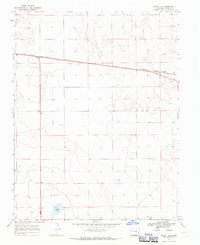 1968 Alkali Lake1971 Print · USGSRailroads and water sources define the Kiowa County landscape in the late sixties as the MISSOURI PACIFIC line crosses the plains. Genealogists and historians can trace the remote placement of Alkali Lake, Chivington Hill, and several isolated wells.
Showing maps 1-25 of 258
Top cities of Kiowa County
- Eads historical maps
- Haswell historical maps
- Haswell historical maps
- Sheridan Lake historical maps
- Brandon historical maps
Frequently asked questions
- What are the different types of historical maps available for Kiowa County?
- What is the oldest map of Kiowa County?
- Where can I purchase historical maps of Kiowa County for my home or office?
- Where can I download high-res historical maps of Kiowa County?
- Are there historical topographic maps available for Kiowa County?
- Is there historical aerial imagery available for Kiowa County?
- Where are historical maps of Kiowa County sourced from?