Old Maps of Brush, Colorado
Explore 29 old maps of Brush, spanning from 1951 to today. These high-resolution historic maps reveal how streets, neighborhoods, landmarks, and natural features evolved over time — perfect for genealogy, metal detecting, research, and local history exploration.
What you can do with these maps:
- See how Brush changed over time: Compare historical maps to modern-day views to trace roads, homesites, rail lines & more.
- View detailed metadata: Each map includes creators, publishers, year, scale, and archive source.
- Overlay maps with satellite & LiDAR: Visualize the past alongside modern tools to explore terrain & human change.
- Trusted historical sources: Maps sourced from the USGS, Library of Congress, and other archives.
- Access maps your way: View online, download high-res files, or order prints for personal or research use.
Start exploring old maps of Brush to uncover forgotten places, hidden landmarks, and the deep history beneath your feet.
Brush, CO maps
(29)- 1951 Map of Brush West, 1952 Print
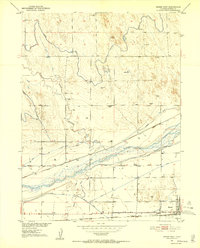 1951 Brush West1952 Print · USGSMorgan County's river-bottom agriculture and rail network are captured here in the early fifties. Genealogists and historians can trace local landmarks like Eben-Ezer Hospital, rural education at Morey School, and the settlement at Lodi.5 unique versions available
 - 1951 Map of Brush East, 1953 Print
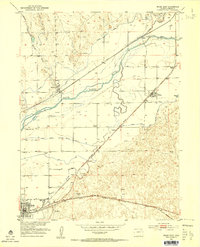 1951 Brush East1953 Print · USGSEastern Colorado's agricultural heartland thrived along the river during the early 1950s. Genealogists and researchers can trace the sugar industry at Brush, locate rural schoolhouses like Fairview School, and follow the Union Pacific rail lines through Snyder.4 unique versions available
 - 1954 Map of Sterling
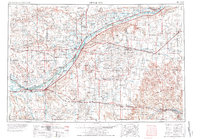 1954 Sterling1954 Print · USGSNortheastern Colorado and the Nebraska borderlands are defined by the river-and-rail corridors of the mid-twentieth century. Researchers can trace the development of agricultural hubs from Sterling and Fort Morgan to smaller rail stops along the Union Pacific and Burlington Northern lines.3 unique versions available
 - 1958 Map of Sterling
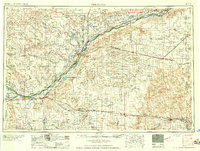 1958 Sterling1958 Print · USGSNortheastern Colorado thrived along the river and rail corridors during the late fifties. Genealogists and historians can trace family-named irrigation works like Davis Brothers Ditch and agricultural hubs from Peetz to Fort Morgan.
 - 1963 Map of Round Top, 1965 Print
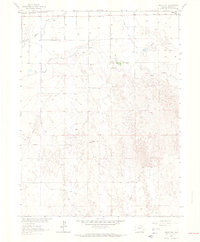 1963 Round Top1965 Print · USGSNortheast Colorado in the early sixties was defined by a mix of high plains ranching and a growing energy sector. Trace the historic route of the Chicago Burlington and Quincy railroad and the Allen Oil Field pipelines.2 unique versions available
 - 1965 Map of Miller Ranch, 1967 Print
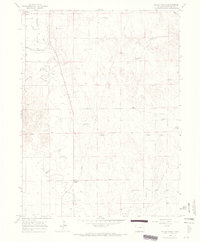 1965 Miller Ranch1967 Print · USGSMorgan County ranching and irrigation are captured here in the mid-1960s, showing a landscape defined by water rights and family-named landmarks. Researchers can locate specific sites like Miller Ranch, Ninemile Corner, and the Zorichak Oil Field.3 unique versions available
 - 1971 Map of Brush East, 1984 Print
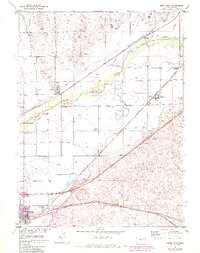 1971 Brush East1984 Print · USGSThe South Platte River valley in the early 1970s shows a landscape heavily shaped by irrigation and the rail lines. Researchers can trace the agricultural heart of the county through features like the Sugar Refinery, the Colwell School, and the winding Beaver Creek.2 unique versions available
 - 1971 Map of Brush West, 1984 Print
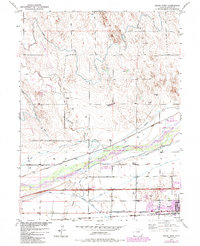 1971 Brush West1984 Print · USGSMorgan County in the early seventies shows a landscape defined by the South Platte River and the expansion of the town of Brush. Genealogists and historians can trace rail corridors, old schools like Colwell School, and landmarks such as Eben-Ezer Hospital.
 - 1980 Map of Fort Morgan
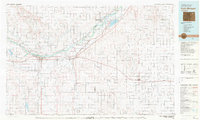 1980 Fort Morgan1980 Print · USGSNortheastern Colorado’s agricultural heartland is documented here in the early eighties, centered on the South Platte River corridor. Researchers can trace the progress of the Union Pacific and Burlington Northern railroads through ranching hubs like Brush, Akron, and Hillrose.
 - 2010 Map of Brush West, 2010 Print
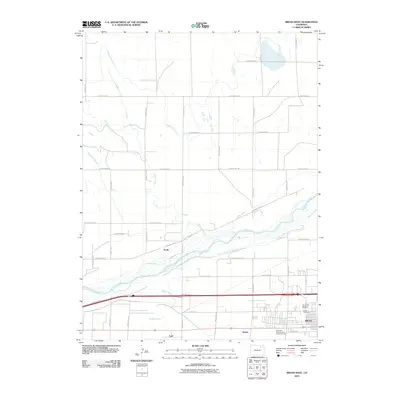 2010 Brush West2010 Print · USGSMorgan County agricultural and water systems are at the forefront of this 2010 study of the plains near Brush. Researchers can trace the path of the South Platte River alongside numerous historic irrigation works like the Upper Platte and Beaver Canal and local landmarks such as Lodi and the J. L. Brush Memorial Cemetery.
 - 2010 Map of Round Top, 2010 Print
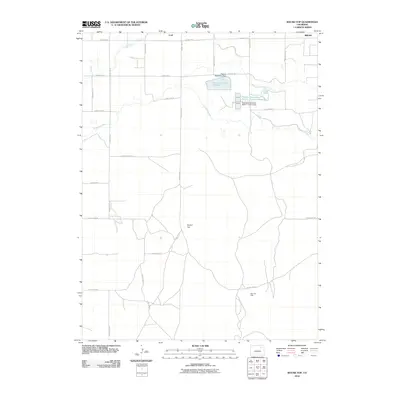 2010 Round Top2010 Print · USGSThe Morgan County plains come into focus at the start of the decade, showing a landscape shaped by industrial water projects and oil extraction. Genealogists and researchers can locate Lodi, the Allen Oil Field, and the course of the Fort Morgan Canal.
 - 2010 Map of Miller Ranch, 2010 Print
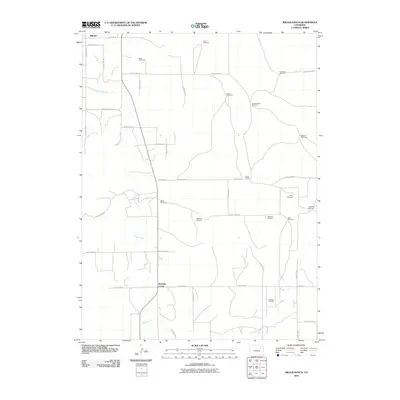 2010 Miller Ranch2010 Print · USGSMorgan County ranchlands are documented here in the early twenty-first century, showing the vital irrigation network south of Brush. You can trace family-named infrastructure and rural crossroads like Miller Ranch, Ninemile Corner, and the Zorichak Oil Field.
 - 2010 Map of Brush East, 2010 Print
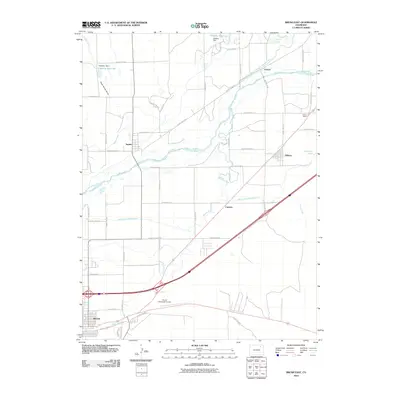 2010 Brush East2010 Print · USGSThe South Platte River valley and its intricate irrigation networks are documented here in the early twenty-first century. Researchers can trace the water systems of the North Sterling Canal and locate rural landmarks like Trowel Ranch and Snyder.
 - 2013 Map of Brush East, 2013 Print
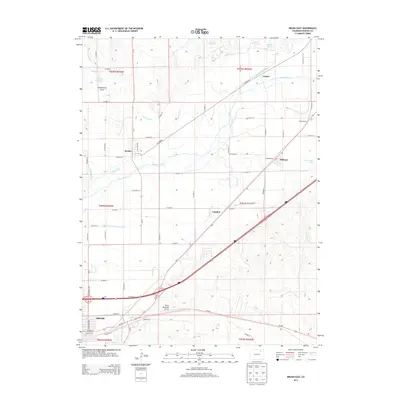 2013 Brush East2013 Print · USGSThe S Platte River valley comes into sharp focus during the early twenty-first century, showing the intricate irrigation systems of Morgan County. Genealogists and local historians can trace the developments around Snyder, Hillrose, and the Brush Municipal Airport.
 - 2013 Map of Miller Ranch, 2013 Print
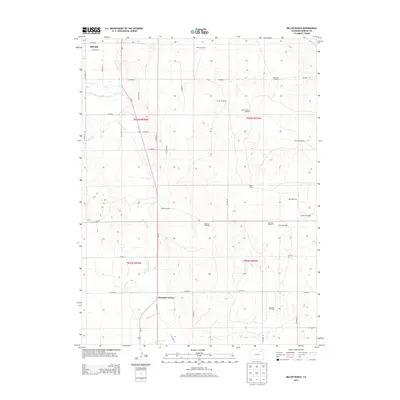 2013 Miller Ranch2013 Print · USGSMorgan County ranching and irrigation are recorded here in the early twenty-first century as the landscape transitions south from Brush. Genealogists and historians can trace family-named landmarks like Miller Ranch and the Zorichak Oil Field alongside historic water routes.
 - 2013 Map of Round Top, 2013 Print
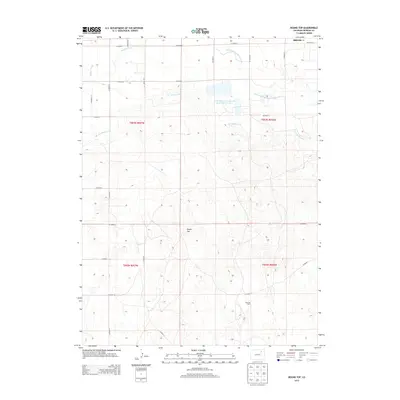 2013 Round Top2013 Print · USGSMorgan County’s high plains are captured here in the early twenty-first century, showing the complex interplay of industrial oil production and vital irrigation canals. Researchers can trace land use at Miller Ranch, locate the Allen Oil Field, and follow the path of the Fort Morgan Canal.
 - 2013 Map of Brush West, 2013 Print
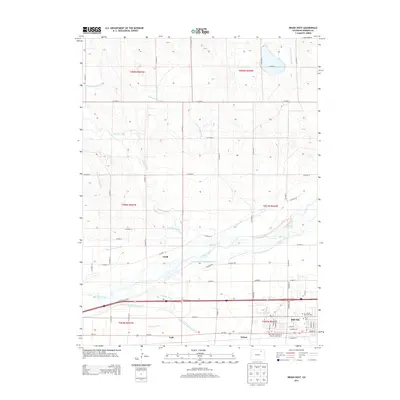 2013 Brush West2013 Print · USGSThe S Platte River valley and the city of Brush are shown here in 2013, highlighting the region's sophisticated irrigation network. Genealogists and historians can locate the J. L. Brush Memorial Cem and trace settlements like Lodi and Dodd.
 - 2016 Map of Brush West, 2016 Print
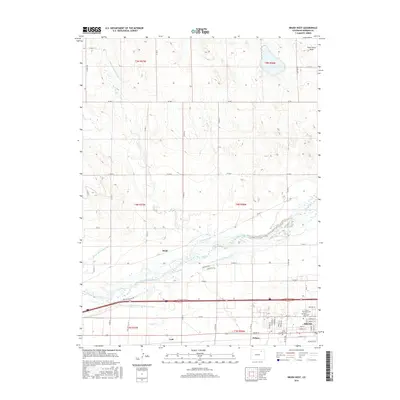 2016 Brush West2016 Print · USGSThe South Platte River valley in the mid-2010s shows a high-plains landscape deeply shaped by irrigation and rail. Researchers can trace historic water rights via the Tremont Canal and Brush Lateral, or locate family plots at the Eben Ezer Cem.
 - 2016 Map of Miller Ranch, 2016 Print
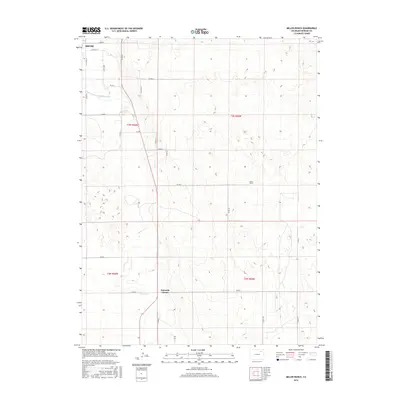 2016 Miller Ranch2016 Print · USGSThe ranchlands south of Brush are meticulously mapped in the mid-2010s, showing the intersection of irrigation and industry. Genealogists and local historians can trace family land at Miller Ranch or locate the junction at Ninemile Corner along Beaver Cr.
 - 2016 Map of Brush East, 2016 Print
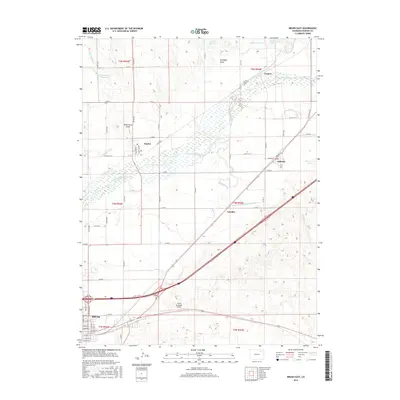 2016 Brush East2016 Print · USGSThe Morgan County plains and the fertile South Platte River valley come into focus in this contemporary survey of the High Plains. Genealogists and local historians can trace the rail-and-river corridor through Brush, Snyder, and Hillrose, while mapping irrigation networks like the Riverside Ditch or the Burlington Northern Santa Fe rail line.
 - 2016 Map of Round Top, 2016 Print
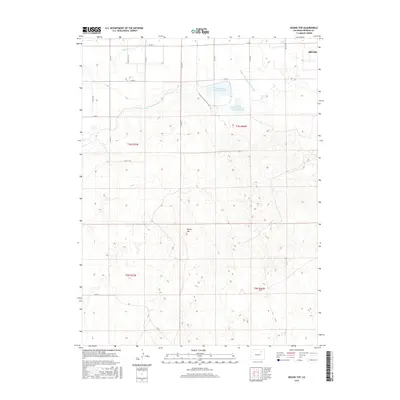 2016 Round Top2016 Print · USGSThe high plains of Morgan County are captured here in the mid-2010s, showcasing a landscape of intensive water management. Researchers can trace irrigation networks like the Fort Morgan Canal and locate industrial landmarks including the Pawnee Raw Water Reservoir and Round Top.
 - 2019 Map of Round Top, 2019 Print
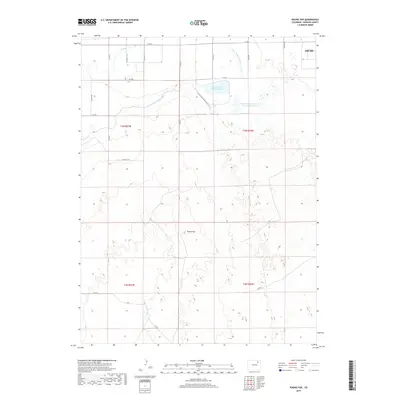 2019 Round Top2019 Print · USGSMorgan County's high plains and irrigation networks are documented here just before the turn of the 2020s. Researchers can trace the paths of the Fort Morgan Canal and Upper Platte and Beaver Canal or locate the distinctive elevation of Round Top.
 - 2019 Map of Miller Ranch, 2019 Print
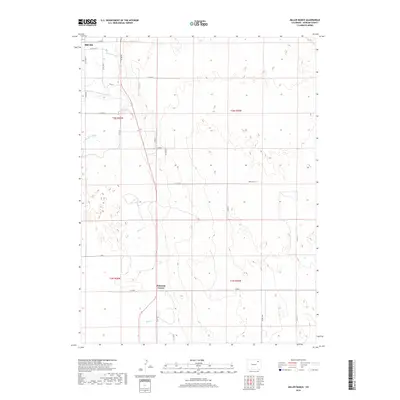 2019 Miller Ranch2019 Print · USGSThe Morgan County plains come into focus in this recent survey of the rural landscape near Brush. Local researchers can trace the paths of the Upper Platte and Beaver Canal and the Fort Morgan Canal as they navigate past Miller Ranch and Ninemile Corner.
 - 2019 Map of Brush East, 2019 Print
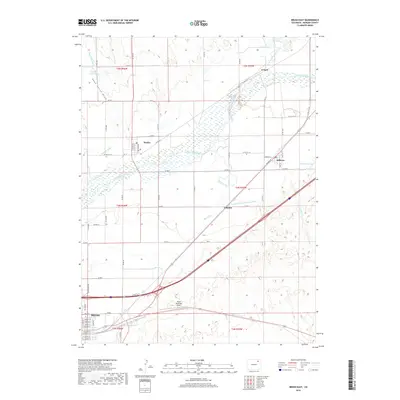 2019 Brush East2019 Print · USGSThe Morgan County plains are revealed in detail during the late twenty-teens as the region's agricultural and transit networks expanded. Trace the irrigation systems of the South Platte River and find local landmarks like Snyder, Hillrose, and the Brush Municipal Airport.
 - 2019 Map of Brush West, 2019 Print
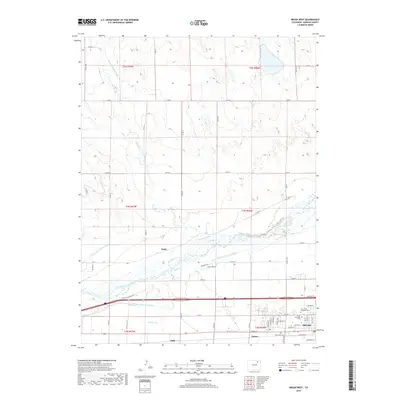 2019 Brush West2019 Print · USGSMorgan County’s agricultural heartland is documented here in the early twenty-first century, showing the complex irrigation network along the South Platte River. Genealogists and local historians can locate gravesites at Brush Memorial Cem and trace the early footprints of Dodd and Lodi.
Showing maps 1-25 of 29
Top cities near Brush
- Fort Morgan historical maps
- Log Lane Village historical maps
- Morgan Heights historical maps
- Hillrose historical maps
- Trail Side historical maps
- Saddle Ridge historical maps
See more
Frequently asked questions
- What are the different types of historical maps available for Brush?
- What is the oldest map of Brush?
- Where can I purchase historical maps of Brush for my home or office?
- Where can I download high-res historical maps of Brush?
- Are there historical topographic maps available for Brush?
- Is there historical aerial imagery available for Brush?
- Where are historical maps of Brush sourced from?