Old Maps of Bradford County, Florida for Academic Research
Study the evolution of Bradford County with 97 high-resolution historic maps. Whether you're teaching, researching, or modeling changes in land use, these maps provide essential visual documentation of urban, environmental, and geographic change.
- Analyze long-term change: Track patterns in development, transportation, and natural features.
- Ideal for environmental or urban studies: Support academic projects with primary historical map data.
- Use in the classroom or lab: Educators and researchers rely on these maps to bring historical context to life.
These maps are a powerful tool for teaching, research, and visualizing how Bradford County has changed over the decades.
Bradford County, FL maps
(97)- 1918 Map of Lawtey
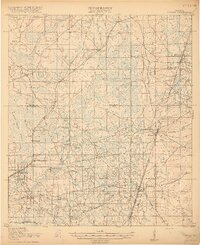 1918 Lawtey1918 Print · USGSFlorida's northern interior during the First World War reveals a landscape of isolated farmsteads and growing rail towns. Researchers can locate early schoolhouses like Ben Rowe School and Vanderbilt School or trace the early footprint of the Bradford Farms (State Prison).5 unique versions available
 - 1938 Map of Hawthorn
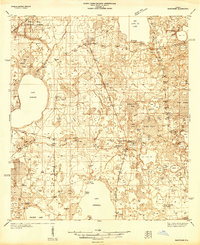 1938 Hawthorn1938 Print · USGSAlachua County in the late thirties is a landscape of intersecting railroads and sprawling lakeside settlements. Genealogists and historians can trace the foundations of Hawthorn, locate remote burial sites like Riley Cem, and explore the rail junctions at Micanopy Junction.
 - 1941 Map of Starke, 1942 Print
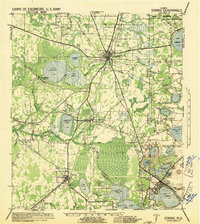 1941 Starke1942 Print · USGSNorth Florida at the start of the 1940s reveals a region rapidly transforming with the mobilization for war. Genealogists and historians can trace old rail lines like the Seaboard Air Line and find communities like Sampson City or the expansive Camp Blanding Military Reservation.
 - 1943 Map of Hawthorn, 1963 Print
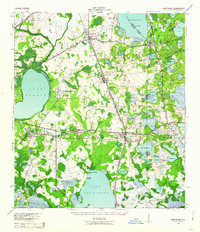 1943 Hawthorn1963 Print · USGSAlachua County during the early war years reveals a landscape defined by its great lakes and a dual-railroad economy. Researchers can trace the routes of the Seaboard Air Line, locate rural landmarks like Ochwilla Church, or find family roots at Providence Cem and Drummond Cem.
 - 1948 Map of Starke
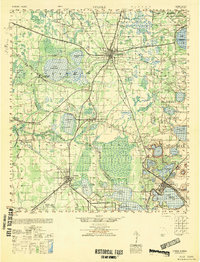 1948 Starke1948 Print · USGSThe Florida lake country south of Starke is captured here shortly after the war, showing a landscape defined by citrus-era rail lines and massive military training grounds. Genealogists can trace family roots through settlements like Sampson City, Waldo, and the lakeside community of Keystone Heights.
 - 1949 Map of Sampson, 1953 Print
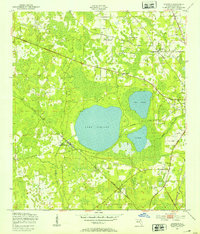 1949 Sampson1953 Print · USGSFlorida's lake country in the late 1940s was a landscape of steam rail and rural schoolhouses. Genealogists can trace the location of homes near Sampson City Sta and local gathering places like Rising Sch or the Pine Level Ch.4 unique versions available
 - 1949 Map of Starke, 1953 Print
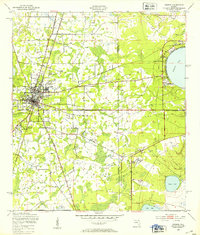 1949 Starke1953 Print · USGSStarke and the surrounding Florida pine lands are captured here just after the war, showing the area's transition between agricultural life and new industrial and military uses. Genealogists and local historians can trace rural congregations at Bethel Ch and Nebo Ch or locate the early workings of the Trail Ridge Mine.4 unique versions available
 - 1949 Map of Waldo, 1953 Print
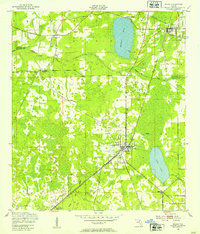 1949 Waldo1953 Print · USGSAlachua and Bradford Counties are captured at a post-war peak of rail activity during the late 1940s. Genealogists and rail historians can trace the intersection of the Seaboard Air Line and Southern railroads through Waldo and Hampton.3 unique versions available
 - 1949 Map of Keystone Heights, 1953 Print
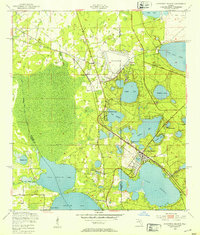 1949 Keystone Heights1953 Print · USGSFlorida's lake country is captured here in the years following World War II, showing the growth of Keystone Heights and its neighboring waters. Genealogists and researchers can trace the locations of the Brooklyn Sch, the Cem at Theressa, and the early layout of Tibbits Park Palms.4 unique versions available
 - 1949 Map of Starke, 1955 Print
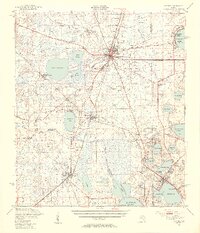 1949 Starke1955 Print · USGSNorth Florida at the mid-century reveals a landscape of lakeside settlements and vital rail junctions centered on Starke. Genealogists and historians can trace family roots through rural landmarks like Rising Sch, New Hope Ch, and the station at Sampson City Sta.2 unique versions available
 - 1954 Map of Gainesville, 1965 Print
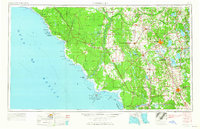 1954 Gainesville1965 Print · USGSMid-century North Central Florida comes into focus as a landscape of timber, rails, and river towns along the Gulf. Trace family roots in established centers like Gainesville or follow the path of the Suwannee River to the coastal docks of Cedar Key.3 unique versions available
 - 1954 Map of Valdosta, 1967 Print
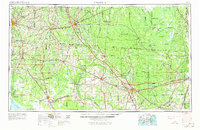 1954 Valdosta1967 Print · USGSThe South Georgia and North Florida borderlands are captured here in the mid-fifties, showing the deep timber and wetland networks of the coastal plain. Researchers can trace the path of the Atlantic Coast Line through Valdosta or explore the interior of the Okefenokee Swamp.2 unique versions available
 - 1958 Map of Valdosta
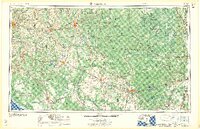 1958 Valdosta1958 Print · USGSSouth Georgia and North Florida are captured here in the mid-fifties, showing the vast Okefenokee Swamp and the vital timber and rail corridors connecting the two states. Researchers can locate the footprint of Moody Air Force Base, trace the Live Oak Perry and Gulf railroad, or find early community sites like Bakers Mill and Paradise Church.
 - 1958 Map of Gainesville
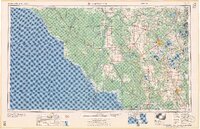 1958 Gainesville1958 Print · USGSNorth Central Florida’s rail and river networks are frozen in time just before the interstate era. Genealogists and historians can trace the paths of the Atlantic Coast Line through Gainesville or locate coastal settlements like Steinhatchee and Cedar Key.
 - 1959 Map of Valdosta
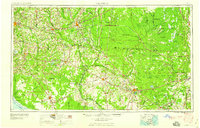 1959 Valdosta1959 Print · USGSThe Georgia-Florida borderlands in the mid-fifties reveal a landscape of massive blackwater swamps and emerging military aviation hubs. Genealogists and historians can trace rail-stop towns like Fargo and Stockton or explore the interior reaches of the Okefenokee Swamp and Billys Island.
 - 1959 Map of Gainesville
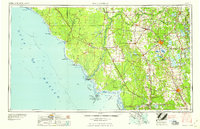 1959 Gainesville1959 Print · USGSNorth Florida in the mid-fifties is seen here from the Gulf coast to the inland lakes, showing the rail-and-river network before modern highways dominated. Researchers can trace the paths of the Seaboard Air Line through towns like Chiefland and Micanopy, or explore the coastal inlets of Waccasassa Bay.
 - 1966 Map of Lake Butler
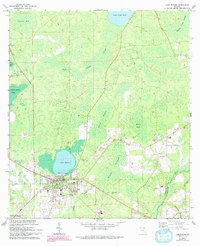 1966 Lake Butler1966 Print · USGSLake Butler and its surrounding Union County wetlands are captured here in the mid-sixties, showing a landscape shaped by timber and water. Genealogists can trace family landmarks like Varnes Cemetery or the community at Johnstown, while explorers can follow the Old Railroad Grade and Richard Millpond.3 unique versions available
 - 1966 Map of Worthington Springs, 1967 Print
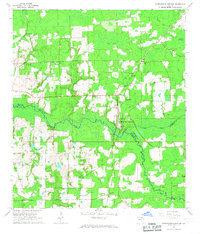 1966 Worthington Springs1967 Print · USGSNorth central Florida’s river-crossing communities are documented here in the mid-1960s, showing a landscape of small hamlets and riverside industry. Genealogists can trace family landmarks at Bethany Cem or Fort Call Cem and follow the old Atlantic Coast Line rail route through Worthington Springs.
 - 1966 Map of Melrose, 1967 Print
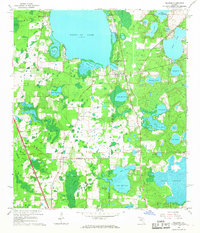 1966 Melrose1967 Print · USGSThe northern Florida lake country comes alive in the 1960s, showing a landscape defined by the convergence of four county lines at Melrose. Genealogists and historians can trace rail-side communities like Campville and find local landmarks such as St Johns Ch and Nelson Cem.3 unique versions available
 - 1966 Map of Monteocha, 1967 Print
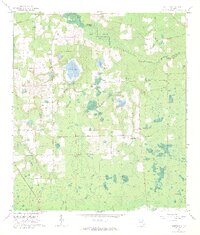 1966 Monteocha1967 Print · USGSThe Florida borderlands of Bradford and Alachua Counties come into focus in the mid-1960s, showing a landscape defined by the Santa Fe River and Mud Swamp. Genealogists and historians can trace community roots through numerous landmarks like Rhuda Branch Cem, Monteocha, and Old Jerusalem Ch.2 unique versions available
 - 1966 Map of Brooker, 1967 Print
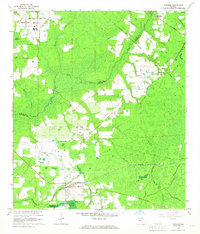 1966 Brooker1967 Print · USGSBrooker and the New River basin are shown in the mid-1960s, documenting a landscape of rural settlements and timberlands. Researchers can locate family-named landmarks like Dekles Millpond, the Dedan Cem, and several local churches including Long Bridge Ch.4 unique versions available
 - 1970 Map of Lawtey, 1973 Print
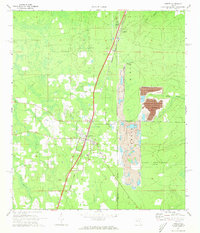 1970 Lawtey1973 Print · USGSFlorida's Trail Ridge region is captured here in the 1970s as industrial mining and military training shaped the landscape around Lawtey. Researchers can trace the Seaboard Coast Line through Highland and find local landmarks like the Anderson Sch.4 unique versions available
 - 1970 Map of Raiford, 1973 Print
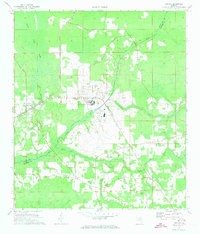 1970 Raiford1973 Print · USGSUnion and Bradford counties are captured here in the early seventies, showcasing a landscape of institutional history and rural community life. Researchers can locate family landmarks such as Evergreen Ch, Pine Grove Cem, and the massive Florida State Prison complex.2 unique versions available
 - 1970 Map of Manning, 1973 Print
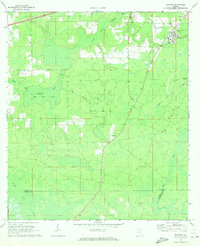 1970 Manning1973 Print · USGSBaker and Union counties are shown here in the early 1970s, a landscape shaped by the Seaboard Coast Line and the Northeast Florida State Hospital. Genealogists can trace rural communities like Sapp, Manning, and Steckert alongside landmarks like Manntown Ch.
 - 1970 Map of Maxville, 1973 Print
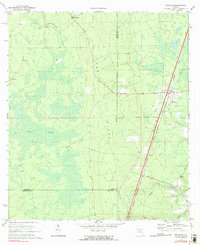 1970 Maxville1973 Print · USGSNorth Florida's timberlands and rail corridors are captured here in the early 1970s at the meeting of four counties. Genealogists and historians can trace the rural communities of Maxville and Hugh or locate old crossings at Turkey Creek and Bessent.2 unique versions available
Showing maps 1-25 of 97
Top cities of Bradford County
Frequently asked questions
- What are the different types of historical maps available for Bradford County?
- What is the oldest map of Bradford County?
- Where can I purchase historical maps of Bradford County for my home or office?
- Where can I download high-res historical maps of Bradford County?
- Are there historical topographic maps available for Bradford County?
- Is there historical aerial imagery available for Bradford County?
- Where are historical maps of Bradford County sourced from?