Old Maps of Louisville, Georgia for Hiking & Exploration
Hike through history with 32 historic maps of Louisville. Explore old trails, ghost towns, and forgotten backroads — perfect for outdoor adventurers and local explorers.
- Rediscover forgotten places: Map out old mining camps, roads, and footpaths that no longer exist on modern maps.
- Layer with modern tools: Combine with LiDAR or satellite views to plan hikes through historical terrain.
- Made for exploration: Popular among hikers, overlanders, and local history lovers.
Use these maps to find adventure and explore the hidden past of Louisville.
Louisville, GA maps
(32)- 1920 Map of Stapleton
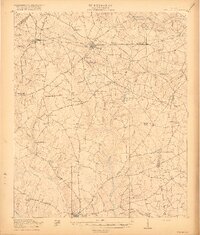 1920 Stapleton1920 Print · USGSEastern Georgia during the early twentieth century was a landscape of bustling cotton-belt rail towns and rural school districts. Genealogists and historians can trace family locations near landmarks like Harts Grove Church, Clarks Mill, and Wrens Sta.3 unique versions available
 - 1948 Map of Stapleton
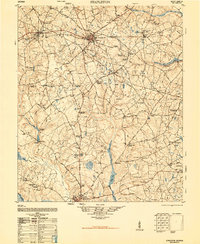 1948 Stapleton1948 Print · USGSJefferson County and the surrounding countryside appear in detail during the late 1940s, showing a landscape of rail junctions and rural homesteads. Genealogists and historians can trace family locations through sites like Ellis Plantation, Ponder Family Cemetery, and the old Wrens Station.2 unique versions available
 - 1948 Map of Louisville, 1964 Print
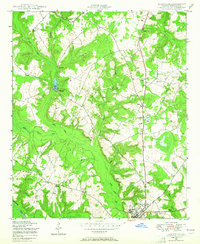 1948 Louisville1964 Print · USGSJefferson County in the late 1940s is shown here as a network of creek-side settlements and rural congregations. Genealogists can locate family landmarks like Bothwell Cemetery or community hubs such as Pioneer Church and School and Duhart Church.2 unique versions available
 - 1950 Map of Louisville
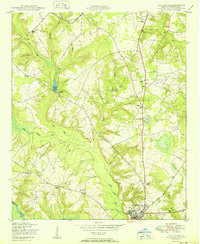 1950 Louisville1950 Print · USGSJefferson County, Georgia, is documented here at mid-century, centered on the historic town of Louisville and the Ogeechee River. Genealogists can trace rural communities through landmarks like Pioneer Church and School and Bothwell Cemetery.
 - 1953 Map of Athens, 1966 Print
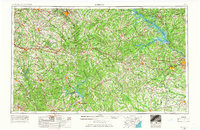 1953 Athens1966 Print · USGSGeorgia's Piedmont and Savannah River borderlands come alive in this mid-century survey of the region surrounding Athens and Augusta. Trace the rail-and-river economy through the Georgia RR and landmarks like the Fort Gordon Military Reservation.3 unique versions available
 - 1957 Map of Macon
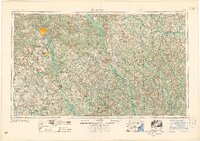 1957 Macon1957 Print · USGSMid-century Georgia comes into focus as the river-and-rail economy shifts toward a new era of aviation and highway travel. Trace family roots and vanished landmarks across the Ocmulgee River valley from Macon to the onion fields of Vidalia.
 - 1958 Map of Macon
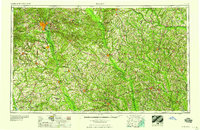 1958 Macon1958 Print · USGSMiddle Georgia during the late fifties shows the post-war expansion of Warner Robins alongside the deep-rooted rail hubs of the Central of Georgia line. Researchers can trace the river-bound boundaries of numerous counties and find local landmarks like Veterans Memorial Hospital and Robins AFB.
 - 1958 Map of Athens
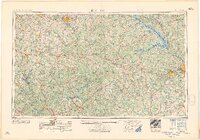 1958 Athens1958 Print · USGSNorth-central Georgia and the Savannah River valley are captured in the late fifties, showing the region as the new reservoirs were filling. Researchers can trace historic rail lines like the Georgia RR and locate rural landmarks such as Social Circle, Graves Mountain, and the Fort Gordon Military Reservation.
 - 1959 Map of Athens
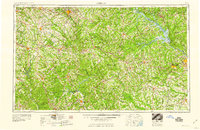 1959 Athens1959 Print · USGSNortheast Georgia and the South Carolina borderlands appear here in the mid-fifties, during a decade of infrastructure growth. Genealogists and historians can trace the rail-and-river geography of towns like Social Circle, the sprawl of Fort Gordon Military Reservation, and the newly formed Clark Hill Reservoir.
 - 1963 Map of Athens
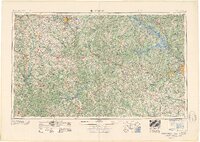 1963 Athens1963 Print · USGSGeorgia's Piedmont and the Savannah River valley are captured in the early sixties as major reservoirs and military installations reshaped the landscape. Researchers can trace the development of Clark Hill Reservoir, locate the Fort Gordon Military Reservation, and find historic towns like Social Circle and Eatonton.
 - 1964 Map of Macon
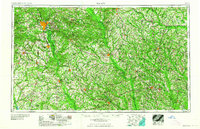 1964 Macon1964 Print · USGSCentral Georgia in the mid-sixties is defined by its major river valleys and a booming military presence. Genealogists and historians can trace the growth of Warner Robins near Robins AFB or locate smaller rural junctions like Allentown and Jeffersonville along the historic Southern railroad lines.2 unique versions available
 - 1973 Map of Louisville South, 1976 Print
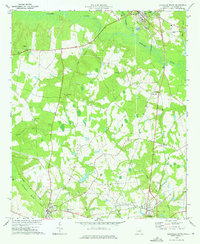 1973 Louisville South1976 Print · USGSJefferson County thrived as a rail and river hub in the early seventies, with the Central of Georgia linking small towns. Genealogists can locate family landmarks like Ebenezer Cemetery, Old Bethel Church, and Moxley.2 unique versions available
 - 1973 Map of Old Town, 1976 Print
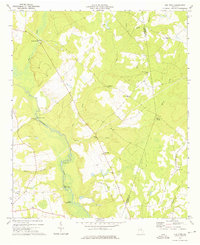 1973 Old Town1976 Print · USGSSettlements and river bends along the Ogeechee River defined this corner of Georgia in the early 1970s. Genealogists and historians can trace the locations of numerous rural churches like Mt Olive Ch and Union Bethel Ch, or locate the Old Railroad Grade near Old Town.
 - 1981 Map of Dublin
 1981 Dublin1981 Print · USGSEast Georgia in the early eighties shows a landscape defined by its river basins and a persistent rail network. Genealogists and historians can trace family roots through historic town centers like Sandersville, Swainsboro, and Louisville or follow the Old Railroad Grade.
 - 1981 Map of Thomson, 1982 Print
 1981 Thomson1982 Print · USGSEast Georgia in the early eighties shows a transition from the urban fringes of Augusta to the deep river valleys of the Savannah River and Ogeechee River. Genealogists and historians can trace rail-side communities like Boneville, Camak, and Mesena along the historic Georgia railroad line.
 - 1988 Map of Athens
 1988 Athens1988 Print · USGSThe Georgia Piedmont and South Carolina borderlands appear in the late eighties as a landscape of vast reservoirs and growing towns. Researchers can trace the legacy of the Georgia RR connecting Athens and Augusta, or locate landmarks within Oconee National Forest.
 - 1988 Map of Macon, 1989 Print
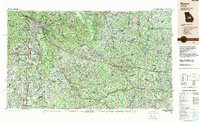 1988 Macon1989 Print · USGSCentral Georgia is captured during the late eighties, showing the expansive river systems and growing urban hubs of the regional interior. Genealogists and historians can trace the paths of the Central of Georgia Railroad and locate communities like Warner Robbins, Dublin, and Sandersville.
 - 2011 Map of Louisville South, 2011 Print
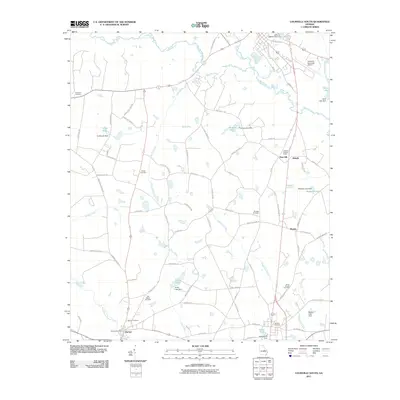 2011 Louisville South2011 Print · USGSJefferson County's rural landscape is captured here in the early twenty-first century as agricultural life continues around historic crossroads. Genealogists and historians can locate family landmarks such as Old Bethel Cemetery, the Bartow Post Office, and Pine Hill.
 - 2011 Map of Old Town, 2011 Print
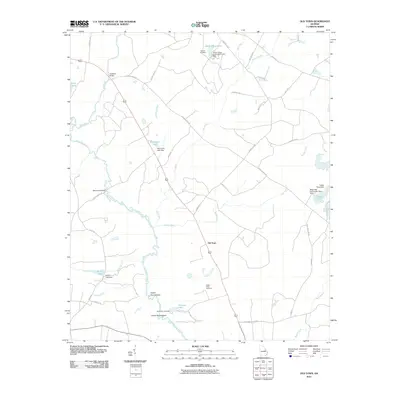 2011 Old Town2011 Print · USGSThe rural Jefferson County landscape near the Ogeechee River is captured here in the early twenty-first century. Genealogists can locate family landmarks like Causey Cemetery and Street Place Cemetery or trace the river's path through the Upper Roundabout.
 - 2011 Map of Louisville, 2011 Print
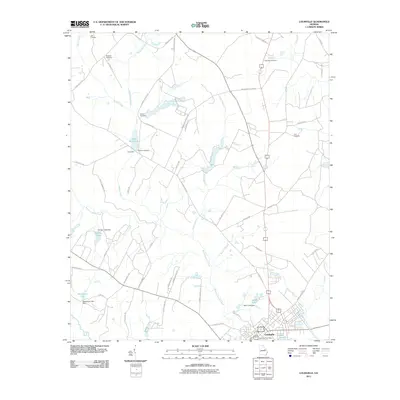 2011 Louisville2011 Print · USGSLouisville and the surrounding Jefferson County countryside are captured here in the early twenty-first century. Genealogists and local historians can trace family roots at Pioneer Cemetery, Ebenezer Cemetery, and the historic Clarks Mill.
 - 2014 Map of Old Town, 2014 Print
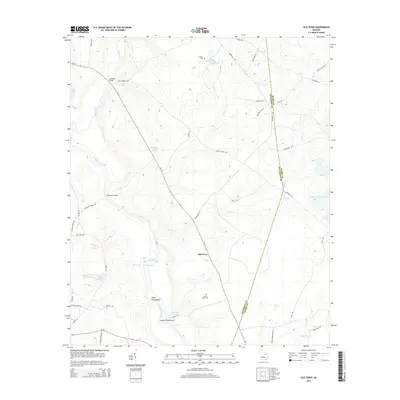 2014 Old Town2014 Print · USGSJefferson and Burke counties meet in this river-bottom landscape along the Ogeechee during the early twenty-first century. Genealogists can trace family landmarks like Street Place Cem or follow the river to the Upper Roundabout and Old Town.
 - 2014 Map of Louisville, 2014 Print
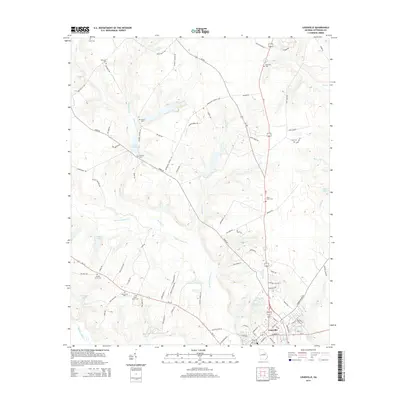 2014 Louisville2014 Print · USGSJefferson County's seat and the surrounding countryside are shown here at the start of the 2010s. Genealogists can trace family heritage through numerous burial sites like Pioneer Cem and Garden Grove Cem, or locate landmarks like Clarks Mill Pond.
 - 2014 Map of Louisville South, 2014 Print
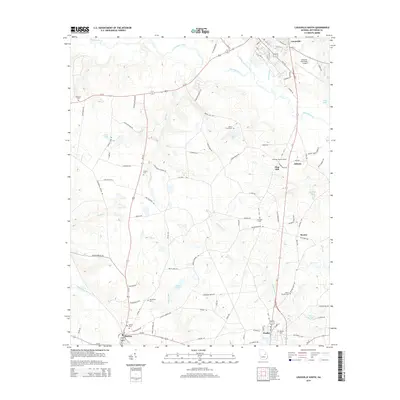 2014 Louisville South2014 Print · USGSJefferson County in the early twenty-first century reveals a landscape defined by the Ogeechee River and deep-rooted rural communities. Genealogists and local historians can trace family locations through numerous sites like Old Bethel Cem, Bentley Cem, and the settlement of Moxley.
 - 2017 Map of Louisville, 2017 Print
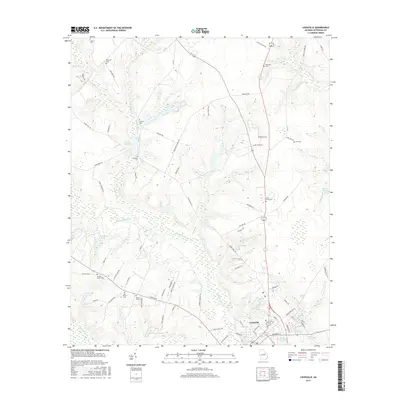 2017 Louisville2017 Print · USGSLouisville sits at the heart of this Jefferson County landscape during the mid-2010s, positioned where the Ogeechee River meets the local creek networks. Genealogists and historians can trace numerous community landmarks, including Dixon Grove Cem, Garden Grove Cem, and Clarks Mill Pond.
 - 2017 Map of Louisville South, 2017 Print
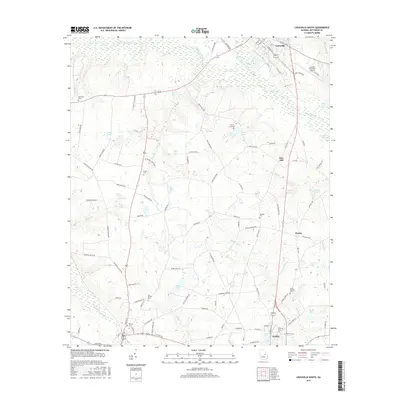 2017 Louisville South2017 Print · USGSJefferson County's rural landscape is captured in the late twenty-teens, showing the area between Louisville and Wadley. Genealogists and local historians can trace family locations through numerous rural burial grounds like Old Bethel Cem and Parker Cem along the Ogeechee River valley.
Showing maps 1-25 of 32
Top cities near Louisville
- Wadley historical maps
- Wrens historical maps
- Davisboro historical maps
- Midville historical maps
- Stapleton historical maps
- Bartow historical maps
See more
Frequently asked questions
- What are the different types of historical maps available for Louisville?
- What is the oldest map of Louisville?
- Where can I purchase historical maps of Louisville for my home or office?
- Where can I download high-res historical maps of Louisville?
- Are there historical topographic maps available for Louisville?
- Is there historical aerial imagery available for Louisville?
- Where are historical maps of Louisville sourced from?