Old Maps of Lincoln County, Georgia for Metal Detecting
Plan your next treasure hunt with 81 historic maps of Lincoln County. Find old homesites, ghost towns, trails, and gathering spots that may be lost to time — perfect for identifying promising metal detecting locations.
- Locate forgotten sites: Uncover places like long-lost settlements, abandoned rail lines, or gathering spots.
- Plan better hunts: Use map overlays combined with LiDAR or satellite views to narrow in on historically rich areas.
- Made for detectorists: Thousands of hobbyists use these maps to discover relics, coins, and hidden history.
Use these historic maps to boost your research and find new opportunities beneath the surface of Lincoln County.
Lincoln County, GA maps
(81)- 1892 Map of Mc Cormick
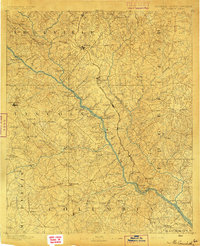 1892 Mc Cormick1892 Print · USGSThe Savannah River borderlands in the 1890s reveal a network of historic ferries and early mills connecting Georgia and South Carolina. Genealogists can trace family roots through landmarks like Dunn Chapel, Searle Mill, and the crossings at Barksdale Ferry.5 unique versions available
 - 1906 Map of Crawfordville
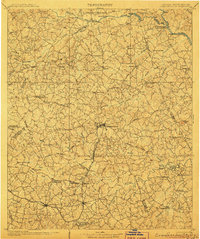 1906 Crawfordville1906 Print · USGSUpper Georgia and the South Carolina border come alive in this early century survey, showing a landscape defined by river ferries and mining sites. Genealogists can trace family roots through old post offices like Triplett P.O. or find historic crossings like Fishdam Ferry and the Columbia Mines.3 unique versions available
 - 1912 Map of Mc Cormick, 1913 Print
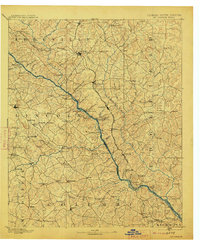 1912 Mc Cormick1913 Print · USGSThe Georgia and South Carolina borderlands come alive in the 1890s, centered on the rail junction at Mc Cormick and the Savannah River. Genealogists can trace family footprints across numerous river crossings like Fury Ferry and through rural centers such as Appling and Sharon Church.
 - 1920 Map of Clarks Hill
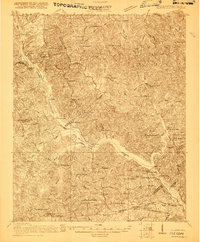 1920 Clarks Hill1920 Print · USGSThe Savannah River border between South Carolina and Georgia comes alive in this survey, showing the region as it was before the creation of the massive Clarks Hill Lake. Genealogists can trace family landmarks like Gilchrist Ferry, Hosannah Church, and Flat Rock School during the heyday of the Charleston and Western Carolina railroad.
 - 1921 Map of Clarks Hill
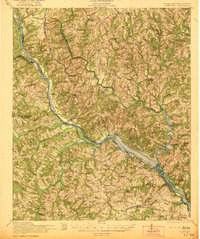 1921 Clarks Hill1921 Print · USGSThe Savannah River valley in the early twenties was a landscape of ferries and railroad sidings before the creation of modern reservoirs. Genealogists can trace family footprints through dozens of rural landmarks like Hosannah Church, Dorn School, and Gilchrist Ferry.3 unique versions available
 - 1921 Map of Appling
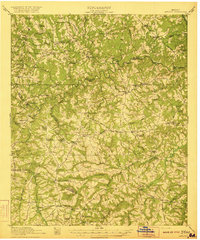 1921 Appling1921 Print · USGSColumbia County in the years following the Great War was a landscape of small agricultural communities and river crossings. Researchers can trace ancestral locations through dozens of named sites like Martins Academy, Lockhart Ferry, and the Whiteoak Camp Ground.3 unique versions available
 - 1941 Map of Clarks Hill, 1957 Print
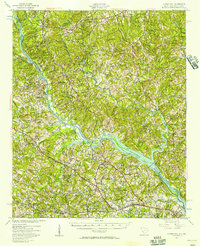 1941 Clarks Hill1957 Print · USGSThe Savannah River valley remained a landscape of ferries and river-to-rail commerce just before the era of major dam construction. Genealogists and historians can trace family roots through numerous rural landmarks like Cary Hill Ch, Modoc, and Gilchrist Ferry.2 unique versions available
 - 1942 Map of Clarks Hill
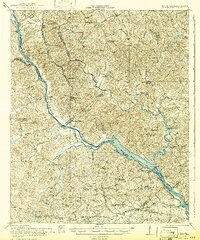 1942 Clarks Hill1942 Print · USGSThe Savannah River valley along the South Carolina and Georgia border comes alive in this survey from the era of river ferries and local rail. Genealogists can trace family landmarks like Hosannah Church, Dents Ferry, and the Flat Rock School.
 - 1943 Map of Appling
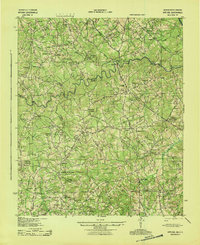 1943 Appling1943 Print · USGSEastern Georgia and the Savannah River watershed are captured here during the early 1940s. Genealogists can trace family roots through numerous schools and churches, from Martins Academy to Hosea Chapel and Lockhart Ferry.
 - 1953 Map of Athens, 1966 Print
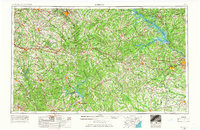 1953 Athens1966 Print · USGSGeorgia's Piedmont and Savannah River borderlands come alive in this mid-century survey of the region surrounding Athens and Augusta. Trace the rail-and-river economy through the Georgia RR and landmarks like the Fort Gordon Military Reservation.3 unique versions available
 - 1954 Map of Metasville, 1955 Print
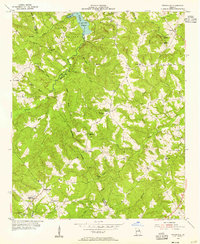 1954 Metasville1955 Print · USGSWilkes and Lincoln Counties appear here in the mid-fifties, just as the landscape was being reshaped by the new Clark Hill Reservoir. Genealogists and historians can locate rural landmarks like Metasville High Sch, the Magruda Mines, and several country churches including St Lukes Ch.3 unique versions available
 - 1955 Map of Broad, 1956 Print
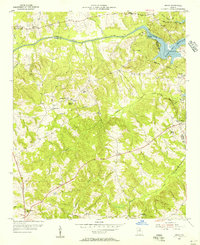 1955 Broad1956 Print · USGSWilkes and Elbert counties meet along the Broad River in the mid-1950s as the rising waters of Clark Hill Reservoir begin to transform the landscape. Family historians can trace rural congregations and early schools like Popes Chapel, Tabor Ch, and Pole Branch Sch.2 unique versions available
 - 1955 Map of Chennault, 1956 Print
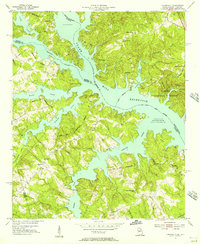 1955 Chennault1956 Print · USGSThe Georgia-South Carolina border was undergoing a massive transformation in the mid-fifties as the Clark Hill Reservoir filled. Researchers can trace rural life in settlements like Chennault and Graball or locate family landmarks like Mt Pleasant Ch and New Tabernacle Sch.3 unique versions available
 - 1958 Map of Athens
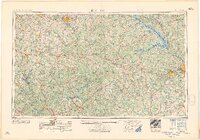 1958 Athens1958 Print · USGSNorth-central Georgia and the Savannah River valley are captured in the late fifties, showing the region as the new reservoirs were filling. Researchers can trace historic rail lines like the Georgia RR and locate rural landmarks such as Social Circle, Graves Mountain, and the Fort Gordon Military Reservation.
 - 1959 Map of Athens
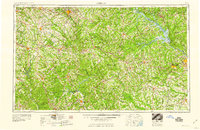 1959 Athens1959 Print · USGSNortheast Georgia and the South Carolina borderlands appear here in the mid-fifties, during a decade of infrastructure growth. Genealogists and historians can trace the rail-and-river geography of towns like Social Circle, the sprawl of Fort Gordon Military Reservation, and the newly formed Clark Hill Reservoir.
 - 1963 Map of Athens
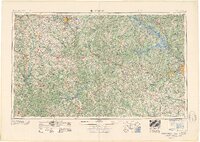 1963 Athens1963 Print · USGSGeorgia's Piedmont and the Savannah River valley are captured in the early sixties as major reservoirs and military installations reshaped the landscape. Researchers can trace the development of Clark Hill Reservoir, locate the Fort Gordon Military Reservation, and find historic towns like Social Circle and Eatonton.
 - 1964 Map of Lincolnton, 1966 Print
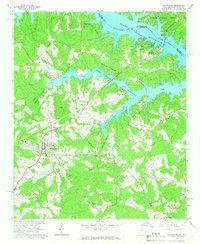 1964 Lincolnton1966 Print · USGSLincolnton and the Georgia-South Carolina borderlands appear here in the mid-sixties, just as the reservoir system reshaped the Savannah River valley. Genealogists can trace family landmarks and rural congregations like Smith Chapel Cem, Price Grove Ch, and the settlement of Leverett.2 unique versions available
 - 1964 Map of Willington, 1966 Print
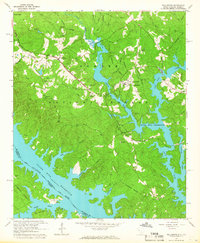 1964 Willington1966 Print · USGSThe McCormick County borderlands and the Savannah River valley are captured here in the mid-sixties, showcasing the rising waters of the Clark Hill Reservoir. Trace local history at the De La Howe State School and old rural sites like Little Mill Ch Cem.3 unique versions available
 - 1964 Map of Clarks Hill, 1966 Print
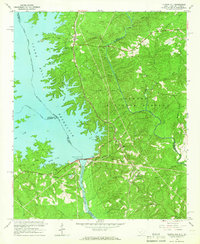 1964 Clarks Hill1966 Print · USGSThe Savannah River borderlands are captured here in the mid-sixties, just as the newly formed reservoir was reshaping the South Carolina-Georgia line. Genealogists can trace family landmarks like Jones Cem, Bethany Ch, and the Clarks Hill Sch.3 unique versions available
 - 1964 Map of Parksville, 1967 Print
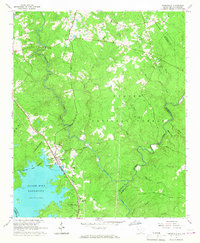 1964 Parksville1967 Print · USGSThe McCormick County backcountry was undergoing significant change in the 1960s as the Clark Hill Reservoir reshaped the Savannah River valley. Genealogists can trace old community centers like Parksville, Whitetown, and Mims Sch No 2 alongside the Atlantic Coast Line RR.2 unique versions available
 - 1964 Map of Plum Branch, 1967 Print
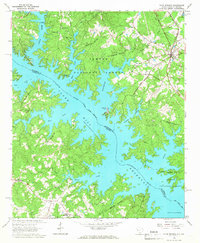 1964 Plum Branch1967 Print · USGSThe Savannah River borderlands were being reshaped by the rising reservoir in the mid-sixties, as forests and new shorelines met traditional rail corridors. Genealogists can trace rural communities like Plum Branch, Martins Crossroads, and Republican Ch along the Seaboard Coast Line.2 unique versions available
 - 1971 Map of Leah, 1973 Print
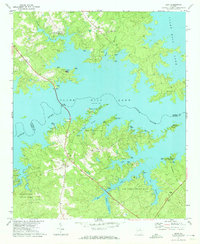 1971 Leah1973 Print · USGSThe Columbia County lakefront in the early 1970s is defined by the winding reaches of Clark Hill Lake and its many wooded inlets. Local historians can trace established landmarks like the settlement of Leah, the Fort Gordon Recreation Area, and rural sanctuaries like Damascus Ch.2 unique versions available
 - 1971 Map of Woodlawn, 1974 Print
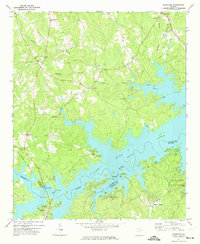 1971 Woodlawn1974 Print · USGSLincoln County and its neighbors are seen here in the early seventies, as the sprawling waters of Clark Hill Lake redefined the local landscape. Genealogists can trace rural roots through landmarks like Loco Holiness Ch, Antioch Ch, and the settlement at Leathersville.
 - 1972 Map of Aonia, 1974 Print
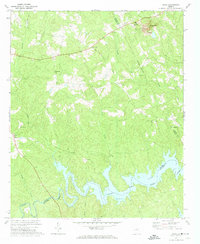 1972 Aonia1974 Print · USGSWilkes County life in the early seventies centered on rural crossroads and the rising waters of the Little River. Genealogists can locate family landmarks like Hearns Chapel Cem, the Ship Mine, and the settlement of Aonia.2 unique versions available
 - 1980 Map of Clark Hill Lake, 1981 Print
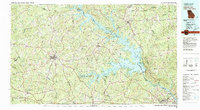 1980 Clark Hill Lake1981 Print · USGSThe Georgia and South Carolina borderlands in the early eighties were defined by the expansive Clark Hill Lake and the winding Savannah River. Genealogists and historians can trace rail lines like the Georgia Railroad, find the De La Howe State School, and locate rural centers like Tignall and Appling.
Showing maps 1-25 of 81
Top cities of Lincoln County
Frequently asked questions
- What are the different types of historical maps available for Lincoln County?
- What is the oldest map of Lincoln County?
- Where can I purchase historical maps of Lincoln County for my home or office?
- Where can I download high-res historical maps of Lincoln County?
- Are there historical topographic maps available for Lincoln County?
- Is there historical aerial imagery available for Lincoln County?
- Where are historical maps of Lincoln County sourced from?