Old Maps of Pleasant Hill, Georgia
Explore 17 old maps of Pleasant Hill, spanning from 1886 to today. These high-resolution historic maps reveal how streets, neighborhoods, landmarks, and natural features evolved over time — perfect for genealogy, metal detecting, research, and local history exploration.
What you can do with these maps:
- See how Pleasant Hill changed over time: Compare historical maps to modern-day views to trace roads, homesites, rail lines & more.
- View detailed metadata: Each map includes creators, publishers, year, scale, and archive source.
- Overlay maps with satellite & LiDAR: Visualize the past alongside modern tools to explore terrain & human change.
- Trusted historical sources: Maps sourced from the USGS, Library of Congress, and other archives.
- Access maps your way: View online, download high-res files, or order prints for personal or research use.
Start exploring old maps of Pleasant Hill to uncover forgotten places, hidden landmarks, and the deep history beneath your feet.
Pleasant Hill, GA maps
(17)- 1886 Map of Dahlonega
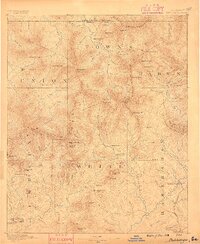 1886 Dahlonega1886 Print · USGSThe North Georgia mountains in the mid-1880s reveal a landscape of mining camps and early settlements before the modern era. Genealogists and historians can trace family-named landmarks like Helton's Field and Osbornes, or locate the Findley Mine and the Indian Mound.
 - 1892 Map of Dahlonega
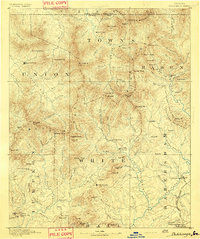 1892 Dahlonega1892 Print · USGSThe North Georgia mountains come alive in the late nineteenth century, showing the rugged terrain around the mining hub of Dahlonega. Genealogists and historians can trace family-named sites like Osbornes, find the elusive Gold Mine, and locate the Indian Mound.2 unique versions available
 - 1896 Map of Dahlonega
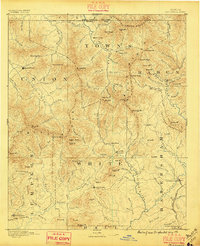 1896 Dahlonega1896 Print · USGSThe Blue Ridge and North Georgia gold belt are shown here in the 1890s, when mining and mountain gaps defined local travel. Genealogists can trace family roots in Dahlonega, Porter Springs, and the Findley Mine or locate early settlements like Nacoochee.
 - 1903 Map of Dahlonega
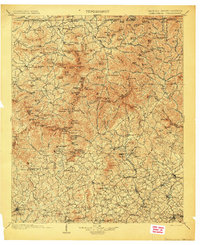 1903 Dahlonega1903 Print · USGSNorth Georgia and the Blue Ridge were defined by mountain settlements and early industry at the turn of the century. Genealogists and historians can trace family locations across the Nacoochee Valley, locate the Asbestos Mines, or find old sites like Loudsville and Porter Springs.5 unique versions available
 - 1935 Map of Gumlog
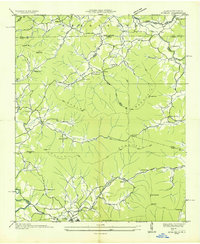 1935 Gumlog1935 Print · USGSUpper Georgia and North Carolina meet in this mid-1930s landscape, where mountain gaps and creek valleys dictate the layout of rural life. Researchers can trace the heritage of remote settlements like Gumlog and find local landmarks such as Ownby Mill and Zebulon Ch.
 - 1941 Map of Gumlog, 1960 Print
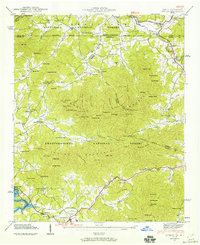 1941 Gumlog1960 Print · USGSThe mountain valleys of Union County appear here just as the landscape was changing with the creation of Nottely Lake. Genealogists and local historians can trace family-named sites like Many Forks Ch, Owenby Mill, and the Pleasant Hill Cem.2 unique versions available
 - 1942 Map of Gumlog
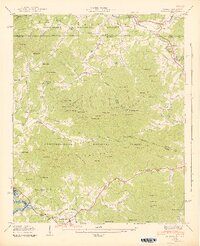 1942 Gumlog1942 Print · USGSThe Georgia and North Carolina borderlands are caught in detail during the early 1940s as the Nottely River valley began its transformation. Genealogists and local historians can trace family roots through Smyrna Sch, Caldwell Cem, and the milling history at Owenby Mill.2 unique versions available
 - 1954 Map of Greenville, 1965 Print
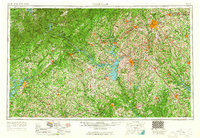 1954 Greenville1965 Print · USGSThe Upstate and Northeast Georgia are captured here during a decade of massive transformation as new reservoirs reshaped the Piedmont. Genealogists and hikers can trace the Appalachian Trail over Brasstown Bald or locate old community centers like Demorest, Westminster, and Royston.3 unique versions available
 - 1958 Map of Greenville
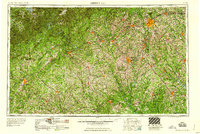 1958 Greenville1958 Print · USGSThe Piedmont and Blue Ridge foothills come alive in this mid-century survey of the Upstate and Northeast Georgia. Trace the regional rail-and-river economy through the Southern Railway corridors and early reservoir developments like Lake Sidney Lanier.
 - 1966 Map of Blairsville, 1968 Print
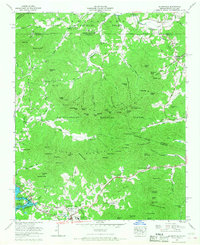 1966 Blairsville1968 Print · USGSThe Georgia-North Carolina border country comes into focus in the 1960s, centered on the growing mountain community of Blairsville. Genealogists and historians can trace local landmarks like Pine Log Village, Scrougetown, and Bethlehem Ch.2 unique versions available
 - 1981 Map of Toccoa, 1982 Print
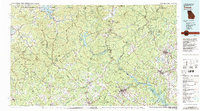 1981 Toccoa1982 Print · USGSThe tri-state mountain region where Georgia meets the Carolinas is shown here in the early eighties. Genealogists and historians can trace family-named locations and settlements from Dahlonega to Tallulah Falls, along with the Southern rail corridor.2 unique versions available
 - 1988 Map of Blairsville
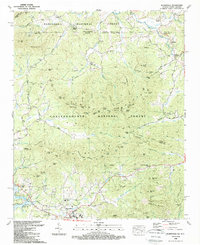 1988 Blairsville1988 Print · USGSNorth Georgia and the North Carolina border meet in the late eighties at the foot of the Blue Ridge Mountains. Genealogists and historians can trace community roots through numerous landmarks like Pine Log Village, Henderson Cem, and Many Forks Ch.
 - 2011 Map of Blairsville, 2011 Print
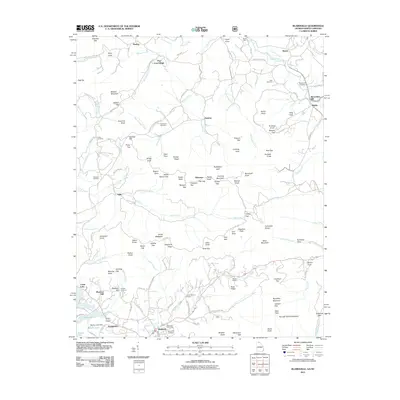 2011 Blairsville2011 Print · USGSThe Georgia and North Carolina borderlands come into focus in this early twenty-first-century survey of the Blue Ridge foothills. Genealogists and historians can trace family locations near Alexanders Mill, Henderson Cemetery, and the mountain crossroads of Blairsville.
 - 2014 Map of Blairsville, 2014 Print
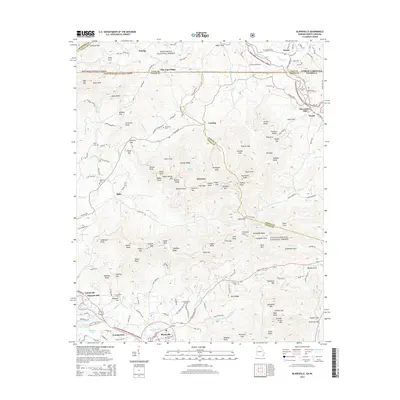 2014 Blairsville2014 Print · USGSThe North Georgia mountains and the North Carolina border meet here in the early twenty-first century. Genealogists and historians can trace family locations near Blairsville or locate burial sites at Zebulon Cemetery and Alexanders Mill.
 - 2017 Map of Blairsville, 2017 Print
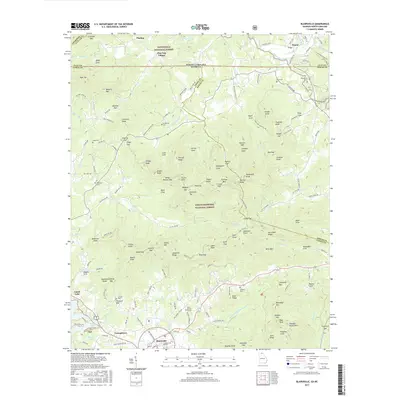 2017 Blairsville2017 Print · USGSThe Blue Ridge mountains meet the state line in this 2010s survey of Blairsville, showing a landscape of deep coves and high national forest peaks. Genealogists can locate family landmarks like Gumlog Cem, Youngstown, and Ebenezer Cem.
 - 2020 Map of Blairsville, 2020 Print
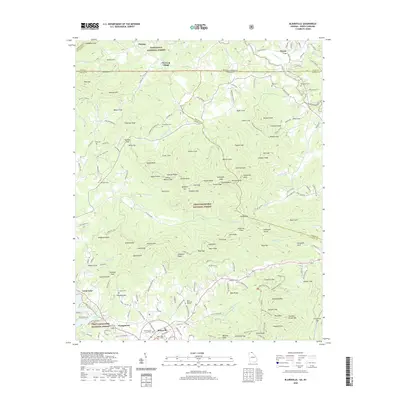 2020 Blairsville2020 Print · USGSThe Georgia-North Carolina border country comes into sharp focus during the early twenty-first century, centered on the historic mountain town of Blairsville. Genealogists and local historians can trace family sites at Zebulon Cem and Blairsville Cem or locate the civic heart at the Union County Courthouse.
 - 2024 Map of Blairsville, 2024 Print
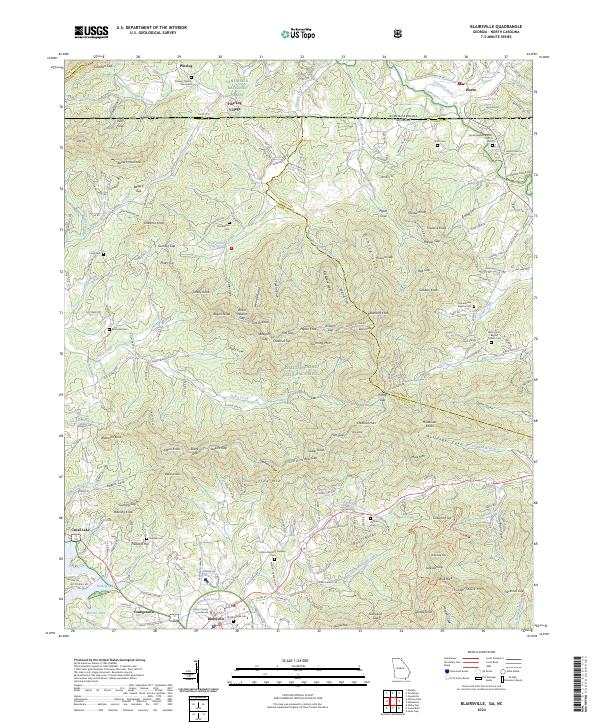 2024 Blairsville2024 Print · USGSThe North Georgia mountains near the state line are shown here in the 2020s, centering on the seat of Union County. Genealogists can trace local roots at the Union County Courthouse, Old Blairsville Cem, and Old Brasstown Baptist Church.
End of results
Showing maps 1-17 of 17
Top cities near Pleasant Hill
- Murphy historical maps
- Hiawassee historical maps
- Blairsville historical maps
- Young Harris historical maps
- Hayesville historical maps
Frequently asked questions
- What are the different types of historical maps available for Pleasant Hill?
- What is the oldest map of Pleasant Hill?
- Where can I purchase historical maps of Pleasant Hill for my home or office?
- Where can I download high-res historical maps of Pleasant Hill?
- Are there historical topographic maps available for Pleasant Hill?
- Is there historical aerial imagery available for Pleasant Hill?
- Where are historical maps of Pleasant Hill sourced from?