1960s Maps of Nanawale Farm/Ranch Lots, Hawaii
Explore 5 historic maps of Nanawale Farm/Ranch Lots from the 1960s. These maps offer a rare glimpse into what life looked like during the 1960s — showing old roads, neighborhoods, homes, and landmarks that have changed or disappeared over time.
Whether you're researching your family's past, planning a metal detecting trip, or studying how Nanawale Farm/Ranch Lots's landscape evolved across the 1960s, these high-resolution maps are a powerful tool for exploring the history of this region.
- Focus on a specific era: All maps on this page are from the 1960s, giving you a focused view of this time period.
- See what’s changed: Compare century-old streets, trails, and buildings to today's modern landscape using overlays and satellite layers.
- Research with precision: Use these maps for genealogy, historical research, land use analysis, or educational projects.
- View, download, or print: Maps are fully viewable online in high resolution, and can be downloaded or printed for your own records.
Start exploring Nanawale Farm/Ranch Lots's history through authentic maps from the 1960s. This is your window into the past.
Nanawale Farm/Ranch Lots, HI maps
(5)- 1961 Map of Hawaii North
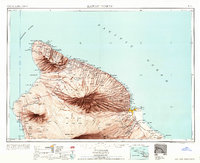 1961 Hawaii North1961 Print · USGSThe Big Island's northern reaches are shown here in the early sixties, during the peak of the sugar era and before modern resort development. Researchers can trace the Hawaii Consolidated railroad, locate the Ahu a Umi Heiau Ruins, and explore sugar industry landmarks like the Pacific Sugar Mill.2 unique versions available
 - 1961 Map of Hawaii South
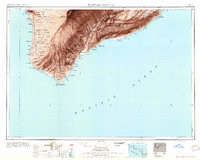 1961 Hawaii South1961 Print · USGSThe southern region of the Big Island appears here in the early sixties, illustrating a landscape of volcanic craters and remote agricultural outposts. Genealogists and historians can trace the locations of Wood Valley Camp, the Koa Mill, and the ruins at Kahio.
 - 1962 Map of Hawaii South
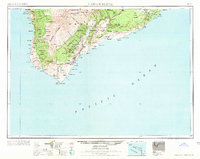 1962 Hawaii South1962 Print · USGSThe southern half of Hawaii Island in the early sixties showcases a landscape defined by volcanic rifts and coastal settlements. Researchers can trace the Hawaii Consolidated rail line, find the Kuee (Ruined) site, and locate remote camps like Hooper Camp.2 unique versions available
 - 1965 Map of Pahoa North, 1967 Print
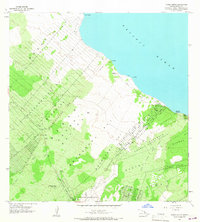 1965 Pahoa North1967 Print · USGSThe Puna coast in the mid-1960s reveals a unique landscape shaped by volcanic history and early homesteading. Researchers can trace the massive Lava Flow 1840, explore the remote Honolulu Landing, and locate the Makuu (Site) along the shore.2 unique versions available
 - 1966 Map of Pahoa South, 1967 Print
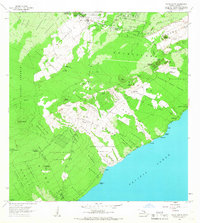 1966 Pahoa South1967 Print · USGSThe Puna District of Hawaii in the mid-sixties shows a landscape transformed by recent volcanic activity. Researchers can trace the massive Lava Flow of 1955 as it moves past Kaniahiku Village and through various Kamaili Homesteads toward the coast.
End of results
Showing maps 1-5 of 5
Frequently asked questions
- What are the different types of historical maps available for Nanawale Farm/Ranch Lots?
- What is the oldest map of Nanawale Farm/Ranch Lots?
- Where can I purchase historical maps of Nanawale Farm/Ranch Lots for my home or office?
- Where can I download high-res historical maps of Nanawale Farm/Ranch Lots?
- Are there historical topographic maps available for Nanawale Farm/Ranch Lots?
- Is there historical aerial imagery available for Nanawale Farm/Ranch Lots?
- Where are historical maps of Nanawale Farm/Ranch Lots sourced from?