Old Maps of Chubbuck, Idaho for Hiking & Exploration
Hike through history with 20 historic maps of Chubbuck. Explore old trails, ghost towns, and forgotten backroads — perfect for outdoor adventurers and local explorers.
- Rediscover forgotten places: Map out old mining camps, roads, and footpaths that no longer exist on modern maps.
- Layer with modern tools: Combine with LiDAR or satellite views to plan hikes through historical terrain.
- Made for exploration: Popular among hikers, overlanders, and local history lovers.
Use these maps to find adventure and explore the hidden past of Chubbuck.
Chubbuck, ID maps
(20)- 1934 Map of Michaud, 1957 Print
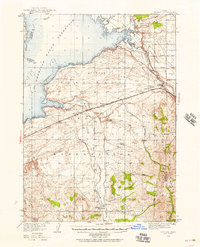 1934 Michaud1957 Print · USGSThe Fort Hall Indian Reservation was undergoing significant changes in the 1930s as the American Falls Reservoir reshaped the valley. Genealogists and historians can trace the paths of the Oregon Trail, locate the Indian Cem, and find old rail stops at Schiller and Michaud.
 - 1937 Map of Pocatello
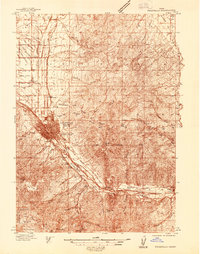 1937 Pocatello1937 Print · USGSBannock County is captured in the late 1930s as a burgeoning rail and highway crossroads along the Portneuf River. Genealogists can locate family landmarks in old Alameda, trace the Fort Hall Mine, or find rural school sites like Blackrock Sch.3 unique versions available
 - 1937 Map of Michaud
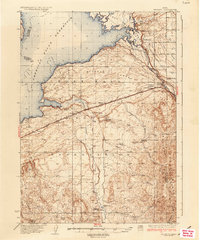 1937 Michaud1937 Print · USGSThe Fort Hall Indian Reservation and its mid-century transportation networks are documented here just as the aviation age was taking flight. Genealogists and historians can trace family-named sites and early infrastructure like the Indian School, Indian Cem, and the path of the Old Oregon Trail.
 - 1944 Map of Pocatello
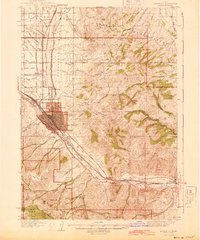 1944 Pocatello1944 Print · USGSBannock County and the Fort Hall Indian Reservation are captured here in the years leading up to the second World War. Researchers can trace the early streets of Pocatello and Alameda, or locate rural landmarks like the Portneuf Sch and the Fort Hall Mine.
 - 1954 Map of Pocatello, 1963 Print
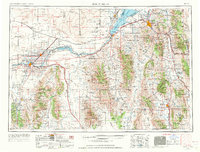 1954 Pocatello1963 Print · USGSSoutheast Idaho in the mid-1950s reveals a landscape shaped by massive water reclamation and mountain forests. Researchers can trace the development of the Fort Hall Indian Reservation or locate specific landmarks like the Arbon P O and Emerson School.4 unique versions available
 - 1958 Map of Pocatello
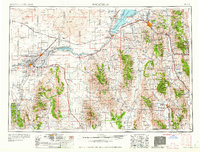 1958 Pocatello1958 Print · USGSSoutheastern Idaho in the late fifties was a landscape of expanding reservoirs and historic trails. Genealogists and historians can trace the Old Oregon Trail, locate the Bannock Creek Indian Day School, and study the many Union Pacific rail sidings.2 unique versions available
 - 1971 Map of Pocatello North, 1974 Print
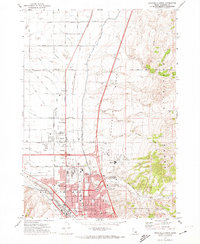 1971 Pocatello North1974 Print · USGSNorth of Pocatello during the early seventies, the landscape shows a transition from the Fort Hall Indian Reservation Boundary to growing suburban tracts. Local historians can trace development through labels for the Drive-in Theater, Chubbuck School, and the Union Pacific line.2 unique versions available
 - 1971 Map of Michaud, 1974 Print
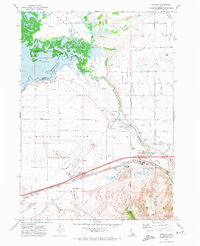 1971 Michaud1974 Print · USGSPower County and the Fort Hall Indian Reservation meet here in the early seventies as the Portneuf River feeds the reservoir. Genealogists and historians can trace family-named roads and sites like Reider Cemetery, Indian Cem, and the settlement of Michaud.4 unique versions available
 - 1974 Map of Pocatello North, 1975 Print
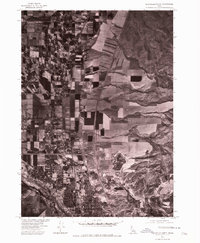 1974 Pocatello North1975 Print · USGSSoutheastern Idaho's urban-rural boundary is captured in the mid-1970s as the northern expansion of Pocatello meets the surrounding farmland. Genealogists and local historians can trace the development of Chubbuck and the rural outpost of Tyhee along the Portneuf River valley.
 - 1984 Map of Pocatello
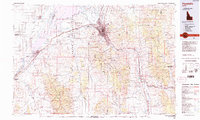 1984 Pocatello1984 Print · USGSSoutheast Idaho in the early eighties centers on the industrial and rail corridor between Pocatello and the Snake River. Genealogists and historians can trace routes through the Fort Hall Indian Reservation or locate family sites near American Falls and Lava Hot Springs.2 unique versions available
 - 2010 Map of Pocatello North, 2010 Print
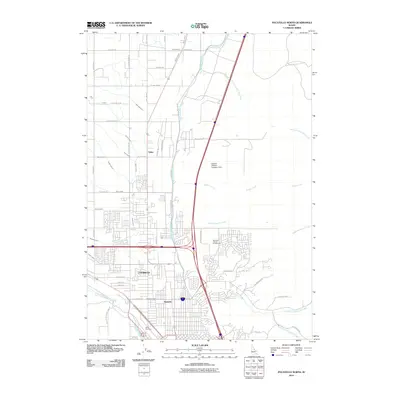 2010 Pocatello North2010 Print · USGSThe northern suburbs of Pocatello come into sharp focus in the early 21st century, showing the rapid growth of Chubbuck and Tyhee. Genealogists and local historians can trace the evolution of the valley through features like Cemetery Rd, the Bannock County Fairgrounds, and the intricate web of irrigation laterals.
 - 2010 Map of Michaud, 2010 Print
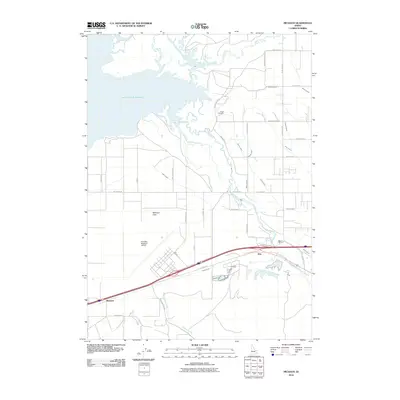 2010 Michaud2010 Print · USGSSoutheast Idaho's agricultural and transit corridors come into focus at the edge of the American Falls Reservoir during the early 2010s. Researchers can trace the legacy of local irrigation through the Taghee Canal and locate historical landmarks like the Indian Cemetery.
 - 2013 Map of Pocatello North, 2013 Print
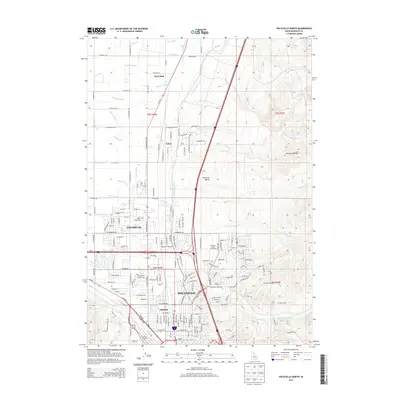 2013 Pocatello North2013 Print · USGSPocatello and Chubbuck are shown here in the early twenty-first century, revealing a landscape defined by industrial rail corridors and complex irrigation. You can trace the Union Pacific line as it cuts through Alameda or explore the many laterals and canals like the Fort Hall Main Canal and Tyhee Wasteway.
 - 2013 Map of Michaud, 2013 Print
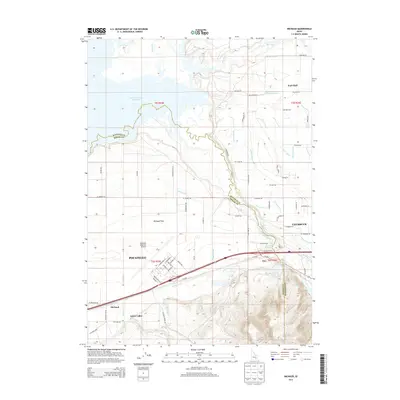 2013 Michaud2013 Print · USGSThe northern edge of Pocatello and the vast American Falls Reservoir area are shown here during a period of modern growth. Researchers can trace the complex irrigation networks of the Taghee Canal or locate local landmarks like the Pocatello Regional Airport and Batiste Springs.
 - 2017 Map of Michaud, 2017 Print
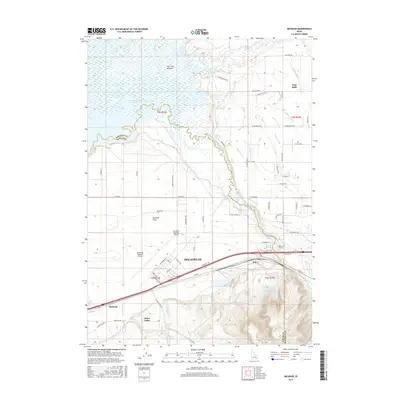 2017 Michaud2017 Print · USGSPocatello and the surrounding wetlands of the Portneuf River basin appear in fine detail in the late 2010s. Researchers can trace the intersection of the Pocatello Regional Airport with local landmarks like Batiste Springs and the rural settlement of Don.
 - 2017 Map of Pocatello North, 2017 Print
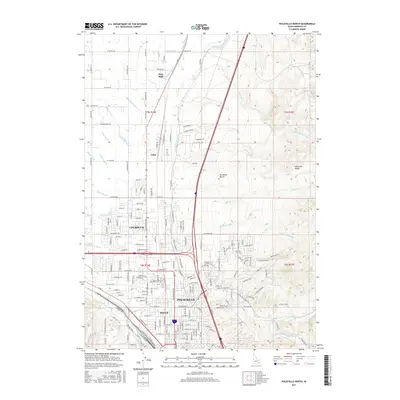 2017 Pocatello North2017 Print · USGSThe northern edge of the Gate City and its neighbor Chubbuck are captured here during a period of modern growth. Genealogists and local historians can trace family-named roads and landmarks from Fort Hall to the Pocatello Bench, including the complex irrigation system of the Fort Hall Main Canal.
 - 2020 Map of Michaud, 2020 Print
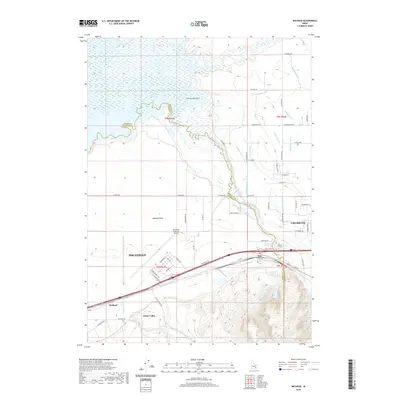 2020 Michaud2020 Print · USGSThe western edge of Pocatello meets the Snake River Plain in this recent Idaho survey. Local researchers can trace the reach of the Portneuf River and explore the development around Chubbuck, Arbon Valley, and the Pocatello Regional Airport.
 - 2020 Map of Pocatello North, 2020 Print
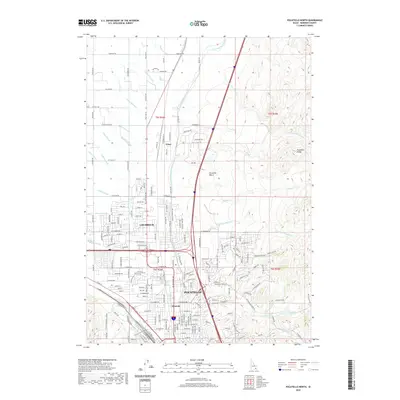 2020 Pocatello North2020 Print · USGSBannock County is captured at a moment of urban and agricultural intersection in the years before the 2020s. Researchers can trace the development of Pocatello and Chubbuck or follow the intricate irrigation system from the Fort Hall Main Canal to the Tyhee Wasteway.
 - 2024 Map of Pocatello North, 2024 Print
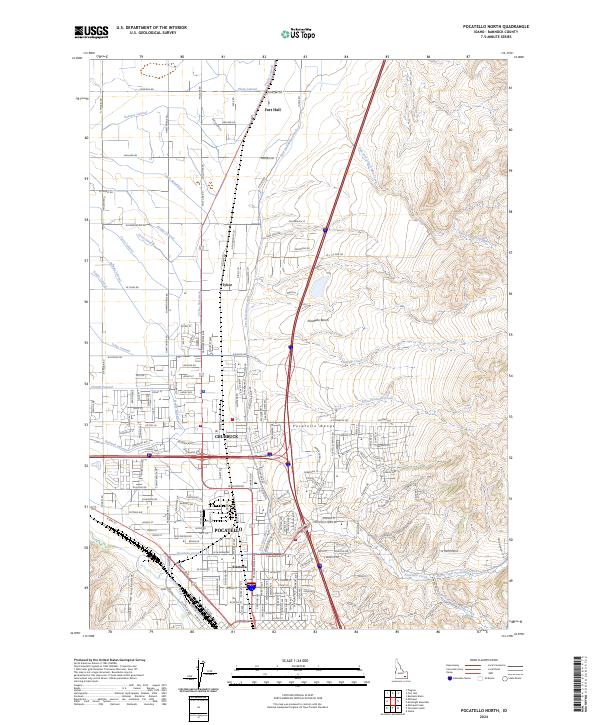 2024 Pocatello North2024 Print · USGSBannock County's urban and agricultural boundary is on display in the modern era as the growth of Chubbuck and Pocatello reaches toward Fort Hall. Researchers can trace the intricate irrigation network of the Fort Hall Main Canal and find family-named roads like Siler Rd and N Dekay Rd.
 - 2024 Map of Michaud, 2024 Print
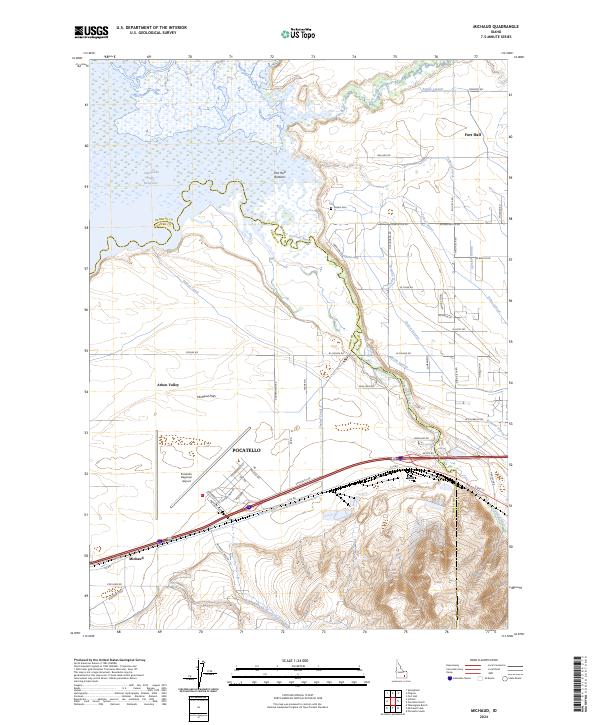 2024 Michaud2024 Print · USGSPower County and the outskirts of Pocatello are captured here in the mid-2020s, showing the vital intersection of the Snake River plain and modern aviation. Researchers can trace the irrigation systems of Taghee Canal and find local landmarks like Cedars Cem and Batiste Springs.
End of results
Showing maps 1-20 of 20
Top cities near Chubbuck
Frequently asked questions
- What are the different types of historical maps available for Chubbuck?
- What is the oldest map of Chubbuck?
- Where can I purchase historical maps of Chubbuck for my home or office?
- Where can I download high-res historical maps of Chubbuck?
- Are there historical topographic maps available for Chubbuck?
- Is there historical aerial imagery available for Chubbuck?
- Where are historical maps of Chubbuck sourced from?