Old Maps of Dover, Idaho
Explore 34 old maps of Dover, spanning from 1901 to today. These high-resolution historic maps reveal how streets, neighborhoods, landmarks, and natural features evolved over time — perfect for genealogy, metal detecting, research, and local history exploration.
What you can do with these maps:
- See how Dover changed over time: Compare historical maps to modern-day views to trace roads, homesites, rail lines & more.
- View detailed metadata: Each map includes creators, publishers, year, scale, and archive source.
- Overlay maps with satellite & LiDAR: Visualize the past alongside modern tools to explore terrain & human change.
- Trusted historical sources: Maps sourced from the USGS, Library of Congress, and other archives.
- Access maps your way: View online, download high-res files, or order prints for personal or research use.
Start exploring old maps of Dover to uncover forgotten places, hidden landmarks, and the deep history beneath your feet.
Dover, ID maps
(34)- 1901 Map of Sandpoint
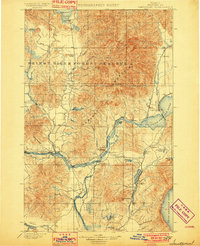 1901 Sandpoint1901 Print · USGSNorthern Idaho in the late nineteenth century was a frontier of timber and rail defined by the massive waters of Pend Oreille Lake. Genealogists and historians can trace early settlements and river crossings like Seneaquoteen, Cocolalla, and the Hamill Ferry.3 unique versions available
 - 1911 Map of Priest Lake, 1954 Print
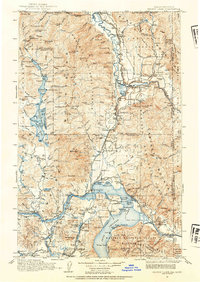 1911 Priest Lake1954 Print · USGSThe Idaho Panhandle during the early 1900s was a landscape of deep lakes and high-altitude mining operations connected by new rail lines. Genealogists and historians can trace pioneer settlements like Port Hill and Coolin, or locate remote industrial sites such as the Queen Mine and Mountain Chief Mine.
 - 1911 Map of Sandpoint, 1959 Print
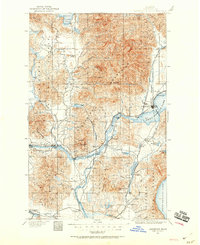 1911 Sandpoint1959 Print · USGSThe Idaho panhandle at the turn of the century shows a landscape of timber and transit centered on Sandpoint. You can trace early river crossings like Markham Ferry and the original rail routes of the Great Northern and Spokane International.2 unique versions available
 - 1913 Map of Priest Lake
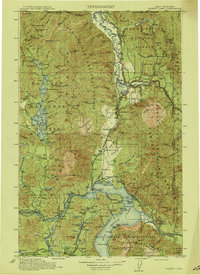 1913 Priest Lake1913 Print · USGSThe Idaho Panhandle was a rugged network of rail sidings and mining camps in the years before the Great War. Genealogists and historians can trace old homesteads and depots from Sandpoint up to the Continental Mine and the remote border crossing at Addie.3 unique versions available
 - 1958 Map of Sandpoint, 1966 Print
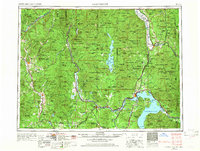 1958 Sandpoint1966 Print · USGSThe Idaho Panhandle and Northeast Washington are shown here in the late fifties, when timber and hydroelectric power drove the local economy. Trace family roots in rail-side towns like Cusick or Metaline Falls, and locate landmarks like the Albeni Falls Dam or Falls Ranger Station.2 unique versions available
 - 1963 Map of Sandpoint
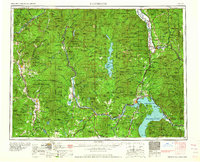 1963 Sandpoint1963 Print · USGSNorthern Idaho and eastern Washington are shown in the early sixties as a high-country network of timber, mining, and rail. Genealogists and historians can trace the Great Northern line through Metaline Falls, Bonners Ferry, and past the Finch Mine.
 - 1968 Map of Happy Fork Gap, 1971 Print
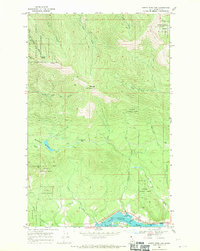 1968 Happy Fork Gap1971 Print · USGSNorth of the Pend Oreille River in the late 1960s, this Idaho mountain landscape was a hub for timber research and rail transport. Genealogists and historians can trace the twin rail lines through Wrencoe or locate high-country landmarks like Happy Fork Gap and McCormack Meadows.2 unique versions available
 - 1968 Map of Morton, 1971 Print
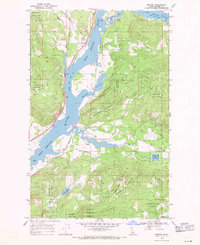 1968 Morton1971 Print · USGSThe Pend Oreille River valley in Bonner County was a bustling rail corridor in the late sixties, where the timber-rich Kaniksu National Forest met the water. Researchers can trace the paths of the Great Northern and Spokane International railroads past Wrencoe and Round Lake State Park.2 unique versions available
 - 1968 Map of Sagle, 1971 Print
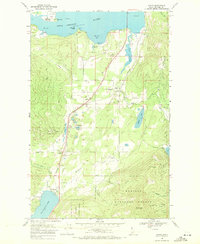 1968 Sagle1971 Print · USGSBonner County settlements and timberlands are captured here in the late sixties, as the Northern Pacific railroad linked lakeside communities. Trace family roots and local industry through the Westmond Cem and the Hope and Faith Shaft or Bimetallic Prospect mines.3 unique versions available
 - 1968 Map of Sandpoint, 1971 Print
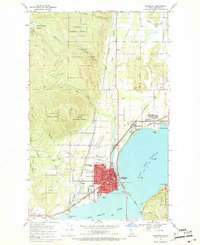 1968 Sandpoint1971 Print · USGSNear the northern shores of Lake Pend Oreille in the late sixties, the rail and river economy of this Idaho region is captured in high detail. Genealogists and local historians can trace the town layouts of Sandpoint, Kootenai, and Dover, or locate landmarks like Pinecrest Cem and Lincoln Sch.2 unique versions available
 - 1984 Map of Sandpoint
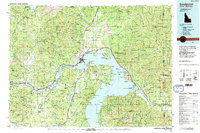 1984 Sandpoint1984 Print · USGSThe Idaho Panhandle in the early 1980s shows a landscape of deep lakes and working forests centered on the rail hub of Sandpoint. Researchers can trace the legacy of regional industry through the Spokane International rail lines and mining sites like the Gold Coin Mine and Sulphide Mine.2 unique versions available
 - 1996 Map of Sagle, 1999 Print
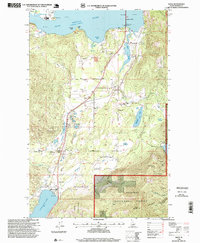 1996 Sagle1999 Print · USGSBonner County in the late nineties is captured here as the timber and rail economy shaped the landscape south of Sandpoint. Genealogists and local historians can locate early settlements like Dufort, trace the Union Pacific line, and find the Westmond Cemetery.
 - 1996 Map of Sandpoint, 1999 Print
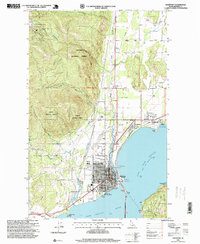 1996 Sandpoint1999 Print · USGSSandpoint and the shores of Lake Pend Oreille are captured in the mid-nineties as the region expanded. Genealogists and local historians can trace the town's growth through its grid of schools, churches, and civic sites like Lakeview Cemetery and the Memorial Park Historical Museum.
 - 1996 Map of Morton, 1999 Print
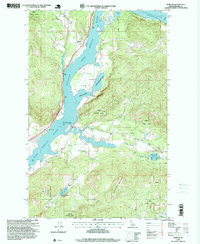 1996 Morton1999 Print · USGSIn the Idaho panhandle during the 1990s, the river and forest defined the pace of life near the Bonner and Kootenai border. Researchers can trace the quiet settlements of Morton and Wrencoe or locate the Historical Site and Round Lake State Park.
 - 2011 Map of Morton, 2011 Print
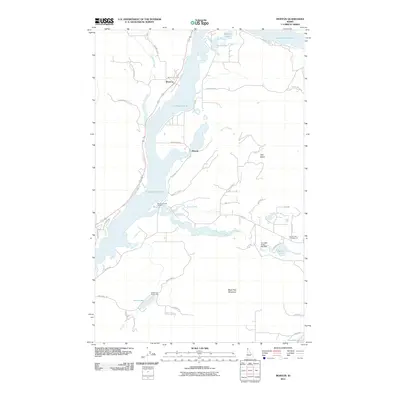 2011 Morton2011 Print · USGSThe western shores of Lake Pend Oreille come into focus during the early twenty-first century, showing the small communities and complex waterways of Bonner County. Researchers can trace land access via Wrenco Loop and locate features like the Cocolalla Creek Fish Weir and Round Lake Campground.
 - 2011 Map of Sandpoint, 2011 Print
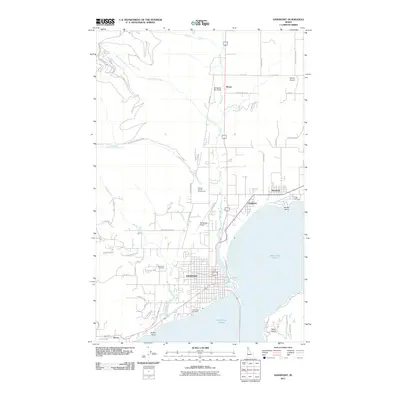 2011 Sandpoint2011 Print · USGSSandpoint and the shores of Lake Pend Oreille are captured here in the early twenty-first century as the region balanced its aviation and mountain recreation growth. Researchers can trace local landmarks like Pinecrest Cemetery, the Bonner County Fairgrounds, and smaller settlements like Bronx and Kootenai.
 - 2011 Map of Happy Fork Gap, 2011 Print
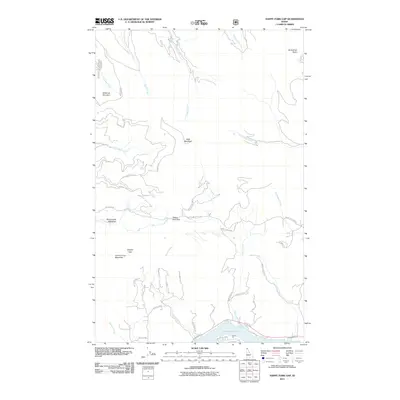 2011 Happy Fork Gap2011 Print · USGSNorth of the lake in the early twenty-first century, this Idaho landscape shows a mix of mountain wilderness and developing shoreline communities. Trace the transition from the waterfront at Snug Hbr up through the timbered heights of Bald Mountain and Happy Fork Gap.
 - 2011 Map of Sagle, 2011 Print
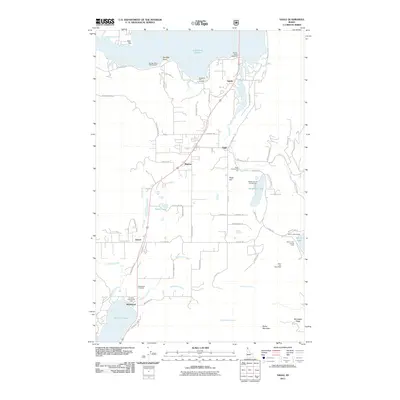 2011 Sagle2011 Print · USGSThe Bonner County shoreline and rural interior come into focus here during the early 2000s. Researchers can locate family landmarks like the Westmond Cemetery or trace industrial remnants such as the Hope and Faith Shaft near Bimetallic Ridge.
 - 2013 Map of Happy Fork Gap, 2013 Print
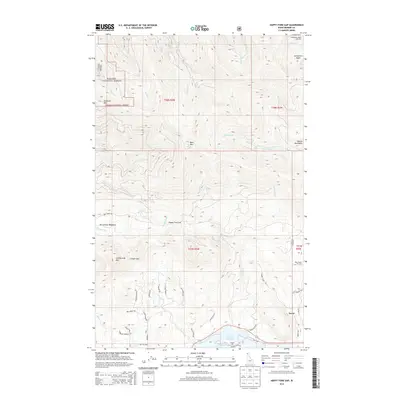 2013 Happy Fork Gap2013 Print · USGSDover and the southern Selkirk Mountains are shown in detail during the early twenty-first century as recreation and rural life converge. Researchers can trace the layout of Dover, find local landmarks like Johnny Long Mtn, or locate the Schweitzer Basin Ski Area.
 - 2013 Map of Morton, 2013 Print
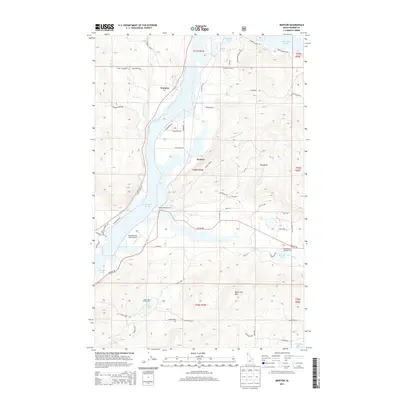 2013 Morton2013 Print · USGSLake Pend Oreille and the BNSF corridor define this portion of Bonner County during the early twenty-first century. Genealogists and local historians can trace shoreline developments at Wrencoe and Morton, or locate landmarks like Jewel Lake.
 - 2013 Map of Sagle, 2013 Print
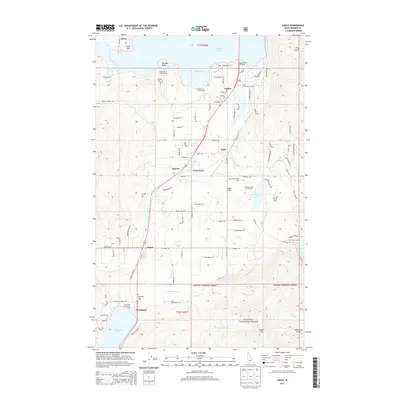 2013 Sagle2013 Print · USGSThe Lake Pend Oreille shoreline and the rail corridor south of Sandpoint are captured here in the early twenty-first century. Genealogists and local historians can locate the Westmond Cem, Sagle Community Hall, and the old settlement sites of Algoma and Dufort.
 - 2013 Map of Sandpoint, 2013 Print
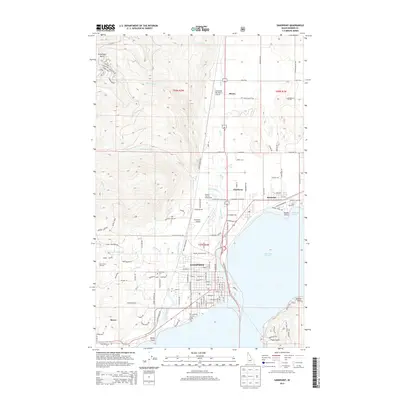 2013 Sandpoint2013 Print · USGSSandpoint and the northern shores of Lake Pend Oreille are captured in this early twenty-first-century survey during a period of steady regional growth. Genealogists and local researchers can locate Pinecrest Cem, the BNSF Railway corridor, and the Pine Street Ski Area.
 - 2017 Map of Happy Fork Gap, 2017 Print
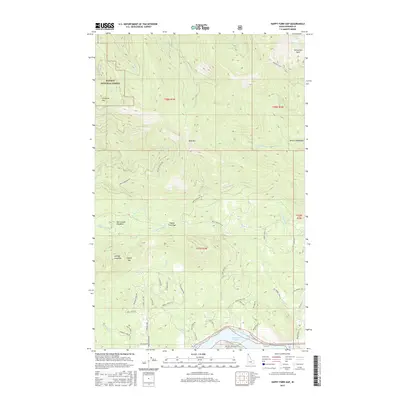 2017 Happy Fork Gap2017 Print · USGSThe northern shores of Lake Pend Oreille meet the Selkirk Mountains in this modern survey of Bonner County. Genealogists and hikers can trace local roads like Wrenco Loop or locate landmarks such as Happy Fork Gap and Schweitzer Basin.
 - 2017 Map of Sandpoint, 2017 Print
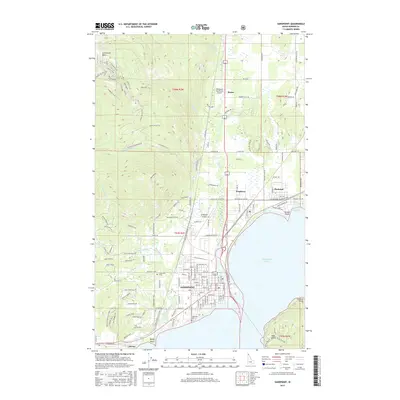 2017 Sandpoint2017 Print · USGSThe Idaho Panhandle comes into focus in this recent survey of the settlements surrounding Lake Pend Oreille. Trace the development of Sandpoint and Ponderay alongside local landmarks like Pinecrest Cem and the Olmstead Sky Ranch Airport.
 - 2017 Map of Sagle, 2017 Print
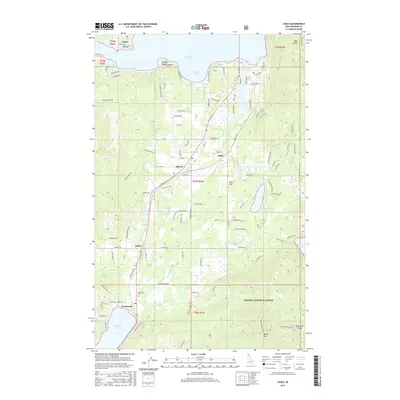 2017 Sagle2017 Print · USGSThe lakeside communities and timberlands of Bonner County are captured here in the early twenty-first century. Genealogists and researchers can trace the local landscape from Lake Pend Oreille south to Westmond Cem and the small settlement of Algoma.
Showing maps 1-25 of 34
Top cities near Dover
- Sandpoint historical maps
- Priest River historical maps
- Ponderay historical maps
- Kootenai historical maps
Frequently asked questions
- What are the different types of historical maps available for Dover?
- What is the oldest map of Dover?
- Where can I purchase historical maps of Dover for my home or office?
- Where can I download high-res historical maps of Dover?
- Are there historical topographic maps available for Dover?
- Is there historical aerial imagery available for Dover?
- Where are historical maps of Dover sourced from?