Old Maps of Arbon, Idaho
Explore 9 old maps of Arbon, spanning from 1954 to today. These high-resolution historic maps reveal how streets, neighborhoods, landmarks, and natural features evolved over time — perfect for genealogy, metal detecting, research, and local history exploration.
What you can do with these maps:
- See how Arbon changed over time: Compare historical maps to modern-day views to trace roads, homesites, rail lines & more.
- View detailed metadata: Each map includes creators, publishers, year, scale, and archive source.
- Overlay maps with satellite & LiDAR: Visualize the past alongside modern tools to explore terrain & human change.
- Trusted historical sources: Maps sourced from the USGS, Library of Congress, and other archives.
- Access maps your way: View online, download high-res files, or order prints for personal or research use.
Start exploring old maps of Arbon to uncover forgotten places, hidden landmarks, and the deep history beneath your feet.
Arbon, ID maps
(9)- 1954 Map of Pocatello, 1963 Print
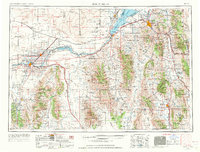 1954 Pocatello1963 Print · USGSSoutheast Idaho in the mid-1950s reveals a landscape shaped by massive water reclamation and mountain forests. Researchers can trace the development of the Fort Hall Indian Reservation or locate specific landmarks like the Arbon P O and Emerson School.4 unique versions available
 - 1958 Map of Pocatello
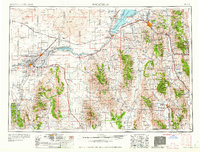 1958 Pocatello1958 Print · USGSSoutheastern Idaho in the late fifties was a landscape of expanding reservoirs and historic trails. Genealogists and historians can trace the Old Oregon Trail, locate the Bannock Creek Indian Day School, and study the many Union Pacific rail sidings.2 unique versions available
 - 1973 Map of Arbon, 1977 Print
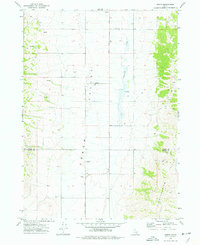 1973 Arbon1977 Print · USGSArbon Valley in the early 1970s remains a landscape of quiet homesteads and high-country springs along the Power and Oneida County line. Researchers can locate the Arbon PO, trace family names at the Arbon Cem, and follow the path of Bannock Creek.
 - 1984 Map of Malad City
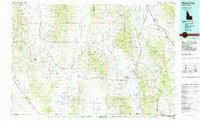 1984 Malad City1984 Print · USGSSoutheastern Idaho in the mid-eighties shows a landscape of high valleys and prominent ranges between the Malad and Curlew basins. Genealogists and historians can trace the foundations of local ranching communities like Samaria, Holbrook, and Arbon, or locate the Black Pine Bird Sanctuary.2 unique versions available
 - 2010 Map of Arbon, 2010 Print
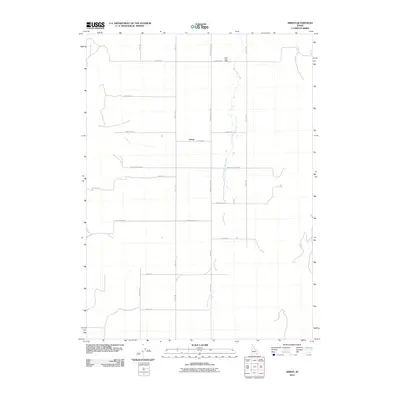 2010 Arbon2010 Print · USGSCovers Arbon, including Oneida County, Power County, and other nearby areas
 - 2013 Map of Arbon, 2013 Print
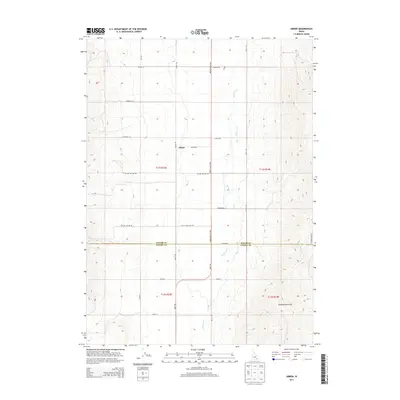 2013 Arbon2013 Print · USGSCovers Arbon, including Oneida County, Power County, and other nearby areas
 - 2017 Map of Arbon, 2017 Print
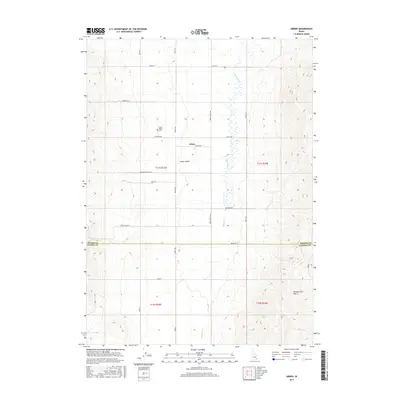 2017 Arbon2017 Print · USGSCovers Arbon, including Oneida County, Power County, and other nearby areas
 - 2020 Map of Arbon, 2020 Print
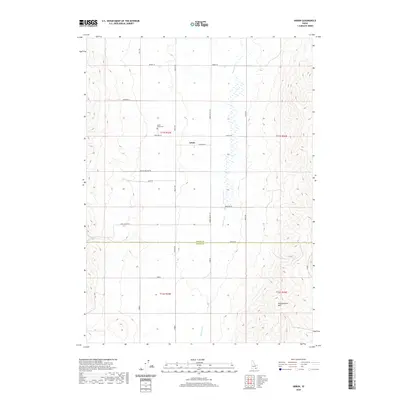 2020 Arbon2020 Print · USGSCovers Arbon, including Oneida County, Power County, and other nearby areas
 - 2023 Map of Arbon, 2023 Print
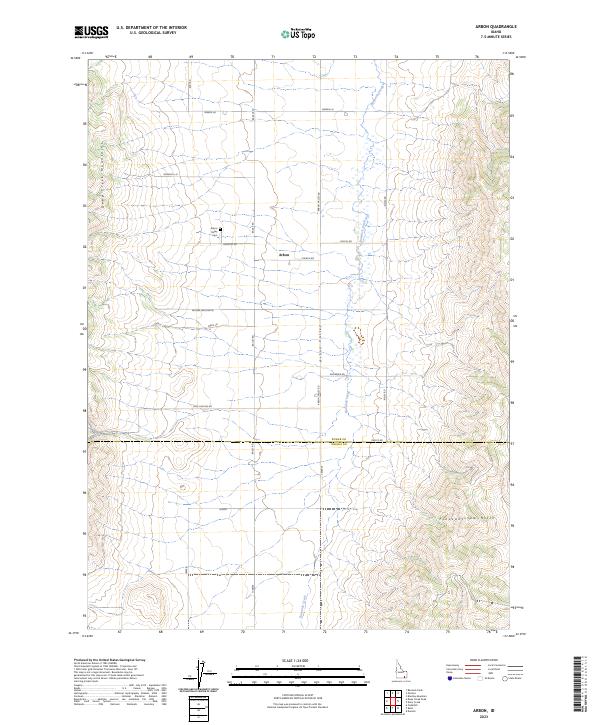 2023 Arbon2023 Print · USGSArbon Valley in the 2020s remains a landscape of high-country basins and family homesteads. Genealogists and local historians can trace legacy properties along Bailey Rd and visit the Arbon Valley Cem near the banks of Bannock Creek.
End of results
Showing maps 1-9 of 9
Frequently asked questions
- What are the different types of historical maps available for Arbon?
- What is the oldest map of Arbon?
- Where can I purchase historical maps of Arbon for my home or office?
- Where can I download high-res historical maps of Arbon?
- Are there historical topographic maps available for Arbon?
- Is there historical aerial imagery available for Arbon?
- Where are historical maps of Arbon sourced from?