Old Maps of Chatham, Chicago for Academic Research
Study the evolution of Chatham with 52 high-resolution historic maps. Whether you're teaching, researching, or modeling changes in land use, these maps provide essential visual documentation of urban, environmental, and geographic change.
- Analyze long-term change: Track patterns in development, transportation, and natural features.
- Ideal for environmental or urban studies: Support academic projects with primary historical map data.
- Use in the classroom or lab: Educators and researchers rely on these maps to bring historical context to life.
These maps are a powerful tool for teaching, research, and visualizing how Chatham has changed over the decades.
Chatham, Chicago maps
(52)- 1889 Map of Chicago
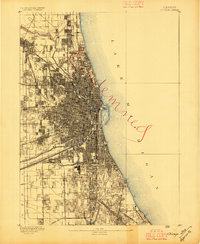 1889 Chicago1889 Print · USGSChicago in the late Victorian era was a sprawling rail and maritime titan on the shores of Lake Michigan. Genealogists and historians can trace the early urban grid and massive rail yards of the Belt Railroad and Chicago and Northwestern R.R.
 - 1891 Map of Chicago
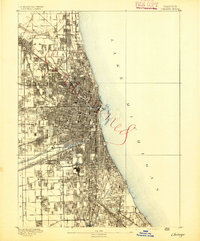 1891 Chicago1891 Print · USGSChicago was a booming rail and water hub in the late nineteenth century, just before the turn of the century. Trace the intricate network of the Illinois and Michigan Canal and major lines like the Wisconsin Central R.R. and Belt Railroad.
 - 1892 Map of Calumet
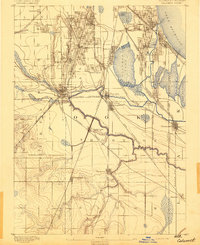 1892 Calumet1892 Print · USGSThe industrial corridor south of Chicago is captured in the late nineteenth century as rail lines and rivers shaped new towns. Genealogists can trace family roots through early settlements like Pullman, Blue Island, and the South Lawn Harvey P.O. at a time of rapid growth.
 - 1893 Map of Calumet
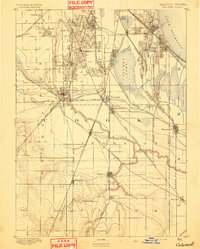 1893 Calumet1893 Print · USGSSouthern Cook County and the Indiana borderlands are captured here during a period of massive rail and industrial growth. Trace the footprints of historic company towns and transit hubs like Pullman, Blue Island, and Hammond before the landscape was fully urbanized.
 - 1900 Map of Chicago
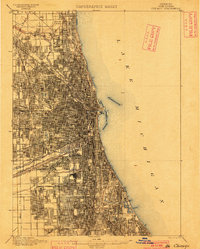 1900 Chicago1900 Print · USGSChicago at the turn of the century shows a city of massive infrastructure, from its emerging park system to its complex rail hubs. Researchers can trace the development of early neighborhoods like Mayfair and South Lynn or locate grounds like Rose Hill Cemetery and the historic Illinois and Michigan Canal.
 - 1900 Map of Calumet
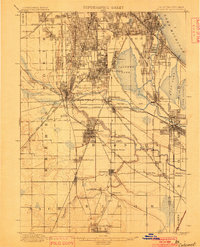 1900 Calumet1900 Print · USGSSouthern Cook County and the Indiana borderlands are captured here at the peak of the rail era, showing a landscape of burgeoning industrial towns and complex rail junctions. Researchers can trace the layout of the historic company town of Pullman, the growth of Hammond, and the early footprints of Blue Island and Harvey.
 - 1901 Map of Calumet
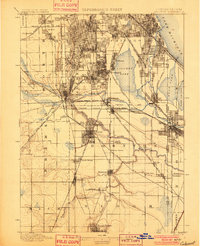 1901 Calumet1901 Print · USGSSouthern Chicago and the Calumet region are captured at the peak of their industrial expansion at the turn of the century. Genealogists and historians can trace the growth of rail-side towns like Pullman, Blue Island, and Hegewisch and locate landmarks like the Glenwood Industrial School.5 unique versions available
 - 1901 Map of Chicago
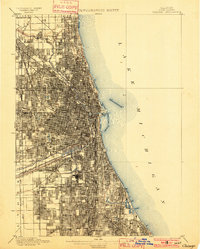 1901 Chicago1901 Print · USGSChicago was a booming industrial and rail hub in the late nineteenth century, defined by its lakefront and canal systems. Genealogists and urban historians can trace early neighborhood boundaries and rail corridors through Elsdon, Chicago Lawn, and Rose Hill Cemetery.5 unique versions available
 - 1929 Map of Calumet Lake
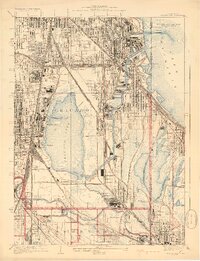 1929 Calumet Lake1929 Print · USGSThe industrial heart of the South Side and the Indiana borderlands comes alive in this survey of the Calumet region. Genealogists and historians can trace the streets of Pullman, the extensive rail yards of the Belt Ry of Chicago, and early features like the Pullman Training School.3 unique versions available
 - 1929 Map of Blue Island
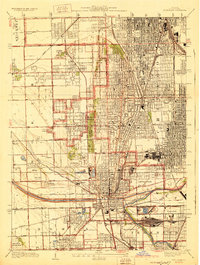 1929 Blue Island1929 Print · USGSSouth Chicago and its suburbs are captured in the late twenties during a period of rapid industrial and rail expansion. Genealogists can trace family plots across Mt Hope and Oak Hill, or locate local landmarks like Bremen School and Blue Island.3 unique versions available
 - 1929 Map of Jackson Park
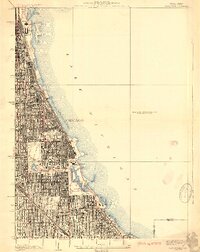 1929 Jackson Park1929 Print · USGSThe South Side of Chicago during the late 1920s reveals a sophisticated network of grand parks and lakefront landmarks. Genealogists and urban historians can trace the grid from Oakwoods Cemetery to iconic sites like Soldiers Field and the Field Museum.3 unique versions available
 - 1929 Map of Englewood
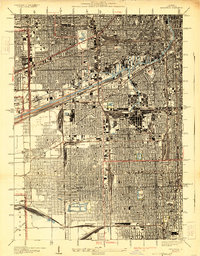 1929 Englewood1929 Print · USGSThe South Side of Chicago in the mid-twenties shows a landscape transformed by heavy industry and rail transport. Genealogy and local history researchers can trace the dense grid around the Union Stock Yards, Englewood, and the sprawling Corwith Yards.3 unique versions available
 - 1953 Map of Calumet Lake, 1955 Print
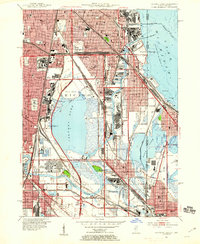 1953 Calumet Lake1955 Print · USGSThe industrial corridor of the Chicago South Side and Northwest Indiana comes alive in this mid-century survey. Genealogists and historians can trace the footprint of neighborhoods like Pullman, Hegewisch, and Altgeld Gardens alongside the massive rail yards of the Pennsylvania Railroad.
 - 1953 Map of Blue Island, 1956 Print
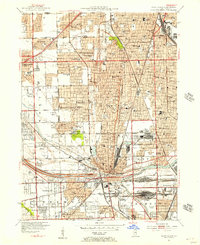 1953 Blue Island1956 Print · USGSBlue Island and the southern Chicago suburbs are shown here in a period of significant postwar growth and heavy rail industrialization. Genealogists and local historians can trace the vast cemetery lands of Mt Greenwood Cemetery or find defunct landmarks like Howell Airport and the Rock Island RR lines.
 - 1953 Map of Jackson Park, 1956 Print
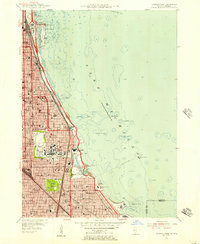 1953 Jackson Park1956 Print · USGSThe South Side of Chicago and its lakefront are captured here in the early 1950s, showing a period of significant urban growth and shoreline development. Genealogists and historians can trace neighborhood landmarks from Oakwoods Cemetery to the University of Chicago and the aviation grounds of Meigs Field.
 - 1953 Map of Englewood, 1956 Print
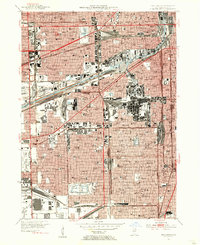 1953 Englewood1956 Print · USGSMid-century Southwest Chicago reveals a landscape defined by heavy industry and deep-rooted neighborhoods during the post-war era. Researchers can trace the massive rail infrastructure of the Indiana Harbor Belt and find local landmarks like Marquette Park and the US Quartermaster Depot.
 - 1953 Map of Chicago, 1964 Print
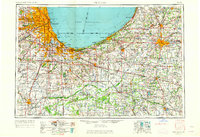 1953 Chicago1964 Print · USGSThe southern Lake Michigan shoreline was rapidly modernizing in the mid-fifties, balancing heavy industry with its famous academic centers. Researchers can trace the footprints of Notre Dame University or locate vanished sites like the Kingsbury Ordnance Plant and Meigs Field.5 unique versions available
 - 1957 Map of Chicago
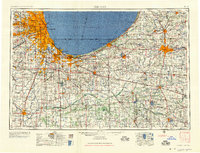 1957 Chicago1957 Print · USGSThe industrial heartland and southern Great Lakes shoreline are captured here during the peak of mid-century growth. Researchers can trace the massive Gary Steel Works, the grounds of the University of Notre Dame, and the early paths of the Tri-State Tollway.
 - 1960 Map of Lake Calumet, 1962 Print
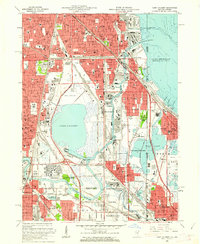 1960 Lake Calumet1962 Print · USGSThe industrial south side of Chicago and the Indiana borderlands meet in this early 1960s survey. Genealogists and historians can trace neighborhood evolution through parish schools like Our Lady of Hungary Sch, early housing at Altgeld Gardens, and the heavy rail lines of the Pennsylvania RR.
 - 1963 Map of Jackson Park, 1964 Print
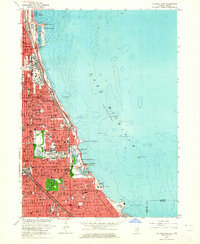 1963 Jackson Park1964 Print · USGSThe Chicago lakefront in the early sixties showcases a dense urban landscape defined by major cultural landmarks and rail corridors. Researchers can trace the mid-century South Side grid near the University of Chicago, Oak Woods Cemetery, and the historic Meigs Field.3 unique versions available
 - 1963 Map of Blue Island, 1965 Print
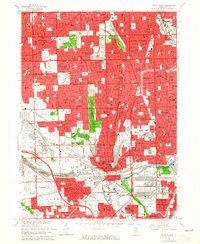 1963 Blue Island1965 Print · USGSSouth of Chicago in the early sixties, these burgeoning suburbs grew around a massive network of rail lines and industrial canals. Researchers can trace the footprints of numerous parochial schools, family burial plots in Mt Olivet Cemetery, and landmarks like the Evergreen Plaza Shopping Center.3 unique versions available
 - 1963 Map of Englewood, 1965 Print
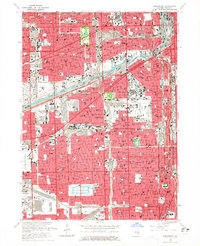 1963 Englewood1965 Print · USGSThe South Side of Chicago and Cicero are seen here in the mid-sixties, a period defined by the rise of the great expressways and dense rail corridors. Genealogists and local historians can trace parish life and neighborhoods through sites like St Rita High Sch, Elsdon, and the International Amphitheatre.4 unique versions available
 - 1965 Map of Lake Calumet, 1966 Print
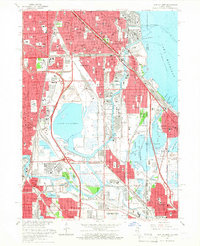 1965 Lake Calumet1966 Print · USGSSoutheast Chicago and the Indiana borderlands were a powerhouse of rail and industry in the mid-sixties. Researchers can trace historic parish life and neighborhood growth through sites like Altgeld Gardens, Hegewisch, and the Chicago Vocational Sch.4 unique versions available
 - 1980 Map of Chicago
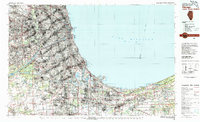 1980 Chicago1980 Print · USGSThe Chicago metropolitan area and the industrial shores of Northwest Indiana are captured here at the start of the 1980s. Genealogists and local historians can trace the vast urban landscape through landmarks like Loyola University, St Casimir Cemetery, and the busy docks of Calumet Harbor.
 - 1991 Map of Lake Calumet, 1992 Print
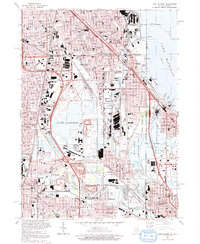 1991 Lake Calumet1992 Print · USGSChicago's industrial southeast side and the Indiana borderlands are captured here at a time of heavy rail and river transit. Genealogists can locate family-named neighborhoods and parish schools like St Michael Sch, Robertsdale, and Altgeld Gardens.
Showing maps 1-25 of 52
Frequently asked questions
- What are the different types of historical maps available for Chatham?
- What is the oldest map of Chatham?
- Where can I purchase historical maps of Chatham for my home or office?
- Where can I download high-res historical maps of Chatham?
- Are there historical topographic maps available for Chatham?
- Is there historical aerial imagery available for Chatham?
- Where are historical maps of Chatham sourced from?