Old Maps of Montgomery County, Illinois for Hiking & Exploration
Hike through history with 153 historic maps of Montgomery County. Explore old trails, ghost towns, and forgotten backroads — perfect for outdoor adventurers and local explorers.
- Rediscover forgotten places: Map out old mining camps, roads, and footpaths that no longer exist on modern maps.
- Layer with modern tools: Combine with LiDAR or satellite views to plan hikes through historical terrain.
- Made for exploration: Popular among hikers, overlanders, and local history lovers.
Use these maps to find adventure and explore the hidden past of Montgomery County.
Montgomery County, IL maps
(153)- 1915 Map of Mount Olive
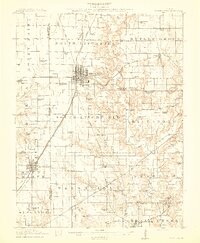 1915 Mount Olive1915 Print · USGSCentral Illinois at the height of the steam era reveals a landscape shaped by competing railroads and dense rural school districts. Genealogists can trace family footprints through numerous local landmarks like Ritchie School, Robbs Mound, and the many lines of the Illinois Traction.3 unique versions available
 - 1922 Map of Divernon, 1957 Print
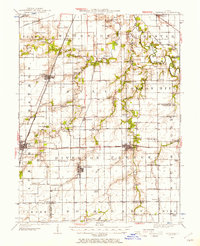 1922 Divernon1957 Print · USGSThe Sangamon County prairie in the early twenties was a landscape of bustling rail towns and one-room schoolhouses. Genealogists can trace family roots through dozens of local landmarks like Cotton Hill Academy, Stout Church, and the Illinois Traction System.
 - 1923 Map of Raymond, 1965 Print
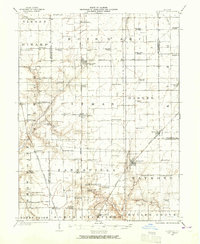 1923 Raymond1965 Print · USGSCentral Illinois at the start of the 1920s showcases a high-density rural network of railroads and country schoolhouses. Researchers can trace family history at sites like the Studebaker School, Bethel Church, and old settlements like Thomasville or Farmersville.2 unique versions available
 - 1924 Map of Divernon
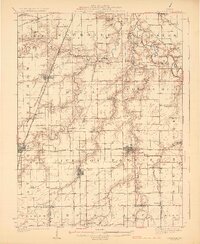 1924 Divernon1924 Print · USGSSangamon County at the height of its rail-and-river era shows a landscape where agriculture and industry met along the South Fork Sangamon River. Researchers can trace the roots of vanished rural life through dozens of local landmarks like the Cotton Hill Academy, Zenobia, and Irwins Park.2 unique versions available
 - 1925 Map of Raymond
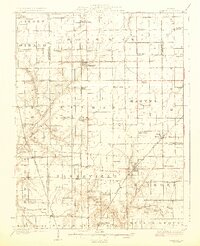 1925 Raymond1925 Print · USGSIn the mid-1920s, this Montgomery County landscape was a thriving rail-and-farm network centered on Raymond and Harvel. Genealogists can trace family roots through dozens of local landmarks like South Bois d'Arc School, Providence Church, and Honey Bend.2 unique versions available
 - 1937 Map of New Douglas
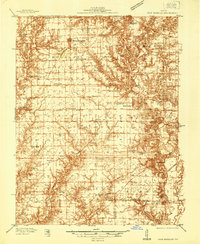 1937 New Douglas1937 Print · USGSMadison and Bond counties are seen here in the late 1930s, showing a high density of rural schools and family cemeteries. Researchers can trace the grounds of Mt Calvary Sch, locate the St Vincent Cem, or follow the Shoal Creek bottomlands.2 unique versions available
 - 1944 Map of New Douglas
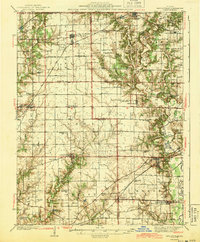 1944 New Douglas1944 Print · USGSMadison and Bond Counties are seen here during the mid-1930s, showing a well-established network of prairie farming communities and rail lines. Genealogists can locate dozens of named rural schools and cemeteries, from St Vincent Cem to the Hedgebound Sch and the village of Grantfork.2 unique versions available
 - 1944 Map of Mount Olive, 1965 Print
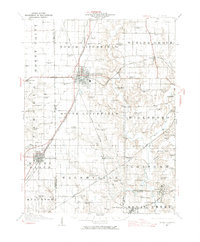 1944 Mount Olive1965 Print · USGSCentral Illinois during the mid-forties reveals a landscape defined by industrial rail junctions and dozens of rural school districts. Genealogists can locate family-named landmarks like Hardenburg School, Ware Grove School, and the community of Walshville along the Chicago and Northwestern tracks.
 - 1944 Map of Ramsey, 1976 Print
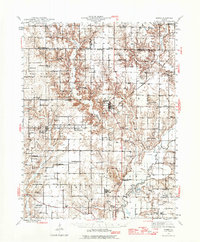 1944 Ramsey1976 Print · USGSFayette County communities like Ramsey and Bingham thrive along the intersection of the Illinois Central and other major rail lines during the 1940s. Genealogists can trace family roots through numerous rural landmarks like Bayle City P O, Halford Chapel, and Hoffman Cem.
 - 1946 Map of Ramsey
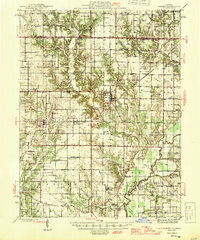 1946 Ramsey1946 Print · USGSCentral Illinois rail-and-river life thrives mid-century as the Kaskaskia River winds past a dense network of country schoolhouses. Genealogists and local historians can trace family roots at Shed Cem, Bayle City P O, and the Illinois State Penal Farm.2 unique versions available
 - 1946 Map of Nokomis, 1965 Print
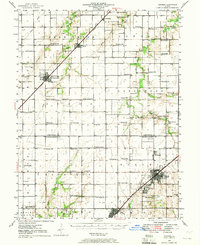 1946 Nokomis1965 Print · USGSThe Illinois prairie south of Taylorville reached its industrial and agricultural peak just after World War II. Genealogists can trace family names across dozens of rural sites, including Mound Chapel, D'Arcy Sch, and the mining corridor near Coalton.2 unique versions available
 - 1947 Map of Pana
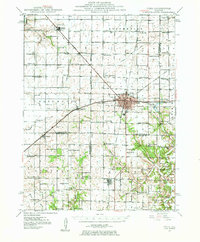 1947 Pana1947 Print · USGSRailroad lines from three major carriers converge at Pana in the mid-1940s, serving a productive agricultural landscape across three counties. Researchers can locate dozens of country schools and churches, including Swamp Angel School, Sacred Heart Cem, and Owaneco.
 - 1947 Map of Hillsboro, 1963 Print
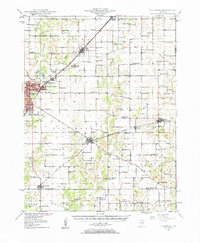 1947 Hillsboro1963 Print · USGSMid-century Montgomery County centers on the rail and water networks around Hillsboro and Coffeen. Local historians can trace dozens of rural landmarks, from the County Farm and Sycamore School to small family plots like McCord Cem and Taylor Cem.
 - 1949 Map of Hillsboro
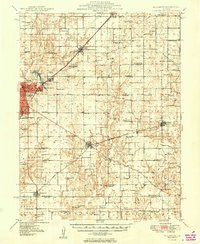 1949 Hillsboro1949 Print · USGSMontgomery County in the late 1940s is captured here at a peak of rail-driven industry and small-town growth. Genealogists and historians can trace the many rural schools and family cemeteries that dotted the landscape, from Taylor Springs to Fillmore and the Shiloh Ch.2 unique versions available
 - 1949 Map of Nokomis
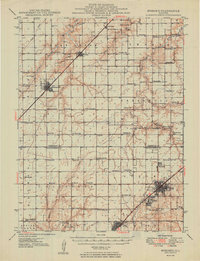 1949 Nokomis1949 Print · USGSCentral Illinois rail and agricultural life are captured here in the late 1940s, showing the intricate network of country schools and family cemeteries. Genealogists can locate family sites near St Maurice Cem or trace the many local schoolhouses like Mound Sch and Prosperity Sch.2 unique versions available
 - 1949 Map of Pana
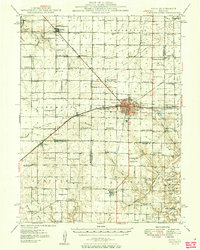 1949 Pana1949 Print · USGSCentral Illinois rail traffic peaked in the late 1940s as five major lines converged at the hub of Pana. Researchers can trace the rural school system and family burial grounds such as Durbin College Sch and Mound Cem.2 unique versions available
 - 1958 Map of Decatur, 1971 Print
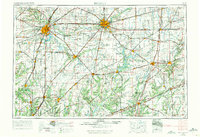 1958 Decatur1971 Print · USGSCentral Illinois in the mid-twentieth century shows a landscape defined by industrial rail hubs and the creation of large reservoirs. Researchers can trace historic corridors like the Penn Central or locate landmarks such as Lincoln Log Cabin State Park and Lake Springfield.3 unique versions available
 - 1958 Map of Belleville, 1973 Print
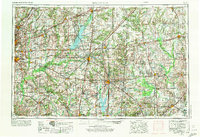 1958 Belleville1973 Print · USGSSouthern Illinois during the mid-twentieth century reveals a landscape of industrial growth and massive new reservoirs. Genealogists and historians can trace the paths of the Illinois Central RR through towns like Centralia or locate landmarks such as Emerald Mound and the Looking Glass Prairie.3 unique versions available
 - 1961 Map of Decatur
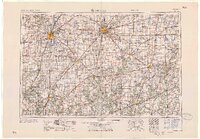 1961 Decatur1961 Print · USGSCentral Illinois in the late fifties was a bustling corridor of rail lines and prairie commerce centered on the state capital. Genealogists and historians can trace the intricate connections between Springfield, Decatur, and dozens of smaller settlements like Nokomis and Arcola.2 unique versions available
 - 1962 Map of Belleville
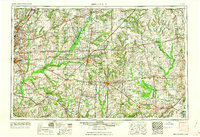 1962 Belleville1962 Print · USGSSouthern Illinois in the late fifties reveals a landscape of industrial growth and ancient landmarks before the full expansion of the interstate system. Genealogists can trace family names and rural post offices near Centralia, Salem, and the historic Monks Mound.
 - 1964 Map of Pawnee, 1966 Print
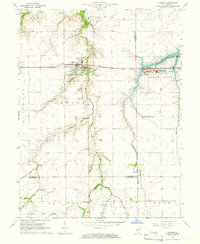 1964 Pawnee1966 Print · USGSPawnee and the surrounding Illinois prairie are captured here in the mid-1960s, showing a landscape defined by the Chicago and Illinois Midland rail line. Researchers can trace the industrial footprint of the Claypit and Mine, or locate rural landmarks like Zenobia Ch and Horse Creek Cem.4 unique versions available
 - 1965 Map of Divernon, 1966 Print
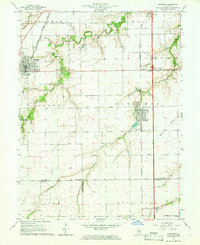 1965 Divernon1966 Print · USGSCentral Illinois prairie life and rail transport thrive in this mid-sixties survey of Sangamon County. Genealogists and historians can trace family ties at Wimmer Cem or locate the rural junctions of Cimic and Pawnee Junction along the rail lines.3 unique versions available
 - 1974 Map of Butler, 1977 Print
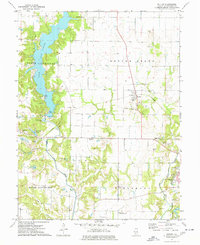 1974 Butler1977 Print · USGSThe northern edge of Hillsboro and the rural township of Butler Grove are documented in the mid-seventies. Researchers can locate local landmarks like Wares Grove Ch and Cress Hill Cem, or trace the ABANDONED rail line near Butler.
 - 1974 Map of New Douglas, 1977 Print
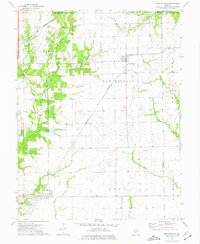 1974 New Douglas1977 Print · USGSThe rural borderlands of Madison and Macoupin counties are captured here in the mid-1970s as a vital crossroads for the Illinois rail industry. Genealogists and local historians can trace the foundations of Alhambra and Binney, or locate rural burial sites like St Ubaldus Cem and St Vincent Cem.
 - 1974 Map of Fillmore, 1977 Print
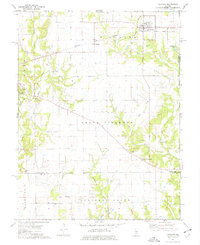 1974 Fillmore1977 Print · USGSThe Illinois countryside of Fillmore and Van Burensburg is captured here during the mid-seventies, showing a landscape defined by small-town life and the NORFOLK AND WESTERN railroad. Genealogists and historians can locate numerous rural landmarks, including Cress Hill Cem, Shiloh Cem, and the community at Chapman.
Showing maps 1-25 of 153
Top cities of Montgomery County
- Litchfield historical maps
- Hillsboro historical maps
- Nokomis historical maps
- Witt historical maps
- Raymond historical maps
- Farmersville historical maps
See more
Frequently asked questions
- What are the different types of historical maps available for Montgomery County?
- What is the oldest map of Montgomery County?
- Where can I purchase historical maps of Montgomery County for my home or office?
- Where can I download high-res historical maps of Montgomery County?
- Are there historical topographic maps available for Montgomery County?
- Is there historical aerial imagery available for Montgomery County?
- Where are historical maps of Montgomery County sourced from?