Old Maps of Washington County, Illinois for Academic Research
Study the evolution of Washington County with 122 high-resolution historic maps. Whether you're teaching, researching, or modeling changes in land use, these maps provide essential visual documentation of urban, environmental, and geographic change.
- Analyze long-term change: Track patterns in development, transportation, and natural features.
- Ideal for environmental or urban studies: Support academic projects with primary historical map data.
- Use in the classroom or lab: Educators and researchers rely on these maps to bring historical context to life.
These maps are a powerful tool for teaching, research, and visualizing how Washington County has changed over the decades.
Washington County, IL maps
(122)- 1910 Map of Carlyle
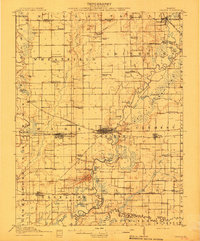 1910 Carlyle1910 Print · USGSClinton County and the Kaskaskia River valley are captured here at a peak of rural development in the Edwardian era. Genealogists can trace a dense network of family-named landmarks including Hull School, McKendree Chapel, and the river crossing at Colmers Ferry.2 unique versions available
 - 1910 Map of Okawville
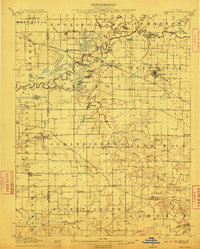 1910 Okawville1910 Print · USGSEastern St. Clair and Washington counties appear here in the early 1900s, where the winding river bottomlands met the expanding railroad. Local historians can trace the development of Okawville along the Louisville & Nashville RR or find rural landmarks like Stone Church and Woodland School.2 unique versions available
 - 1914 Map of Centralia
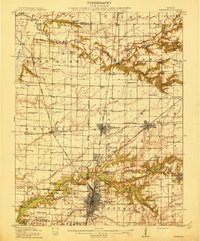 1914 Centralia1914 Print · USGSSouthern Illinois at the peak of the rail era shows a landscape of busy junctions and tightly-knit rural school districts. Genealogists and historians can trace family locations near landmarks like Possumtrot School, Fikes Hill, and the bustling yards of Centralia.3 unique versions available
 - 1914 Map of Coulterville, 1965 Print
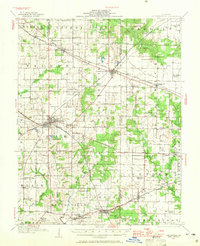 1914 Coulterville1965 Print · USGSSouthern Illinois during the height of the steam era reveals a landscape of thriving rail hubs and rural school districts. Genealogists and local historians can trace the foundations of Sparta, Coulterville, and Steeleville alongside dozens of named country schools like Brick School and Temple School.
 - 1917 Map of Coulterville
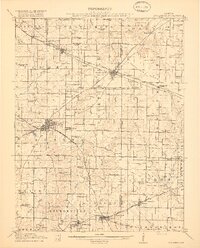 1917 Coulterville1917 Print · USGSSouthern Illinois during the early twentieth century was defined by its coal-belt junctions and a dense grid of rural schoolhouses. Genealogists and historians can trace family locations near landmarks like Lost Prairie School, the Illinois Central rail lines, and the growing town of Sparta.3 unique versions available
 - 1924 Map of Pinckneyville, 1958 Print
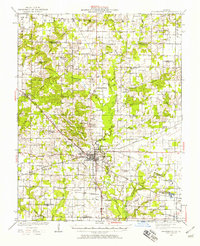 1924 Pinckneyville1958 Print · USGSPerry County at the height of its rail and coal era is captured here, centered on the bustling junction of Pinckneyville. Genealogists can locate dozens of country schools like St Marys School and Slade School, or trace family mines such as Panther Mine.2 unique versions available
 - 1926 Map of Pinckneyville
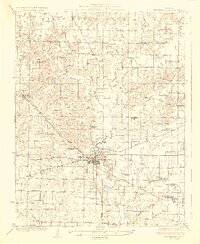 1926 Pinckneyville1926 Print · USGSPerry County at the height of the mid-twenties coal era shows a bustling landscape of rail-connected towns and rural school districts. Genealogists and historians can trace family locations near Pinckneyville at Carr School, Oak Grove Church, and the Victory Coal Mine.2 unique versions available
 - 1926 Map of Duquoin
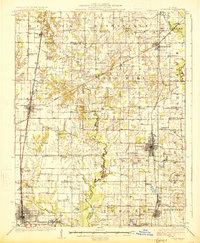 1926 Duquoin1926 Print · USGSSouthern Illinois coal country is at its industrial peak in the mid-twenties, with thriving rail towns and active collieries. You can trace early 20th-century family roots at Young's Chapel or locate old operations like the Big Ben Mine and Old Keller Mine.3 unique versions available
 - 1931 Map of Hoyleton
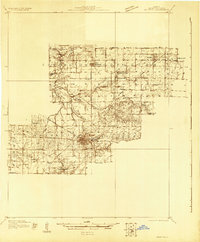 1931 Hoyleton1931 Print · USGSWashington County at the start of the 1930s shows a landscape of busy crossroads and rail junctions. Genealogists can trace family roots through numerous local schoolhouses like Nuptial Sch and Hogshead Sch, or locate ancestors at the Masonic Cem.
 - 1932 Map of Nashville, 1960 Print
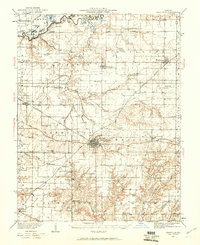 1932 Nashville1960 Print · USGSWashington and Clinton Counties come alive in the early thirties as a dense network of rail and rural schools. Genealogists can trace family roots through landmarks like Locust Creek Cem and dozens of local schoolhouses including Sassafras Sch and Hogshead Sch.2 unique versions available
 - 1935 Map of Centralia, 1958 Print
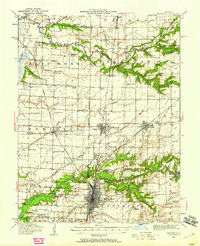 1935 Centralia1958 Print · USGSCentralia and the surrounding Marion County townships thrived as a major railroad crossroads in the mid-1930s. Researchers can locate dozens of localized rural schoolhouses like Red Stripe and Possumtrot School or trace the early paths of the Illinois Central through Sandoval and Odin.
 - 1936 Map of Nashville
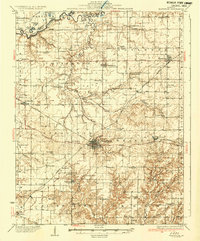 1936 Nashville1936 Print · USGSSouthern Illinois prairie life thrives at the crossroads of the river and rail in the mid-1930s. Genealogists can locate dozens of country schools and churches, from Hogshead Sch to Elkhorn Sch, and trace the path of the Louisville and Nashville Railroad.2 unique versions available
 - 1940 Map of Okawville, 1958 Print
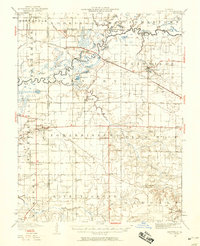 1940 Okawville1958 Print · USGSSouthwestern Illinois at the start of the 1940s remains a landscape of tight-knit farming hamlets and river-bottom wetlands. Researchers can trace the heritage of German settlements and rail stops from St Libory and Darmstadt to the mineral springs area of Okawville.
 - 1943 Map of Ashley, 1967 Print
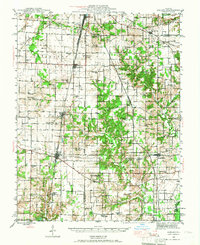 1943 Ashley1967 Print · USGSSouthern Illinois during the early 1940s is captured here as a thriving rail and agricultural hub. Genealogists can locate specific family-linked landmarks like the Blissville Polling House, Conta Colliery, and the Odd Fellows Cem.
 - 1946 Map of Ashley
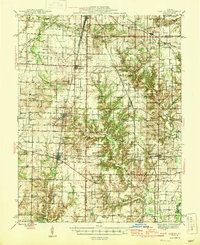 1946 Ashley1946 Print · USGSSouthern Illinois at the end of the war was a landscape of concentrated rail corridors and rural school districts. Genealogists can trace family roots through dozens of local landmarks like St Michael Cem, Oniontown, and the Blissville Polling House.
 - 1948 Map of Carlyle
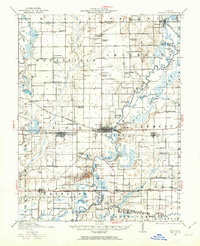 1948 Carlyle1948 Print · USGSCarlyle and the Kaskaskia River valley are captured in the late 1940s, showing a landscape of river-bend lakes and thriving rail towns. Researchers can trace the heritage of local families at McKendree Chapel, The Mound School, and the State Fish Hatchery.
 - 1957 Map of Venedy, 1958 Print
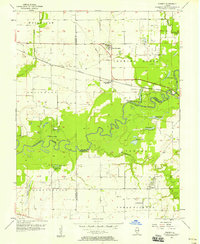 1957 Venedy1958 Print · USGSSouthern Illinois at the peak of the post-war era shows a landscape defined by the winding Kaskaskia River and the busy Louisville and Nashville railroad. Genealogists can trace the rural communities of Venedy and Johannishurg, or locate family landmarks like the Miller Cem and several oxbow lakes.2 unique versions available
 - 1958 Map of Belleville, 1973 Print
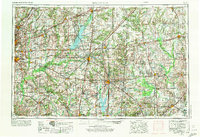 1958 Belleville1973 Print · USGSSouthern Illinois during the mid-twentieth century reveals a landscape of industrial growth and massive new reservoirs. Genealogists and historians can trace the paths of the Illinois Central RR through towns like Centralia or locate landmarks such as Emerald Mound and the Looking Glass Prairie.3 unique versions available
 - 1962 Map of Belleville
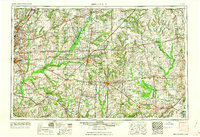 1962 Belleville1962 Print · USGSSouthern Illinois in the late fifties reveals a landscape of industrial growth and ancient landmarks before the full expansion of the interstate system. Genealogists can trace family names and rural post offices near Centralia, Salem, and the historic Monks Mound.
 - 1962 Map of Okawville, 1963 Print
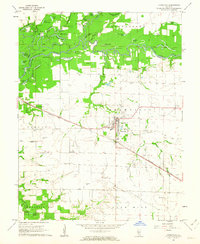 1962 Okawville1963 Print · USGSWashington County during the early 1960s reveals a landscape defined by the winding Kaskaskia River and the steady commerce of the rail lines. Researchers can trace ancestral roots through numerous local landmarks like St Pauls Ch, Klasing Sch, and the IOOF Cem.2 unique versions available
 - 1964 Map of Oakdale, 1966 Print
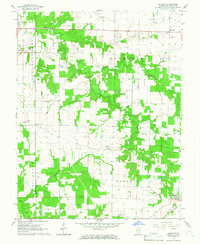 1964 Oakdale1966 Print · USGSWashington County farming communities and crossroad settlements are captured here in the mid-sixties. You can trace family roots at St Johns Cem, locate the old Lookout Tower, and follow the Missouri Illinois rail line through Oakdale.
 - 1964 Map of St. Libory, 1966 Print
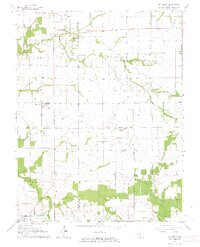 1964 St. Libory1966 Print · USGSSt. Clair and Washington Counties are shown here in the mid-1960s, documenting a landscape of rural hamlets and farming townships. Researchers can trace family sites near Darmstadt Cem, the Johannisburg Sch, and the original settlement at Old Marissa.2 unique versions available
 - 1965 Map of Tilden, 1966 Print
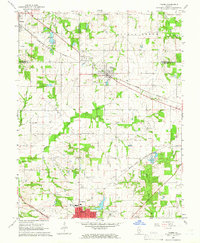 1965 Tilden1966 Print · USGSSouthwestern Illinois was a critical rail and energy hub in the 1960s, shaped by three major railroad lines and an emerging aviation presence. Local historians can trace the development of Sparta and Tilden alongside landmarks like St Johns Ch and the Caledonia Cemetery.2 unique versions available
 - 1965 Map of Coulterville, 1966 Print
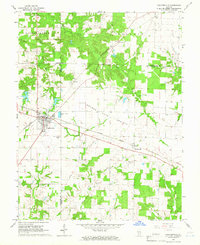 1965 Coulterville1966 Print · USGSThe Illinois prairie meets the railroad junction in the mid-1960s at the intersection of three counties. Genealogists and rail historians can trace the paths of the Illinois Central through Coulterville or find local landmarks like Bethel Cem and McKinley.2 unique versions available
 - 1969 Map of Centralia West, 1971 Print
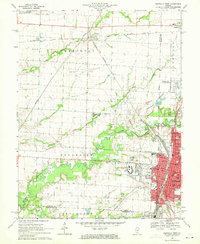 1969 Centralia West1971 Print · USGSCentralia and Wamac are shown at a peak of industrial and institutional growth in the late sixties. Researchers can trace family roots through numerous sites like Bethlehem Cem, Kaskaskia College, and the busy Junction City (Glen Ridge Station).2 unique versions available
Showing maps 1-25 of 122
Top cities of Washington County
- Nashville historical maps
- Okawville historical maps
- Irvington historical maps
- Lively Grove historical maps
- Beaucoup historical maps
- Johannisburg historical maps
See more
Frequently asked questions
- What are the different types of historical maps available for Washington County?
- What is the oldest map of Washington County?
- Where can I purchase historical maps of Washington County for my home or office?
- Where can I download high-res historical maps of Washington County?
- Are there historical topographic maps available for Washington County?
- Is there historical aerial imagery available for Washington County?
- Where are historical maps of Washington County sourced from?