Old Maps of The Courtyard, Indiana
Explore 18 old maps of The Courtyard, spanning from 1905 to today. These high-resolution historic maps reveal how streets, neighborhoods, landmarks, and natural features evolved over time — perfect for genealogy, metal detecting, research, and local history exploration.
What you can do with these maps:
- See how The Courtyard changed over time: Compare historical maps to modern-day views to trace roads, homesites, rail lines & more.
- View detailed metadata: Each map includes creators, publishers, year, scale, and archive source.
- Overlay maps with satellite & LiDAR: Visualize the past alongside modern tools to explore terrain & human change.
- Trusted historical sources: Maps sourced from the USGS, Library of Congress, and other archives.
- Access maps your way: View online, download high-res files, or order prints for personal or research use.
Start exploring old maps of The Courtyard to uncover forgotten places, hidden landmarks, and the deep history beneath your feet.
The Courtyard, IN maps
(18)- 1905 Map of Prospect, 1962 Print
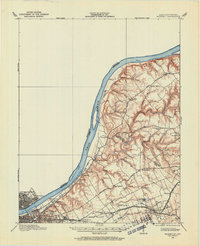 1905 Prospect1962 Print · USGSThe Ohio River corridor north of Louisville comes alive in the early 1900s, showing a landscape of river landings and new electric railways. Researchers can find old landmarks like the Lakeland Asylum, the Kentucky Military Institute, and the Antioch Church.
 - 1912 Map of Prospect
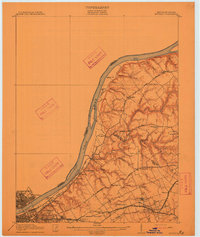 1912 Prospect1912 Print · USGSThe northeastern outskirts of Louisville and the riverbanks of the Ohio River appear here in the early twentieth century. Researchers can trace the development of suburban settlements like Anchorage and St Matthews or locate the sprawling grounds of the Lakeland Asylum.3 unique versions available
 - 1937 Map of Jeffersonville
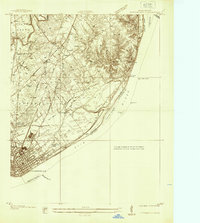 1937 Jeffersonville1937 Print · USGSJeffersonville and the northern banks of the Ohio River appear here in the late 1930s, documenting a landscape shaped by early industry and river trade. Researchers can trace the path of the Indiana Railroad (Electric Line) and locate landmarks like Asbury Chapel and Walnut Ridge Cemetery.
 - 1946 Map of Jeffersonville
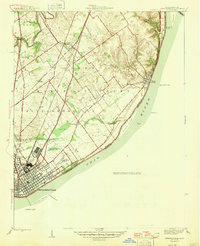 1946 Jeffersonville1946 Print · USGSSouthern Indiana sits at a crossroads of river and rail during the mid-1940s, as the industrial grid of Jeffersonville meets the rural Clark Military Grant. Researchers can trace family roots at Walnut Ridge Cem or locate vanished schoolhouses like Lane Sch and Middle Road Sch.2 unique versions available
 - 1951 Map of Jeffersonville
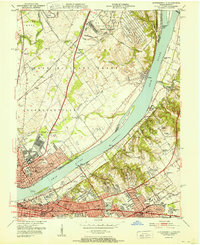 1951 Jeffersonville1951 Print · USGSThe Ohio River corridor near the Falls was a bustling hub of mid-century industry and suburban growth just after the war. Local historians can trace the footprints of the Indiana Arsenal, the Big Four RR Bridge, and old family landmarks from Claysburg to St Matthews.
 - 1955 Map of Jeffersonville, 1957 Print
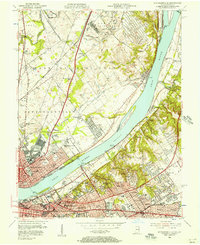 1955 Jeffersonville1957 Print · USGSIn the mid-fifties, the riverfronts of Jeffersonville and Louisville were hubs of industry and suburban expansion. Researchers can trace family sites from Asbury Chapel to the Zachary Taylor National Cemetery, alongside the massive Indiana Arsenal.
 - 1956 Map of Louisville, 1971 Print
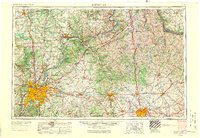 1956 Louisville1971 Print · USGSThe Ohio River valley and the Kentucky Bluegrass are captured here during a period of rapid mid-century growth and industrial activity. Genealogists and historians can trace rail-centered towns and military land use at Fort Knox and the Jefferson Proving Ground.2 unique versions available
 - 1960 Map of Jeffersonville, 1961 Print
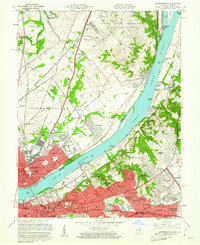 1960 Jeffersonville1961 Print · USGSJeffersonville and Louisville are shown at a peak of mid-century growth as the river-and-rail economy defined the border between Indiana and Kentucky. Researchers can trace historic institutions and transport hubs, including the Zachary Taylor National Cemetery, the Indiana Arsenal, and the State Railway Museum.
 - 1964 Map of Louisville
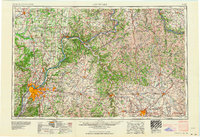 1964 Louisville1964 Print · USGSThe Ohio River valley and Kentucky Bluegrass are captured in the mid-1960s, showing a region balanced between industrial growth and its agrarian roots. Genealogists and historians can trace the development of county seats like Shelbyville and Paris, or locate established institutions such as Georgetown College and Bernheim Forest.
 - 1965 Map of Jeffersonville, 1966 Print
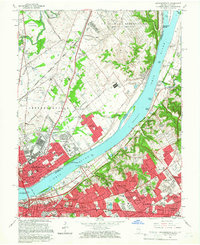 1965 Jeffersonville1966 Print · USGSThe riverfronts of southern Indiana and northern Kentucky are captured here in the mid-sixties, a period of significant suburban expansion. Researchers can trace historic sites like the Locust Grove Historical Home, Zachary Taylor National Cemetery, and the State Railway Museum.2 unique versions available
 - 1982 Map of Jeffersonville
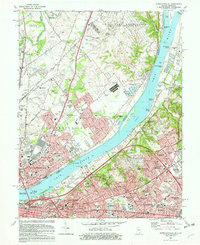 1982 Jeffersonville1982 Print · USGSThe Ohio River corridor flourished in the early eighties as a hub of military industry and suburban expansion. Genealogists and historians can locate burials at Zachary Taylor National Cem or trace the early footprints of St Matthews and Oak Park.2 unique versions available
 - 1986 Map of Louisville
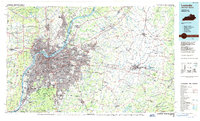 1986 Louisville1986 Print · USGSMid-1980s Louisville and southern Indiana are shown here during a decade of significant suburban growth and infrastructure development. Researchers can trace the layout of Cave Hill Cemetery, the expansion of Standiford Field, and industrial sites like the Indiana Army Ammunition Plant.2 unique versions available
 - 1993 Map of Jeffersonville, 1995 Print
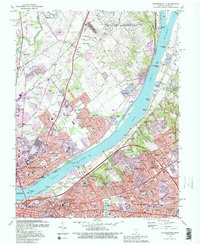 1993 Jeffersonville1995 Print · USGSThe riverfront between Indiana and Kentucky thrived in the early nineties as industry and suburbs expanded alongside historic cemeteries. Trace family roots and local growth through landmarks like the Zachary Taylor National Cem, the Big Four Bridge, and the Kentucky Railway Museum.2 unique versions available
 - 2010 Map of Jeffersonville, 2010 Print
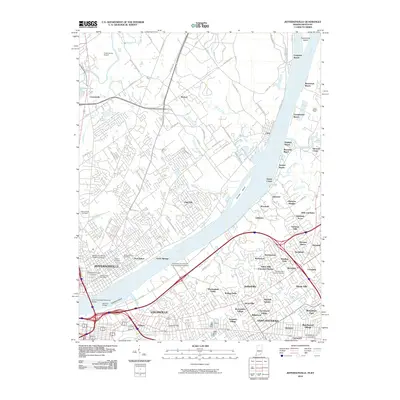 2010 Jeffersonville2010 Print · USGSThe Ohio River valley at the turn of the decade shows the dense metropolitan connection between Jeffersonville, Indiana, and Louisville, Kentucky. Researchers can locate significant sites like the Zachary Taylor National Cemetery, Clark County Airport, and the riverfront communities of Transylvania Beach and Utica.
 - 2013 Map of Jeffersonville, 2013 Print
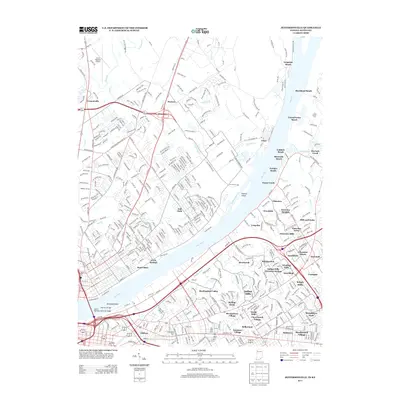 2013 Jeffersonville2013 Print · USGSThe Ohio River corridor comes alive in the early twenty-first century, showing the dense suburban development connecting Indiana and Kentucky. Researchers can trace neighborhood evolutions in Indian Hills and find riverfront landmarks like Transylvania Beach and the Big Four Bridge.
 - 2016 Map of Jeffersonville, 2016 Print
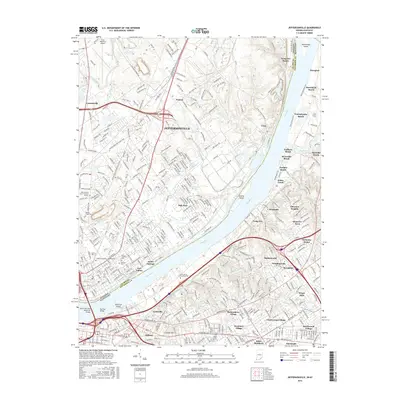 2016 Jeffersonville2016 Print · USGSGreater Louisville and Jeffersonville sit at a modern crossroads of river and rail during this late-2010s survey. Trace the evolution of neighborhoods from Port Fulton and Oak Park to the riverfront reaches of Transylvania Beach and Goose Creek.
 - 2019 Map of Jeffersonville, 2019 Print
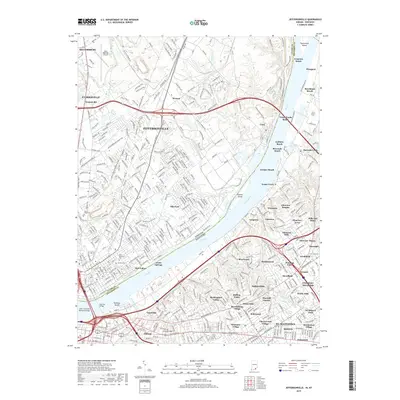 2019 Jeffersonville2019 Print · USGSThe riverfront communities of Indiana and Kentucky are captured here in the late 2010s as they flank the Ohio River. Researchers can trace local history through sites like Walnut Ridge Cemetery, the many Glenview-area neighborhoods, and prominent river features like Sixmile Island.
 - 2022 Map of Jeffersonville, 2022 Print
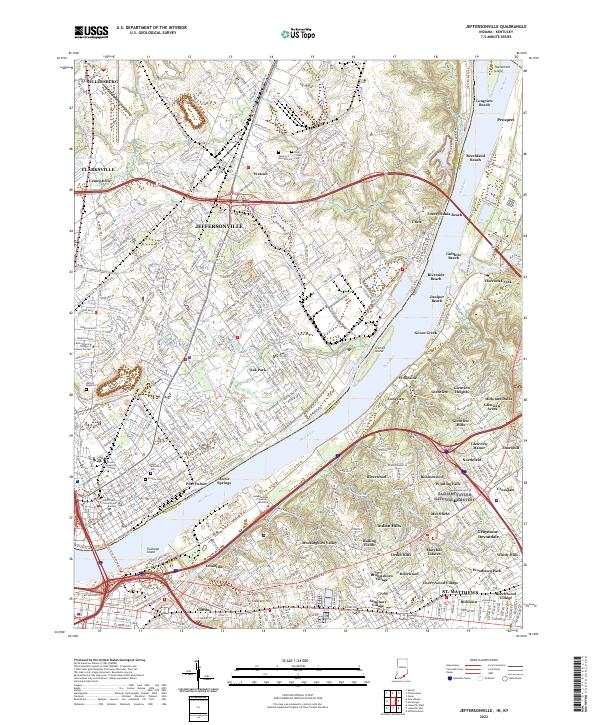 2022 Jeffersonville2022 Print · USGSThe riverfront communities of Indiana and Kentucky are shown here in the early twenty-first century as they flank the Ohio River. Researchers can trace local landmarks and neighborhood growth from the Clark County Government Building to family plots at Walnut Ridge Cem and Saint Anthonys Cem.
End of results
Showing maps 1-18 of 18
Frequently asked questions
- What are the different types of historical maps available for The Courtyard?
- What is the oldest map of The Courtyard?
- Where can I purchase historical maps of The Courtyard for my home or office?
- Where can I download high-res historical maps of The Courtyard?
- Are there historical topographic maps available for The Courtyard?
- Is there historical aerial imagery available for The Courtyard?
- Where are historical maps of The Courtyard sourced from?