Old Maps of Fayette County, Indiana for Academic Research
Study the evolution of Fayette County with 57 high-resolution historic maps. Whether you're teaching, researching, or modeling changes in land use, these maps provide essential visual documentation of urban, environmental, and geographic change.
- Analyze long-term change: Track patterns in development, transportation, and natural features.
- Ideal for environmental or urban studies: Support academic projects with primary historical map data.
- Use in the classroom or lab: Educators and researchers rely on these maps to bring historical context to life.
These maps are a powerful tool for teaching, research, and visualizing how Fayette County has changed over the decades.
Fayette County, IN maps
(57)- 1948 Map of Lewisville, 1966 Print
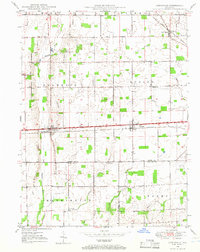 1948 Lewisville1966 Print · USGSHenry County and the surrounding farm country are captured here in the late 1940s as the rail-line communities of Lewisville and Straughn thrived. Genealogists can locate family-named landmarks and rural congregations like Rich Square Ch and Hopewell Ch.
 - 1950 Map of Lewisville
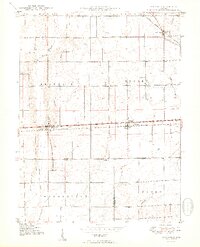 1950 Lewisville1950 Print · USGSEast-central Indiana farmland is documented here in the mid-twentieth century, centered on the railroad corridor through Lewisville. Genealogists can trace family roots through rural landmarks like Rich Square Ch, Ebenezer Ch, and the small settlement of Beacon.2 unique versions available
 - 1953 Map of Cincinnati, 1965 Print
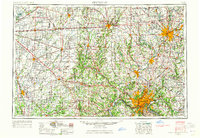 1953 Cincinnati1965 Print · USGSThe Ohio River valley and the industrial heartland of Indiana and Ohio are captured here during the mid-century peak of rail and river commerce. Genealogists and historians can trace connections between Cincinnati and outlying military sites like Camp Atterbury and Bakalar AFB.3 unique versions available
 - 1956 Map of Everton, 1957 Print
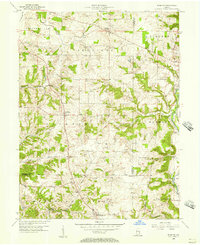 1956 Everton1957 Print · USGSThe crossroads of Fayette and Franklin counties are frozen in time here during the mid-fifties, capturing a landscape of established family farms and creek-bottom timber. Genealogists can locate family landmarks like Pettigrew Cem, the Duck Creek Stone Chapel, and the historic Greenville Treaty Line.
 - 1956 Map of Alpine, 1957 Print
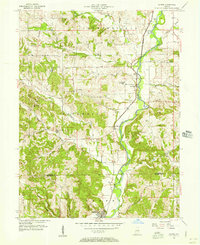 1956 Alpine1957 Print · USGSFayette and Franklin Counties come into focus in the mid-1950s as the river-and-rail economy defined the Whitewater Valley. Researchers can trace family history at Tullis Chapel Cem and Webb Cem, or locate rural school sites like Nulltown Sch.
 - 1956 Map of Brownsville, 1957 Print
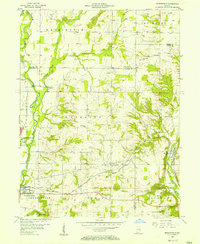 1956 Brownsville1957 Print · USGSFayette County is captured in the mid-fifties at a moment when rural crossroads like Philomath and Lyonsville still served as vital community centers. Researchers can locate vanished landmarks and family burial sites such as Philomath Cem and Simpson Cem.
 - 1956 Map of Connersville, 1957 Print
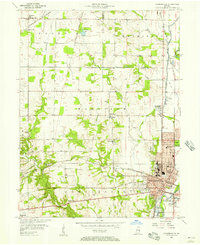 1956 Connersville1957 Print · USGSIn the mid-1950s, the Connersville area flourished as a crossroads for the Baltimore and Ohio and Pennsylvania railroads. Genealogists and historians can trace family locations near Wiley Chapel Cem, Harrisburg, and several rural Township Sch sites.
 - 1957 Map of Cincinnati
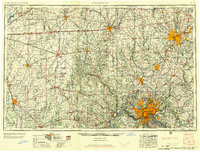 1957 Cincinnati1957 Print · USGSThe Ohio River valley and its surrounding highlands thrived during the mid-fifties industrial peak, centered on the bustling Cincinnati and Dayton metropolitan hubs. Researchers can trace the extensive rail networks and military sites like Wright-Patterson AFB and Camp Atterbury.
 - 1959 Map of New Salem, 1960 Print
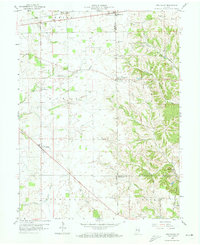 1959 New Salem1960 Print · USGSThe rural landscape of Rush County in the late fifties is defined by its small farming settlements and pioneer-era legacy. Genealogists can trace family roots through numerous burial grounds like Heaton Cem and Orange North Cem or locate the historic Indian Treaty Boundary.3 unique versions available
 - 1959 Map of Falmouth, 1960 Print
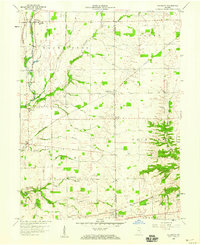 1959 Falmouth1960 Print · USGSRush and Fayette counties appear at the height of the mid-century agricultural era, shaped by the Flatrock River and the Pennsylvania Railroad. Genealogists can trace family footprints at Plum Creek Ch, Hinchman Cem, and the old Township Sch.2 unique versions available
 - 1960 Map of Cambridge City, 1961 Print
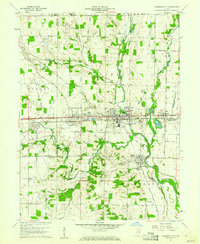 1960 Cambridge City1961 Print · USGSThe Whitewater Valley and the historic National Road are captured here during the early sixties, showing a landscape defined by rail and river. Researchers can trace the layout of Cambridge City and Milton, locating family sites near Locust Grove Cem or Zion Ch.2 unique versions available
 - 1970 Map of Lewisville, 1973 Print
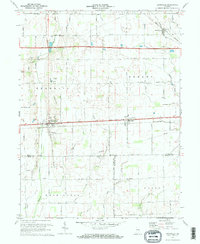 1970 Lewisville1973 Print · USGSEastern Indiana farmland transitions from the steam era to the late twentieth century in this detailed survey of Henry County. Researchers can trace historic family landmarks such as Ebenezer Cem, Rich Square Ch, and the corridor of the Penn Central railroad.2 unique versions available
 - 1971 Map of Alpine, 1973 Print
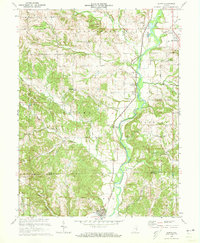 1971 Alpine1973 Print · USGSFayette and Franklin Counties come together along the river valley in the early seventies, where rail and water dominate the landscape. Researchers can trace the Penn Central tracks through Nulltown, Alpine, and Laurel, or locate family sites at Tullis Chapel Cem.3 unique versions available
 - 1972 Map of Everton, 1973 Print
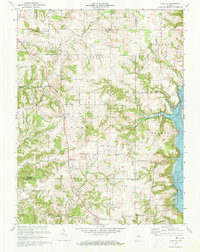 1972 Everton1973 Print · USGSThe rural borderlands of Fayette, Franklin, and Union counties are detailed here during the early seventies. Genealogists can locate family-named landmarks like Mt Garrison Cem and the Little Children Home, or trace the path of Village Creek.4 unique versions available
 - 1972 Map of Brownsville, 1973 Print
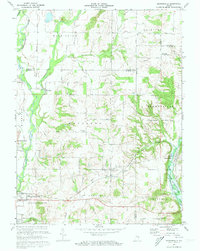 1972 Brownsville1973 Print · USGSFayette and Union Counties are captured here in the early seventies during the formation of the lake. Local historians can trace the foundations of communities like Springersville, find family plots at Philomath Cem, and locate the Covered Bridge at Brownsville.3 unique versions available
 - 1972 Map of Connersville, 1973 Print
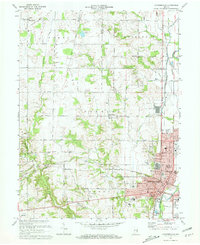 1972 Connersville1973 Print · USGSThe rail-and-river hub of Fayette County is captured here in the early seventies, showing a landscape shaped by the Whitewater River and the Penn Central tracks. Local historians can trace family roots through several rural burial grounds like Wiley Chapel Cem and 24 City Cemetery.2 unique versions available
 - 1986 Map of New Castle
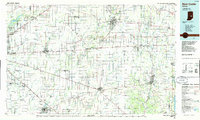 1986 New Castle1986 Print · USGSEast Central Indiana remains a patchwork of thriving county seats and rail-side hamlets in the mid-eighties. Genealogists and historians can locate family landmarks such as East Hill Cemetery, Little Blue River Church, and the transit lines of the CONRAIL railroad.2 unique versions available
 - 2010 Map of Cambridge City, 2010 Print
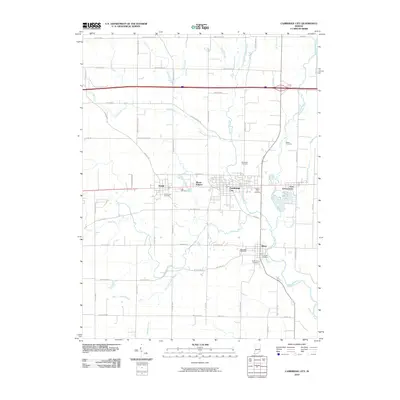 2010 Cambridge City2010 Print · USGSEastern Indiana settlements thrive along the Whitewater River corridor at the start of the twenty-first century. Genealogists and historians can trace family lines through several local burial sites like Friends Cemetery, Beard Cemetery, and Riverside Cemetery.
 - 2010 Map of Falmouth, 2010 Print
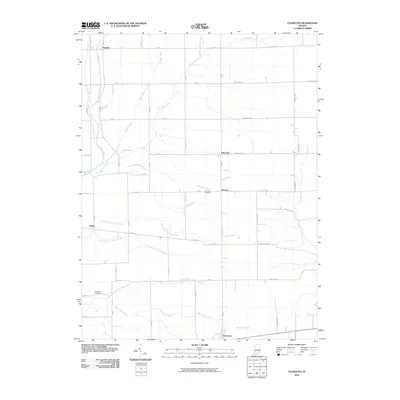 2010 Falmouth2010 Print · USGSRush County farmland at the start of the twenty-first century is defined by a deep-rooted grid of rural roads and drainage networks. Researchers can pinpoint Fairview Cemetery and Hinchman Cemetery or trace the paths of Shawnee Creek and the Flatrock River.
 - 2010 Map of Alpine, 2010 Print
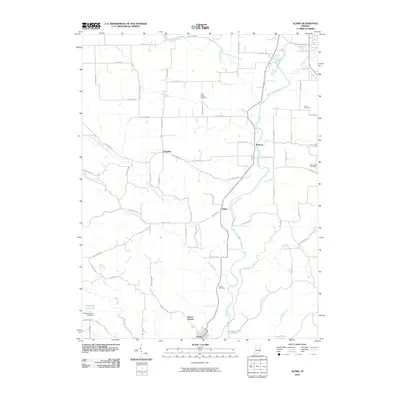 2010 Alpine2010 Print · USGSFayette County’s river valley comes to life in this survey of the communities along the Whitewater River. Genealogists and local historians can trace the locations of Tullis Chapel Cemetery, Union Cemetery, and old crossroads like Nulltown and Alpine.
 - 2010 Map of Everton, 2010 Print
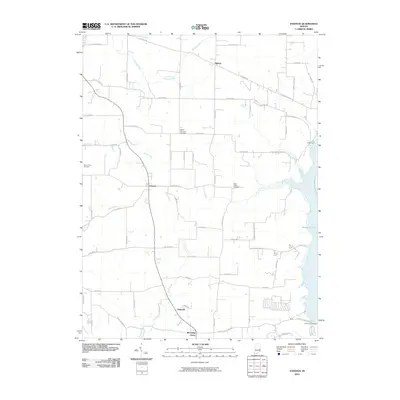 2010 Everton2010 Print · USGSThe rural countryside of Franklin County is shown here in the early twenty-first century, characterized by small settlements and the expansive Brookville Lake. Researchers can trace old family names and burial sites at Mount Garrison Cemetery or explore the hamlets of Everton and Pinhook.
 - 2010 Map of Connersville, 2010 Print
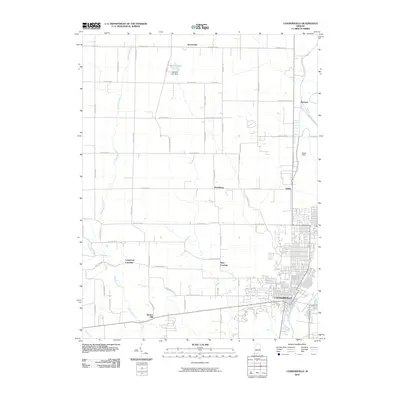 2010 Connersville2010 Print · USGSIndiana's Fayette County landscape is captured here in the early twenty-first century, centered on the urban hub of Connersville. Genealogists and local historians can trace small communities like Bentonville, Beesons, and the rural junction of Tyner Crossing.
 - 2010 Map of New Salem, 2010 Print
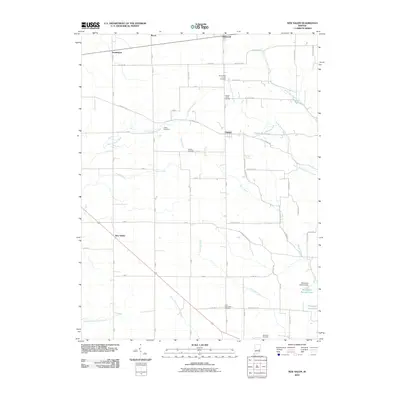 2010 New Salem2010 Print · USGSRush County's rural townships are documented in the early twenty-first century, showing a landscape of traditional farmsteads and quiet crossroads. Genealogists can trace family heritage through numerous burial sites like Gregg Cemetery, Heaton Cemetery, and the Old Friends Church Cemetery.
 - 2010 Map of Lewisville, 2010 Print
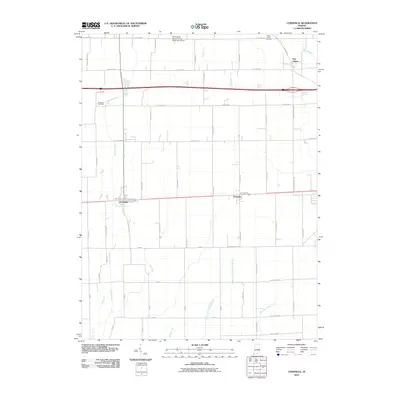 2010 Lewisville2010 Print · USGSHenry County is captured here in the early twenty-first century, showing the enduring agricultural layout of the Indiana countryside. Family historians can trace local landmarks like Ebenezer Cemetery or the rural settlements of Lewisville and Straughn.
 - 2010 Map of Brownsville, 2010 Print
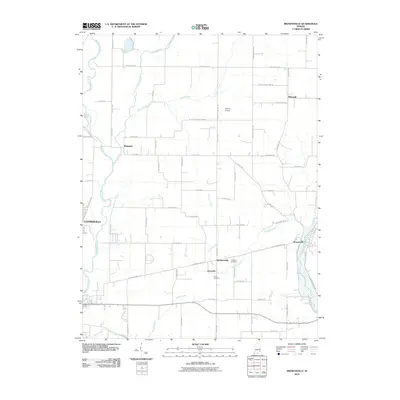 2010 Brownsville2010 Print · USGSThe eastern Indiana countryside near the Union and Fayette county line is shown here at the start of the 2010s. Researchers can trace rural lineages through sites like Simpson Cemetery, the small community of Philomath, and the banks of the Whitewater River.
Showing maps 1-25 of 57
Top cities of Fayette County
Frequently asked questions
- What are the different types of historical maps available for Fayette County?
- What is the oldest map of Fayette County?
- Where can I purchase historical maps of Fayette County for my home or office?
- Where can I download high-res historical maps of Fayette County?
- Are there historical topographic maps available for Fayette County?
- Is there historical aerial imagery available for Fayette County?
- Where are historical maps of Fayette County sourced from?