2000s (21st Century) Maps of Wells County, Indiana
Explore 70 historic maps of Wells County from the 2000s (21st Century). These maps offer a rare glimpse into what life looked like during the 2000s — showing old roads, neighborhoods, homes, and landmarks that have changed or disappeared over time.
Whether you're researching your family's past, planning a metal detecting trip, or studying how Wells County's landscape evolved across the 2000s, these high-resolution maps are a powerful tool for exploring the history of this region.
- Focus on a specific era: All maps on this page are from the 2000s, giving you a focused view of this time period.
- See what’s changed: Compare century-old streets, trails, and buildings to today's modern landscape using overlays and satellite layers.
- Research with precision: Use these maps for genealogy, historical research, land use analysis, or educational projects.
- View, download, or print: Maps are fully viewable online in high resolution, and can be downloaded or printed for your own records.
Start exploring Wells County's history through authentic maps from the 2000s. This is your window into the past.
Wells County, IN maps
(70)- 2010 Map of Warren, 2010 Print
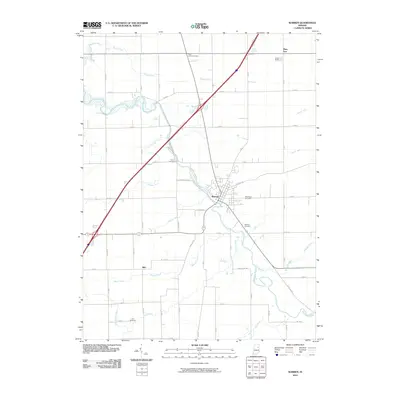 2010 Warren2010 Print · USGSWarren and its neighboring hamlets are captured here during the first decade of the 2000s, showing the settled farmland of Huntington County. Researchers can locate numerous local burial grounds including Redmen Cemetery and Taylor Cemetery along the banks of the Salamonie River.
 - 2010 Map of Petroleum, 2010 Print
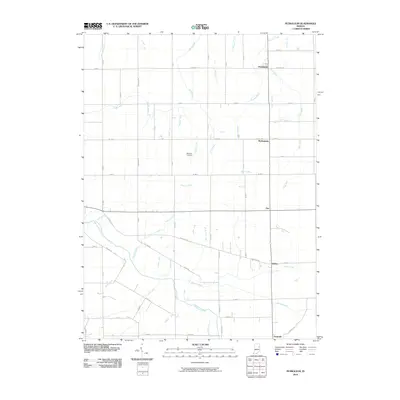 2010 Petroleum2010 Print · USGSIndiana’s agricultural heartland is documented here in the early twenty-first century, showing the enduring rural layout of Wells County. Researchers can locate early family landmarks like Bloxsom Cemetery or trace the drainage of the Salamonie River and Petroleum.
 - 2010 Map of Preble, 2010 Print
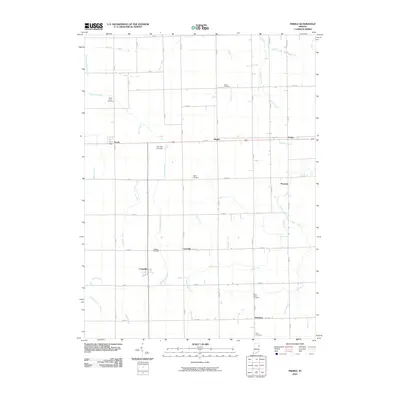 2010 Preble2010 Print · USGSAdams County in the early twenty-first century remains a landscape of traditional farming and engineering. Genealogists and local historians can trace family locations near Tocsin, Curryville, and Honduras, or find ancestors at Saint Lukes Cemetery and Zion Cemetery.
 - 2010 Map of Montpelier, 2010 Print
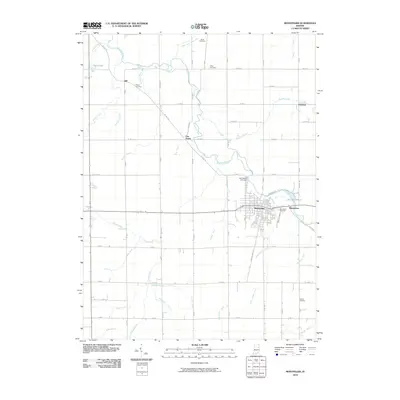 2010 Montpelier2010 Print · USGSMontpelier and the Salamonie River valley are captured here in the early twenty-first century as the area's deep agricultural roots and drainage systems remain clearly defined. Researchers can locate family sites and rural landmarks at Woodlawn Cemetery, the settlement of Matamoras, and the waters of Lake Blue-Water.
 - 2010 Map of Domestic, 2010 Print
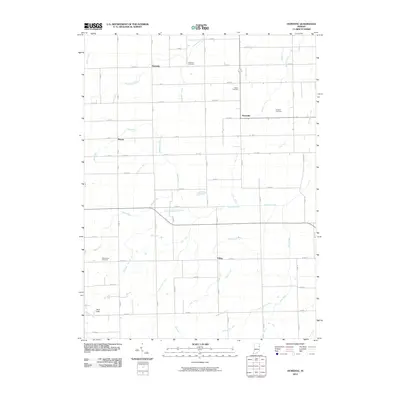 2010 Domestic2010 Print · USGSEastern Indiana’s farming country is captured here during the first decade of the new millennium. Researchers can trace ancestral locations and rural landmarks across Domestic, Perryville, and local burial grounds like Hartford Cemetery and Brown Cemetery.
 - 2010 Map of Bluffton, 2010 Print
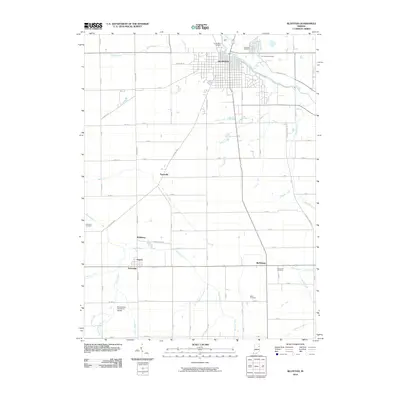 2010 Bluffton2010 Print · USGSWells County at the turn of the 21st century reveals a landscape of orderly township grids and a complex river drainage system. Researchers can trace family history through sites like Old Bluffton Cemetery or locate small rural centers such as Poneto and Reiffsburg.
 - 2010 Map of Markle, 2010 Print
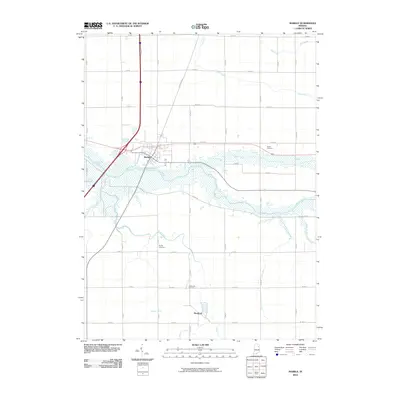 2010 Markle2010 Print · USGSMarkle and Rockford are captured here during the first decade of the 21st century, showing a landscape defined by the Wabash River and extensive field drainage. Local historians can trace family roots at Horeb Cemetery, Sparks Cemetery, and Spider Hill Cemetery.
 - 2010 Map of Roll, 2010 Print
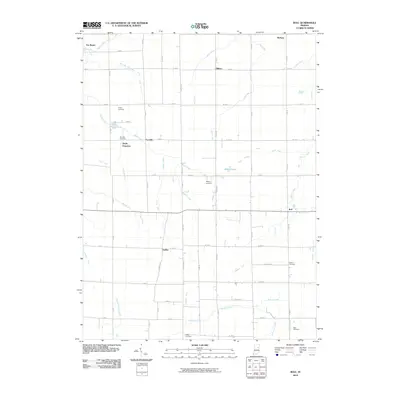 2010 Roll2010 Print · USGSVan Buren and the rural townships of Grant County are shown at the start of the 2010s, defined by a vast network of drainage ditches and family settlements. Researchers can trace local roots at the Doyle and Center Cemetery or locate the sites of Farrville and Roll.
 - 2010 Map of Liberty Center, 2010 Print
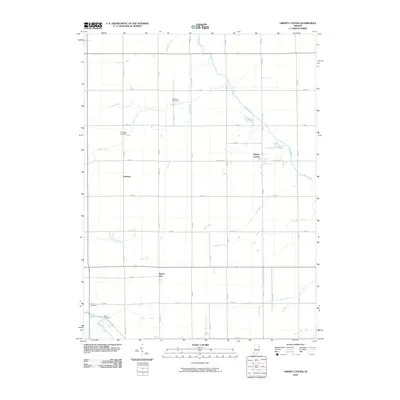 2010 Liberty Center2010 Print · USGSWells County at the start of the 2010s reveals a landscape defined by its agricultural heritage and complex drainage networks. Researchers can trace family sites at Mossburg Cemetery and explore the rural hubs of Buckeye and Liberty Center.
 - 2010 Map of Poe, 2010 Print
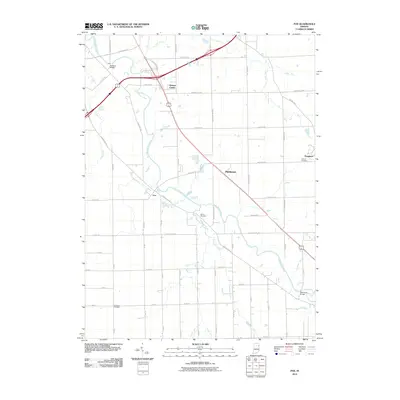 2010 Poe2010 Print · USGSAllen County’s agricultural heartland is documented here in the early twenty-first century, centered on the Saint Marys River corridor. Genealogists and historians can locate family sites near Bethel Cemetery, the community of Hessen Cassel, and Muldoon Bridge.
 - 2010 Map of Uniondale, 2010 Print
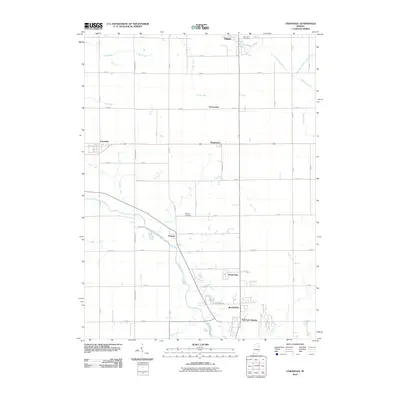 2010 Uniondale2010 Print · USGSWells County at the turn of the decade reveals a landscape where the Wabash River meets a complex web of rural drainage and small-town life. Researchers can trace local lineages at Murray Cemetery or explore the early 21st-century footprints of Uniondale and Kingsland.
 - 2010 Map of Ossian, 2010 Print
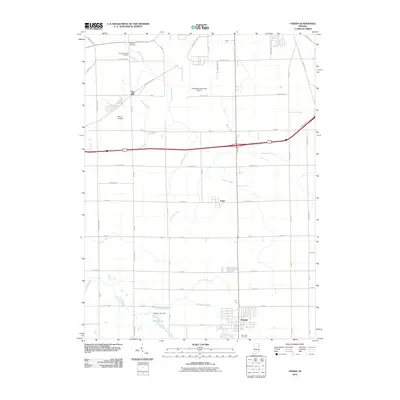 2010 Ossian2010 Print · USGSThe rural landscape of Allen County at the start of the 21st century reveals a deep reliance on managed waterways and local aviation. Researchers can trace the layout of Ossian, locate family plots at Fogwell Cemetery, and follow the path of Eightmile Creek through the prairie.
 - 2010 Map of Zanesville, 2010 Print
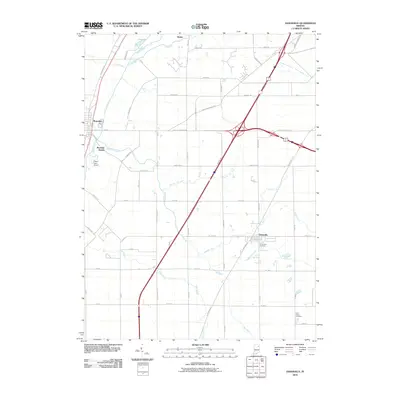 2010 Zanesville2010 Print · USGSNortheast Indiana's agricultural heartland is documented here just after the first decade of the millennium. Researchers can locate family landmarks like Hoverstock Cemetery or trace the drainage networks of Eightmile Creek and Flat Creek.
 - 2010 Map of Linn Grove, 2010 Print
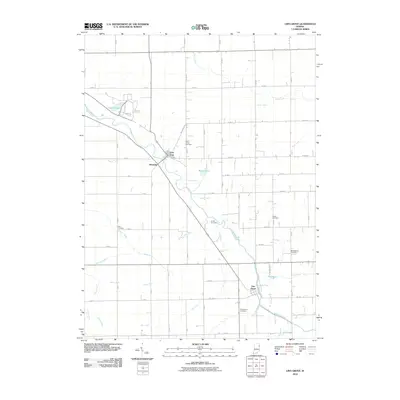 2010 Linn Grove2010 Print · USGSThe Wabash River valley in Wells County appears here in the early twenty-first century as a landscape of structured drainage and small riverside settlements. Researchers can locate numerous local burial grounds including Greenwood Cemetery, Saint Johns Cemetery, and Linn Cemetery.
 - 2013 Map of Warren, 2013 Print
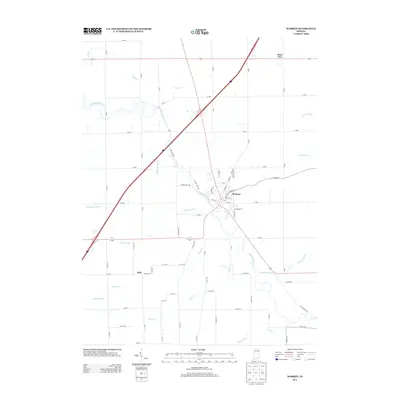 2013 Warren2013 Print · USGSThe town of Warren and its surrounding agricultural landscape are captured in the early twenty-first century as the Salamonie River flows through the heart of the community. Genealogists and researchers can trace local connections in Warren, Plum Tree, and Milo, or follow the routes of Brook Cr and the Salamonie River.
 - 2013 Map of Zanesville, 2013 Print
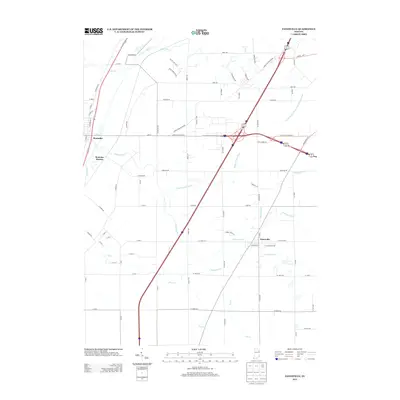 2013 Zanesville2013 Print · USGSRoanoke and Zanesville are captured here in the early twenty-first century, showing the intersection of historic town centers and modern transit. Researchers can trace the drainage networks of Pleasant Run Ditch and Eightmile Creek alongside the growth of Roanoke Station.
 - 2013 Map of Ossian, 2013 Print
 2013 Ossian2013 Print · USGSAllen County enters a new era of connectivity and drainage in the 2010s. Genealogists and local historians can trace the development of Ossian and Yoder or map the extensive networks of Eightmile Cr and Brindle Ditch.
 - 2013 Map of Preble, 2013 Print
 2013 Preble2013 Print · USGSAdams County’s rural heritage is preserved here in the early twenty-first century, showing a landscape shaped by drainage and small-town commerce. Researchers can trace family roots through settlements like Tocsin, Honduras, and Magley or locate local landmarks such as The Lazy K Airport.
 - 2013 Map of Markle, 2013 Print
 2013 Markle2013 Print · USGSThe town of Markle and the Wabash River corridor are captured here during the early twenty-first century. Family historians and researchers can trace local landmarks like Worster Farms and the private airstrips at Johnson Airport and Grandlienard-Hogg Airport.
 - 2013 Map of Liberty Center, 2013 Print
 2013 Liberty Center2013 Print · USGSWells County at the start of the 2010s reveals a landscape of orderly farmsteads and an intricate network of agricultural drainage. Genealogists can trace family footprints near Liberty Center, Buckeye, or the rural crossroads of Mount Zion.
 - 2013 Map of Domestic, 2013 Print
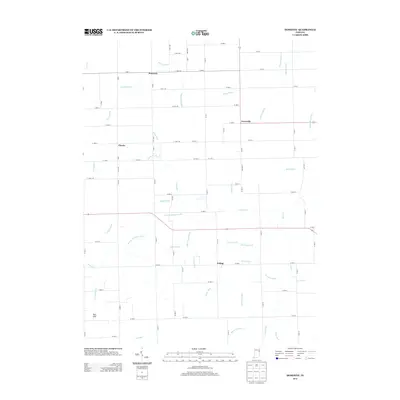 2013 Domestic2013 Print · USGSThe rural crossroads of Adams County are meticulously documented in this early twenty-first-century survey of the Indiana countryside. Researchers can trace local landmarks and property contexts near Domestic, Perryville, and the waters of Loblolly Cr.
 - 2013 Map of Uniondale, 2013 Print
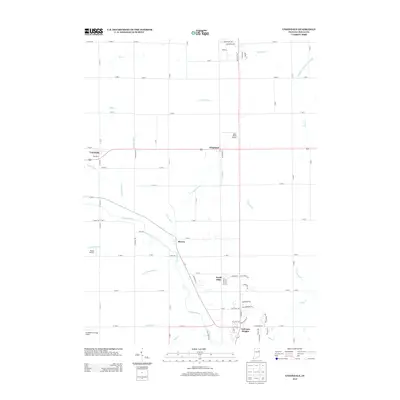 2013 Uniondale2013 Print · USGSWells County is captured here in the early 2010s as a landscape of river-bend hamlets and modern drainage networks. Researchers can trace the layout of Uniondale, locate Skip's Place Airport, and follow the path of the Wabash River.
 - 2013 Map of Petroleum, 2013 Print
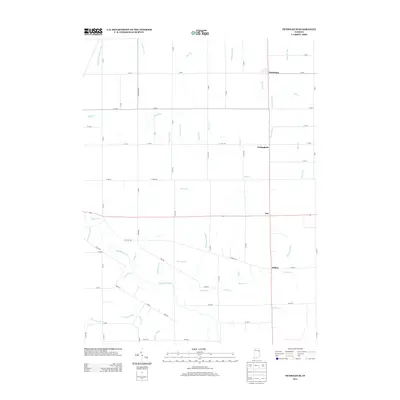 2013 Petroleum2013 Print · USGSWells County farming and small-town life are captured here in the early twenty-first century as agricultural traditions continue. Researchers can trace rural settlement patterns near Petroleum and Nottingham, or follow the course of the Salamonie River.
 - 2013 Map of Poe, 2013 Print
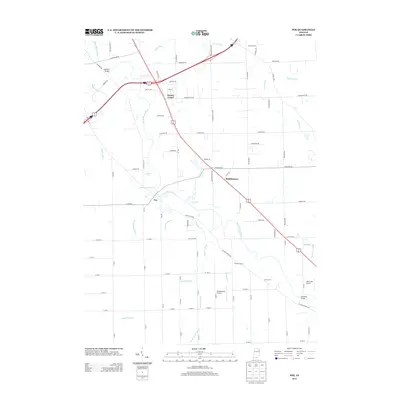 2013 Poe2013 Print · USGSSoutheast of Fort Wayne in the early 2010s, this area shows a landscape of river-bend settlements and specialized rural aviation. Genealogists and local historians can trace family-named sites like Erxleben Farms or locate crossings such as Scheiman Bridge and Muldoon Bridge.
 - 2013 Map of Bluffton, 2013 Print
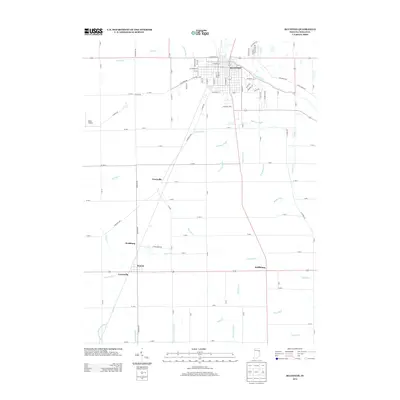 2013 Bluffton2013 Print · USGSWells County at the beginning of the twenty-first century reveals a landscape shaped by the Wabash River and an intricate network of agricultural drainage. Researchers can trace the layout of Bluffton or locate rural crossroads like Poneto, Wellsburg, and Travisville.
Showing maps 1-25 of 70
Top cities of Wells County
- Bluffton historical maps
- Ossian historical maps
- Nottingham historical maps
- Uniondale historical maps
- Poneto historical maps
- Vera Cruz historical maps
Frequently asked questions
- What are the different types of historical maps available for Wells County?
- What is the oldest map of Wells County?
- Where can I purchase historical maps of Wells County for my home or office?
- Where can I download high-res historical maps of Wells County?
- Are there historical topographic maps available for Wells County?
- Is there historical aerial imagery available for Wells County?
- Where are historical maps of Wells County sourced from?