Old Maps of Ozark, Iowa for Academic Research
Study the evolution of Ozark with 13 high-resolution historic maps. Whether you're teaching, researching, or modeling changes in land use, these maps provide essential visual documentation of urban, environmental, and geographic change.
- Analyze long-term change: Track patterns in development, transportation, and natural features.
- Ideal for environmental or urban studies: Support academic projects with primary historical map data.
- Use in the classroom or lab: Educators and researchers rely on these maps to bring historical context to life.
These maps are a powerful tool for teaching, research, and visualizing how Ozark has changed over the decades.
Ozark, IA maps
(13)- 1891 Map of Baldwin
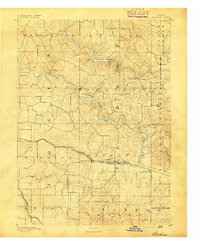 1891 Baldwin1891 Print · USGSJackson County at the end of the century shows a rugged landscape transitioning from river-based industry to a railroad economy. Genealogists can trace family footprints in early settlements like Ozark, Clay Mills, and the rail hubs of Baldwin and Monmouth.3 unique versions available
 - 1901 Map of Peosta
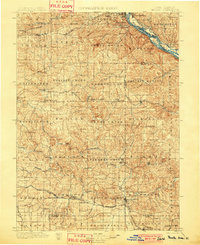 1901 Peosta1901 Print · USGSDubuque and Jackson counties were a hub of river commerce and early rail expansion at the turn of the century. Genealogists and historians can trace the foundations of communities like Peosta, St.Donatus, and the mill sites at Washington Mills.4 unique versions available
 - 1959 Map of Dubuque, 1982 Print
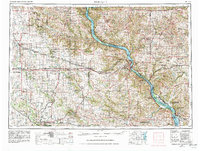 1959 Dubuque1982 Print · USGSThe Tri-State region comes alive in the mid-twentieth century as a hub of river commerce and rail transit. Genealogists and historians can trace the paths of the Illinois Central Gulf through Dubuque or locate the Savanna Ordnance Depot and Lock and Dam No 11.
 - 1961 Map of Dubuque
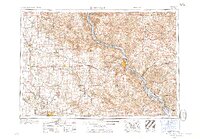 1961 Dubuque1961 Print · USGSThe Tri-State region's river-and-rail landscape is captured here during the early sixties, showing the convergence of Iowa, Illinois, and Wisconsin. Trace mid-century rail lines like the Chicago Great Western Ry and explore sites like the Savanna Ordnance Depot and Backbone State Park.
 - 1962 Map of Dubuque
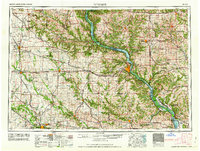 1962 Dubuque1962 Print · USGSThe Tri-State region's river-and-rail economy is captured here in the early sixties, centered on the Mississippi River bluffs. Genealogists and historians can locate Numerous lead and zinc mines, the New Melleray Abbey Monastery, and rural hubs like Saint Olaf.2 unique versions available
 - 1976 Map of Dubuque
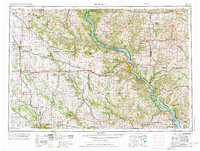 1976 Dubuque1976 Print · USGSThe tri-state borderlands of Iowa, Wisconsin, and Illinois come alive during the mid-seventies, showing a region built on river commerce and mining. Genealogists and historians can trace the paths of the Illinois Central railroad or locate heritage sites like the New Melleray Abbey Monastery and Backbone State Park.
 - 1980 Map of Canton, 1981 Print
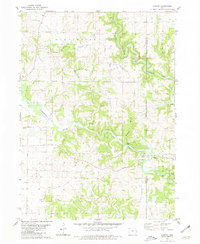 1980 Canton1981 Print · USGSThe river valleys of eastern Iowa are captured here in the early 1980s, centered on the historic crossroads of Canton and Clay Mills. Researchers can trace rural lineages through family-named landmarks like Sawyers Rock or sites such as St Peters Ch and Clay Cem.
 - 1984 Map of Dubuque South, 1985 Print
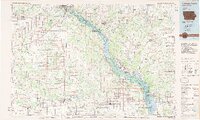 1984 Dubuque South1985 Print · USGSEastern Iowa and Northwest Illinois meet along the Mississippi in the mid-eighties, a landscape defined by river industry and limestone bluffs. Trace the rail lines of the Illinois Central Gulf or explore notable sites like the Savanna Army Depot and Maquoketa Caves State Park.4 unique versions available
 - 2010 Map of Canton, 2010 Print
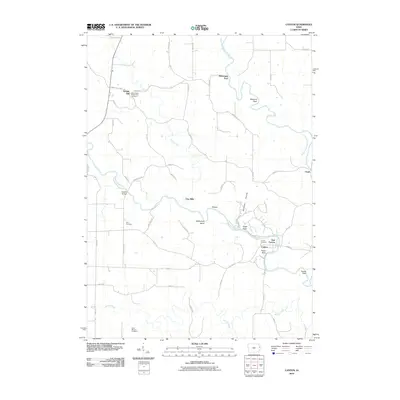 2010 Canton2010 Print · USGSThe rural stretches of eastern Iowa are preserved here in the first decade of the new millennium. Researchers can trace family roots through the Saint Peters Temple Hill Cemetery and the small community of Temple Hill.
 - 2013 Map of Canton, 2013 Print
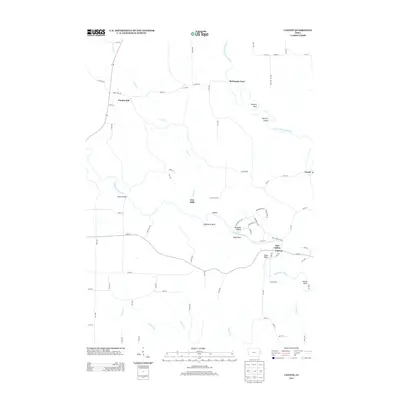 2013 Canton2013 Print · USGSJackson County at the start of the 2010s shows a landscape deeply tied to the bends of the Maquoketa River. You can trace historical rural crossings and landmarks like McGargels Ford, Supple Bridge, and the community of Clay Mills.
 - 2015 Map of Canton, 2015 Print
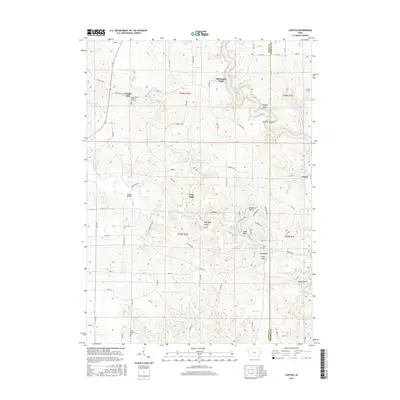 2015 Canton2015 Print · USGSThis rural river valley on the Jones and Jackson County line shows a landscape shaped by the Maquoketa River during the mid-2010s. Researchers can trace family roots through several local burial sites including Canton Cem and the North Mineral Cem near Clay Mills.
 - 2018 Map of Canton, 2018 Print
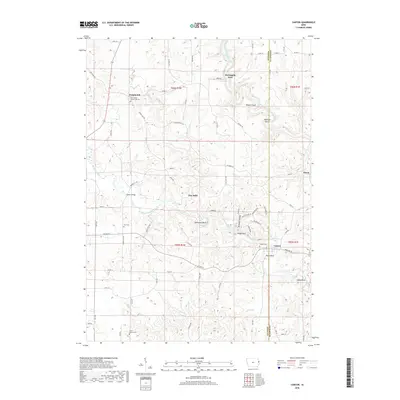 2018 Canton2018 Print · USGSThe border of Jones and Jackson Counties is captured in this modern survey of the Maquoketa River valley. Genealogists can trace family tracts and rural burial sites like Temple Hill Cem, Clay Cem, and the river community of Canton.
 - 2022 Map of Canton, 2022 Print
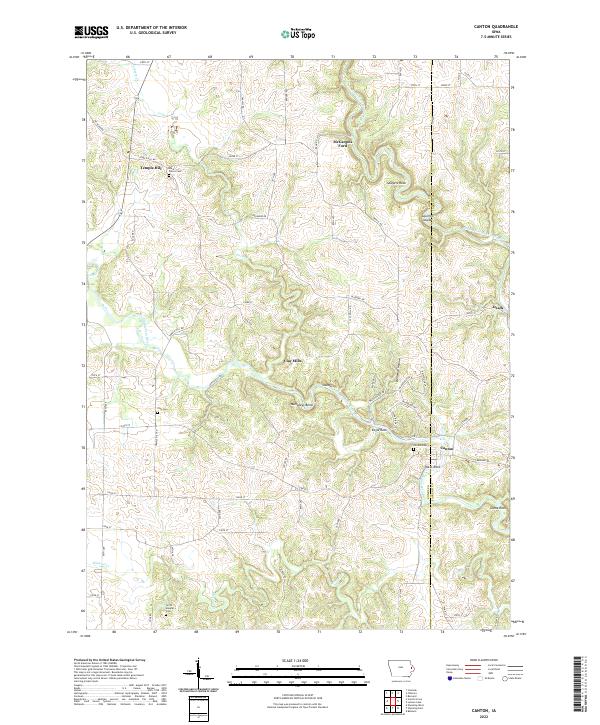 2022 Canton2022 Print · USGSThe river valleys of Jones and Jackson Counties are captured here in the early 2020s, showing a landscape defined by the winding Maquoketa River. Local researchers can trace family roots through several rural burial sites, including Clay Cem and Canton Cem, or locate landmarks like Clay Mills and McGargels Ford.
End of results
Showing maps 1-13 of 13
Top cities near Ozark
- Dubuque historical maps
- Maquoketa historical maps
- Cascade historical maps
- Wyoming historical maps
- Lost Nation historical maps
- Oxford Junction historical maps
See more
Frequently asked questions
- What are the different types of historical maps available for Ozark?
- What is the oldest map of Ozark?
- Where can I purchase historical maps of Ozark for my home or office?
- Where can I download high-res historical maps of Ozark?
- Are there historical topographic maps available for Ozark?
- Is there historical aerial imagery available for Ozark?
- Where are historical maps of Ozark sourced from?