2000s (21st Century) Maps of Duncombe, Iowa
Explore 10 historic maps of Duncombe from the 2000s (21st Century). These maps offer a rare glimpse into what life looked like during the 2000s — showing old roads, neighborhoods, homes, and landmarks that have changed or disappeared over time.
Whether you're researching your family's past, planning a metal detecting trip, or studying how Duncombe's landscape evolved across the 2000s, these high-resolution maps are a powerful tool for exploring the history of this region.
- Focus on a specific era: All maps on this page are from the 2000s, giving you a focused view of this time period.
- See what’s changed: Compare century-old streets, trails, and buildings to today's modern landscape using overlays and satellite layers.
- Research with precision: Use these maps for genealogy, historical research, land use analysis, or educational projects.
- View, download, or print: Maps are fully viewable online in high resolution, and can be downloaded or printed for your own records.
Start exploring Duncombe's history through authentic maps from the 2000s. This is your window into the past.
Duncombe, IA maps
(10)- 2010 Map of Evanston, 2010 Print
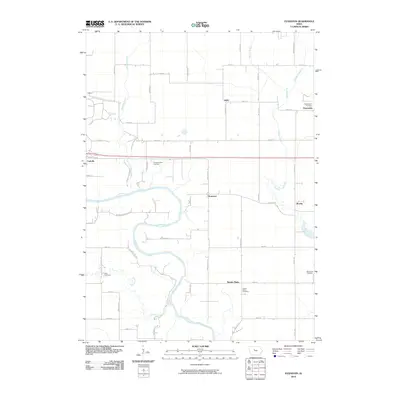 2010 Evanston2010 Print · USGSSoutheast of Fort Dodge in the early 2000s, the Des Moines River valley remains the focal point for rural Webster County life. Local historians can trace established homesteads near Evanston or locate family plots at Otho Cemetery and Pleasant Valley Cemetery.
 - 2010 Map of Duncombe, 2010 Print
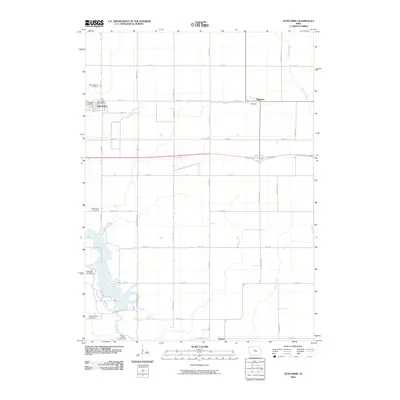 2010 Duncombe2010 Print · USGSDuncombe and the eastern Webster County farmsteads are captured here in the early twenty-first century. Researchers can locate family burial sites at Saint Josephs and Washington Cemetery or trace the drainage of Brushy Creek near Homer.
 - 2013 Map of Duncombe, 2013 Print
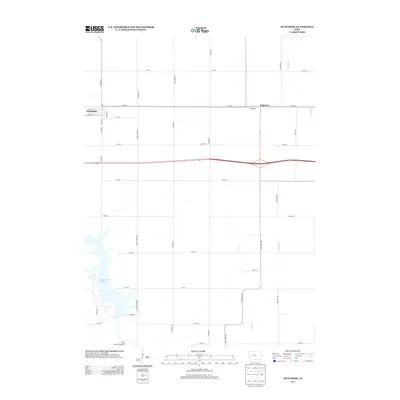 2013 Duncombe2013 Print · USGSNorth-central Iowa farmland meets outdoor recreation in the early twenty-first century near the town of Duncombe. Genealogists and local historians can trace the rural road network including Bach Grove Rd and the waters of Brushy Creek Lake.
 - 2013 Map of Evanston, 2013 Print
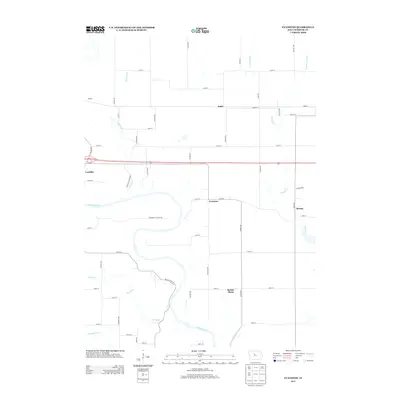 2013 Evanston2013 Print · USGSWebster County's river valleys and prairie uplands are shown here just over a decade ago, where industry and agriculture meet. You can trace the proximity of Coalville and Evanston to the Des Moines River or find the rural hubs of Judd and Border Plains.
 - 2015 Map of Duncombe, 2015 Print
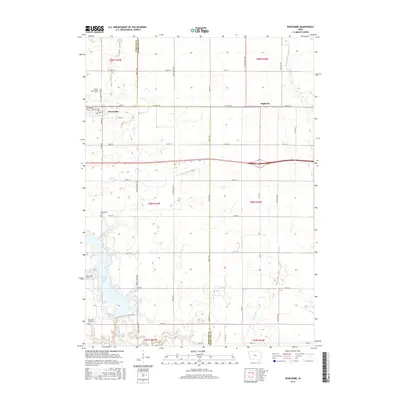 2015 Duncombe2015 Print · USGSThe rural border of Webster and Hamilton counties comes into focus in this mid-2010s study of the Iowa prairie. Local historians and genealogists can pinpoint ancestral sites like Saint Josephs Cemetery and Blanchard Cemetery or trace the early paths of Stagecoach Road.
 - 2015 Map of Evanston, 2015 Print
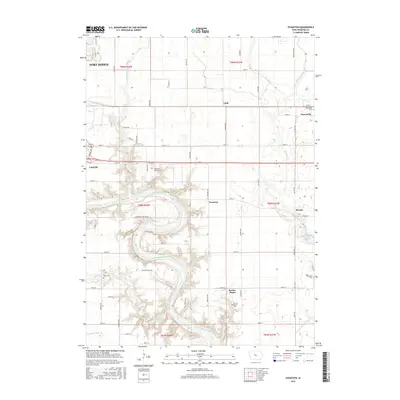 2015 Evanston2015 Print · USGSSouth of Fort Dodge during the mid-2010s, the Des Moines River valley creates a dramatic break in the Iowa prairie. Researchers can trace rural lineages through numerous local sites like Pleasant Valley Cem, Border Plains Cem, and the riverside community of Coalville.
 - 2018 Map of Duncombe, 2018 Print
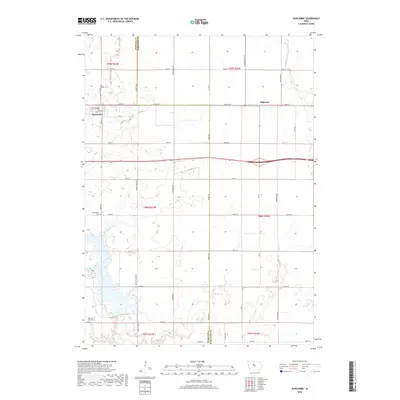 2018 Duncombe2018 Print · USGSThe crossroads of Webster and Hamilton counties are documented here in the late twenty-tens as the rural landscape continues its agricultural tradition. Genealogists can locate family sites near Saint Josephs Cem or trace the banks of Brushy Creek and Prairie Cr.
 - 2018 Map of Evanston, 2018 Print
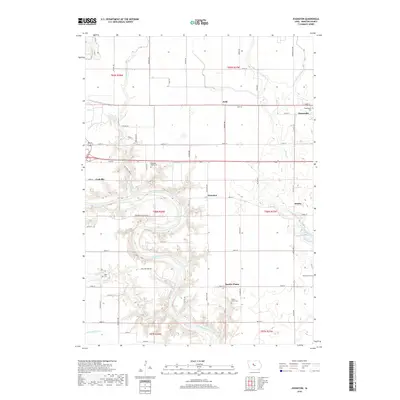 2018 Evanston2018 Print · USGSCentral Iowa’s river-bottom lands meet the prairie grid in the late 2010s. Genealogists and historians can trace pioneer roots through Border Plains Cem and Otho Cem or explore the riverfront settlements of Coalville and Evanston.
 - 2022 Map of Duncombe, 2022 Print
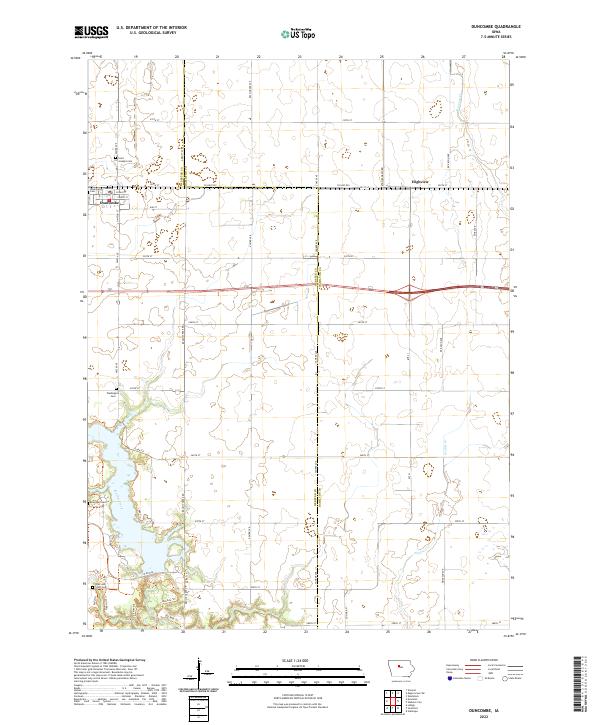 2022 Duncombe2022 Print · USGSThe farmlands of eastern Webster County are mapped here in the early twenty-first century, centered on the town of Duncombe. Genealogists and historians can locate several burial sites like Saint Josephs Cem and trace recreation paths such as Big Rock Trl near Brushy Creek.
 - 2022 Map of Evanston, 2022 Print
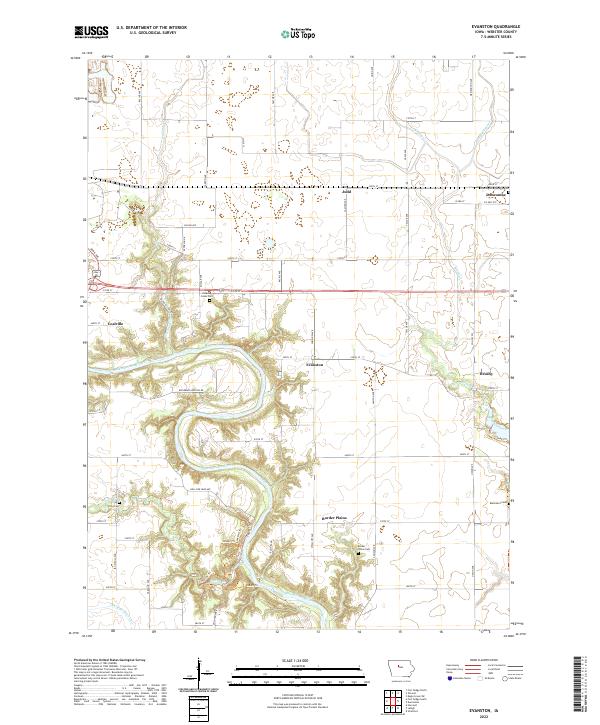 2022 Evanston2022 Print · USGSWebster County's river-carved landscape is documented here in the early twenty-first century, showing the enduring agricultural and rural patterns of central Iowa. Researchers can locate generational burial sites like Otho Cem and Blanchard Cem or trace the small settlements of Coalville and Evanston.
End of results
Showing maps 1-10 of 10
Top cities near Duncombe
- Fort Dodge historical maps
- Webster City historical maps
- Eagle Grove historical maps
- Dayton historical maps
- Stratford historical maps
- Coalville historical maps
See more
Frequently asked questions
- What are the different types of historical maps available for Duncombe?
- What is the oldest map of Duncombe?
- Where can I purchase historical maps of Duncombe for my home or office?
- Where can I download high-res historical maps of Duncombe?
- Are there historical topographic maps available for Duncombe?
- Is there historical aerial imagery available for Duncombe?
- Where are historical maps of Duncombe sourced from?