Old Maps of Radley, Kansas for Genealogy
Trace your family roots with 17 historic maps of Radley. These high-res maps reveal old neighborhoods, homesites, landmarks, and streets — helping you uncover where your ancestors lived and how the area evolved over time.
- Explore historic neighborhoods: Identify where your relatives may have lived in the 1800s or 1900s.
- Compare maps over time: Trace the changes in streets, buildings, and landmarks for multi-generational research.
- Perfect for genealogy & ancestry research: Used by family historians and researchers to map out lineage and migration.
These maps are an incredible resource for exploring your personal connection to Radley's past.
Radley, KS maps
(17)- 1886 Map of Joplin
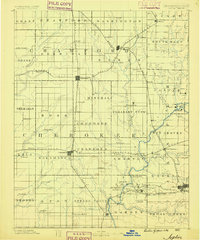 1886 Joplin1886 Print · USGSThe Missouri-Kansas borderlands were rapidly developing in the late nineteenth century as rail lines and river valleys shaped new settlements. Researchers can trace the early footprints of towns like Columbus and Pittsburg or locate vanished points like Georgia City and Litchfield.
 - 1894 Map of Joplin
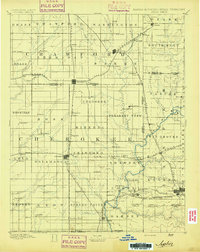 1894 Joplin1894 Print · USGSSoutheastern Kansas and southwestern Missouri met at a crossroads of industry and rail during the late nineteenth century. Genealogists can trace the early streets of Pittsburg and Joplin or find vanished rail stops like Stippville and Stilson.6 unique versions available
 - 1943 Map of Cherokee, 1972 Print
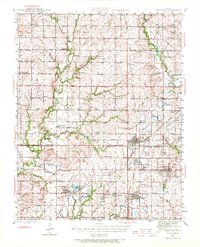 1943 Cherokee1972 Print · USGSSoutheast Kansas coal country is shown at peak industrial activity in the 1940s, where rail lines and surface excavations shaped the community. Researchers can trace family roots through numerous mining towns like Scammon and Weir, or locate rural landmarks like Cyclone Sch and Mt Olive Ch.
 - 1945 Map of Cherokee
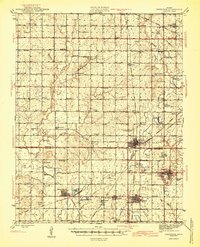 1945 Cherokee1945 Print · USGSSoutheast Kansas is shown at the peak of its coal-mining era, where industrial networks intersect with established farming townships. Researchers can trace the extensive Strip Mines and find vanished landmarks like the County Farm and the Immaculate Conception Ch.2 unique versions available
 - 1947 Map of Joplin, 1954 Print
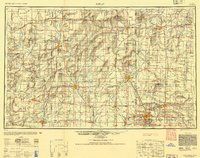 1947 Joplin1954 Print · USGSThe borderlands of Missouri, Kansas, and Oklahoma are shown here during the late 1940s, a period of heavy industrial and military activity. Researchers can trace the extensive Tri-State Mining District, the layout of Camp Crowder, and local landmarks like Mount Hope Cem.
 - 1949 Map of Joplin
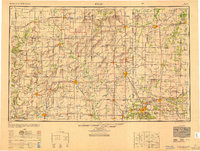 1949 Joplin1949 Print · USGSThe Kansas-Missouri borderlands thrive in the late 1940s, showing a robust network of railroad towns and river valleys. Researchers can trace historic rail lines like the Missouri Pacific RR and locate rural centers such as Chanute, Iola, and Fort Scott.
 - 1954 Map of Joplin, 1967 Print
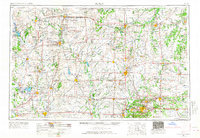 1954 Joplin1967 Print · USGSThe tri-state border region of Kansas, Missouri, and Oklahoma is captured here during a peak era of mid-century industrial and agricultural activity. Researchers can trace family history through dozens of rural cemeteries or locate landmarks like the Kansas Army Ammunition Plant and Pittsburg State University.3 unique versions available
 - 1958 Map of Joplin
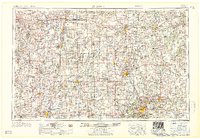 1958 Joplin1958 Print · USGSThe tri-state border region of Missouri, Kansas, and Oklahoma is shown during the late fifties, a time of heavy rail traffic and mining activity. Local historians can trace the industrial landscape through the Joplin & Pittsburg Ry or locate family sites like Zion Ch and Bender Mounds.
 - 1959 Map of Joplin
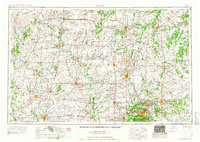 1959 Joplin1959 Print · USGSThe Tri-State region’s mining and rail-driven economy is on full display in the late fifties. Genealogists can locate Lead and Zinc Mines near Joplin, family markers at Oak Hill Cem, and military history at Camp Clark.
 - 1964 Map of Radley
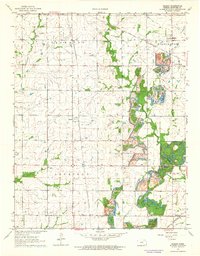 1964 Radley1964 Print · USGSCrawford County was a hub of industrial activity in the 1960s as coal extraction reshaped the prairie landscape. Genealogists and researchers can trace local roots at Beulah Cem, follow old rail lines like the Missouri Pacific Railroad, or locate the Childrens Home.2 unique versions available
 - 1986 Map of Joplin
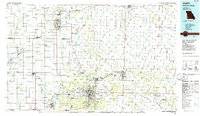 1986 Joplin1986 Print · USGSThe tri-state border region comes alive in the mid-eighties as an industrial and transit powerhouse where Kansas and Missouri meet. Researchers can trace the heavy rail influence of the Missouri Pacific RR and explore sites like the Mined Land State Wildlife Area.
 - 1991 Map of Joplin
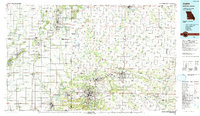 1991 Joplin1991 Print · USGSThe tri-state mining district and the Ozark foothills meet in the early 1990s as industrial land transitions into conservation areas. Genealogists and historians can trace the growth of Joplin and Baxter Springs or locate rural sites like Mount Hope Cem and Blue Mound.
 - 2010 Map of Radley, 2010 Print
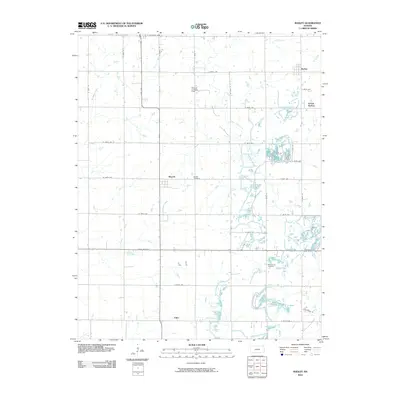 2010 Radley2010 Print · USGSCrawford County's agricultural grid and small rural settlements are documented here in the early twenty-first century. Genealogists and local historians can locate family sites near Beulah Cemetery, West Union Cemetery, and the community of Radley.
 - 2012 Map of Radley, 2012 Print
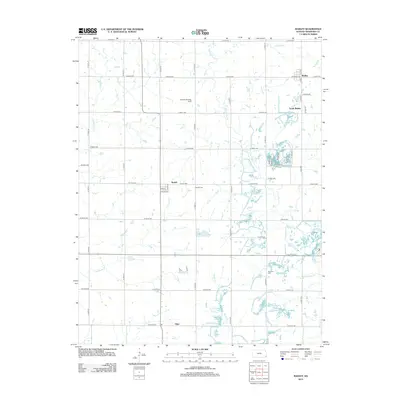 2012 Radley2012 Print · USGSCrawford County at the start of the 2010s reveals a landscape of grid-patterned farms and small agricultural hubs. Genealogists and local historians can trace the sites of Beulah, Radley, and the Beulah Cem while surveying the drainage of Second Cow Cr.
 - 2015 Map of Radley, 2015 Print
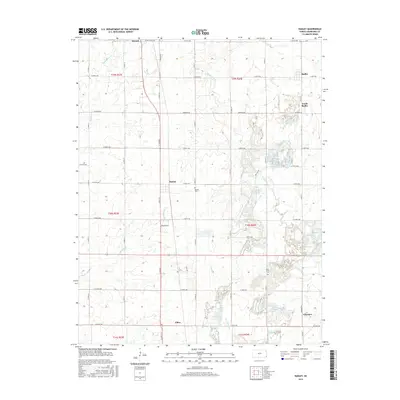 2015 Radley2015 Print · USGSCrawford County's rural and industrial landscape is preserved here as it appeared in the mid-2010s. Researchers can locate family roots at Beulah Cem or trace the geography of smaller settlements like Chicopee, Radley, and Filler.
 - 2018 Map of Radley, 2018 Print
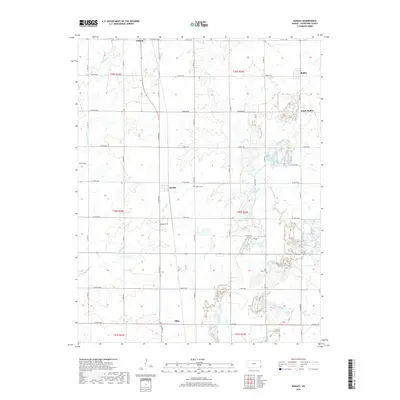 2018 Radley2018 Print · USGSCrawford County, Kansas, is documented here in the modern era, showing the rural landscape around the town of Girard. Researchers can trace old family sites and burial grounds like West Union Cem or explore the smaller communities of Radley and Beulah.
 - 2022 Map of Radley, 2022 Print
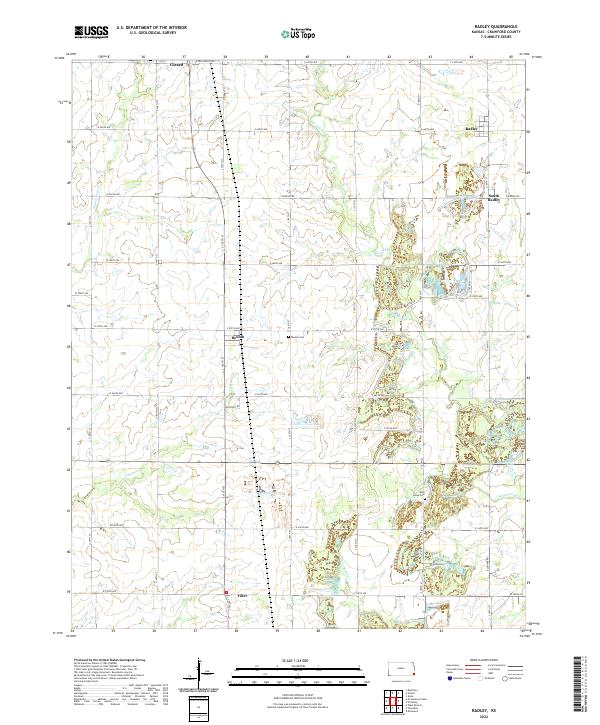 2022 Radley2022 Print · USGSCrawford County's rural landscape is mapped here in the early twenty-first century, showing the grid-based settlement of the Kansas plains. Genealogists and historians can locate family landmarks like Beulah Cem and West Union Cem or trace the paths of Second Cow Cr and Thunderbolt Cr.
End of results
Showing maps 1-17 of 17
Top cities near Radley
- Pittsburg historical maps
- Frontenac historical maps
- Girard historical maps
- Arma historical maps
- Weir historical maps
- Cherokee historical maps
See more
Frequently asked questions
- What are the different types of historical maps available for Radley?
- What is the oldest map of Radley?
- Where can I purchase historical maps of Radley for my home or office?
- Where can I download high-res historical maps of Radley?
- Are there historical topographic maps available for Radley?
- Is there historical aerial imagery available for Radley?
- Where are historical maps of Radley sourced from?