Old Maps of Lane County, Kansas
Explore 124 old maps of Lane County, spanning from 1955 to today. These high-resolution historic maps reveal how streets, neighborhoods, landmarks, and natural features evolved over time — perfect for genealogy, metal detecting, research, and local history exploration.
What you can do with these maps:
- See how Lane County changed over time: Compare historical maps to modern-day views to trace roads, homesites, rail lines & more.
- View detailed metadata: Each map includes creators, publishers, year, scale, and archive source.
- Overlay maps with satellite & LiDAR: Visualize the past alongside modern tools to explore terrain & human change.
- Trusted historical sources: Maps sourced from the USGS, Library of Congress, and other archives.
- Access maps your way: View online, download high-res files, or order prints for personal or research use.
Start exploring old maps of Lane County to uncover forgotten places, hidden landmarks, and the deep history beneath your feet.
Lane County, KS maps
(124)- 1955 Map of Scott City, 1969 Print
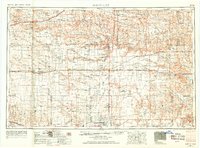 1955 Scott City1969 Print · USGSWestern Kansas in the mid-fifties is captured here as a landscape of rural schoolhouses and significant rail corridors. Family historians can trace the locations of Skyline and Beaver Creek Schools or follow the Union Pacific line through Oakley and Sharon Springs.4 unique versions available
 - 1958 Map of Scott City
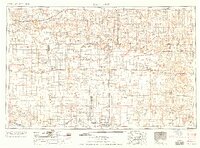 1958 Scott City1958 Print · USGSWestern Kansas at the peak of the post-war era reveals a landscape of high-plains agriculture and vital rail junctions. Genealogists and historians can trace old country school sites like Prairie Bell School, the landmark Chalk Pyramids, and small stops along the Union Pacific and Missouri Pacific.
 - 1965 Map of Beeler, 1967 Print
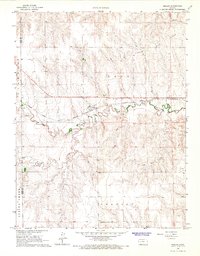 1965 Beeler1967 Print · USGSNess County and the western Kansas plains are captured in the mid-1960s as the rail and road network supported local industry and small-town life. Trace the path of the Atchison Topeka and Santa Fe through Beeler, find the Beeler Cem, and locate early resource sites like the Silica Pit.
 - 1965 Map of Utica SW, 1967 Print
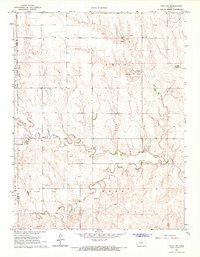 1965 Utica SW1967 Print · USGSNess County was a landscape of expanding petroleum interests and prairie drainage during the mid-sixties. Researchers can trace the development of the Arnold Oil Field and Dumler Oil Field alongside the winding course of Walnut Creek.
 - 1974 Map of Cheyenne Creek, 1976 Print
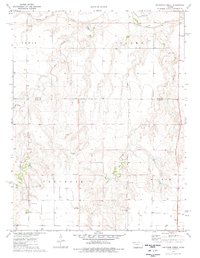 1974 Cheyenne Creek1976 Print · USGSWestern Kansas at the mid-seventies reveals a landscape shaped by historic transit and modern extraction along the Gove and Lane County line. Trace the path of the Butterfield Overland Trail near the Smoky Hill River or locate industrial sites like the Caliche Pits.
 - 1974 Map of Dighton SW, 1976 Print
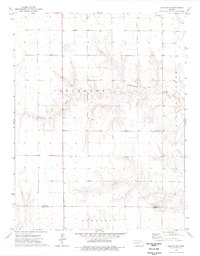 1974 Dighton SW1976 Print · USGSWestern Kansas townships in Lane and Finney Counties are documented here during the mid-seventies, showing the rural landscape before modern agricultural shifts. Researchers can locate the small Cem, a historic Ford, and the winding paths of Hackberry Creek and Spring Creek.
 - 1974 Map of Amy SE, 1976 Print
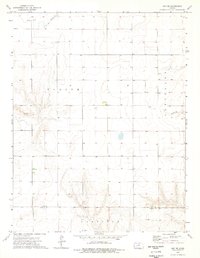 1974 Amy SE1976 Print · USGSThe high plains of Lane and Finney counties are captured in the mid-1970s, showcasing a landscape of section-line roads and ephemeral creek beds. Genealogists and local historians can locate the Sutton Cem, the local Townhall, and excavation sites like the Caliche Pits.
 - 1974 Map of Dighton, 1976 Print
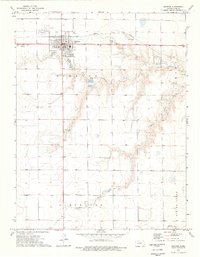 1974 Dighton1976 Print · USGSDighton and the surrounding Lane County plains are captured in the mid-1970s, showing the town's expansion and infrastructure. Researchers can locate the Dighton Cem, trace the Atchison Topeka and Santa Fe rail line, or find the local Drive-in Theater.
 - 1974 Map of Amy SW, 1976 Print
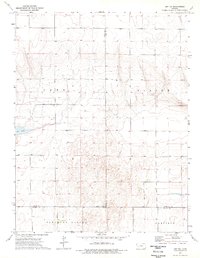 1974 Amy SW1976 Print · USGSWestern Kansas at the start of the seventies reveals a landscape of high-plains agriculture and mineral extraction across the borders of three counties. Genealogists and historians can trace the rural layout of Pleasant Valley or locate local landmarks like Dry Lake and the Caliche Pits.
 - 1974 Map of Alamota, 1976 Print
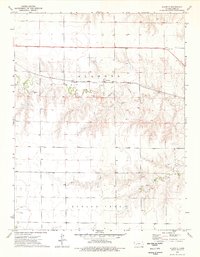 1974 Alamota1976 Print · USGSLane County's high plains agricultural landscape is captured in the mid-1970s, centered on the railroad siding of Alamota. Researchers can trace the Atchison Topeka and Santa Fe line and locate local landmarks like the Cem and Darr Creek.
 - 1974 Map of Healy NW, 1976 Print
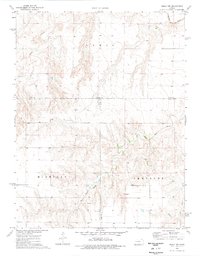 1974 Healy NW1976 Print · USGSThe Smoky Hill River valley and the western Kansas high plains are documented here in the mid-1970s. Researchers can trace the drainage networks of Hell Creek and West Salt Creek or locate local mineral resources like the Caliche Pits.
 - 1974 Map of Beeler SW, 1976 Print
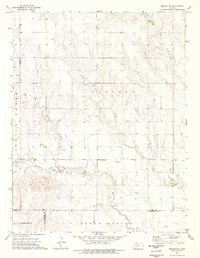 1974 Beeler SW1976 Print · USGSNess County and the surrounding High Plains are captured here in the mid-1970s at the meeting point of four different counties. Researchers can locate the Buda Cem and Buda Community Hall or trace drainages like Plum Creek and Hackberry Creek.
 - 1974 Map of Dighton SE, 1976 Print
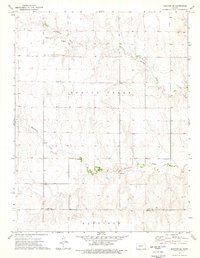 1974 Dighton SE1976 Print · USGSLane and Finney counties meet in this mid-1970s survey of the Kansas High Plains, where the terrain is dominated by winding creek beds and open rangeland. Researchers can locate specific local landmarks like Thomas Cem and various Caliche Pits scattered along Spring Creek.
 - 1974 Map of Grigston, 1976 Print
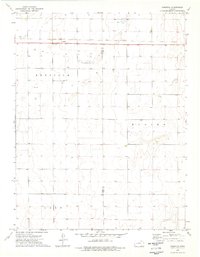 1974 Grigston1976 Print · USGSWestern Kansas agricultural and industrial life is captured here in the mid-1970s, as the High Plains landscape supported both cattle and energy. Researchers can trace the Atchison Topeka and Santa Fe rail line through Grigston or locate specific Oil Wells and a large Feedlot.
 - 1974 Map of Amy, 1976 Print
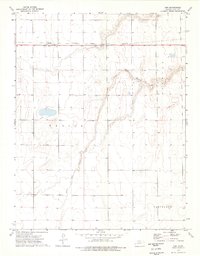 1974 Amy1976 Print · USGSLane County’s High Plains landscape is captured here in the mid-1970s as the Atchison Topeka and Santa Fe railroad still serves the plains. Genealogists and researchers can trace the small settlement of Amy and the winding South Fork Walnut Creek.
 - 1974 Map of Shields NW, 1977 Print
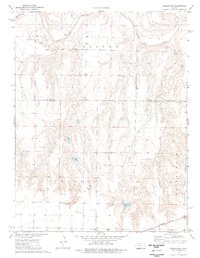 1974 Shields NW1977 Print · USGSLane County and the High Plains come alive in the mid-1970s, showing a landscape defined by prairie industry and the Smoky Hill River. Researchers can locate the Shields Cem, follow the Missouri Pacific railroad line, and trace resource extraction at Caliche Pits or local Sandpits.
 - 1974 Map of Pendennis, 1977 Print
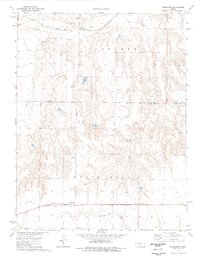 1974 Pendennis1977 Print · USGSLane County and Gove County during the mid-seventies reveal a landscape of river valleys and active oil fields. Genealogists and historians can trace the small rail settlement of Pendennis and the White Rock Cem along the Missouri Pacific line.
 - 1974 Map of Manning, 1977 Print
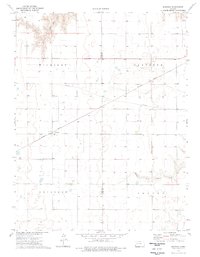 1974 Manning1977 Print · USGSMid-century western Kansas unfolds here during the 1970s, showcasing the high plains agriculture of the Scott and Lane County line. Researchers can trace the railroad legacy of Manning along the Missouri Pacific or locate early industrial sites like the Caliche Pits.
 - 1974 Map of Healy, 1977 Print
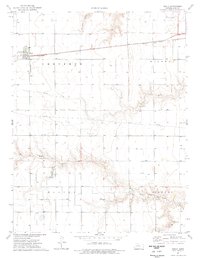 1974 Healy1977 Print · USGSHealy and the surrounding Kansas plains are captured in the mid-1970s, showcasing the agricultural and industrial layout of Lane County. Researchers can trace the Missouri Pacific rail line through town or locate local landmarks like Healy Cem, Gill Airport, and numerous Caliche Pits.
 - 1974 Map of Shields SE, 1977 Print
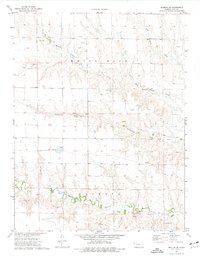 1974 Shields SE1977 Print · USGSLane County, Kansas, in the mid-1970s shows a high-plains landscape defined by its essential watercourses and emerging energy industry. Researchers can trace the development of local resources through labeled Oil Wells, the Oil Field, and various Caliche Pits along the Middle Fork Walnut Creek.
 - 1974 Map of Shields, 1977 Print
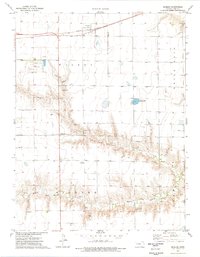 1974 Shields1977 Print · USGSShields and the surrounding Lane County plains are captured here in the mid-seventies during a period of steady agricultural and rail activity. Genealogists and historians can trace the Missouri Pacific rail corridor, the Lane County State Lake, and the remote Dighton City Wells.
 - 1981 Map of Utica
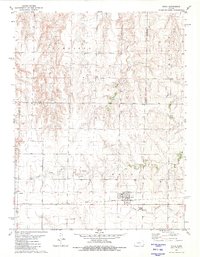 1981 Utica1981 Print · USGSThe Ness County town of Utica appears here in the early 1980s as a vital railroad stop and hub for regional energy production. Genealogists and historians can trace local family landmarks like the Utica Cem and the Missouri Pacific rail line.
 - 1985 Map of Healy
 1985 Healy1985 Print · USGSWestern Kansas in the mid-1980s shows a landscape where pioneer history and the railroad era overlap. Genealogists and historians can trace the Butterfield Overland Trail near Castle Rock or locate rural family outposts near Gove City and Arnold.2 unique versions available
 - 1985 Map of Scott City
 1985 Scott City1985 Print · USGSWestern Kansas in the mid-eighties shows a landscape of rail-linked grain towns and emerging energy fields. Genealogists and researchers can trace the Atchison Topeka and Santa Fe line through Alamota and Beeler, or locate family sites near White Woman Bottoms and Walnut Creek.2 unique versions available
 - 2009 Map of Manning, 2009 Print
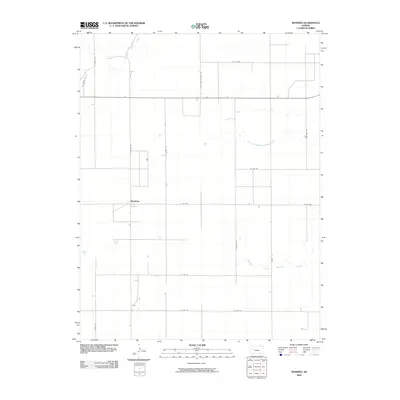 2009 Manning2009 Print · USGSThe High Plains of Scott County are captured here in the late 2000s, centered on the settlement of Manning. You can trace rural family-named roads and the winding paths of the Middle Fork Walnut Creek and West Salt Creek.
Showing maps 1-25 of 124
Top cities of Lane County
Frequently asked questions
- What are the different types of historical maps available for Lane County?
- What is the oldest map of Lane County?
- Where can I purchase historical maps of Lane County for my home or office?
- Where can I download high-res historical maps of Lane County?
- Are there historical topographic maps available for Lane County?
- Is there historical aerial imagery available for Lane County?
- Where are historical maps of Lane County sourced from?