Old Maps of Elizabethtown, Kentucky
Explore 43 old maps of Elizabethtown, spanning from 1935 to today. These high-resolution historic maps reveal how streets, neighborhoods, landmarks, and natural features evolved over time — perfect for genealogy, metal detecting, research, and local history exploration.
What you can do with these maps:
- See how Elizabethtown changed over time: Compare historical maps to modern-day views to trace roads, homesites, rail lines & more.
- View detailed metadata: Each map includes creators, publishers, year, scale, and archive source.
- Overlay maps with satellite & LiDAR: Visualize the past alongside modern tools to explore terrain & human change.
- Trusted historical sources: Maps sourced from the USGS, Library of Congress, and other archives.
- Access maps your way: View online, download high-res files, or order prints for personal or research use.
Start exploring old maps of Elizabethtown to uncover forgotten places, hidden landmarks, and the deep history beneath your feet.
Elizabethtown, KY maps
(43)- 1935 Map of Elizabethtown
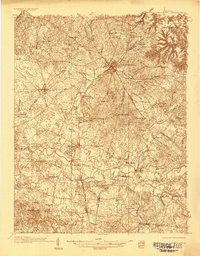 1935 Elizabethtown1935 Print · USGSElizabethtown and the surrounding Hardin County rural landscape are captured here in the mid-1930s. Researchers can trace family roots through a dense network of country schools and churches like Glendale Sch, St Ignatius Ch, and Bland Cem.
 - 1936 Map of Vine Grove
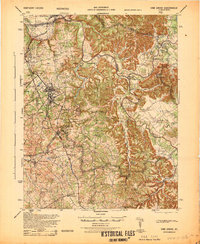 1936 Vine Grove1936 Print · USGSHardin and Bullitt counties are shown here during a period of massive military expansion before the mid-century. Researchers can trace the development of Fort Knox alongside established communities like Vine Grove and old rural landmarks like Stovall Chapel or the Glenbeddis Sch.
 - 1938 Map of Elizabethtown
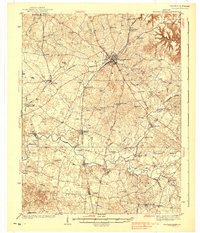 1938 Elizabethtown1938 Print · USGSHardin and Larue counties are shown here in the 1930s, captured at the height of the steam-rail era. Genealogists can trace family names through dozens of rural landmarks, from Mather Mill and Star Mills to St Ignatius Ch and the Childrens Home.3 unique versions available
 - 1943 Map of Vine Grove
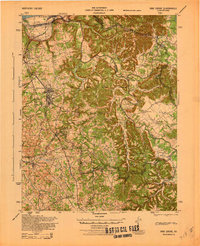 1943 Vine Grove1943 Print · USGSHardin and Meade Counties appear here during a period of massive mid-century growth at Fort Knox. Genealogists can trace family homesteads near landmarks like Stovall Chapel, Red Hill, and the many rural schools including Hays Sch and Deckard Sch.
 - 1946 Map of Colesburg
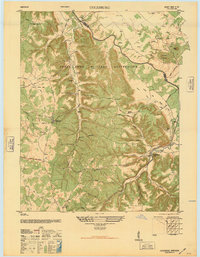 1946 Colesburg1946 Print · USGSHardin and Bullitt Counties are shown at a transitional post-war moment when military activity and rural Kentucky life intersected. Researchers can locate the Fort Knox Military Reservation alongside older landmarks like Zion School and Mather Cem.
 - 1946 Map of Vine Grove
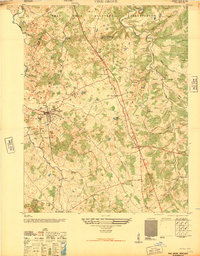 1946 Vine Grove1946 Print · USGSHardin County settlements and the southern edge of Fort Knox are frozen in time just after the war. Researchers can locate family landmarks such as Lincoln Memorial Cem, the Illinois Central rail line, and the village of Vine Grove.
 - 1946 Map of Vine Grove, 1959 Print
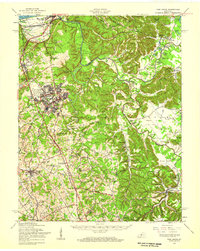 1946 Vine Grove1959 Print · USGSMid-century Hardin County is defined by the massive expansion of the Fort Knox Military Reservation and its surrounding rail-and-highway hubs. Researchers can trace dozens of family cemeteries and vanished landmarks like the Woolridge Ferry Bridge, Sherrard Sch, and the community of Pitts Point.
 - 1948 Map of Cecilia, 1953 Print
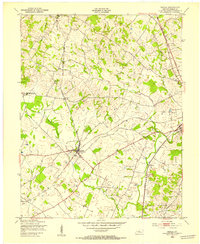 1948 Cecilia1953 Print · USGSRailroad activity dominates central Hardin County just after the war, as two major lines intersect at the junction in Cecilia. Local historians can trace established community hubs like Rineyville, find the St Johns Ch, and locate the Bethlehem Academy campus.
 - 1949 Map of Elizabethtown, 1952 Print
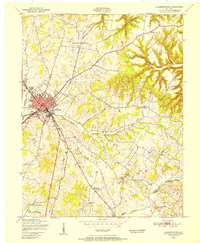 1949 Elizabethtown1952 Print · USGSPost-war Hardin County is centered on the railroad junction at Elizabethtown as the regional economy transitioned into the late 1940s. Genealogists can locate family landmarks like Helm Cem, Chestnut Grove Sch, and Locust Grove Ch.
 - 1949 Map of Elizabethtown, 1959 Print
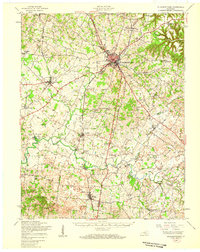 1949 Elizabethtown1959 Print · USGSHardin and LaRue Counties are captured here in the late Forties, showing a landscape defined by the intersection of major rail lines and rural community life. Genealogists can locate numerous country schools and churches, including Bethlehem Academy, St Johns Ch, and Glendale Sch.
 - 1957 Map of Winchester, 1968 Print
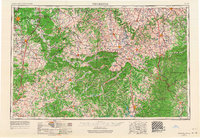 1957 Winchester1968 Print · USGSCentral Kentucky's landscape in the mid-twentieth century features the sprawling Fort Knox and the early parkway system. Genealogists and historians can trace rail lines like the Southern Railway and find landmarks from Bernheim Forest to Pilot Knob.3 unique versions available
 - 1960 Map of Winchester
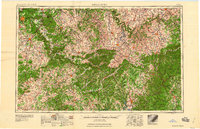 1960 Winchester1960 Print · USGSCentral Kentucky's diverse landscape is shown here at mid-century, from the bluegrass plains to the rugged Pottsville Escarpment. Genealogists and historians can trace the rail-and-river network connecting towns like Bardstown and Stanford alongside landmarks like Lake Cumberland.
 - 1960 Map of Vine Grove, 1961 Print
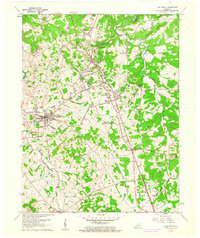 1960 Vine Grove1961 Print · USGSHardin County during the early sixties shows the interface between military growth and rural Kentucky life. Trace family roots at St Brigids Cem or follow the Illinois Central tracks through Vine Grove and Radcliff.5 unique versions available
 - 1960 Map of Cecilia, 1961 Print
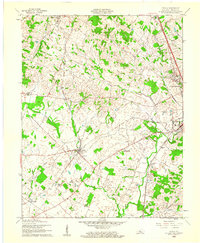 1960 Cecilia1961 Print · USGSHardin County during the early sixties shows a landscape shaped by the intersection of major rail lines and growing suburban footprints. Genealogists can locate family landmarks such as Bethlehem Academy, St Johns Ch, and the rural community of Kraft.
 - 1960 Map of Colesburg, 1961 Print
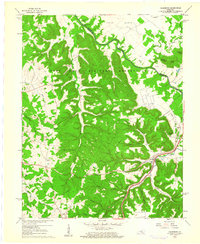 1960 Colesburg1961 Print · USGSHardin and Bullitt counties are shown during the early 1960s as military and civilian landscapes converged along the Rolling Fork. Researchers can trace the path of the Louisville and Nashville Turnpike or locate family burial sites such as Sycamore Cem and Bowling Cem.3 unique versions available
 - 1960 Map of Elizabethtown, 1962 Print
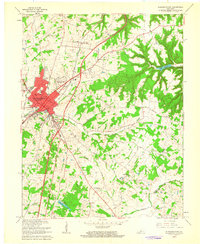 1960 Elizabethtown1962 Print · USGSElizabethtown and the surrounding Hardin County countryside are captured here in the early sixties as the toll road era begins. Researchers can trace family roots at Helm Cem and Browns Cem or locate old schoolhouses like Lincoln Trail Sch.2 unique versions available
 - 1967 Map of Elizabethtown, 1968 Print
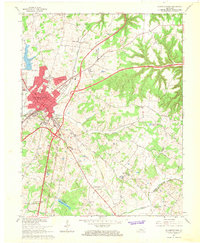 1967 Elizabethtown1968 Print · USGSElizabethtown at the end of the sixties shows a landscape transformed by the new convergence of the Blue Grass Parkway and the Kentucky Toll Road. Genealogists can trace local roots at Helm Cem, Round Top Ch, and the old Tunnel Hill settlement.4 unique versions available
 - 1967 Map of Cecilia, 1968 Print
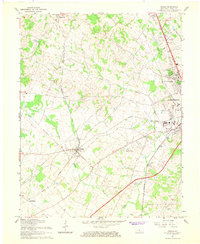 1967 Cecilia1968 Print · USGSCecilia and western Elizabethtown are shown in the late sixties as the intersection of rail commerce and new highway infrastructure. Genealogists can trace family landmarks like St Johns Cem, the community at Rineyville, and the St Ambrose Ch.4 unique versions available
 - 1981 Map of Elizabethtown, 1983 Print
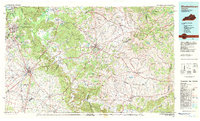 1981 Elizabethtown1983 Print · USGSCentral Kentucky in the early eighties shows a landscape of military installations, state parks, and historic sites. Genealogists and historians can trace rail lines like the Louisville and Nashville or locate sites like Lebanon National Cemetery and the Lincoln Memorial National Historic Site.
 - 1991 Map of Elizabethtown
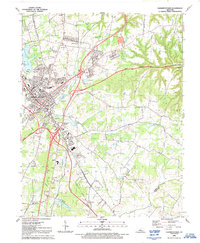 1991 Elizabethtown1991 Print · USGSElizabethtown serves as a bustling Kentucky crossroads in the early nineties, where several major parkways meet. Trace local genealogy and development through landmarks like Lincoln Trail Sch, Severns Valley Ch, and the Old Railroad Grade.
 - 1991 Map of Colesburg, 1992 Print
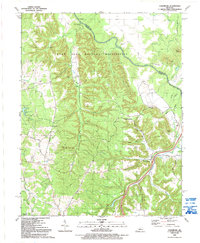 1991 Colesburg1992 Print · USGSThe Fort Knox Military Reservation and the winding Rolling Fork define this area of Kentucky in the early nineties. Genealogists can trace numerous family burial sites including French Cem, Howlett Cem, and McMillen Cem near the settlement of Colesburg.
 - 1991 Map of Vine Grove, 1992 Print
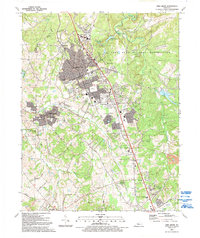 1991 Vine Grove1992 Print · USGSRadcliff and Vine Grove appear at a moment of significant residential growth in the early nineties, bordered by the federal lands of Fort Knox. Researchers can trace family roots at Stovall Ch, Stanton Cem, and old settlements like Rogersville.
 - 1992 Map of Cecilia, 1993 Print
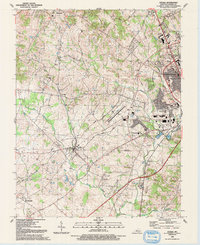 1992 Cecilia1993 Print · USGSHardin County at the start of the nineties shows the rural communities of Cecilia and Rineyville as suburban growth reaches west. Trace the Illinois Central Gulf rail line and family sites at St Johns Ch or Gaithers.
 - 2010 Map of Elizabethtown, 2010 Print
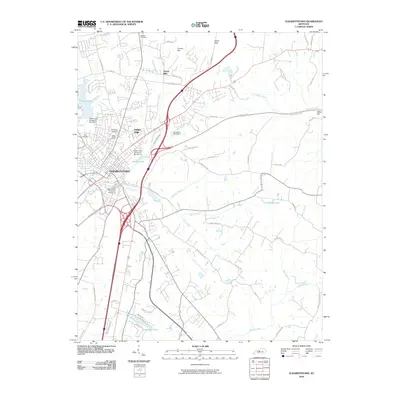 2010 Elizabethtown2010 Print · USGSElizabethtown at the start of the millennium serves as a major Kentucky crossroads where the parkways meet. Researchers can trace local history through family burial sites like Browns Cemetery and Holy Cemetery or explore established neighborhoods such as Indian Hills.
 - 2010 Map of Vine Grove, 2010 Print
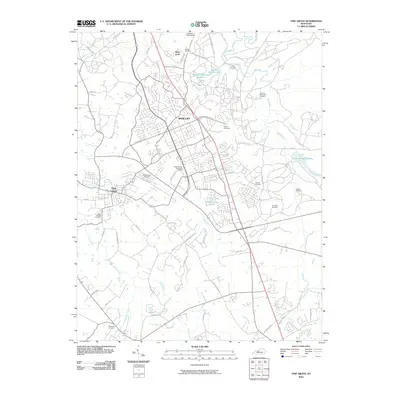 2010 Vine Grove2010 Print · USGSThe growing communities of Hardin County are captured here just after the turn of the millennium, showing the residential expansion around Radcliff. Local historians can trace old family burial grounds like Owens and Stithon or locate landmarks such as the Vine Grove Airport.
Showing maps 1-25 of 43
Top cities near Elizabethtown
- Radcliff historical maps
- Vine Grove historical maps
- Rineyville historical maps
- Hodgenville historical maps
- Lebanon Junction historical maps
- Sonora historical maps
Top neighborhoods of Elizabethtown
Frequently asked questions
- What are the different types of historical maps available for Elizabethtown?
- What is the oldest map of Elizabethtown?
- Where can I purchase historical maps of Elizabethtown for my home or office?
- Where can I download high-res historical maps of Elizabethtown?
- Are there historical topographic maps available for Elizabethtown?
- Is there historical aerial imagery available for Elizabethtown?
- Where are historical maps of Elizabethtown sourced from?