Old Maps of Barbourville, Kentucky for Hiking & Exploration
Hike through history with 36 historic maps of Barbourville. Explore old trails, ghost towns, and forgotten backroads — perfect for outdoor adventurers and local explorers.
- Rediscover forgotten places: Map out old mining camps, roads, and footpaths that no longer exist on modern maps.
- Layer with modern tools: Combine with LiDAR or satellite views to plan hikes through historical terrain.
- Made for exploration: Popular among hikers, overlanders, and local history lovers.
Use these maps to find adventure and explore the hidden past of Barbourville.
Barbourville, KY maps
(36)- 1886 Map of Cumberland Gap
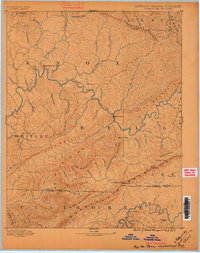 1886 Cumberland Gap1886 Print · USGSThe tri-state border region around the Cumberland Gap appears here in the 1880s, before modern development transformed these mountain passes. Genealogists and historians can trace early river crossings and settlements like Flat Lick, Tye Ferry, and Campbell Ford.
 - 1888 Map of Cumberland Gap
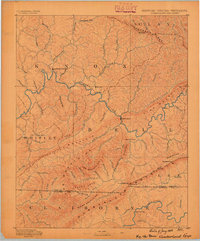 1888 Cumberland Gap1888 Print · USGSThe tri-state wilderness of the Appalachians is captured in the late 1880s, centered on the strategic crossing at the Cumberland Gap. Trace the early river-and-road economy through features like Tye's Ferry, McHenry Ford, and the old town sites of Barboursville and Pineville.
 - 1891 Map of Cumberland Gap
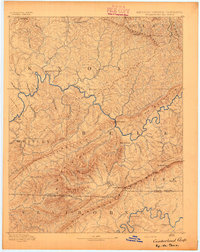 1891 Cumberland Gap1891 Print · USGSThe tri-state mountain corridor appears here in the late nineteenth century, showing the critical gateways through the Cumberland Mountains. Researchers can trace early river crossings like Mshenry Ford and historic settlements such as Barboursville and Pineville.7 unique versions available
 - 1952 Map of Barbourville, 1953 Print
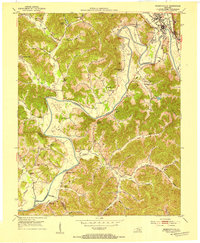 1952 Barbourville1953 Print · USGSBarbourville and the Cumberland River valley are captured in the early fifties during a period of rural transition. Genealogists can trace family lines through dozen of hillslope cemeteries and schools like Ketchen Sch, Dishman Sch, and Union College.2 unique versions available
 - 1952 Map of Heidrick, 1953 Print
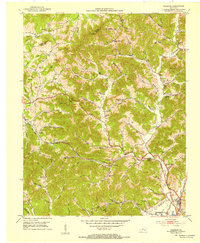 1952 Heidrick1953 Print · USGSKnox County was a hub of coal mining and rail transport in the early fifties, with ridges carved by new industry. Researchers can trace family homesteads near Jarvis Store, find small community centers like Baileys Switch, or locate old burial sites such as Dozier Cem.2 unique versions available
 - 1952 Map of Fount, 1953 Print
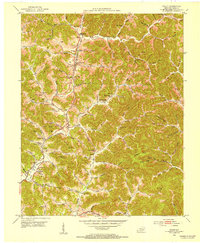 1952 Fount1953 Print · USGSKnox County in the early fifties is captured here as a landscape of tight-knit hollows and ridge-top settlements. Researchers can trace family history through dozens of localized sites like Dripping Spring Ch, the Louisville and Nashville line, and family cemeteries like Pittman Cem.
 - 1952 Map of Artemus, 1954 Print
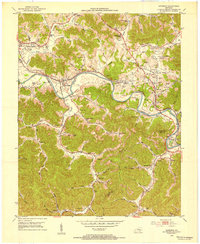 1952 Artemus1954 Print · USGSKnox County's river-and-rail corridor is captured here in the early fifties, showing the interplay between small-town life and the energy industry. Researchers can trace family roots at Binghamtown Cem or locate vanished landmarks like the Turkey Creek Mission and Boone Heights.2 unique versions available
 - 1955 Map of Johnson City
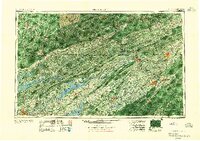 1955 Johnson City1955 Print · USGSEast Tennessee and the bordering highlands of Virginia and Kentucky appear here during the post-war industrial boom. You can trace the complex network of mountain ridges and new TVA lakes, from Johnson City to the coalfields near Middlesboro and Lynch.
 - 1957 Map of Johnson City, 1966 Print
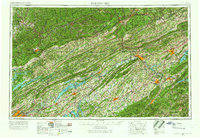 1957 Johnson City1966 Print · USGSUpper East Tennessee and Southwest Virginia are shown here during the mid-sixties transition of the Appalachians. Researchers can trace the industrial rail hubs of Kingsport, the sprawling waters of Cherokee Lake, and the historic Cumberland Gap.
 - 1960 Map of Johnson City
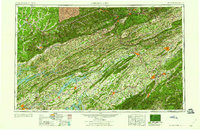 1960 Johnson City1960 Print · USGSUpper East Tennessee and the surrounding tri-state area are shown in the mid-fifties during the height of the TVA reservoir era. Trace the industrial rail lines of the Southern and Louisville and Nashville between Kingsport and Johnson City.
 - 1963 Map of Johnson City
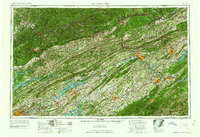 1963 Johnson City1963 Print · USGSThe Tri-Cities and the surrounding Appalachian ridges are shown in detail during the early sixties, highlighting the era's vital rail and river networks. Genealogists and historians can trace the routes of the Clinchfield RR and locate settlements from Rogersville to Elizabethton.
 - 1974 Map of Heidrick, 1975 Print
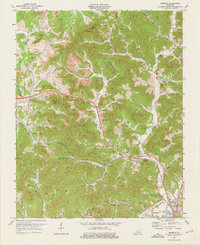 1974 Heidrick1975 Print · USGSKnox County's coal and rail landscape is captured here in the 1970s, as the industrial rhythm of the Cumberland Plateau shaped local life. Researchers can trace the L & N tracks to sites like Baileys Switch, Rossland, and the Gilliam Knob Lookout Tower.2 unique versions available
 - 1974 Map of Barbourville, 1975 Print
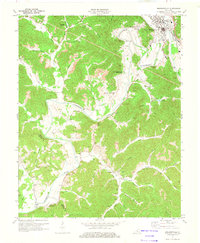 1974 Barbourville1975 Print · USGSKnox County in the mid-1970s shows the growth of Barbourville alongside the intensive extraction economy of the Kentucky hills. Genealogists can locate family landmarks like Bryants Store and the Kerchen Cem or trace the Louisville and Nashville RR river route.
 - 1974 Map of Fount, 1975 Print
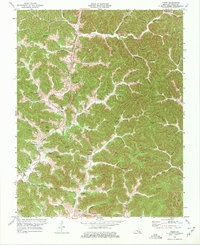 1974 Fount1975 Print · USGSKnox County's coal and timber country is captured here in the mid-seventies as industry and mountain tradition meet. Genealogists can trace family landmarks like Hammons Cem and Mills Cem or locate old settlements at Girdler and Bimble.
 - 1974 Map of Artemus, 1976 Print
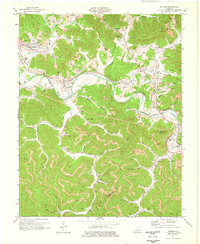 1974 Artemus1976 Print · USGSKnox and Bell counties are captured during the mid-1970s, a period of intensive coal mining and settled mountain life. Researchers can find numerous family cemeteries like Rice Cem, the Mines Orphanage, and industrial sites from Tinsley to Old Flat Lick.
 - 1977 Map of Middlesboro, 1983 Print
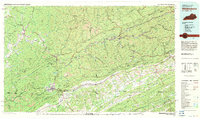 1977 Middlesboro1983 Print · USGSThe tri-state border region of Kentucky, Tennessee, and Virginia is shown here in the late seventies as the rail-and-river economy hummed through the gaps. Trace local family roots and transit routes through Middlesboro, Harlan, and Cumberland Gap National Historical Park.
 - 2010 Map of Fount, 2010 Print
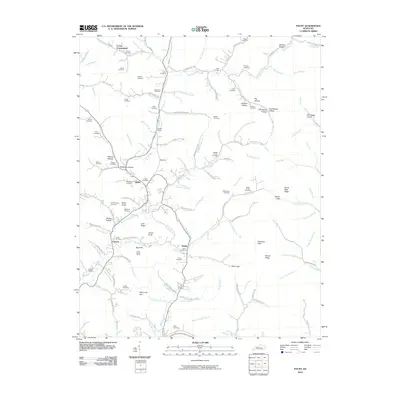 2010 Fount2010 Print · USGSKnox County, Kentucky, is shown here in the early twenty-first century as a landscape of interconnected hollows and family-named ridges. Genealogists can locate numerous burial sites such as Castle Cemetery and Asher Cemetery near settlements like Girdler and Cannon.
 - 2010 Map of Heidrick, 2010 Print
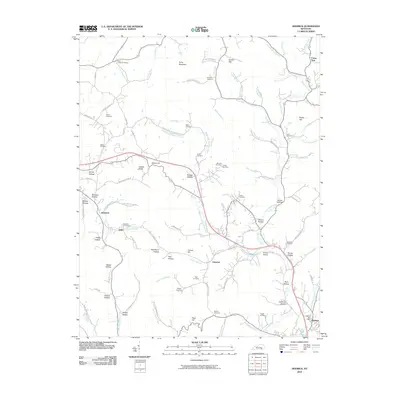 2010 Heidrick2010 Print · USGSKnox County's creek-valley communities are captured here in the early twenty-first century as they were connected by winding hollow roads. Genealogists can trace family landmarks and burial sites like Scott Chapel Cemetery or explore settlements such as Arkle and Baileys Switch.
 - 2010 Map of Barbourville, 2010 Print
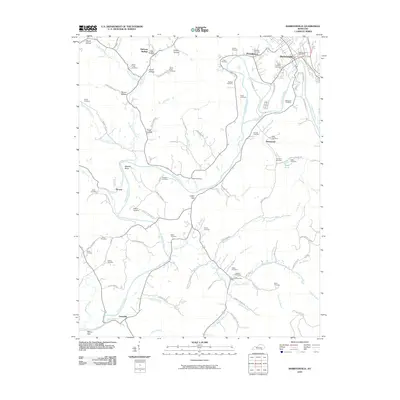 2010 Barbourville2010 Print · USGSBarbourville and the surrounding Kentucky hills are captured here as they appeared in 2010. Genealogists can locate dozens of family burial grounds such as Adam and Eve Cemetery and Glasscock Cemetery or trace the rural post office at Bryants Store Post Office.
 - 2010 Map of Artemus, 2010 Print
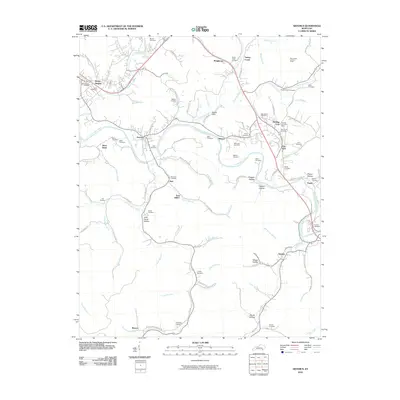 2010 Artemus2010 Print · USGSThe Cumberland River valley near Barbourville comes to life in this detailed 2010 study. Genealogists and researchers can trace dozens of family sites like the Swanson Cemetery, the Old Flat Lick Post Office, and the historic settlements of Artemus and Himyar.
 - 2013 Map of Heidrick, 2013 Print
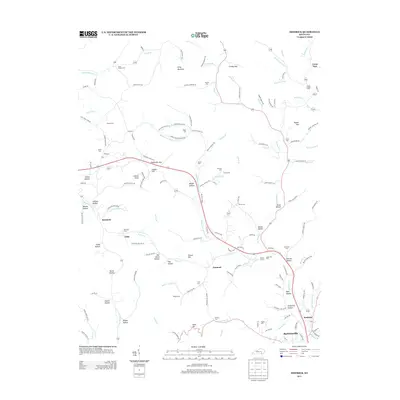 2013 Heidrick2013 Print · USGSKnox County, Kentucky, is shown here in the early twenty-first century, revealing a landscape of winding hollows and family homesteads. Genealogists can trace local history through numerous burial sites like Scott Chapel Cemetery, Helton Cemetery, and the railroad-era location of Baileys Switch.
 - 2013 Map of Fount, 2013 Print
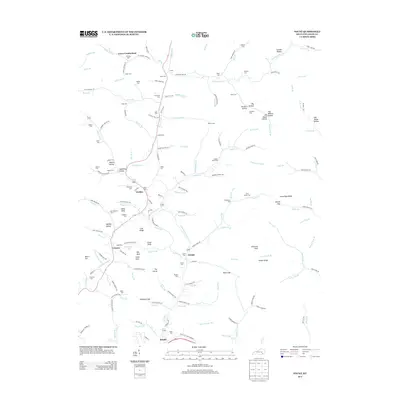 2013 Fount2013 Print · USGSIn the hills of Knox County during the early twenty-first century, small communities like Girdler and Fount remain centered around the winding Collins Fork. Genealogists can locate numerous family burial grounds including Hignite Cem, Bingham Cem, and Pittman Cem.
 - 2013 Map of Artemus, 2013 Print
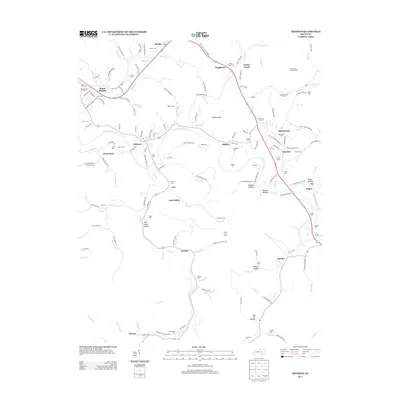 2013 Artemus2013 Print · USGSKnox County's river valleys and coal-country settlements are documented here in the early 2000s as local life follows the winding Cumberland River. Researchers can locate family landmarks like Powers Coal Camp and rural cemeteries near Himyar, Trosper, and Artemus.
 - 2013 Map of Barbourville, 2013 Print
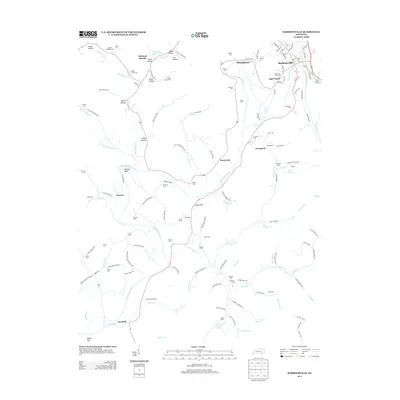 2013 Barbourville2013 Print · USGSKnox County, Kentucky, is shown in 2013 as a landscape of river bends and deeply rooted family settlements. Researchers can trace local lineage through dozens of named sites like the Adam and Eve Cem, Swanpond, and the streets of Barbourville.
 - 2016 Map of Fount, 2016 Print
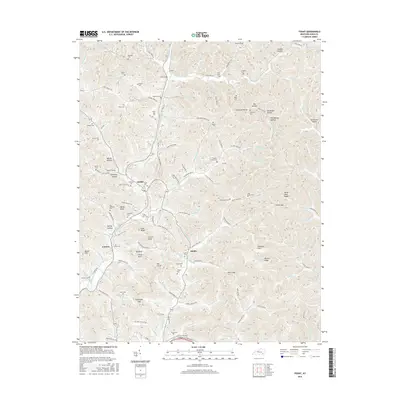 2016 Fount2016 Print · USGSKnox County hill country is captured here in the mid-2010s, showing a landscape defined by intricate creek branches and family-settled hollows. Genealogists can locate dozens of burial sites like Castle Cem and Pittman Cem near the communities of Girdler and Hinkle.
Showing maps 1-25 of 36
Top cities near Barbourville
Top neighborhoods of Barbourville
Frequently asked questions
- What are the different types of historical maps available for Barbourville?
- What is the oldest map of Barbourville?
- Where can I purchase historical maps of Barbourville for my home or office?
- Where can I download high-res historical maps of Barbourville?
- Are there historical topographic maps available for Barbourville?
- Is there historical aerial imagery available for Barbourville?
- Where are historical maps of Barbourville sourced from?