Old Maps of Camargo, Kentucky for Academic Research
Study the evolution of Camargo with 36 high-resolution historic maps. Whether you're teaching, researching, or modeling changes in land use, these maps provide essential visual documentation of urban, environmental, and geographic change.
- Analyze long-term change: Track patterns in development, transportation, and natural features.
- Ideal for environmental or urban studies: Support academic projects with primary historical map data.
- Use in the classroom or lab: Educators and researchers rely on these maps to bring historical context to life.
These maps are a powerful tool for teaching, research, and visualizing how Camargo has changed over the decades.
Camargo, KY maps
(36)- 1892 Map of Beattyville
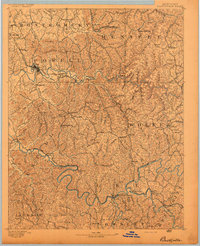 1892 Beattyville1892 Print · USGSThe Kentucky River and its headwaters define this late nineteenth-century survey of the rugged Cumberland Plateau. Researchers can trace the early industrial sites of Estill Furnace and Fitchburg Furnace alongside the path of the Kentucky Union Railroad.6 unique versions available
 - 1950 Map of Levee, 1954 Print
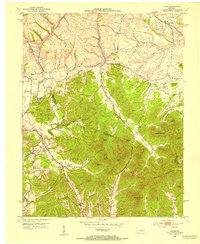 1950 Levee1954 Print · USGSThe foothills of the Cumberland Plateau come alive in this mid-century survey of the Montgomery and Powell county line. Genealogists and historians can trace family locations near the Westbend Ch, Willoughby Cem, and the community of Indian Fields.
 - 1952 Map of Preston, 1953 Print
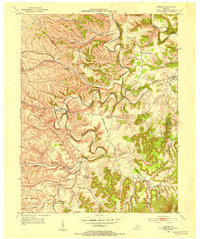 1952 Preston1953 Print · USGSBath and Montgomery counties are captured here in the early fifties, showing a rural landscape shaped by the winding Slate Creek and the Chesapeake and Ohio rail line. Genealogists can locate family landmarks like Treadway Cem or trace old community sites such as Peeled Oak and Howards Mill.
 - 1952 Map of Mount Sterling, 1953 Print
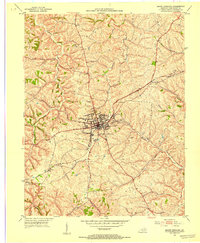 1952 Mount Sterling1953 Print · USGSMount Sterling and its Montgomery County environs are captured here in the early fifties during a period of steady mid-century growth. Researchers can trace ancestral locations near Ewington, locate family plots at Machpelah Cem, or follow the historic Midland Trail.
 - 1952 Map of Means, 1953 Print
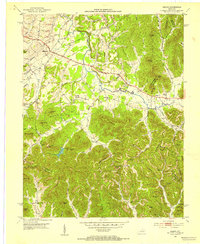 1952 Means1953 Print · USGSIn the early 1950s, this area of Kentucky was a land of tight-knit valley communities and dense timbered knobs. Genealogists can trace family footprints through numerous rural landmarks like Jeffersonville, Means, Myers Cem, and several one-room schools like Morris Creek Sch.2 unique versions available
 - 1952 Map of Levee, 1954 Print
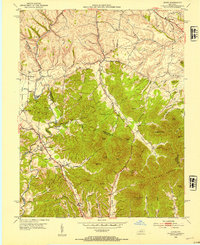 1952 Levee1954 Print · USGSThe Montgomery County foothills in the early fifties show a landscape of deep hollows and high points. Genealogists can trace family names and local sites from Kiddville to Camargo, including the Westbend School and the McKee Boy Scout Camp.
 - 1957 Map of Huntington, 1966 Print
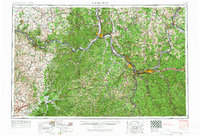 1957 Huntington1966 Print · USGSThe industrial heart of the Ohio River valley is captured here in the mid-sixties, showing the growth of Huntington and Ashland. Researchers can trace the extensive rail networks of the Chesapeake and Ohio RR and locate sites like the Chief Cornstalk Hunting Ground.3 unique versions available
 - 1957 Map of Jenkins, 1974 Print
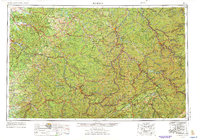 1957 Jenkins1974 Print · USGSThe Cumberland Plateau in the mid-twentieth century reveals a complex landscape of winding river valleys and deep-seated industry. Genealogists and historians can trace the development of Hazard, Jenkins, and Pikeville alongside extensive Numerous Oil and Gas Fields and the routes of the Chesapeake & Ohio Railway.
 - 1960 Map of Jenkins
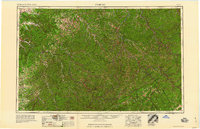 1960 Jenkins1960 Print · USGSEastern Kentucky and the West Virginia borderlands are captured at a mid-century peak of the coal and rail era. Trace the industrial corridors of the Chesapeake and Ohio RR through mountain hubs like Hazard and Jenkins.
 - 1960 Map of Huntington
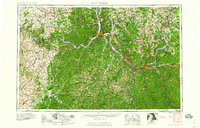 1960 Huntington1960 Print · USGSThe tri-state river valley thrived in the late fifties as a hub of heavy industry and Appalachian rail transit. Genealogists and historians can trace the connection between river towns like Ashland and Portsmouth or locate family homesteads near Coleman Ridge.
 - 1965 Map of Mount Sterling, 1966 Print
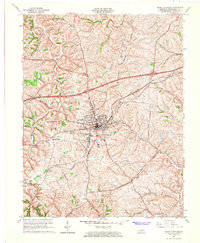 1965 Mount Sterling1966 Print · USGSMount Sterling during the mid-sixties transition shows a growing Kentucky community where the CHESAPEAKE AND OHIO railroad meets modern developments like Reid Village. Local researchers can locate historic family plots and landmarks, including Machpelah Cem, Mapleton Sch, and Klondike.2 unique versions available
 - 1965 Map of Levee, 1966 Print
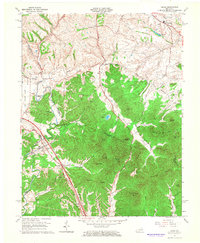 1965 Levee1966 Print · USGSMid-century Montgomery and Clark counties are captured here as traditional farming communities meet the sharp hills of the Knobs. Researchers can trace ancestral locations like Kiddville, Indian Fields, and the Willoughby Cem near Camargo.
 - 1970 Map of Preston, 1972 Print
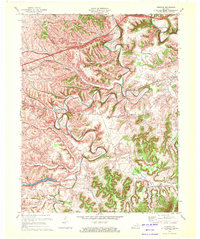 1970 Preston1972 Print · USGSBath and Montgomery Counties appear here in the early 1970s, showing a rural landscape shaped by the winding Slate Creek. Researchers can locate family landmarks like Peeled Oak Cem, the Stepstone Sch, and the rail corridor of the Chesapeake and Ohio.2 unique versions available
 - 1975 Map of Means, 1977 Print
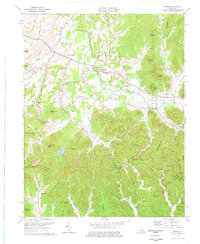 1975 Means1977 Print · USGSJeffersonville and the surrounding Kentucky hills are captured here in the mid-seventies as agriculture and energy extraction shaped the land. Genealogists and historians can trace family roots through landmarks like Old Salem Ch, Pine Hill Sch, and Easter Ch.
 - 1982 Map of Irvine, 1983 Print
 1982 Irvine1983 Print · USGSEastern Kentucky's hill country is mapped here in the early eighties, showcasing the complex river valleys and ridge-top settlements of the Cumberland Plateau. Researchers can trace historic rail lines like the Louisville & Nashville RR or locate rural communities such as Beattyville and Slade.
 - 1982 Map of Morehead, 1983 Print
 1982 Morehead1983 Print · USGSThe foothills of northeastern Kentucky come alive in the early eighties, showcasing a landscape defined by timber, limestone caves, and major reservoirs. Local researchers can trace the development of Morehead State University or locate old crossings at Plummers Mill and Salt Lick.
 - 2010 Map of Mount Sterling, 2010 Print
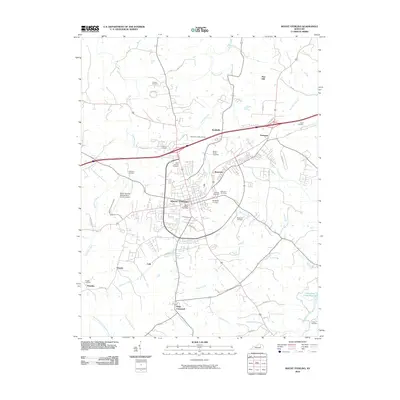 2010 Mount Sterling2010 Print · USGSMount Sterling and its surrounding Montgomery County countryside are captured here in the early twenty-first century. Researchers can trace ancestral sites and local history through numerous burial grounds like Machpelah Cemetery and the Old Indian Battle Ground.
 - 2010 Map of Preston, 2010 Print
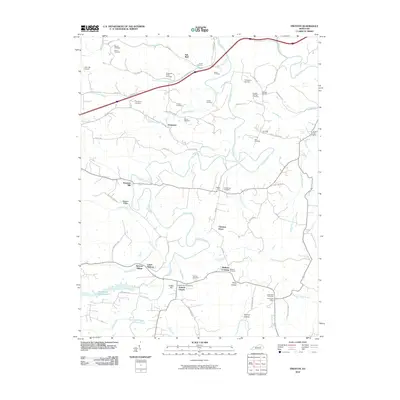 2010 Preston2010 Print · USGSEastern Kentucky's rural landscape is documented here in the early twenty-first century, showing a complex network of creekside settlements and family landmarks. Genealogists can locate numerous burial sites and historic centers like Howards Mill, Spencer Village, and the Antioch Church Cemetery.
 - 2010 Map of Levee, 2010 Print
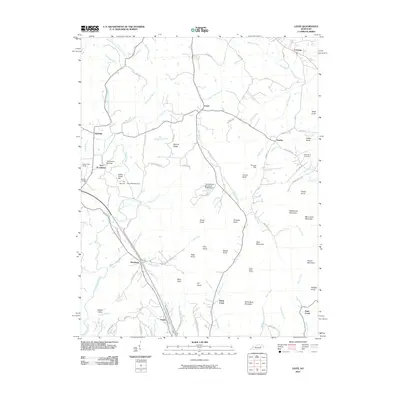 2010 Levee2010 Print · USGSEastern Montgomery County at the turn of the millennium remains a landscape of isolated knobs and deep creek forks. Genealogists and hikers can trace old family sites like Willoughby Cemetery, the historic Thomas Mill, and landmarks like Pilot Knob.
 - 2011 Map of Means, 2011 Print
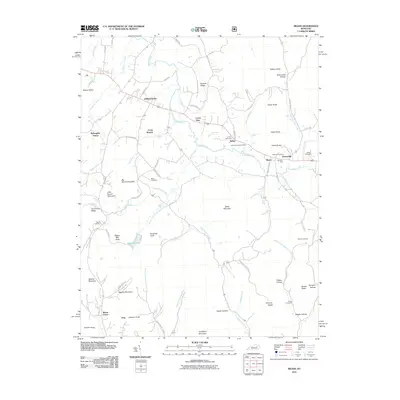 2011 Means2011 Print · USGSJeffersonville and the surrounding Kentucky hills are captured here in the early twenty-first century, showing a landscape of small settlements and family landmarks. Researchers can trace ancestral connections at Lovely Cemetery or Wills Cemetery and explore the rural layout of Means and Rebelsville.
 - 2013 Map of Mount Sterling, 2013 Print
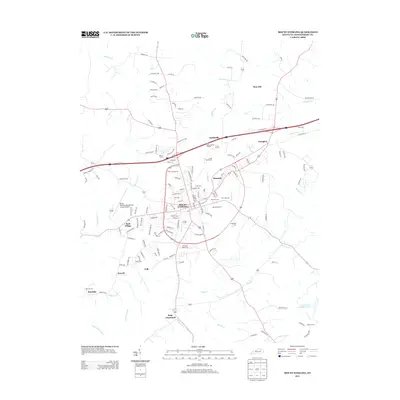 2013 Mount Sterling2013 Print · USGSMount Sterling and its surrounding Montgomery County landscape are documented here in the early twenty-first century. Researchers can trace ancestral sites across several family burial grounds like Machpelah Cemetery, Enoch Smith Cemetery, and the Old Indian Battle Ground.
 - 2013 Map of Means, 2013 Print
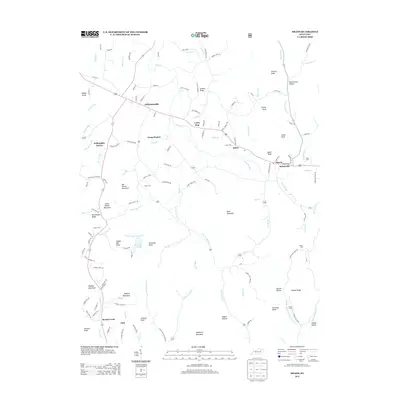 2013 Means2013 Print · USGSJeffersonville and the surrounding Kentucky knobs are captured here in the early twenty-first century as the landscape transitioned between historic homesteads and modern rural life. Researchers can locate family landmarks like Miller Cem and Gillum Cem or trace the early paths through Pottersville Hollow and Napier Hollow.
 - 2013 Map of Preston, 2013 Print
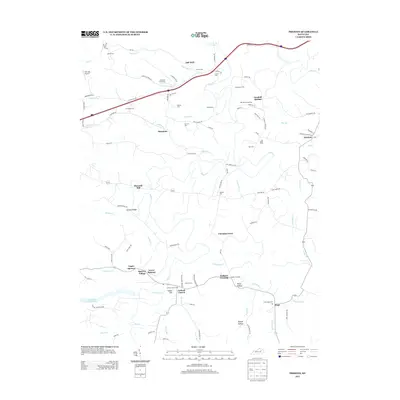 2013 Preston2013 Print · USGSThe rural Kentucky landscape near the Montgomery and Bath county lines is captured here in the early twenty-first century. Genealogists can trace family connections through numerous burial sites like Antioch Church Cem and settlements such as Spencer Village and Howards Mill.
 - 2013 Map of Levee, 2013 Print
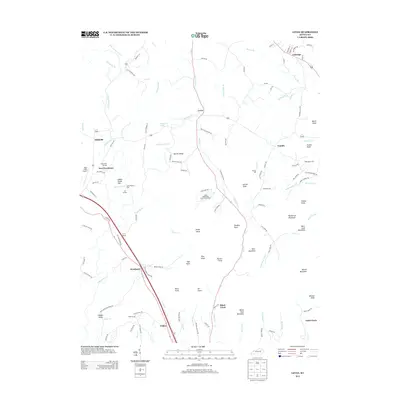 2013 Levee2013 Print · USGSKentucky's rolling ridge country comes alive in this survey of the communities south of Camargo during the early twenty-first century. Researchers can trace family names and local industry at Thomas Mill, Willoughby Cem, and the high points of Barlow Ridge.
 - 2016 Map of Preston, 2016 Print
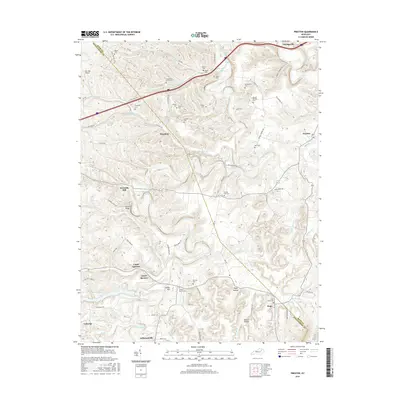 2016 Preston2016 Print · USGSThe Bath and Montgomery county border comes alive in this 2016 survey of the Kentucky hills and hollows. Genealogists and local historians can trace family roots through numerous local burial sites like Antioch Church Cem, Fortune Cem, and the community of Jeffersonville.
Showing maps 1-25 of 36
Top cities near Camargo
- Mount Sterling historical maps
- Stanton historical maps
- Jeffersonville historical maps
- Owingsville historical maps
- Clay City historical maps
- North Middletown historical maps
See more
Frequently asked questions
- What are the different types of historical maps available for Camargo?
- What is the oldest map of Camargo?
- Where can I purchase historical maps of Camargo for my home or office?
- Where can I download high-res historical maps of Camargo?
- Are there historical topographic maps available for Camargo?
- Is there historical aerial imagery available for Camargo?
- Where are historical maps of Camargo sourced from?