Old Maps of Dixon, Kentucky for Metal Detecting
Plan your next treasure hunt with 23 historic maps of Dixon. Find old homesites, ghost towns, trails, and gathering spots that may be lost to time — perfect for identifying promising metal detecting locations.
- Locate forgotten sites: Uncover places like long-lost settlements, abandoned rail lines, or gathering spots.
- Plan better hunts: Use map overlays combined with LiDAR or satellite views to narrow in on historically rich areas.
- Made for detectorists: Thousands of hobbyists use these maps to discover relics, coins, and hidden history.
Use these historic maps to boost your research and find new opportunities beneath the surface of Dixon.
Dixon, KY maps
(23)- 1906 Map of Sebree
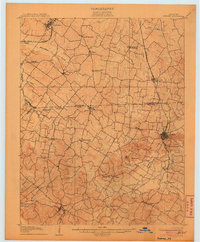 1906 Sebree1906 Print · USGSWestern Kentucky at the dawn of the twentieth century was a landscape of rail-connected towns and crossroads hamlets. Genealogists can trace family footprints near Sebree and Dixon, or locate vanished schoolhouses and churches like Oakland Schoolhouse and Mt Pleasant Church.3 unique versions available
 - 1907 Map of Earlington
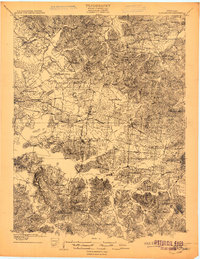 1907 Earlington1907 Print · USGSWestern Kentucky coal and farm country comes alive in the early 1900s, centered on the growing hubs of Madisonville and Earlington. Genealogists and historians can trace dozens of rural schools and churches like Ramsey School, Nebo, and Mt Carmel Church.
 - 1909 Map of Earlington
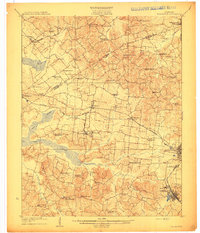 1909 Earlington1909 Print · USGSWestern Kentucky’s coal and rail corridor comes into focus in the years before the Great War. Researchers can trace ancestral locations through a dense network of local landmarks like Silent Run PO, Johnson Island Church, and Oakland Store.3 unique versions available
 - 1951 Map of Dixon
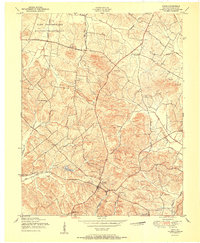 1951 Dixon1951 Print · USGSDixon and northern Webster County are captured here in the early fifties during the height of activity at the nearby military reservation. Genealogists can locate dozens of family burial sites including Crews Cem and Yates Cem, while tracing the rural settlements of Tilden and Wanamaker.
 - 1954 Map of Evansville
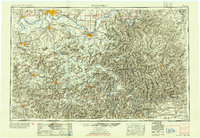 1954 Evansville1954 Print · USGSThe Ohio River borderlands between Indiana and Kentucky appear here during a period of robust industrial and military growth. Genealogists and researchers can trace the rail corridors of the Illinois Central and find landmarks like US Lock and Dam No 48 or Camp Breckinridge.
 - 1954 Map of Nebo, 1955 Print
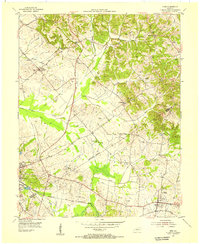 1954 Nebo1955 Print · USGSWestern Kentucky in the mid-fifties shows a landscape of drainage ditches and family farms spanning the Hopkins and Webster county line. Researchers can trace rural life through numerous landmarks like Hayes Chapel, the Stanhope Cem, and an Old Railroad Grade.
 - 1954 Map of Earlington, 1958 Print
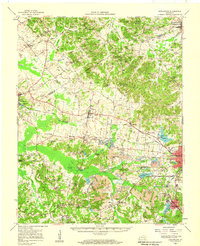 1954 Earlington1958 Print · USGSHopkins and Webster Counties in the mid-fifties show a landscape shaped by coal extraction and rail transit. Researchers can trace the heritage of vanished homesteads and local landmarks like Sixth Vein Mine, Slaughtersville, and Munns Sch.
 - 1957 Map of Evansville, 1969 Print
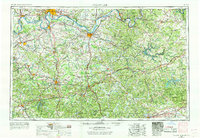 1957 Evansville1969 Print · USGSIndiana and Kentucky meet along the Ohio River in this mid-century survey of a vital industrial and transport corridor. Genealogists and historians can trace the development of river towns like Owensboro and Newburgh or locate old rail lines like the Southern Ry.3 unique versions available
 - 1961 Map of Evansville
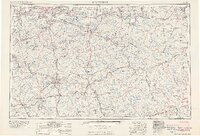 1961 Evansville1961 Print · USGSThe Ohio River valley and its surrounding coalfields are captured here during the late fifties and early sixties. Trace the industrial rail networks of the Illinois Central RR and explore regional landmarks like Mammoth Cave National Park and Angel Mounds State Memorial.2 unique versions available
 - 1969 Map of Dixon, 1971 Print
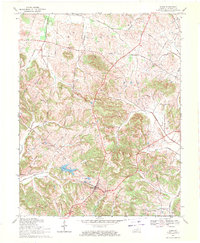 1969 Dixon1971 Print · USGSDixon and the surrounding Webster County hills are captured here in the late sixties, a period of active oil exploration and rural settlement. Researchers can pinpoint ancestral sites like Rock Springs Ch, Osborne Cem, and the old Fairview School grounds.
 - 1983 Map of Madisonville, 1984 Print
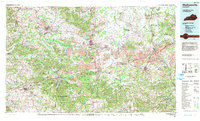 1983 Madisonville1984 Print · USGSThe Western Kentucky coalfields and river valleys come into focus in the early eighties as the rail-and-river economy matured. Genealogists can trace family footprints across Dawson Springs, Mortons Gap, and Slaughters, or locate landmarks like Shake Rag Hills and Lake Malone.
 - 1986 Map of Evansville
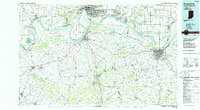 1986 Evansville1986 Print · USGSThe Ohio River valley thrives in the mid-1980s as a hub of river commerce, industry, and natural preservation spanning the Indiana-Kentucky border. Genealogists and historians can locate remote landmarks like Dead Mans Cem, Lippe Church, and the riverside community of Scuffletown.
 - 1991 Map of Evansville
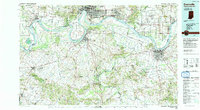 1991 Evansville1991 Print · USGSThe tri-state region of Indiana and Kentucky was a hub of river commerce and rail transport in the early nineties. Researchers can trace the industrial corridor between Evansville and Owensboro, locating landmarks like Angel Mounds State Memorial and the Seaboard System railroad.
 - 2010 Map of Nebo, 2010 Print
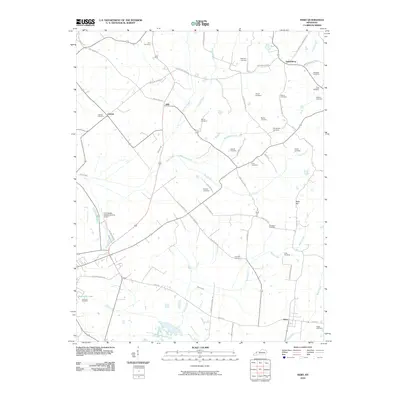 2010 Nebo2010 Print · USGSWestern Kentucky’s rural heartland is meticulously detailed in the early twenty-first century, showcasing the small settlements and family lands of Webster County. Genealogists can trace family heritage through nearly twenty named burial sites, including Winstead and Harralson, while locating landmarks like Balls Hill and the Providence-Webster County Airport.
 - 2010 Map of Dixon, 2010 Print
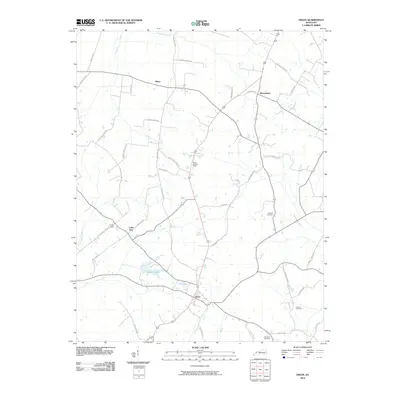 2010 Dixon2010 Print · USGSDixon and its surrounding hamlets in Webster County are captured here during a period of modern rural continuity. Researchers can trace ancestral connections through family-named landmarks like Townsend Cemetery and old roadbeds such as Townsend Pike and Vanderburg-Winstead Rd.
 - 2013 Map of Dixon, 2013 Print
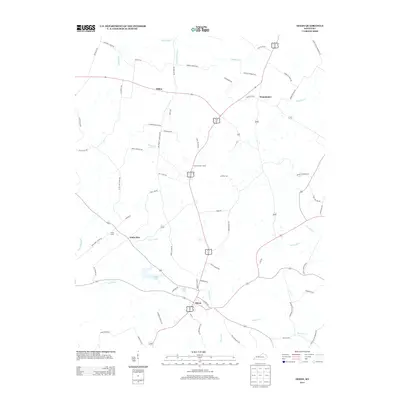 2013 Dixon2013 Print · USGSDixon and its surrounding Webster County crossroads are captured in the early twenty-first century, showing a landscape defined by family landholdings and creek drainages. Researchers can trace local lineage through features like Dixon Lookout Tower, Camp Clark, and family-named routes like Dorris Melton Rd.
 - 2013 Map of Nebo, 2013 Print
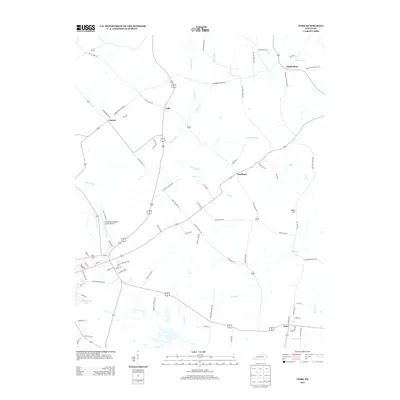 2013 Nebo2013 Print · USGSWestern Kentucky's rural landscape comes into focus here in the early 21st century. Genealogists and local historians can trace family land proximity to landmarks like Balls Hill or follow the small-town layouts of Nebo, Vanderburg, and Lisman.
 - 2016 Map of Nebo, 2016 Print
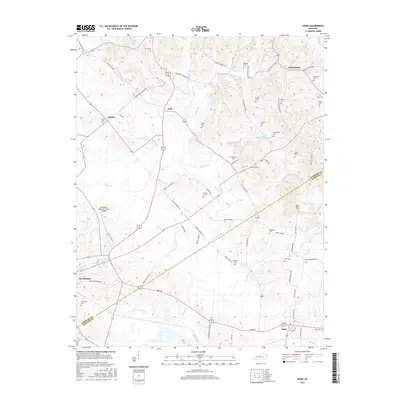 2016 Nebo2016 Print · USGSWestern Kentucky’s rural landscape is captured here in the mid-2010s as it spans the border of Webster and Hopkins Counties. Researchers can trace dozens of family burial sites including Winstead Cemetery and Ramsey Cemetery near the historic settlements of Lisman and Nebo.
 - 2016 Map of Dixon, 2016 Print
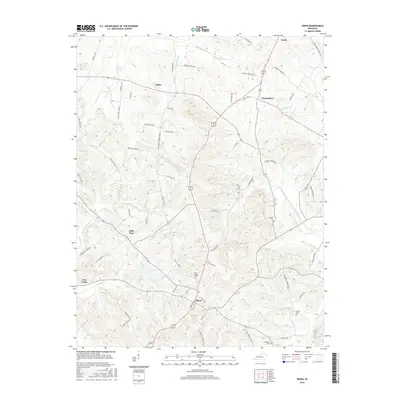 2016 Dixon2016 Print · USGSDixon and its surrounding Webster County hamlets are captured here during the mid-2010s, showing a landscape defined by agricultural drainage and rural homesteads. Researchers can locate family landmarks like Cavena Cem and Townsend Cem or trace the routes of Lynn Fork and Highland Cr.
 - 2019 Map of Dixon, 2019 Print
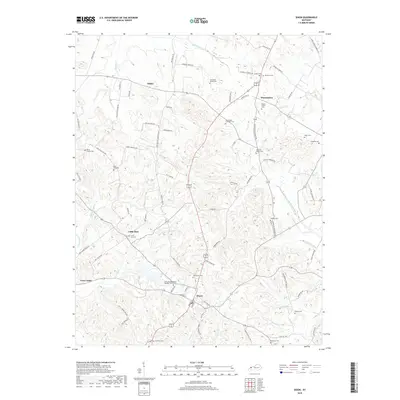 2019 Dixon2019 Print · USGSThis survey of the Dixon area in 2019 captures the rural character of Webster County and its many family legacies. Genealogists can trace ancestral sites at the McClendon-Chandler Cem or Little Zion Cem and locate historic community centers like Tilden and Wanamaker.
 - 2019 Map of Nebo, 2019 Print
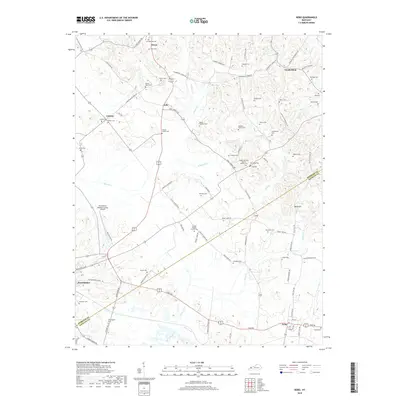 2019 Nebo2019 Print · USGSWestern Kentucky’s rural landscape comes into focus here during the late 2010s, centered on the crossroads of Providence and Nebo. Researchers can trace generations of local heritage through a dense network of family burial sites like the Lisman Family Cem and Winstead Cemetery.
 - 2022 Map of Dixon, 2022 Print
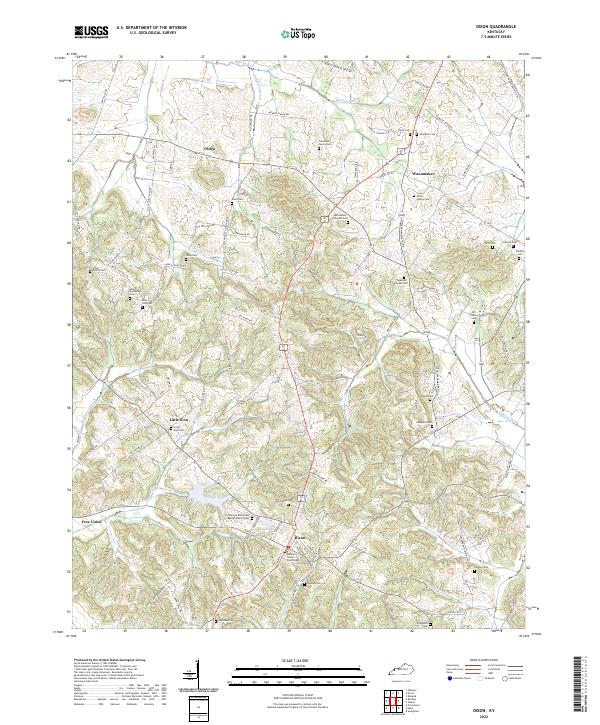 2022 Dixon2022 Print · USGSDixon and its surrounding hamlets are shown here in the early 2020s, revealing a landscape deeply tied to family history and the local seat of government. Researchers can find dozens of burial sites like Tapp and Snipes Cem and the Webster County Courthouse.
 - 2022 Map of Nebo, 2022 Print
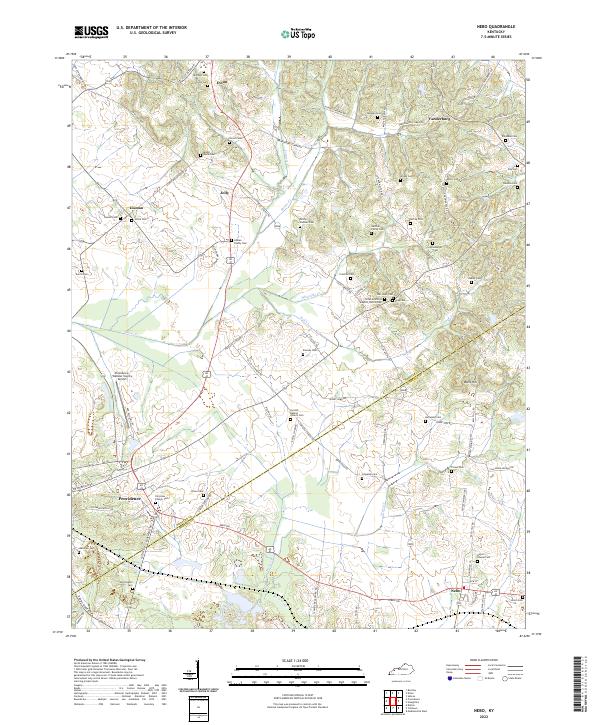 2022 Nebo2022 Print · USGSWestern Kentucky's rural landscape at the junction of Webster and Hopkins counties is shown in modern detail. Genealogists can locate dozens of family burial sites such as McCoy-Gardner Cem and trace the roads connecting Providence and Nebo.
End of results
Showing maps 1-23 of 23
Top cities near Dixon
- Madisonville historical maps
- Providence historical maps
- Morganfield historical maps
- Earlington historical maps
- Sebree historical maps
- Clay historical maps
See more
Frequently asked questions
- What are the different types of historical maps available for Dixon?
- What is the oldest map of Dixon?
- Where can I purchase historical maps of Dixon for my home or office?
- Where can I download high-res historical maps of Dixon?
- Are there historical topographic maps available for Dixon?
- Is there historical aerial imagery available for Dixon?
- Where are historical maps of Dixon sourced from?