Old Maps of Hosston, Louisiana for Academic Research
Study the evolution of Hosston with 35 high-resolution historic maps. Whether you're teaching, researching, or modeling changes in land use, these maps provide essential visual documentation of urban, environmental, and geographic change.
- Analyze long-term change: Track patterns in development, transportation, and natural features.
- Ideal for environmental or urban studies: Support academic projects with primary historical map data.
- Use in the classroom or lab: Educators and researchers rely on these maps to bring historical context to life.
These maps are a powerful tool for teaching, research, and visualizing how Hosston has changed over the decades.
Hosston, LA maps
(35)- 1932 Map of Hosston NW
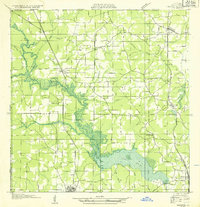 1932 Hosston NW1932 Print · USGSCaddo Parish sits at the intersection of Louisiana, Texas, and Arkansas in the early 1930s, defined by its bayous and early industrial rail lines. Genealogists and researchers can trace family landmarks like Walnut Hill Cem, Pine Valley Sch, and the rail stops at Rodessa and Mira.
 - 1932 Map of Hosston NE
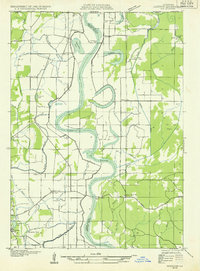 1932 Hosston NE1932 Print · USGSThe Red River floodplain in Northwest Louisiana was a landscape of ferries and oxbow lakes in the early 1930s. Researchers can trace rural life through landmarks like Missionary Ferry, Miller Bluff Ch, and the town of Hosston.
 - 1932 Map of Hosston SW
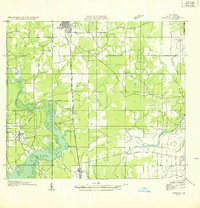 1932 Hosston SW1932 Print · USGSCaddo Parish was a landscape of oil derricks and bayous in the early 1930s, when the rail line shaped local commerce. Genealogists can locate family landmarks like Black Bayou Cemetery and rural schools including Rosenwald Sch or Centerville Sch.
 - 1932 Map of Hosston SE
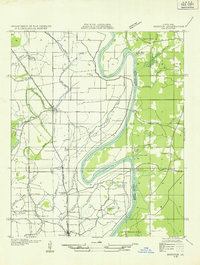 1932 Hosston SE1932 Print · USGSCaddo and Bossier Parishes are captured here in the early thirties along the winding Red River. Local historians can locate river crossings like Peru Ferry and a network of community anchors including Rosenwald Sch and Gilliam.
 - 1948 Map of Vivian
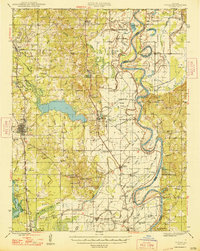 1948 Vivian1948 Print · USGSUpper Caddo Parish in the late 1940s is defined by the winding Red River and a thriving rail-and-oil economy. Genealogists can trace family roots through numerous rural landmarks like the Oil Refinery near Lewis, the Miller Bluff Ferry, and Egypt Hill Cem.
 - 1955 Map of Shreveport
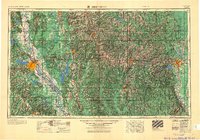 1955 Shreveport1955 Print · USGSNorthern Louisiana in the mid-fifties is captured here as a landscape of military bases, vast oil fields, and burgeoning college towns. Genealogists and historians can trace the rail-and-river economy through the Monroe Gas Field, Grambling College, and Barksdale Air Force Base.3 unique versions available
 - 1956 Map of Shreveport
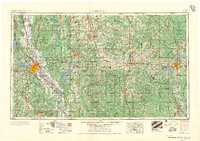 1956 Shreveport1956 Print · USGSNorthern Louisiana during the mid-fifties presents a complex landscape of booming oil fields and strategic military installations. Genealogists and historians can trace the infrastructure of the Monroe Gas Field and family-named locales from Cotton Valley to Jonesboro.
 - 1956 Map of Vivian, 1958 Print
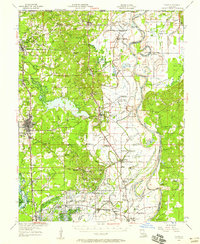 1956 Vivian1958 Print · USGSCaddo Parish was a hub of energy production and river commerce in the mid-1950s as the oil industry transformed rural Louisiana. Researchers can trace family history through local landmarks like Centerville Cem, St Marks Ch, and North Caddo High Sch.2 unique versions available
 - 1971 Map of Wardview, 1973 Print
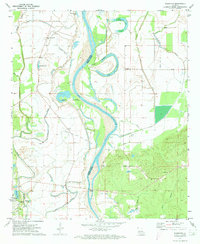 1971 Wardview1973 Print · USGSNorth Louisiana's river country is captured here in the early 1970s as the petroleum industry reshaped the rural landscape. Researchers can locate family landmarks like Bright Morning Star Ch, the Hosston Cem, and the shifting bends of the Red River.
 - 1971 Map of Vivian South, 1973 Print
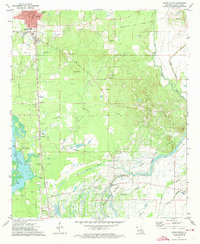 1971 Vivian South1973 Print · USGSCaddo Parish in the early 1970s reveals a landscape defined by an extensive petroleum industry and a rich network of rural communities. Genealogists and historians can trace family roots through numerous sites like New Hope Cem, Mt Superior Ch, and the settlement at Oil City.2 unique versions available
 - 1971 Map of Gilliam, 1973 Print
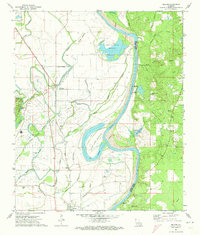 1971 Gilliam1973 Print · USGSThe Red River valley in the early 1970s shows a landscape of deep-rooted rural communities and heavy industry. Genealogists and historians can trace numerous country churches like St Elmo Ch and Union Chapel or locate the TEXAS AND PACIFIC rail stops at Cavett and Belcher.
 - 1971 Map of Vivian North, 1973 Print
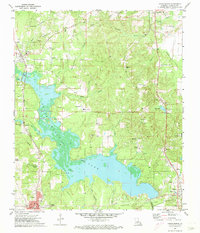 1971 Vivian North1973 Print · USGSCaddo Parish in the early 1970s was a hub of energy production and rail transport, centered around the sprawling Black Bayou Lake. Genealogists and local historians can trace family roots through sites like Slaughter Cem, the North Caddo Community Sch, and the busy Rodessa Oil and Gas Field.
 - 1971 Map of Vivian, 1974 Print
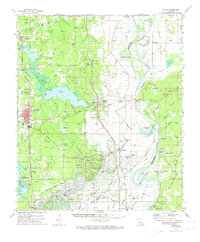 1971 Vivian1974 Print · USGSCaddo Parish at the start of the 1970s shows a landscape transformed by the energy industry and an intricate network of bayous. Researchers can trace family sites at Centerville Cem and Antioch Ch or explore the rail hubs of Vivian and Oil City.2 unique versions available
 - 1984 Map of Shreveport
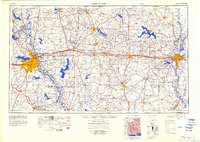 1984 Shreveport1984 Print · USGSNorthern Louisiana at the peak of the 1980s reveals a landscape of massive water management projects and Cold War military hubs. Trace the rail lines of the Kansas City Southern Ry past Barksdale Air Force Base and the high ground of Driskill Mountain.2 unique versions available
 - 1986 Map of Shreveport North
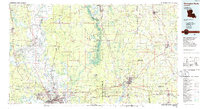 1986 Shreveport North1986 Print · USGSNorthern Louisiana in the mid-eighties shows a landscape of expansive river bottoms and growing suburban centers. Genealogists and historians can trace the development of Shreveport, the infrastructure of Barksdale Air Force Base, and rural life in Rocky Mount.2 unique versions available
 - 2012 Map of Wardview, 2012 Print
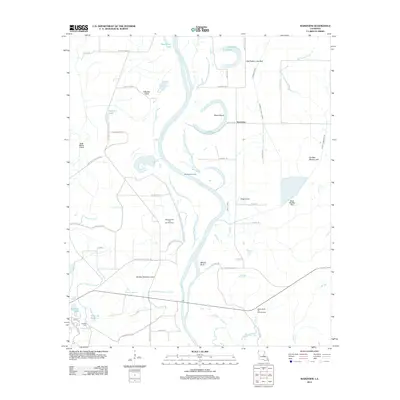 2012 Wardview2012 Print · USGSUpper Caddo Parish near the Arkansas line is revealed in this 2012 survey as a complex network of active oil fields and ancient river meanders. Researchers can pinpoint Wardview or trace lineage at Hosston Cemetery while exploring Halfmoon Lake and Old Posten Lake Bed.
 - 2012 Map of Gilliam, 2012 Print
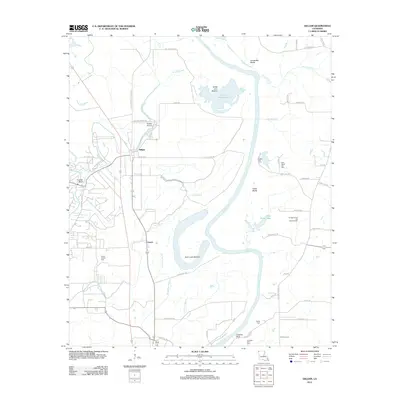 2012 Gilliam2012 Print · USGSUpper Caddo Parish reveals its river-bottom character in the early 2010s, defined by the winding course of the Red River and the rural community of Gilliam. Local historians can trace family roots at Union Chapel Cem and Prairie Cem or explore the geography of Dutch John Lake and Black Bayou.
 - 2012 Map of Vivian North, 2012 Print
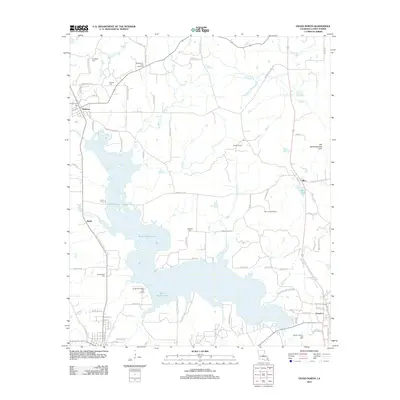 2012 Vivian North2012 Print · USGSNorthwest Louisiana's oil-rich wetlands are captured here in the early twenty-first century, showcasing a landscape of bayous and industrial energy fields. Genealogists and local historians can trace family sites near Rodessa and Hosston, or locate rural landmarks like Mira Lookout Tower and Slaughter Cem.
 - 2012 Map of Vivian South, 2012 Print
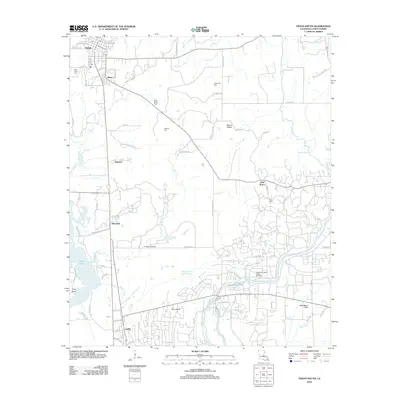 2012 Vivian South2012 Print · USGSCaddo Parish's bayou and oil country comes into sharp focus during the early twenty-first century. Genealogists and historians can trace family locations near New Hope Cem or the Mount Gilead church, and explore the industrial footprint of the Caddo-Pine Island Oil and Gas Field.
 - 2015 Map of Vivian South, 2015 Print
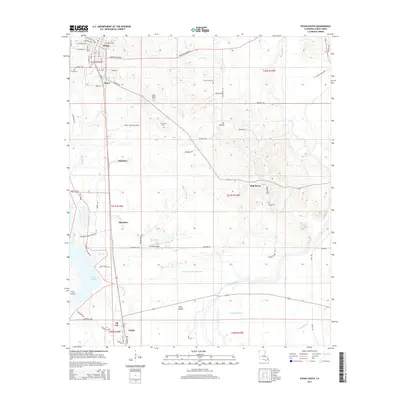 2015 Vivian South2015 Print · USGSCaddo Parish at the turn of the decade is defined by the waters of Caddo Lake and the legacy of the local oil industry. Researchers can trace family roots at New Hope Cem or Hancock Cem and locate established settlements like Oil City and Superior.
 - 2015 Map of Gilliam, 2015 Print
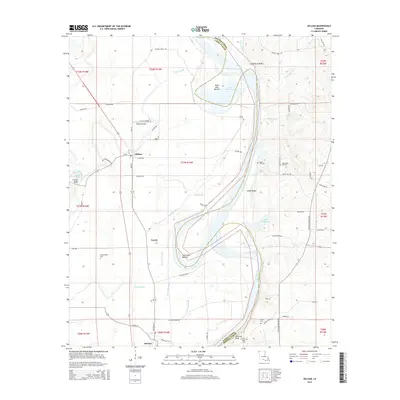 2015 Gilliam2015 Print · USGSThe northern Caddo Parish riverlands are shown here in detail during the mid-2010s, where the Red River carves through a landscape of bluffs and bottoms. Genealogists and local historians can locate rural landmarks like Union Chapel Cem, the settlement of Cavett, and the waters of Glycerine Bayou.
 - 2015 Map of Wardview, 2015 Print
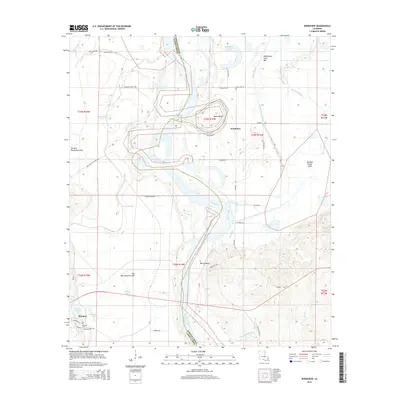 2015 Wardview2015 Print · USGSNorthwestern Louisiana bottomlands come to life in this survey of the Caddo and Bossier Parish lines during the mid-2010s. Genealogists and local historians can trace family locations near Hosston or find the remote river-bend settlement of Wardview.
 - 2015 Map of Vivian North, 2015 Print
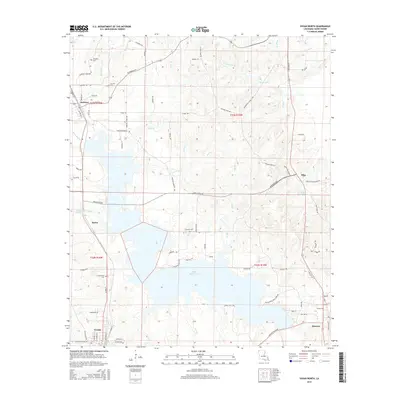 2015 Vivian North2015 Print · USGSCaddo Parish settlement and the bayou landscape are documented here in the early twenty-first century. Researchers can trace the layout of Rodessa and Myrtis, while locating local landmarks like Antioch Cem and the waters of Black Bayou Lake.
 - 2018 Map of Vivian South, 2018 Print
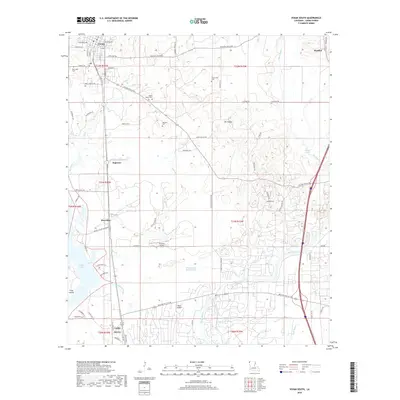 2018 Vivian South2018 Print · USGSCaddo Parish was defined by its oil heritage and bayou waterways during this era. Researchers can trace historic cemeteries like Centerville Cem and New Hope Cem alongside the vanished industrial markers of Superior and Shoreline.
 - 2018 Map of Vivian North, 2018 Print
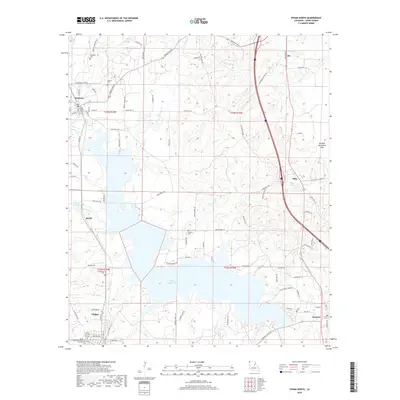 2018 Vivian North2018 Print · USGSCaddo Parish in the late 2010s shows a landscape defined by the expansive Black Bayou Lake and a high density of rural cemeteries. Researchers can trace family history through sites like Slaughter Cem, Antioch Cem, and Stevens Cem, or locate landmarks like Myrtis Mill Pond.
Showing maps 1-25 of 35
Top cities near Hosston
- Vivian historical maps
- Benton historical maps
- Oil City historical maps
- Plain Dealing historical maps
- Mooringsport historical maps
- Bradley historical maps
See more
Frequently asked questions
- What are the different types of historical maps available for Hosston?
- What is the oldest map of Hosston?
- Where can I purchase historical maps of Hosston for my home or office?
- Where can I download high-res historical maps of Hosston?
- Are there historical topographic maps available for Hosston?
- Is there historical aerial imagery available for Hosston?
- Where are historical maps of Hosston sourced from?