Old Maps of Twin Brook, Garland for Hiking & Exploration
Hike through history with 14 historic maps of Twin Brook. Explore old trails, ghost towns, and forgotten backroads — perfect for outdoor adventurers and local explorers.
- Rediscover forgotten places: Map out old mining camps, roads, and footpaths that no longer exist on modern maps.
- Layer with modern tools: Combine with LiDAR or satellite views to plan hikes through historical terrain.
- Made for exploration: Popular among hikers, overlanders, and local history lovers.
Use these maps to find adventure and explore the hidden past of Twin Brook.
Twin Brook, Garland maps
(14)- 1932 Map of Dover-Foxcroft
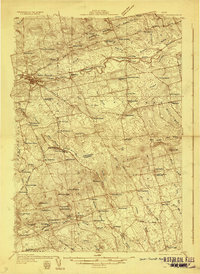 1932 Dover-Foxcroft1932 Print · USGSPiscataquis and Penobscot counties are shown here in the early 1930s, a landscape defined by the Piscataquis River and rail-fed mill towns. Genealogists can trace family names through dozens of rural landmarks like Hurd Corner, Gould Cemetery, and the Higgins Classical Institute.4 unique versions available
 - 1935 Map of Dover-Foxcroft
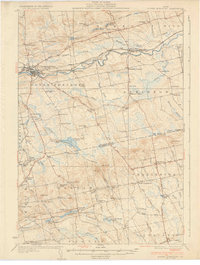 1935 Dover-Foxcroft1935 Print · USGSThe Piscataquis River valley of central Maine is shown here in the 1930s, centered on the mill town of Dover-Foxcroft. Genealogists can trace family names at Rollins Mill, Foss Cem, and dozens of rural schoolhouses like Morrison Sch.2 unique versions available
 - 1954 Map of Millinocket, 1968 Print
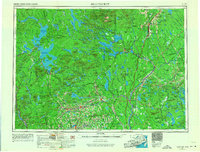 1954 Millinocket1968 Print · USGSMaine's North Woods and the Penobscot Valley are captured here during the mid-century era of logging and rail dominance. You can trace the path of the Bangor and Aroostook Railroad through timber towns like Millinocket, Mattawamkeag, and Silver Ridge.3 unique versions available
 - 1958 Map of Millinocket
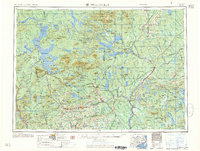 1958 Millinocket1958 Print · USGSMaine's North Woods and the Penobscot river valley are captured here in the mid-1950s, showing a landscape of timber, rail, and wild waters. Researchers can trace the legacy of the Canadian Pacific railroad and find historic settlements like Millinocket, Sherman Station, and Mattawamkeag.
 - 1960 Map of Millinocket
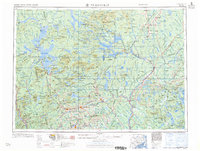 1960 Millinocket1960 Print · USGSThe Maine North Woods and Penobscot River valley are captured at mid-century during the height of the paper milling era. Researchers can trace the Appalachian Trail near Mount Katardin or locate family roots in towns like Dover-Foxcroft and Milo.3 unique versions available
 - 1975 Map of Dover-Foxcroft SE, 1980 Print
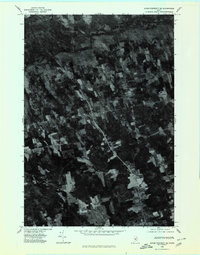 1975 Dover-Foxcroft SE1980 Print · USGSCentral Maine agriculture and woodland are captured in the mid-seventies via aerial imagery. Researchers can trace rural property lines and historic crossroads like Hicks Corner, Rollins Mill, and West Charleston.
 - 1983 Map of Charleston, 1984 Print
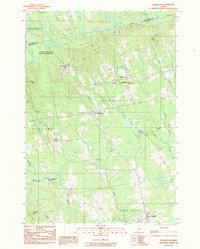 1983 Charleston1984 Print · USGSThe rural highlands of Penobscot County are captured here in the early eighties, showcasing institutional landmarks and small-town hubs. Local historians can trace the grounds of Higgins Classical Institute, locate Rollins Mill, or follow the path of Stage Coach Road.2 unique versions available
 - 1986 Map of Dover-Foxcroft
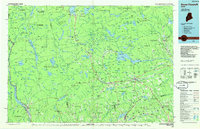 1986 Dover-Foxcroft1986 Print · USGSPiscataquis County at the edge of the great Maine woods is documented here in the mid-1980s, centered on the river-and-rail hubs of the interior. Trace the industrial footprints of Dover South Mills, the rail yards at Brownville Junction, or the historic Katahdin Iron Works.
 - 1994 Map of Dover-Foxcroft
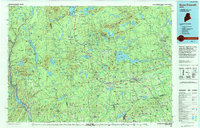 1994 Dover-Foxcroft1994 Print · USGSCentral Maine in the mid-nineties shows a landscape of timber-driven towns and deep glacial lakes. Trace the paths of the Canadian Pacific RR or locate the Moscow Air Force Station Transmit Site and Sebec Lake.
 - 2011 Map of Charleston, 2011 Print
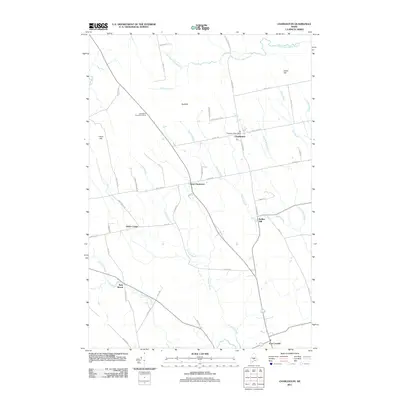 2011 Charleston2011 Print · USGSPenobscot County in the early twenty-first century remains a landscape of quiet crossroads and historic water-powered sites. Genealogists and researchers can trace the vicinity of Rollins Mill, the community at West Charleston, and landmarks like the Charleston Post Office.
 - 2014 Map of Charleston, 2014 Print
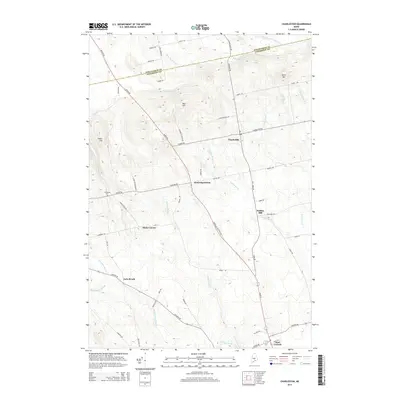 2014 Charleston2014 Print · USGSCharleston and its surrounding rural townships are mapped here in the early twenty-first century as the landscape maintains its traditional Maine character. Family historians can trace property locations near Rollins Mill, Hicks Corner, and the Hathaway Cem.
 - 2018 Map of Charleston, 2018 Print
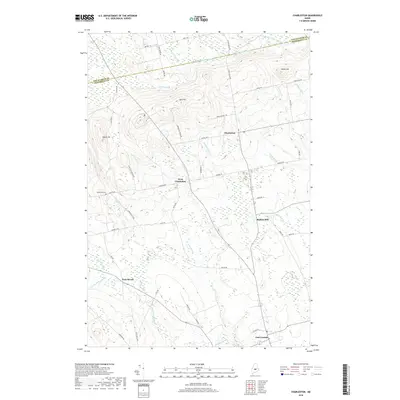 2018 Charleston2018 Print · USGSCharleston and the lowlands of the Maine Highlands are shown here in the early twenty-first century. Genealogists and researchers can trace local family landmarks and rural communities including Rollins Mill, West Charleston, and the Hathaway Cem.
 - 2021 Map of Charleston, 2021 Print
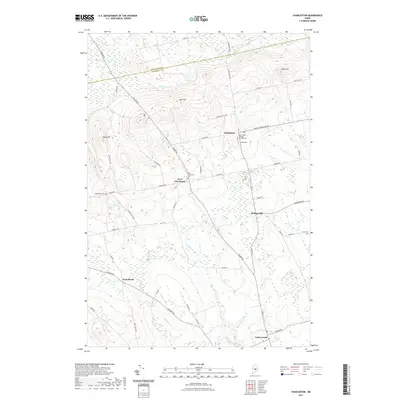 2021 Charleston2021 Print · USGSPenobscot and Piscataquis counties meet in this contemporary Maine landscape, where rural townships maintain deep historical roots. Genealogists and historians can trace family locations through Village Cemetery, the old settlement at Rollins Mill, and landmarks like Davis Hill.
 - 2024 Map of Charleston, 2024 Print
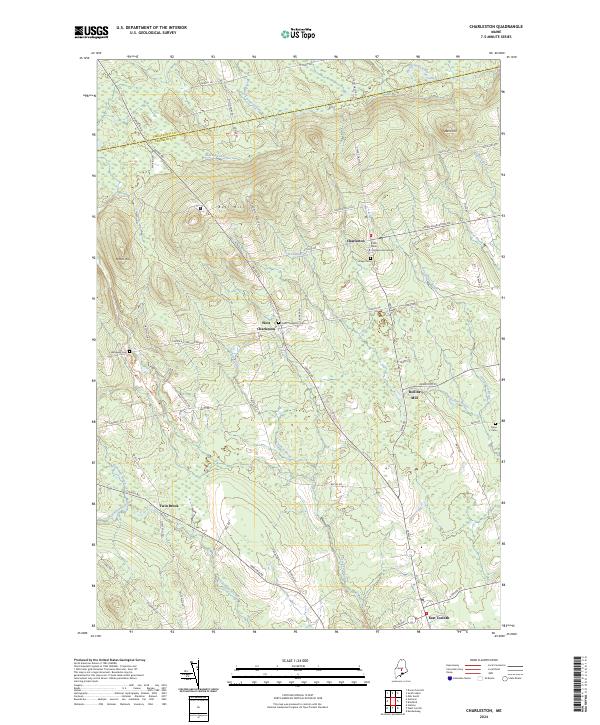 2024 Charleston2024 Print · USGSPenobscot County is shown in detail during the early 2020s, revealing a landscape of upland ridges and old crossroads settlements. Researchers can trace family history through several burial sites like West Charleston Cemetery or locate landmarks such as Rollins Mill and Faith Bible College International.
End of results
Showing maps 1-14 of 14
Frequently asked questions
- What are the different types of historical maps available for Twin Brook?
- What is the oldest map of Twin Brook?
- Where can I purchase historical maps of Twin Brook for my home or office?
- Where can I download high-res historical maps of Twin Brook?
- Are there historical topographic maps available for Twin Brook?
- Is there historical aerial imagery available for Twin Brook?
- Where are historical maps of Twin Brook sourced from?