Old Maps of Maxfield, Maine for Metal Detecting
Plan your next treasure hunt with 33 historic maps of Maxfield. Find old homesites, ghost towns, trails, and gathering spots that may be lost to time — perfect for identifying promising metal detecting locations.
- Locate forgotten sites: Uncover places like long-lost settlements, abandoned rail lines, or gathering spots.
- Plan better hunts: Use map overlays combined with LiDAR or satellite views to narrow in on historically rich areas.
- Made for detectorists: Thousands of hobbyists use these maps to discover relics, coins, and hidden history.
Use these historic maps to boost your research and find new opportunities beneath the surface of Maxfield.
Maxfield, ME maps
(33)- 1933 Map of Boyd Lake
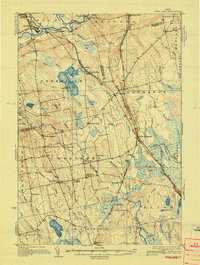 1933 Boyd Lake1933 Print · USGSPenobscot County communities and the Piscataquis River valley are captured here in the early thirties as the railroad remained the lifeblood of rural Maine. Local historians can trace numerous family-named landmarks and district schoolhouses like Knowles Sch, Ridge Sch, and the Huntington Mill works.
 - 1942 Map of Lincoln
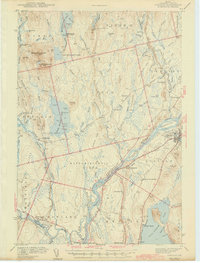 1942 Lincoln1942 Print · USGSPenobscot River life and the timber-driven rail economy are captured here during the early years of the war. Genealogists and historians can locate old landmarks like Merrifield Sch, the Ridge Cem, and the river island communities of the Penobscot Indian Reservation.3 unique versions available
 - 1947 Map of Schoodic, 1956 Print
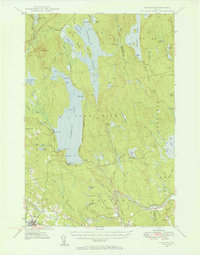 1947 Schoodic1956 Print · USGSPiscataquis County in the late 1940s is shown here as a landscape of timber, rail, and isolated lake settlements. Genealogists and historians can trace old homesteads and landmarks like Evergreen Cem, the Maxfield Sch, and the rail stops at Packards or Lake View.3 unique versions available
 - 1949 Map of Schoodic
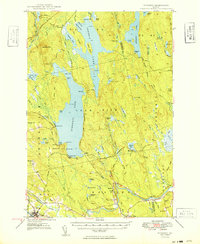 1949 Schoodic1949 Print · USGSThe rail-and-river network of central Maine is captured here just after the war, showing the junction of two major rail lines. Genealogists and historians can trace old community sites like Lake View, Knights Landing, and the Maxfield Sch.2 unique versions available
 - 1951 Map of Boyd Lake
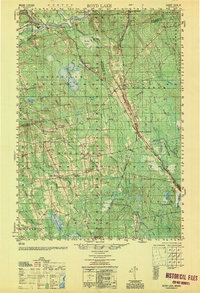 1951 Boyd Lake1951 Print · USGSPenobscot and Piscataquis Counties are captured here in the early 1950s, showing a landscape of timber-rail economies and scattered rural schoolhouses. Genealogists can trace family footprints at Bradford Center, the Hoxie Sch, or along the Bangor and Aroostook rail line.
 - 1954 Map of Millinocket, 1968 Print
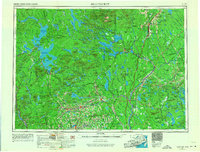 1954 Millinocket1968 Print · USGSMaine's North Woods and the Penobscot Valley are captured here during the mid-century era of logging and rail dominance. You can trace the path of the Bangor and Aroostook Railroad through timber towns like Millinocket, Mattawamkeag, and Silver Ridge.3 unique versions available
 - 1955 Map of Boyd Lake, 1956 Print
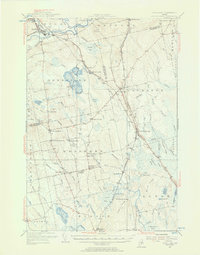 1955 Boyd Lake1956 Print · USGSPenobscot and Piscataquis counties are captured here in the mid-fifties as the rail-and-river economy supported towns like Milo and Derby. Genealogists can locate family landmarks such as the Orneville Sch, Williams Cem, and the Bradford High Sch.4 unique versions available
 - 1957 Map of Lincoln, 1959 Print
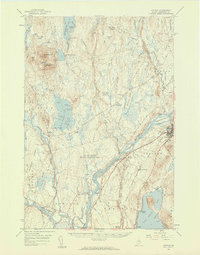 1957 Lincoln1959 Print · USGSPenobscot River towns and the Maine woods are captured here in the late fifties, showing the vital rail-and-river corridor. Genealogists and historians can trace rail lines like the Maine Central, locate the Fairfield Sch, and find the remote Mattamiscontis Club Camp.3 unique versions available
 - 1958 Map of Millinocket
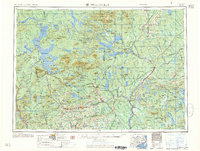 1958 Millinocket1958 Print · USGSMaine's North Woods and the Penobscot river valley are captured here in the mid-1950s, showing a landscape of timber, rail, and wild waters. Researchers can trace the legacy of the Canadian Pacific railroad and find historic settlements like Millinocket, Sherman Station, and Mattawamkeag.
 - 1960 Map of Millinocket
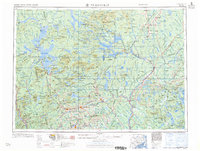 1960 Millinocket1960 Print · USGSThe Maine North Woods and Penobscot River valley are captured at mid-century during the height of the paper milling era. Researchers can trace the Appalachian Trail near Mount Katardin or locate family roots in towns like Dover-Foxcroft and Milo.3 unique versions available
 - 1975 Map of Lincoln SW, 1980 Print
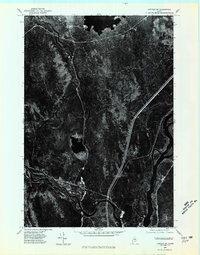 1975 Lincoln SW1980 Print · USGSThe river-driven landscape of central Maine is captured in the mid-seventies, showing the intersection of heavy timberland and critical water routes. Researchers can trace the winding course of the Piscataquis River as it joins the Penobscot River near the edge of Cold Stream Lake.
 - 1978 Map of Lagrange, 1981 Print
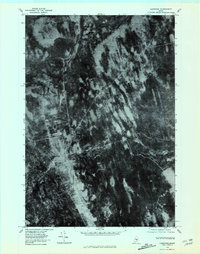 1978 Lagrange1981 Print · USGSPenobscot County in the late 1970s is shown through high-altitude aerial imagery, capturing the rural landscape between settlements. Researchers can trace the layout of Lagrange and Medford Center and follow the paths of Hemlock and Birch through the woods.
 - 1978 Map of Hardy Pond, 1981 Print
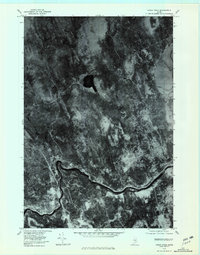 1978 Hardy Pond1981 Print · USGSMaine's forested interior along the Piscataquis River is captured here in the late seventies. Researchers can trace the layout of Medford and Medford Center or follow the waters of Hardy Pond and Schoodic Stream.
 - 1983 Map of Lagrange, 1984 Print
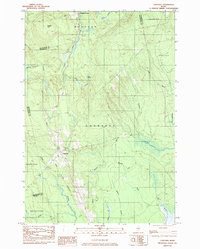 1983 Lagrange1984 Print · USGSPenobscot County in the early eighties shows a landscape of timberlands and stream networks centered on the village of Lagrange. Trace the path of the Bangor and Aroostook railroad as it passes Paddy Hill and crosses Cold Stream.
 - 1985 Map of Lincoln, 1994 Print
 1985 Lincoln1994 Print · USGSPenobscot County in the mid-eighties remains a landscape of river-based commerce and sprawling timberlands connected by rail. You can trace the historic paths of the Maine Central RR and Canadian Pacific RR or locate rural sites like Enfield Station and the Winn Cem.
 - 1986 Map of Lincoln
 1986 Lincoln1986 Print · USGSMid-century Maine settlement and industry converge along the Penobscot and Piscataquis rivers during the 1980s. Researchers can trace the rail networks of the Maine Central and Bangor and Aroostook through towns like Howland and Milo.
 - 1988 Map of Hardy Pond
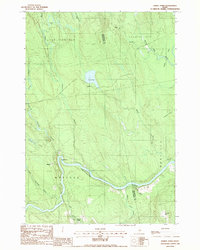 1988 Hardy Pond1988 Print · USGSThe Piscataquis River valley in the late 1980s reveals a landscape defined by expansive wetlands and quiet riverfront settlements. Genealogists and local historians can trace the foundations of Medford, Medford Center, and the remote village of Hardy along Hardy Pond.
 - 1988 Map of Seboeis
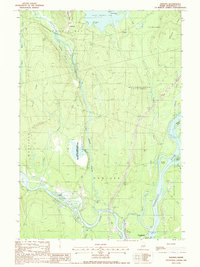 1988 Seboeis1988 Print · USGSThe confluence of the Penobscot and Piscataquis rivers serves as the focal point for this late-century survey of central Maine. Researchers can trace the landscape from Howland north through Seboeis Stream and find sites like the Cem and Whitney Ridge.
 - 2011 Map of Hardy Pond, 2011 Print
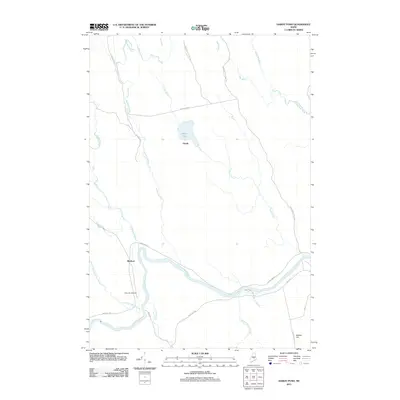 2011 Hardy Pond2011 Print · USGSPenobscot County’s riverine landscape is captured here in the early twenty-first century as the Piscataquis River winds past the town of Medford. Genealogists and local historians can locate the Schoodic Cemetery and trace remote routes like Thousand Acre Bog Rd.
 - 2011 Map of Seboeis, 2011 Print
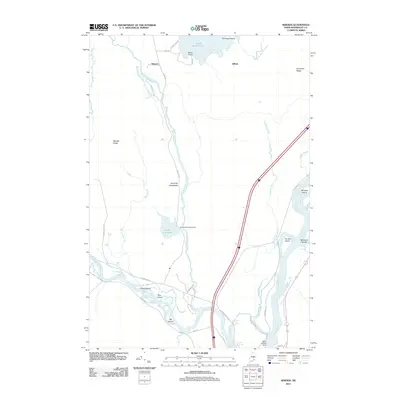 2011 Seboeis2011 Print · USGSPenobscot County at the confluence of two major rivers is documented here in the early twenty-first century. Researchers can trace the water-based economy and land use through landmarks like Pond Farm Pond Dam, the West Enfield Dam, and the distinct glacial Hoytville Horseback ridge.
 - 2011 Map of Lagrange, 2011 Print
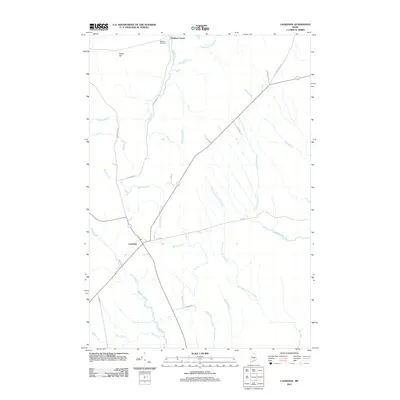 2011 Lagrange2011 Print · USGSLagrange and Medford Center appear in this early twenty-first-century survey of the Maine woods and wetlands. Researchers can trace family sites near the Medford Cemetery or map the complex drainage of Cold Stream and Birch Stream.
 - 2014 Map of Hardy Pond, 2014 Print
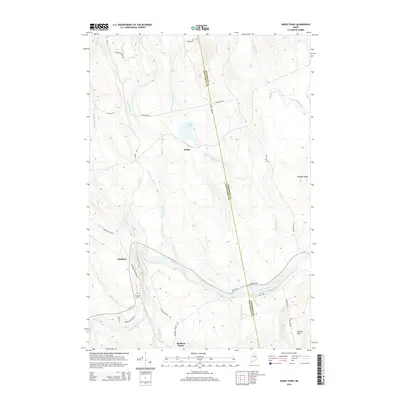 2014 Hardy Pond2014 Print · USGSMaine's interior river country near the Piscataquis and Penobscot county line is detailed here during the mid-2010s. Researchers can trace the legacy of local transport and settlement through the Abandoned Railroad Rd and the Schoodic Cem.
 - 2014 Map of Seboeis, 2014 Print
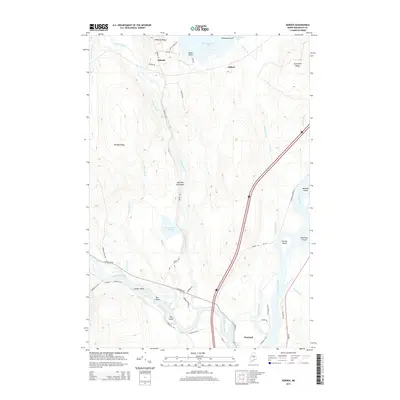 2014 Seboeis2014 Print · USGSMaine's river heartland comes alive in this study of the Penobscot and Piscataquis confluence. Genealogists and historians can trace the paths around Seboeis and Howland, or locate family landmarks along the Hoytville Horseback and Lowell Island.
 - 2014 Map of Lagrange, 2014 Print
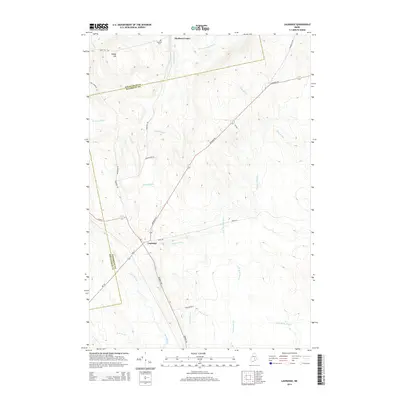 2014 Lagrange2014 Print · USGSLagrange and the surrounding Penobscot County timberlands are mapped here in the early twenty-first century. Genealogists and local historians can trace family-named landmarks like Paddy Hill and Medford Cem, or follow the winding courses of Birch Stream and Dead Stream.
 - 2018 Map of Lagrange, 2018 Print
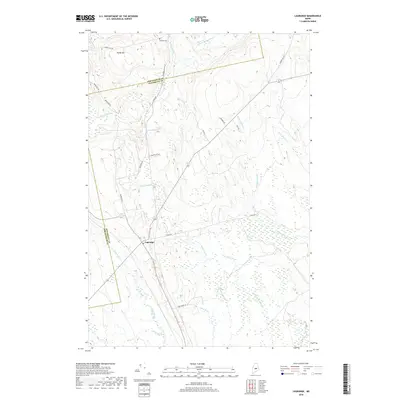 2018 Lagrange2018 Print · USGSPenobscot and Piscataquis counties meet in this 2018 survey of central Maine, showing a landscape defined by its complex drainage and rural routes. Genealogists and hikers can locate the Medford Cemetery and trace the paths of Birch Stream or Dead Stream through the wetlands.
Showing maps 1-25 of 33
Top cities near Maxfield
- Lincoln historical maps
- Milo historical maps
- Charleston historical maps
- Enfield historical maps
- Greenbush historical maps
- Bradford historical maps
See more
Frequently asked questions
- What are the different types of historical maps available for Maxfield?
- What is the oldest map of Maxfield?
- Where can I purchase historical maps of Maxfield for my home or office?
- Where can I download high-res historical maps of Maxfield?
- Are there historical topographic maps available for Maxfield?
- Is there historical aerial imagery available for Maxfield?
- Where are historical maps of Maxfield sourced from?