1900s (20th Century) Maps of T7 R16 WELS, Maine
Explore 17 historic maps of T7 R16 WELS from the 1900s (20th Century). These maps offer a rare glimpse into what life looked like during the 1900s — showing old roads, neighborhoods, homes, and landmarks that have changed or disappeared over time.
Whether you're researching your family's past, planning a metal detecting trip, or studying how T7 R16 WELS's landscape evolved across the 1900s, these high-resolution maps are a powerful tool for exploring the history of this region.
- Focus on a specific era: All maps on this page are from the 1900s, giving you a focused view of this time period.
- See what’s changed: Compare century-old streets, trails, and buildings to today's modern landscape using overlays and satellite layers.
- Research with precision: Use these maps for genealogy, historical research, land use analysis, or educational projects.
- View, download, or print: Maps are fully viewable online in high resolution, and can be downloaded or printed for your own records.
Start exploring T7 R16 WELS's history through authentic maps from the 1900s. This is your window into the past.
T7 R16 WELS, ME maps
(17)- 1954 Map of Baker Lake, 1955 Print
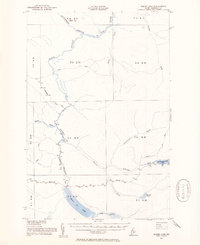 1954 Baker Lake1955 Print · USGSThe Maine North Woods in the early fifties are shown here as a remote timberland network along the St John River. You can trace the path of the Telephone Trail and locate specific backcountry water bodies like Baker Lake and St Francis Lake.
 - 1954 Map of Caucomgomoc Lake, 1955 Print
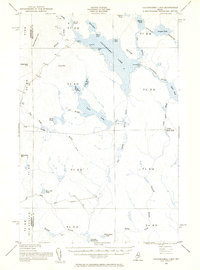 1954 Caucomgomoc Lake1955 Print · USGSThe Piscataquis County wilderness in the mid-fifties is captured here as a landscape of timber-driven waterways and remote outposts. Trace the logging infrastructure of the era through Caucomgomoc Dam, the Camp Ground, and the rugged peaks of Caucomgomoc Mtn.2 unique versions available
 - 1954 Map of Allagash Lake, 1955 Print
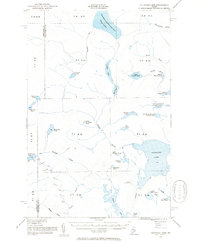 1954 Allagash Lake1955 Print · USGSNorthern Maine's remote timberlands are captured here in the mid-fifties, before modern roads reached these deep woods. Trace the wilderness waterways from Allagash Lake to the Allagash Lookout Tower and the remote St Francis Lake.2 unique versions available
 - 1954 Map of St. John Pond, 1955 Print
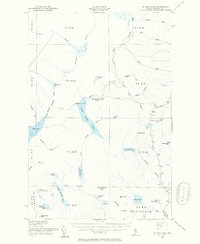 1954 St. John Pond1955 Print · USGSSomerset County’s deep woods are captured here during the mid-fifties, showing the rugged timberlands and headwaters of the North Branch Penobscot River. Researchers can trace early logging infrastructure like St John Pond Depot, the Canal, and fire lookouts atop Little Russell Mtn.2 unique versions available
 - 1954 Map of Presque Isle, 1968 Print
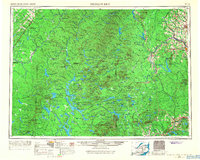 1954 Presque Isle1968 Print · USGSNorth Woods logging and rail history come alive in this mid-century survey of the Maine-Quebec borderlands. Genealogists and historians can trace the Bangor and Aroostook railroad through timber hubs like Ashland, Smyrna Mills, and Presque Isle.2 unique versions available
 - 1958 Map of Presque Isle
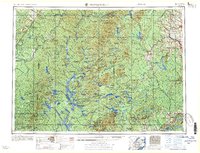 1958 Presque Isle1958 Print · USGSThe Aroostook timber and potato country is captured here during the late fifties, showing the vital rail-to-river network of Northern Maine. Genealogists and historians can trace the Bangor & Aroostook RR through Mapleton and Ashland, or locate remote sites like Chamberlain Farm and Seven Islands.
 - 1958 Map of Caucomgomoc Lake, 1961 Print
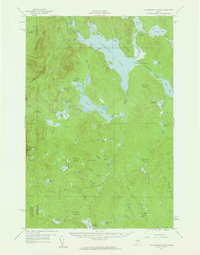 1958 Caucomgomoc Lake1961 Print · USGSThe Maine north woods are documented here in the late fifties, showing a remote landscape of unorganized townships and logging waterways. Genealogists and historians can trace timber-era landmarks like the Caucomgomoc Dam, the Campground at Rowe Cove, and Telephone Hill.4 unique versions available
 - 1958 Map of Saint John Pond, 1962 Print
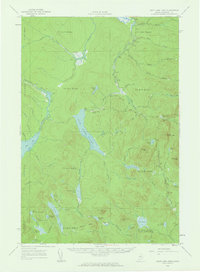 1958 Saint John Pond1962 Print · USGSThe Somerset County woods of the late fifties are captured here as a landscape of timber townships and remote water bodies. Researchers can trace early logging infrastructure at St John Pond Depot or locate the Lookout Tower on the slopes near Little Russell Mtn.2 unique versions available
 - 1960 Map of Presque Isle
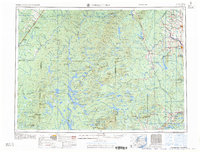 1960 Presque Isle1960 Print · USGSNorthern Maine during the mid-century was a land of timber, rails, and strategic airfields. Genealogists and historians can trace the growth of Presque Isle and Ashland or explore the remote northern reaches of Baxter State Park and Presque Isle AFB.3 unique versions available
 - 1961 Map of Allagash Lake, 1964 Print
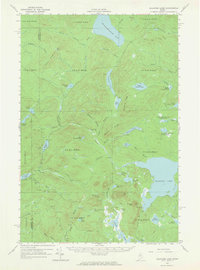 1961 Allagash Lake1964 Print · USGSThe Maine north woods in the early sixties remain a vast network of timberlands and interconnected waterways. Researchers can trace remote logging infrastructure and forestry outposts like the Lookout Tower on Allagash Mtn and the Forest Service Camp near Allagash Lake.3 unique versions available
 - 1962 Map of Baker Lake, 1964 Print
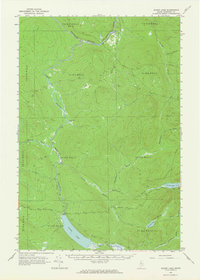 1962 Baker Lake1964 Print · USGSNorth Maine Woods townships were largely defined by timber and water during the early sixties. Researchers can trace remote logging infrastructure and river systems like the Baker Branch St John River, Baker Lake, and the Forest Service Camp.2 unique versions available
 - 1986 Map of Chamberlain Lake
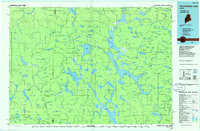 1986 Chamberlain Lake1986 Print · USGSThe Maine North Woods in the mid-eighties appear here as a land of protected wilderness and logging heritage, centered on the Allagash Wilderness Waterway. Researchers can trace the historic Tramway at Chamberlain Lake and locate old outposts like Churchill Depot.
 - 1989 Map of Spruce Brook
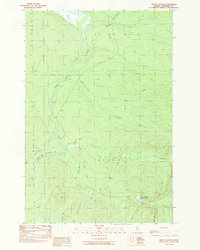 1989 Spruce Brook1989 Print · USGSThe North Woods of Somerset County are shown in the late eighties as a landscape of timber management and remote waterways. Researchers can trace the network of private roads and landmarks like Loon Stream Deadwater, Lost Pond, and the Shale Pit.
 - 1989 Map of Wadleigh Pond
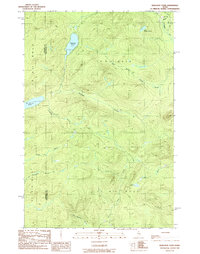 1989 Wadleigh Pond1989 Print · USGSNorthern Maine's remote township lands are captured here during the late 1980s, revealing a landscape of dense forests and vital waterways. Researchers can trace the network of logging roads and trails connecting Wadleigh Pond, St Francis Lake, and isolated campgrounds.
 - 1989 Map of Turner Pond
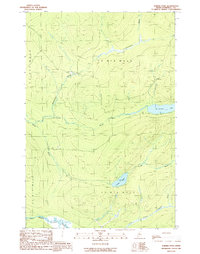 1989 Turner Pond1989 Print · USGSSomerset County’s northern timberlands are documented here in the late eighties, showing a landscape defined by private logging roads and the St John River. Researchers can trace the waterways of St Francis Lake, Turner Pond, and the aptly named Desolation Brook.
 - 1989 Map of Caucomgomoc Lake West
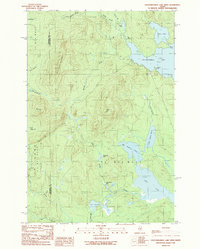 1989 Caucomgomoc Lake West1989 Print · USGSThe North Woods near the Somerset and Piscataquis county line remained a wilderness of timber and water in the late eighties. Researchers can trace the logging roads and trails connecting Caucomgomoc Lake, Caucomgomoc Mountain, and Loon Lake.
 - 1994 Map of Chamberlain Lake
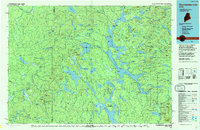 1994 Chamberlain Lake1994 Print · USGSThe North Maine Woods in the early nineties remained a network of logging outposts and protected waterways. You can trace the historic logging infrastructure at Churchill Depot, the portage at Tramway, and remote landings such as Telos Landing.
End of results
Showing maps 1-17 of 17
Frequently asked questions
- What are the different types of historical maps available for T7 R16 WELS?
- What is the oldest map of T7 R16 WELS?
- Where can I purchase historical maps of T7 R16 WELS for my home or office?
- Where can I download high-res historical maps of T7 R16 WELS?
- Are there historical topographic maps available for T7 R16 WELS?
- Is there historical aerial imagery available for T7 R16 WELS?
- Where are historical maps of T7 R16 WELS sourced from?