1900s (20th Century) Maps of Roque Bluffs, Maine
Explore 18 historic maps of Roque Bluffs from the 1900s (20th Century). These maps offer a rare glimpse into what life looked like during the 1900s — showing old roads, neighborhoods, homes, and landmarks that have changed or disappeared over time.
Whether you're researching your family's past, planning a metal detecting trip, or studying how Roque Bluffs's landscape evolved across the 1900s, these high-resolution maps are a powerful tool for exploring the history of this region.
- Focus on a specific era: All maps on this page are from the 1900s, giving you a focused view of this time period.
- See what’s changed: Compare century-old streets, trails, and buildings to today's modern landscape using overlays and satellite layers.
- Research with precision: Use these maps for genealogy, historical research, land use analysis, or educational projects.
- View, download, or print: Maps are fully viewable online in high resolution, and can be downloaded or printed for your own records.
Start exploring Roque Bluffs's history through authentic maps from the 1900s. This is your window into the past.
Roque Bluffs, ME maps
(18)- 1918 Map of Machias
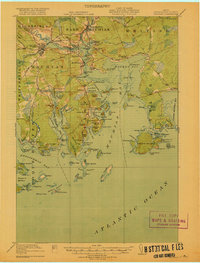 1918 Machias1918 Print · USGSThe Downeast coast of Washington County comes alive in the years during the Great War, showing the maritime and rail infrastructure that drove the regional economy. Genealogists and historians can trace family-named landmarks and old coastal outposts like Dog Town, Fort O'Brien Point, and the Cross Island L S S.5 unique versions available
 - 1921 Map of Columbia Falls
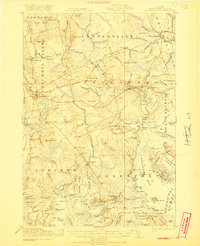 1921 Columbia Falls1921 Print · USGSCoastal Washington County at the start of the twenties reveals a landscape defined by tidal reaches and the Maine Central Railroad. Genealogists can locate family homes near Tibbetts Town, Jonesport, and numerous local schools like the White School or Monsapec School.4 unique versions available
 - 1941 Map of Columbia Falls, 1955 Print
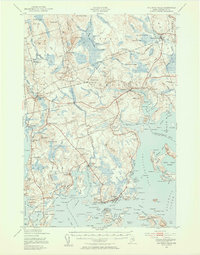 1941 Columbia Falls1955 Print · USGSThe Washington County coast was a bustling network of river-mouth towns and island villages during the early 1940s. Genealogists can locate family landmarks from Whitneyville to Jonesport, including local institutions like Flyingplace Sch and Cape Split Sch.3 unique versions available
 - 1941 Map of Machias, 1956 Print
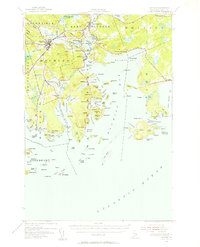 1941 Machias1956 Print · USGSThe rugged Washington County coastline at the start of the 1940s reveals a world defined by the Maine Central railroad and tidal waters. Genealogists and historians can trace family-named landmarks such as Hoyttown, Dog Town, and the defensive site at Fort O'Brien Point.3 unique versions available
 - 1942 Map of Columbia Falls
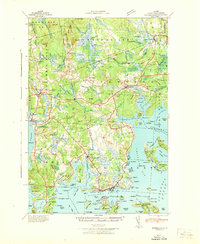 1942 Columbia Falls1942 Print · USGSCoastal Washington County appears just before the mid-century as a network of fishing villages and rail stops. Genealogists can trace family landmarks and schools like Tibbettsown, Peasley Corners, and the Lower Eastside Sch along the Indian River.
 - 1948 Map of Jonesport, 1965 Print
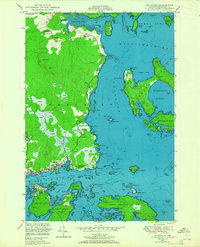 1948 Jonesport1965 Print · USGSCoastal Washington County comes alive in the late 1940s, showing the intricate wharves and island reaches of the Downeast shore. Genealogists can trace family homesteads near West Jonesport, Greenwood Cem, and the Upper Bay District Sch.3 unique versions available
 - 1948 Map of Roque Bluffs, 1969 Print
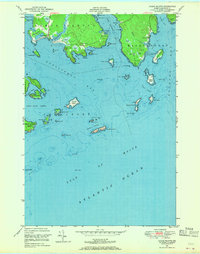 1948 Roque Bluffs1969 Print · USGSThe Washington County coast is charted here in the years following World War II, showing a shoreline of rocky points and scattered island chains. Genealogists and coastal historians can trace family-named sites like Shoppee Island, Howard Point, and the settlement of Roque Bluffs.2 unique versions available
 - 1948 Map of Whitneyville, 1971 Print
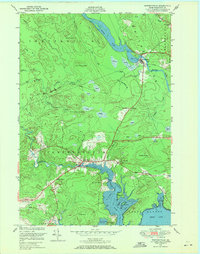 1948 Whitneyville1971 Print · USGSCoastal Washington County comes alive in the late 1940s, showing a landscape defined by tidal rivers and glacial ridges. Genealogists and local historians can locate the White School, trace the banks of the Machias River, and explore named landmarks like Kilton Mtn.3 unique versions available
 - 1949 Map of Machias, 1962 Print
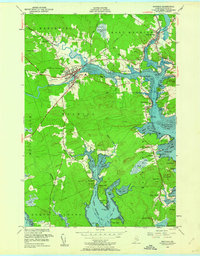 1949 Machias1962 Print · USGSThe Machias area in the late 1940s reflects a classic Maine coastal economy centered on the river and bay. Trace family roots at the Washington State Normal School or explore the waterfronts of Machiasport Station and Bucks Harbor.5 unique versions available
 - 1951 Map of Machias
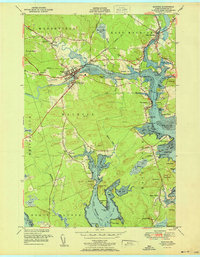 1951 Machias1951 Print · USGSCoastal Washington County is captured here in the early fifties, showing the vital rail-and-sea connections of Machias. Genealogists and historians can trace family locations in Dog Town, locate the Longfellow Cem, or explore the grounds of Fort O'Brien Pt.
 - 1951 Map of Whitneyville
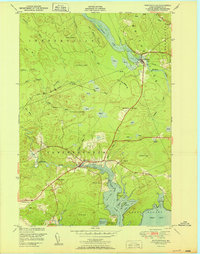 1951 Whitneyville1951 Print · USGSThe coastal inlets and timberlands of Washington County come alive in this mid-century survey of Jonesboro and Whitneyville. Researchers can trace the path of the Maine Central railroad and locate old landmarks like the White School or Mt Misery.
 - 1951 Map of Jonesport
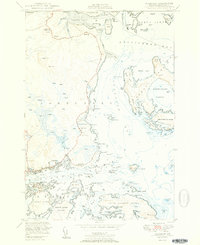 1951 Jonesport1951 Print · USGSCoastal Washington County at mid-century reveals a landscape of seafaring villages and intricate tidal waterways. Researchers can trace genealogical roots through landmarks like the Kelley School, Greenwood Cem, and the settlement of Monsonpec.2 unique versions available
 - 1951 Map of Roque Bluffs
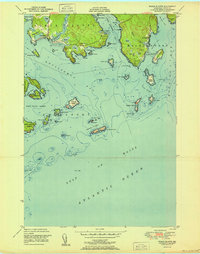 1951 Roque Bluffs1951 Print · USGSThe Maine coastline near Roque Bluffs appears here in the early fifties, showing a maritime landscape of intricate bays and isolated islands. Researchers can trace coastal landmarks like Starboard, the heights of Johnson Mtn, and the dangerous shoals around The Brothers.
 - 1961 Map of Eastport
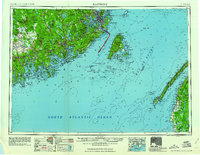 1961 Eastport1961 Print · USGSThe maritime borderlands of Maine and New Brunswick are captured here in the early sixties, showing a world defined by the Bay of Fundy. Researchers can trace the Maine Central Railroad to Machiasport or explore remote island villages like Grand Harbour and Welchpool.
 - 1969 Map of Eastport
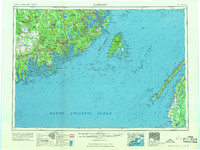 1969 Eastport1969 Print · USGSThe maritime borderlands of Washington County and New Brunswick appear in detail during the late sixties. Researchers can trace historic rail lines like the Maine Central Railroad and explore coastal settlements from Machias to St. Andrews.
 - 1976 Map of Eastport
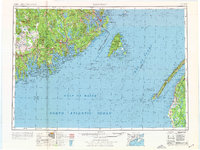 1976 Eastport1976 Print · USGSThe maritime borderlands of Maine and Nova Scotia come alive in this mid-seventies survey of the Downeast coast. Genealogists and historians can trace the shoreline settlements of Eastport, Lubec, and Machias, or cross the channel to find Acadian villages like Church Point and Meteghan Centre.
 - 1985 Map of Machias, 1986 Print
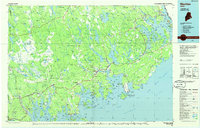 1985 Machias1986 Print · USGSThe Downeast coast of Maine in the 1980s reveals a landscape of deep-water bays, tidal rivers, and isolated timberlands. Researchers can trace the Maine Central rail line and locate coastal landmarks from Leighton Point to the U.S. Naval Radio Station.
 - 1994 Map of Machias
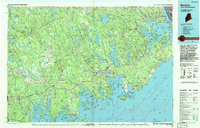 1994 Machias1994 Print · USGSThe Downeast coast of Maine in the 1990s is captured here, from the Narraguagus River to the Canadian border. Genealogists and historians can trace coastal settlements like Jonesboro and Addison or locate the U.S. Naval Radio Station and Moosehorn National Wildlife Refuge.
End of results
Showing maps 1-18 of 18
Top cities near Roque Bluffs
- Machias historical maps
- East Machias historical maps
- Jonesport historical maps
- Addison historical maps
- Machiasport historical maps
- Jonesboro historical maps
See more
Frequently asked questions
- What are the different types of historical maps available for Roque Bluffs?
- What is the oldest map of Roque Bluffs?
- Where can I purchase historical maps of Roque Bluffs for my home or office?
- Where can I download high-res historical maps of Roque Bluffs?
- Are there historical topographic maps available for Roque Bluffs?
- Is there historical aerial imagery available for Roque Bluffs?
- Where are historical maps of Roque Bluffs sourced from?