Old Maps of Poolesville, Maryland for Metal Detecting
Plan your next treasure hunt with 29 historic maps of Poolesville. Find old homesites, ghost towns, trails, and gathering spots that may be lost to time — perfect for identifying promising metal detecting locations.
- Locate forgotten sites: Uncover places like long-lost settlements, abandoned rail lines, or gathering spots.
- Plan better hunts: Use map overlays combined with LiDAR or satellite views to narrow in on historically rich areas.
- Made for detectorists: Thousands of hobbyists use these maps to discover relics, coins, and hidden history.
Use these historic maps to boost your research and find new opportunities beneath the surface of Poolesville.
Poolesville, MD maps
(29)- 1893 Map of Frederick
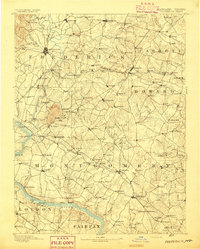 1893 Frederick1893 Print · USGSMaryland's Piedmont region at the end of the nineteenth century reveals a landscape defined by the Potomac River and the rise of rail transit. Researchers can trace the path of the Chesapeake and Ohio Canal or locate local hubs like Poolesville and Buckeystown.
 - 1894 Map of Frederick
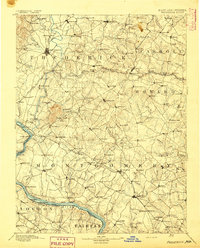 1894 Frederick1894 Print · USGSMaryland's Piedmont region in the late nineteenth century was a complex network of river crossings and railway junctions. Researchers can trace the path of the Baltimore & Ohio R. R. past Sugar Loaf Mtn. and locate historic river sites like Nolands Ferry.5 unique versions available
 - 1908 Map of Seneca
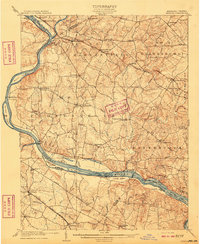 1908 Seneca1908 Print · USGSThe Potomac River valley at the turn of the century shows a vital landscape of canal commerce and emerging rail lines. Genealogists and historians can trace family-named sites across the Maryland-Virginia border, from Poolesville to river crossings at Whites Ferry and Edwards Ferry.7 unique versions available
 - 1944 Map of Poolesville
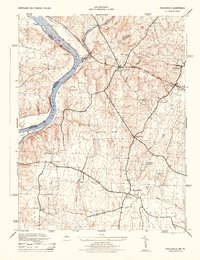 1944 Poolesville1944 Print · USGSMaryland's agricultural heartland and the Potomac riverfront are detailed here during the mid-1940s, just as the rural landscape began its modern shift. Researchers can trace the path of the Chesapeake and Ohio Canal and locate old crossroads at Beallsville, Poolesville, and Jerusalem.2 unique versions available
 - 1944 Map of Seneca, 1963 Print
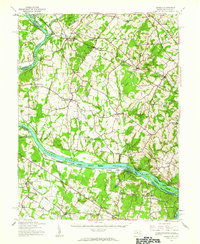 1944 Seneca1963 Print · USGSUpper Montgomery County and the Potomac River valley are captured here just before the expansion of the D.C. suburbs. Researchers can trace the legacy of river commerce and rail travel through the Chesapeake and Ohio Canal, the Monocacy Aqueduct, and the Baltimore and Ohio RR line.
 - 1948 Map of Baltimore
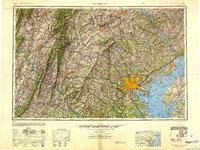 1948 Baltimore1948 Print · USGSMaryland and Pennsylvania crossroads are captured in the late 1940s, showing a landscape defined by historic rail lines and major military installations. Genealogists can trace family connections in Gettysburg, Westminster, and near the U.S. Naval Academy in Annapolis.2 unique versions available
 - 1952 Map of Sterling, 1954 Print
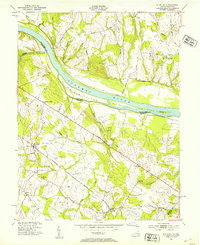 1952 Sterling1954 Print · USGSLoudoun County, Virginia, and the Maryland riverfront are captured here in the early 1950s. Genealogists and rail historians can trace the Washington and Old Dominion line through Ashburn and locate landmarks like St Pauls Ch and Nokes Sch.3 unique versions available
 - 1952 Map of Poolesville, 1954 Print
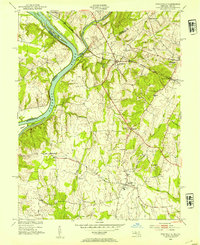 1952 Poolesville1954 Print · USGSMontgomery County was still primarily a landscape of rail-stops and river-crossings in the early fifties. Local historians can trace the intersection of the Baltimore and Ohio railroad with rural life at Dickerson and Barnesville.3 unique versions available
 - 1954 Map of Baltimore
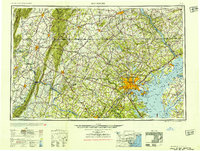 1954 Baltimore1954 Print · USGSThe Mid-Atlantic region in the early fifties shows a landscape of growing suburban centers and heavy rail corridors. Trace mid-century transit networks and military landmarks from the Aberdeen Proving Ground to the Gettysburg National Military Park.
 - 1956 Map of Baltimore
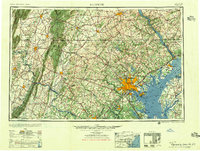 1956 Baltimore1956 Print · USGSMid-century Maryland and Pennsylvania are captured here during a period of massive suburban and military growth across the Chesapeake region. Genealogists and historians can trace the rail corridors of the Baltimore & Ohio RR and locate landmarks like Fort McHenry or the Aberdeen Proving Ground.
 - 1957 Map of Baltimore, 1964 Print
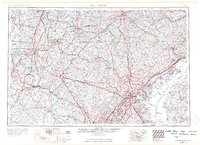 1957 Baltimore1964 Print · USGSMaryland and Southern Pennsylvania are shown during the mid-century expansion of the Baltimore-Washington corridor. Researchers can trace the extensive rail lines of the Baltimore & Ohio RR and locate sites like Fort Detrick and Gettysburg National Military Park.5 unique versions available
 - 1961 Map of Baltimore
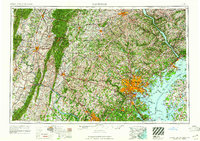 1961 Baltimore1961 Print · USGSMaryland and Pennsylvania are captured at a mid-century peak of industrial and military expansion. Genealogists and historians can trace rail corridors like the Western Maryland Ry or locate regional landmarks such as Camp Detrick and Kent Island.
 - 1968 Map of Sterling, 1970 Print
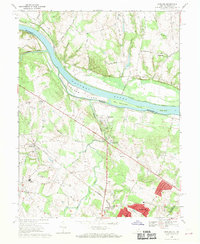 1968 Sterling1970 Print · USGSLoudoun County underwent a period of significant growth in the late sixties as residential subdivisions began to appear alongside the Potomac. Genealogists and historians can trace the transition from rural to suburban by locating Sterling Park, St Pauls Ch, and the abandoned rail line through Ashburn Junction.4 unique versions available
 - 1970 Map of Poolesville, 1972 Print
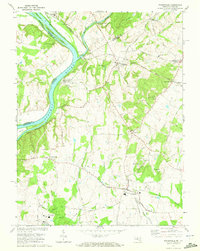 1970 Poolesville1972 Print · USGSUpper Montgomery County and the Potomac River shoreline are detailed here in the 1970s, showcasing a landscape of historic canal engineering and rural crossroads. You can trace the Chesapeake and Ohio Canal to the Monocacy Aqueduct or find local landmarks like Elijah Ch and Mt Pleasant Cem.2 unique versions available
 - 1984 Map of Frederick, 1985 Print
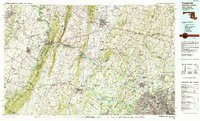 1984 Frederick1985 Print · USGSMaryland's Piedmont and the Potomac River valley are shown here in the mid-eighties as suburban growth began to meet historic rural landscapes. Genealogists and historians can trace the paths of the Baltimore and Ohio RR or locate the boundaries of Antietam National Battlefield and Fort Detrick.
 - 1988 Map of Poolesville, 1996 Print
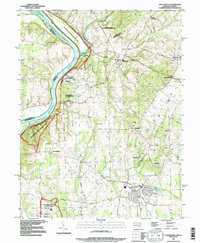 1988 Poolesville1996 Print · USGSUpper Montgomery County and the Potomac River corridor are captured here in the late eighties, showing a landscape defined by historic canal engineering and rural crossroads. Researchers can trace the C & O Canal National Historic Park and the Monocacy Aqueduct alongside old settlements like Jerusalem and Beallsville.
 - 1989 Map of Baltimore
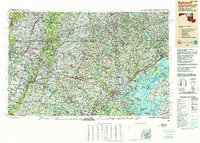 1989 Baltimore1989 Print · USGSThe Mid-Atlantic corridor in the late eighties is captured here, from the Baltimore harbor to the Blue Ridge foothills. Researchers can trace the sprawling footprints of Aberdeen Proving Ground, the historic grounds of Gettysburg National Military Park, and the winding Susquehanna River.
 - 1994 Map of Sterling, 1998 Print
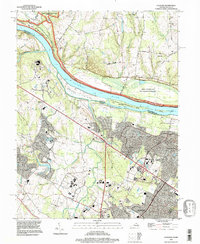 1994 Sterling1998 Print · USGSLoudoun County underwent significant suburban expansion in the mid-nineties as traditional farms gave way to modern residential corridors. Researchers can trace this growth from Sterling to Ashburn Junction, while locating historical features like the W & O D Trail and Selden Island.
 - 1995 Map of Poolesville, 1997 Print
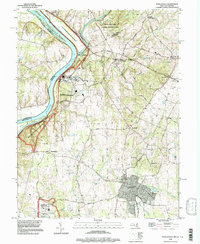 1995 Poolesville1997 Print · USGSUpper Montgomery County during the mid-1990s reflects a landscape of river-bend history and rural preservation. Genealogists and historians can trace the foundations of Poolesville, locate old burials at Mt Pleasant Cem, and follow the historic Towpath along the Potomac.
 - 2011 Map of Sterling, 2011 Print
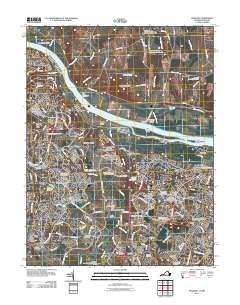 2011 Sterling2011 Print · USGSNorthern Virginia undergoes significant suburban expansion in this early 2000s study of the Loudoun County corridor. Researchers can trace the development of planned communities like Ashburn Village alongside landmarks like Redskins Park and Belmont Chapel.
 - 2011 Map of Poolesville, 2011 Print
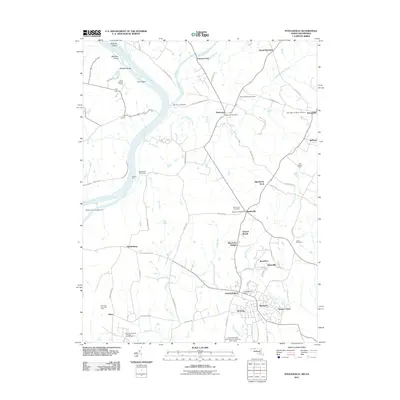 2011 Poolesville2011 Print · USGSUpper Montgomery County thrives as a rural corridor in 2011, where the Potomac and Monocacy Rivers meet. Genealogists and local historians can trace legacy land tracts and crossroads from Elizabeths Delight to the Monocacy Aqueduct and the Monocacy Cemetery.
 - 2013 Map of Sterling, 2013 Print
 2013 Sterling2013 Print · USGSLoudoun County is shown in a period of intense suburban development just after the millennium. Researchers can trace the growth of Ashburn Village and Sterling Park alongside landmarks like Selden Island and Broad Run Farms.
 - 2014 Map of Poolesville, 2014 Print
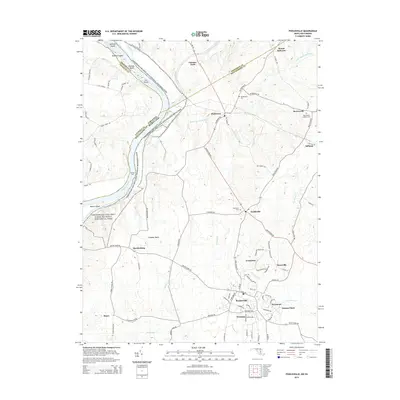 2014 Poolesville2014 Print · USGSThe rural heart of Montgomery County and the Potomac riverfront are captured here in the early twenty-first century. Genealogists and local historians can locate established burial grounds like Monocacy Cem and trace the historic settlements of Poolesville, Beallsville, and Jerusalem.
 - 2016 Map of Sterling, 2016 Print
 2016 Sterling2016 Print · USGSLoudoun County and the Potomac River corridor are shown during a period of intense suburban growth in the mid-2010s. Researchers can trace local heritage at Saint Paul Community Cem, the Broad Run Aqueduct, and the historical crossing at Broad Run Bridge.
 - 2016 Map of Poolesville, 2016 Print
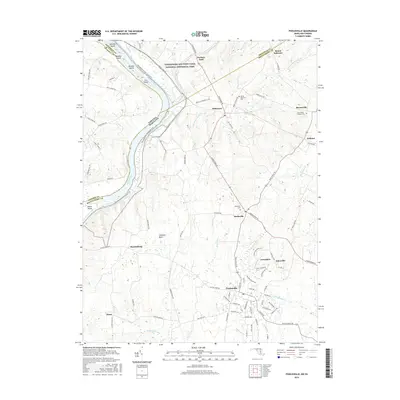 2016 Poolesville2016 Print · USGSMontgomery County’s rural heritage is well-preserved in this modern survey of the Potomac River borderlands. Genealogists and historians can locate family sites in Poolesville and Barnesville or trace the paths of Monocacy Cem and the Chesapeake & Ohio Canal Trail.
Showing maps 1-25 of 29
Top cities near Poolesville
- Germantown historical maps
- Gaithersburg historical maps
- Rockville historical maps
- Reston historical maps
- Leesburg historical maps
- Oak Hill historical maps
See more
Top neighborhoods of Poolesville
- Jerusalem historical maps
- Seneca Chase historical maps
- Wesmond historical maps
- Westerly historical maps
Frequently asked questions
- What are the different types of historical maps available for Poolesville?
- What is the oldest map of Poolesville?
- Where can I purchase historical maps of Poolesville for my home or office?
- Where can I download high-res historical maps of Poolesville?
- Are there historical topographic maps available for Poolesville?
- Is there historical aerial imagery available for Poolesville?
- Where are historical maps of Poolesville sourced from?