Old Maps of Bourne, Massachusetts for Metal Detecting
Plan your next treasure hunt with 68 historic maps of Bourne. Find old homesites, ghost towns, trails, and gathering spots that may be lost to time — perfect for identifying promising metal detecting locations.
- Locate forgotten sites: Uncover places like long-lost settlements, abandoned rail lines, or gathering spots.
- Plan better hunts: Use map overlays combined with LiDAR or satellite views to narrow in on historically rich areas.
- Made for detectorists: Thousands of hobbyists use these maps to discover relics, coins, and hidden history.
Use these historic maps to boost your research and find new opportunities beneath the surface of Bourne.
Bourne, MA maps
(68)- 1886 Map of Falmouth
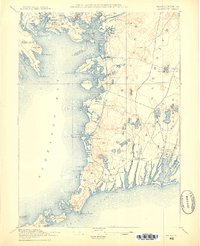 1886 Falmouth1886 Print · USGSThe Cape Cod peninsula during the late nineteenth century shows a landscape transitioning between maritime tradition and rail-driven growth. Genealogists can trace family footprints in Waquoit Village, Teaticket, and Menauhant while following the Old Colony Railroad corridor.
 - 1886 Map of Plymouth
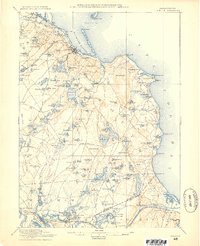 1886 Plymouth1886 Print · USGSThe South Shore and Cape Cod gateway appear here at a moment of transition during the late nineteenth century. Trace family roots and old rail lines through Chiltonville and Manomet, or follow the early footprint of the Cape Cod Canal.
 - 1888 Map of Falmouth
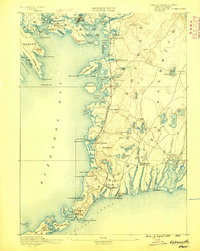 1888 Falmouth1888 Print · USGSThe Buzzards Bay coastline and upper Cape Cod are captured here in the late nineteenth century, documenting the critical arrival of the railroad. Researchers can trace the Old Colony Railroad to its terminus at Woods Holl or locate maritime landmarks like Wing's Neck Light.
 - 1889 Map of Plymouth
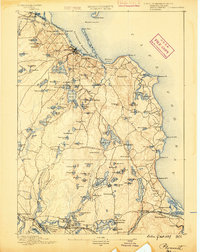 1889 Plymouth1889 Print · USGSCoastal Massachusetts at the close of the nineteenth century reveals a landscape of maritime trade and emerging rail corridors. Trace the historic routes of the Old Colony Railroad South Shore Branch and identify early settlement patterns in Plymouth, Chiltonville, and Wareham Centre.
 - 1893 Map of Falmouth
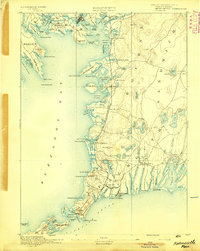 1893 Falmouth1893 Print · USGSCape Cod's western shore and the upper reaches of Buzzards Bay are captured here in the late nineteenth century as rail travel transformed the coast. Genealogists can trace family names at Waquoit Village or follow the Old Colony Railroad through Woods Holl and Falmouth Station.9 unique versions available
 - 1894 Map of Plymouth
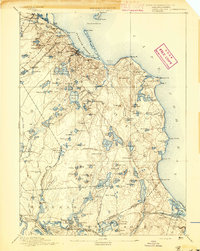 1894 Plymouth1894 Print · USGSCoastal Massachusetts at the end of the nineteenth century reveals a landscape of maritime commerce and kettle ponds. Trace the rail lines of the Old Colony Railroad and find early village sites like Wellingsly, Chiltonville, and Bournedale.9 unique versions available
 - 1915 Map of Falmouth, 1943 Print
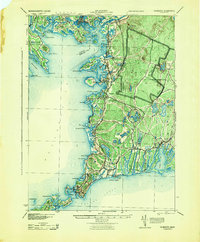 1915 Falmouth1943 Print · USGSUpper Cape Cod during the mid-forties reveals a landscape of growing military activity alongside traditional coastal villages. Genealogists and historians can trace the foundations of Camp Edwards and find historic post offices at Waquoit Village or Monument Beach.
 - 1920 Map of Falmouth
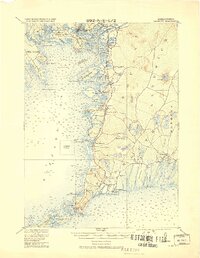 1920 Falmouth1920 Print · USGSCoastal Barnstable County comes to life in this post-war military survey of the Falmouth peninsula and its maritime approaches. Researchers can trace the Old Colony RR to Falmouth Station or locate landmarks like Nobska Point Light and Waquoit Village.
 - 1921 Map of Plymouth
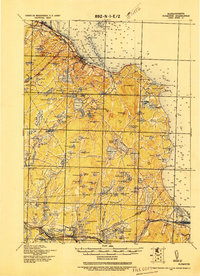 1921 Plymouth1921 Print · USGSThe Plymouth coast and its pond-strewn interior are shown in the early 1920s, featuring a dense network of maritime landmarks and rail lines. Genealogists can trace family names and locations near Chiltonville, White Horse Beach, and the Old Colony R.R. Plymouth Branch.
 - 1933 Map of Sagamore
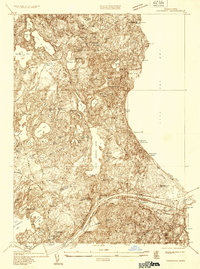 1933 Sagamore1933 Print · USGSThe Cape Cod shoreline and the recently completed canal define this area in the early 1930s. Researchers can trace the layout of coastal settlements like Sagamore Beach, locate the Indian Cem, and find industrial landmarks like Garland Bog.
 - 1935 Map of Wareham
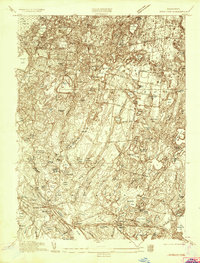 1935 Wareham1935 Print · USGSThe cranberry bogs and rail corridors of Plymouth County are captured here in the mid-1930s before modern development altered the hydraulic landscape. Genealogists and historians can trace family-named sites and industrial markers such as Tihonet, the Center Cem, and the path of the New York New Haven and Hartford railroad.
 - 1935 Map of Pocasset
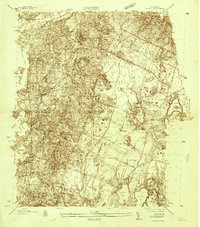 1935 Pocasset1935 Print · USGSThe Upper Cape coast and its military transition are captured in the mid-1930s, showing the early layout of Camp Edwards. Trace the coastal rail line through Pocasset Sta or locate family landmarks like the Tobey Cem and the State Pier.
 - 1936 Map of Onset
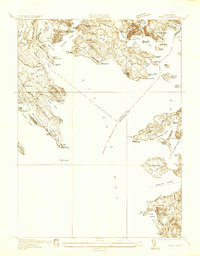 1936 Onset1936 Print · USGSCoastal Massachusetts at the height of the mid-thirties reveals a landscape of summer resorts and maritime life along Buzzards Bay. Genealogists and historians can trace old settlements like Onset or locate landmarks like Wings Neck Lighthouse and the Beverly Yacht Club.
 - 1939 Map of Wareham
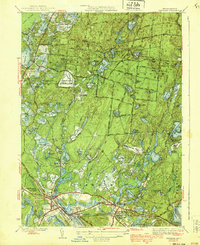 1939 Wareham1939 Print · USGSPlymouth County cranberry country and coastal industry are well-established in this late 1930s survey. Researchers can trace the New Haven RR through South Wareham or locate family plots near Parker Mills and the Cemetery.5 unique versions available
 - 1940 Map of Sagamore
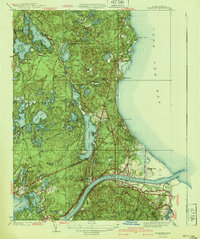 1940 Sagamore1940 Print · USGSThe Cape Cod Canal area in the 1940s reveals a maritime landscape transitioning toward modern infrastructure. Trace family roots and local history through Sagamore village, the Indian Cem, and the rail lines of the New York New Haven and Hartford.4 unique versions available
 - 1941 Map of Onset
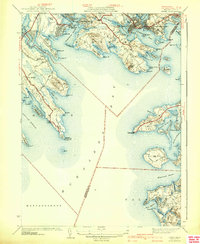 1941 Onset1941 Print · USGSCoastal Massachusetts at the start of the 1940s reveals a landscape of maritime recreation and local industry. Genealogists and historians can trace the development of Onset and East Marion, or locate landmarks like the Wings Neck Lighthouse and Agawam Cem.4 unique versions available
 - 1941 Map of Pocasset
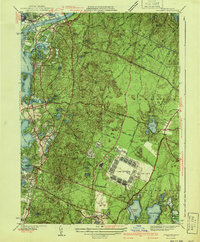 1941 Pocasset1941 Print · USGSCape Cod was undergoing significant military expansion in the early 1940s while maintaining its seaside character. Researchers can trace the layout of Camp Edwards and Otis Field alongside coastal villages like Cataumet and Monument Beach.2 unique versions available
 - 1942 Map of Cape Cod Bay
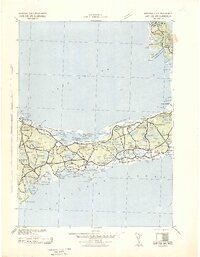 1942 Cape Cod Bay1942 Print · USGSThe mid-Cape and Outer Cape regions are shown here during the early war years, documenting a landscape of coastal villages and maritime trade. Researchers can trace family roots through old settlements like South Truro, find the grounds of Camp Edwards, or locate historic aids like Sandy Neck Light.
 - 1942 Map of New Bedford
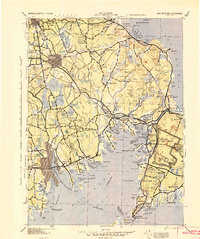 1942 New Bedford1942 Print · USGSSoutheastern Massachusetts at the start of the 1940s shows a region defined by maritime defense and industrial rail corridors. Genealogists and historians can trace the massive Camp Edwards boundary, old rail stops like Rock Station, and vanished local industry at Paper Mill Village.2 unique versions available
 - 1943 Map of Pocasset
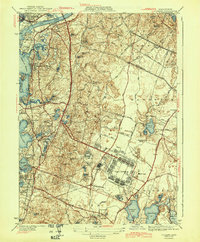 1943 Pocasset1943 Print · USGSCape Cod was undergoing a massive military transformation during the early forties, even as its traditional coastal villages remained intact. Researchers can trace the sprawling layout of Camp Edwards and Otis Field alongside local landmarks like Pocasset Sta and the Beaton Bog.2 unique versions available
 - 1943 Map of Plymouth
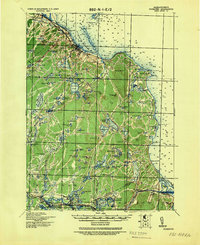 1943 Plymouth1943 Print · USGSThe coastal stretch from Plymouth to the Cape Cod Canal shows its wartime character here, when rail travel still connected these maritime towns. Genealogists can trace early homesteads and landmarks near Billington Sea, Manomet, and the Old Colony Railroad corridor.
 - 1946 Map of Pocasset
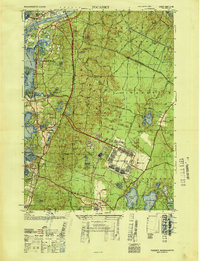 1946 Pocasset1946 Print · USGSThe Upper Cape is captured during the mid-forties, showing the massive military footprint of Camp Edwards alongside quiet coastal villages. Researchers can trace family-named locations like Bear Hollow Farm, the County Sanitorium, and the rail stop at Pocasset Sta.
 - 1946 Map of Wareham, 1957 Print
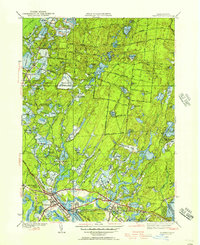 1946 Wareham1957 Print · USGSCranberry cultivation and state forest lands define this part of Plymouth County shortly after the war. You can trace the New Haven and Hartford RR as it passes through East Wareham, or locate traditional agricultural sites like Wankinco Cranberry Bog.
 - 1947 Map of Providence, 1948 Print
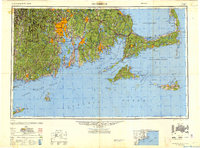 1947 Providence1948 Print · USGSSouthern New England is captured in the mid-1940s, showing a landscape defined by busy industrial ports and expanding military installations. Researchers can trace the rail lines of the N.Y. N.H. & H. RR or locate coastal defenses like Fort Adams and Quonset Point.5 unique versions available
 - 1948 Map of Providence, 1951 Print
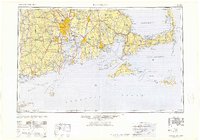 1948 Providence1951 Print · USGSSouthern New England’s coastal reaches are captured here in the late 1940s, from the industrial heart of Providence to the tip of Provincetown. Genealogists and historians can trace rail lines like the Central Vermont Railway and locate active military sites such as Otis Air Force Base and Fort Rodman.
Showing maps 1-25 of 68
Top cities near Bourne
- Plymouth historical maps
- Falmouth historical maps
- Wareham historical maps
- Sandwich historical maps
- Mashpee historical maps
- Kingston historical maps
See more
Top neighborhoods of Bourne
- Patuisset historical maps
- Amrita historical maps
- Sagamore historical maps
- Sagamore Beach historical maps
- Sagamore Highlands historical maps
- Bourne Corners historical maps
See more
Frequently asked questions
- What are the different types of historical maps available for Bourne?
- What is the oldest map of Bourne?
- Where can I purchase historical maps of Bourne for my home or office?
- Where can I download high-res historical maps of Bourne?
- Are there historical topographic maps available for Bourne?
- Is there historical aerial imagery available for Bourne?
- Where are historical maps of Bourne sourced from?