Old Maps of Marshfield, Massachusetts
Explore 64 old maps of Marshfield, spanning from 1885 to today. These high-resolution historic maps reveal how streets, neighborhoods, landmarks, and natural features evolved over time — perfect for genealogy, metal detecting, research, and local history exploration.
What you can do with these maps:
- See how Marshfield changed over time: Compare historical maps to modern-day views to trace roads, homesites, rail lines & more.
- View detailed metadata: Each map includes creators, publishers, year, scale, and archive source.
- Overlay maps with satellite & LiDAR: Visualize the past alongside modern tools to explore terrain & human change.
- Trusted historical sources: Maps sourced from the USGS, Library of Congress, and other archives.
- Access maps your way: View online, download high-res files, or order prints for personal or research use.
Start exploring old maps of Marshfield to uncover forgotten places, hidden landmarks, and the deep history beneath your feet.
Marshfield, MA maps
(64)- 1885 Map of Abington
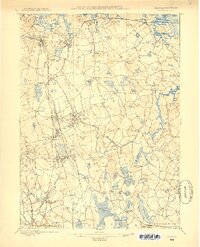 1885 Abington1885 Print · USGSCoastal Plymouth County villages and the early rail network are frozen in time just before the turn of the century. Genealogists can trace family footprints from the maritime hubs of Scituate Harbor to inland junctions like Queen Ann Corners and Weymouth Landing.
 - 1885 Map of Duxbury
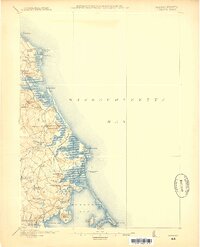 1885 Duxbury1885 Print · USGSThe South Shore's coastal villages and early rail lines are meticulously documented here in the late nineteenth century. Genealogists and historians can trace the Old Colony Railroad stops at Duxbury Station or locate landmarks like the Standish Monument and Gurnet Lights.
 - 1888 Map of Duxbury
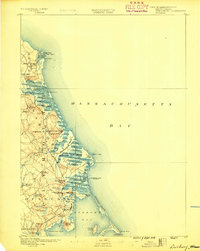 1888 Duxbury1888 Print · USGSCoastal Plymouth County in the late 1880s shows a landscape of salt marshes and rail-connected villages. Genealogists can locate family homes near the Old Colony Railroad or trace historical landmarks like the Standish Monument and Gurnet Point.
 - 1888 Map of Abington
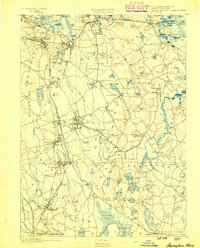 1888 Abington1888 Print · USGSCoastal Plymouth County thrives in the late 1880s as a hub of manufacturing and maritime trade connected by a dense rail network. Genealogists and historians can trace family-named sites like King Oak Hill or industrial landmarks such as the Iron Works and Old Spain.
 - 1893 Map of Abington
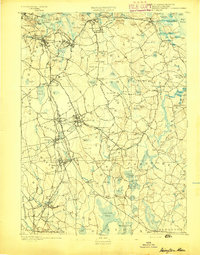 1893 Abington1893 Print · USGSCoastal and inland Massachusetts thrive at the peak of the rail era, where the Old Colony Railroad links maritime harbors to inland factory towns. You can trace 19th-century village life through local landmarks like Weymouth Landing, Queen Ann Corners, and the Old Oaken Bucket Homestead.9 unique versions available
 - 1893 Map of Duxbury
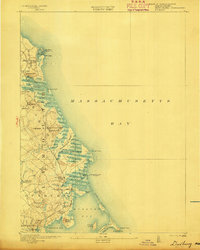 1893 Duxbury1893 Print · USGSThe South Shore's maritime and rail landscape is captured here in the late 1800s, showing a coastline defined by salt marshes and ocean industry. Trace the Old Colony Railroad through Marshfield or locate the transatlantic Telegraph Cable to Brest.7 unique versions available
 - 1918 Map of Duxbury
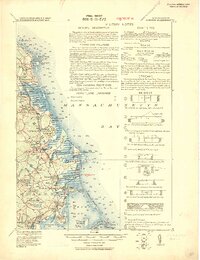 1918 Duxbury1918 Print · USGSThe Plymouth County coast is captured during the Great War era in this detailed military study of its shorelines and rail hubs. Trace maritime landmarks like Gurnet Lights and the Old Tower, or find local industrial history at the Saw Mill and Furnace.2 unique versions available
 - 1920 Map of Abington
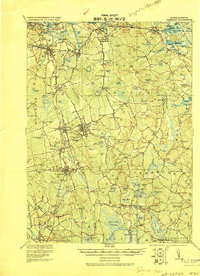 1920 Abington1920 Print · USGSThe South Shore was a bustling network of rail and industry at the end of the Great War. You can trace the path of the Hanover Branch and Old Colony RR, or find historic sites like the Old Oaken Bucket Homestead and Weymouth Landing.
 - 1935 Map of Hanover
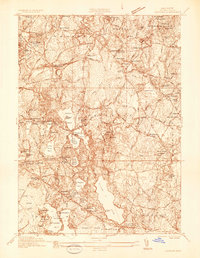 1935 Hanover1935 Print · USGSThe northern Plymouth County ponds and woodlands are shown here in the mid-1930s as industry and early leisure began to reshape the landscape. Genealogists can trace family plots at Magoun Cem and Pine Grove Cemetery, or locate historic hubs like Schoosett and Curtis Crossing.
 - 1935 Map of Scituate
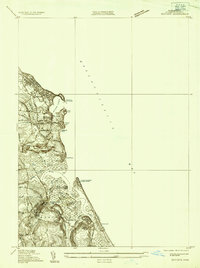 1935 Scituate1935 Print · USGSCoastal Plymouth County is captured here in the mid-1930s, showing a landscape of tidal marshes and maritime hubs. Genealogists can trace the rail-era footprint of Scituate Sta and Marshfield Hills Sta or locate coastal landmarks like Scituate Lighthouse.
 - 1936 Map of Cohasset
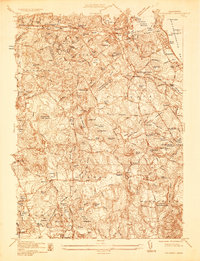 1936 Cohasset1936 Print · USGSThe South Shore's coastal towns and rail connections are captured here in the mid-1930s. Genealogists and historians can trace family-named sites like the Old Oaken Bucket Homestead or locate the Union Mission Chapel and the Curtis School during the railway era.
 - 1940 Map of Scituate
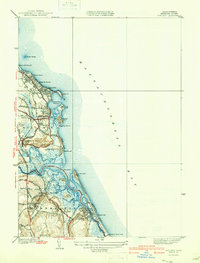 1940 Scituate1940 Print · USGSThe Plymouth County coast is captured in the late 1930s, documenting a landscape of seaside villages and tidal rivers. Researchers can trace the path of the New York New Haven and Hartford RR and find local landmarks like Union Cem and Fourth Cliff.4 unique versions available
 - 1940 Map of Hanover
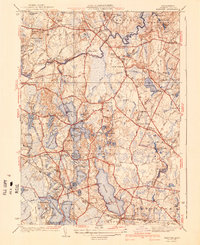 1940 Hanover1940 Print · USGSThe pond-strewn landscape of Plymouth County is captured here in the years before mid-century suburbanization. You can trace early schoolhouse locations like the Smith Sch, find ancestral plots in the Pine Grove Cem, and follow the old line of the New York New Haven and Hartford RR.3 unique versions available
 - 1941 Map of Duxbury
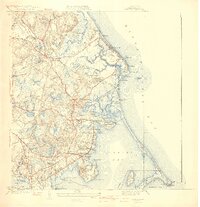 1941 Duxbury1941 Print · USGSCoastal Massachusetts at the start of the 1940s reveals a landscape rich in Pilgrim history and maritime tradition. Genealogists and historians can locate the Grave of Myles Standish, the John Alden House, and the Standish Monument.3 unique versions available
 - 1941 Map of Cohasset
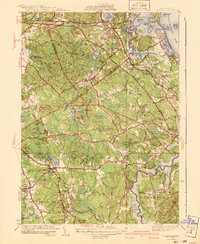 1941 Cohasset1941 Print · USGSCoastal Plymouth County in the mid-1930s reveals a landscape of tidal harbors, granite hills, and rail-side villages. Genealogists and local historians can trace family-named sites like Kings Landing, the Curtis Sch, and the Old Oaken Bucket Homestead Road.3 unique versions available
 - 1947 Map of Scituate, 1958 Print
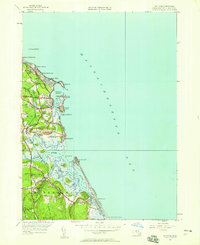 1947 Scituate1958 Print · USGSCoastal Plymouth County in the late 1940s reveals a landscape of tidal marshes and seaside villages. Genealogists and historians can trace the early layout of Scituate Harbor, the New York New Haven and Hartford rail line, and local landmarks like Union Cem.
 - 1947 Map of Cohasset, 1958 Print
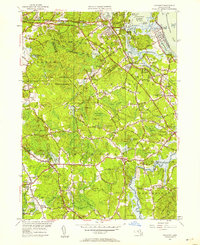 1947 Cohasset1958 Print · USGSThe Massachusetts South Shore is captured here in the late 1940s, balancing its historic seafaring roots with early postwar growth. Researchers can trace family sites from Assinippi to North Scituate, including landmarks like Lawson Tower and the Old Oaken Bucket Homestead.
 - 1947 Map of Duxbury, 1958 Print
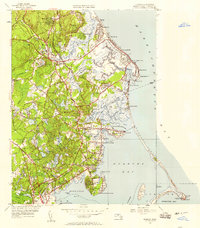 1947 Duxbury1958 Print · USGSCoastal Massachusetts is captured here in the late 1940s, showing a landscape defined by colonial heritage and maritime industry. Genealogists and historians can locate significant family sites like the John Alden House, Mayflower Cem, and the Daniel Webster House.
 - 1948 Map of Boston
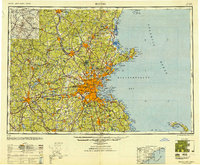 1948 Boston1948 Print · USGSEastern Massachusetts and southern New Hampshire appear at an industrial peak in the late 1940s, just as suburban growth began to accelerate. Genealogists and historians can trace rail lines like the Boston and Albany RR or locate coastal landmarks like Graves Lighthouse and Fort Devens.2 unique versions available
 - 1948 Map of Hanover, 1956 Print
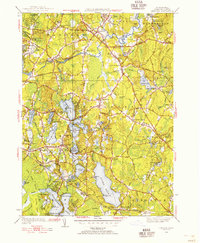 1948 Hanover1956 Print · USGSMid-century Plymouth County is captured here at a time when the rail-and-river economy still shaped life in Hanover and Pembroke. Genealogists can locate family sites near Lady of the Lake Ch, Fern Hill Cem, or the old Thomas Sch.2 unique versions available
 - 1953 Map of Duxbury, 1954 Print
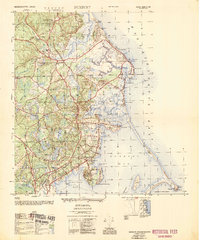 1953 Duxbury1954 Print · USGSThe South Shore of Massachusetts appears here in the early fifties, caught between its deep colonial roots and its growth as a coastal destination. Genealogists and historians can trace family sites like the John Alden House and the Burying Ground.
 - 1956 Map of Boston, 1967 Print
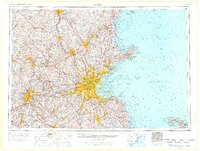 1956 Boston1967 Print · USGSThe Massachusetts coastline and industrial interior are seen here during the mid-century peak of suburban and highway expansion. Researchers can trace historic harbor defenses like Fort Revere, local landmarks such as Faneuil Hall, and the vast Parker River National Wildlife Refuge.6 unique versions available
 - 1958 Map of Boston
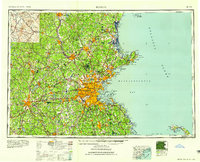 1958 Boston1958 Print · USGSEastern Massachusetts and southern New Hampshire are shown at the height of the industrial era, before the full expansion of the interstate system. Trace coastal defenses at Fort Warren, historic rail lines like the Boston and Maine, and the development of the Mass. 128 corridor.2 unique versions available
 - 1961 Map of Boston
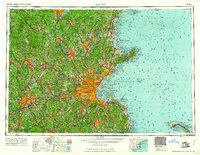 1961 Boston1961 Print · USGSThe Massachusetts coastline and its industrial interior are detailed here in the mid-twentieth century, from the Monadnock highlands to Cape Cod. Researchers can trace the rail routes of the Boston and Maine or locate landmarks like Fort Devens and the Wachusett Reservoir.2 unique versions available
 - 1961 Map of Duxbury, 1963 Print
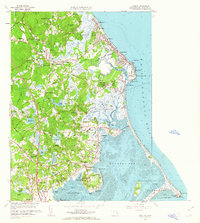 1961 Duxbury1963 Print · USGSThe Plymouth County coast in the early sixties reveals a landscape rich in Pilgrim history and maritime tradition. Trace early colonial roots at the John Alden House, the Standish Monument, and the iconic Plymouth Lighthouse on Gurnet Point.
Showing maps 1-25 of 64
Top cities near Marshfield
- Boston historical maps
- Plymouth historical maps
- Weymouth historical maps
- Bridgewater historical maps
- Hingham historical maps
- Pembroke historical maps
See more
Top neighborhoods of Marshfield
- Green Harbor historical maps
- Kent Park historical maps
- Little Bridge historical maps
- Marshfield Hills historical maps
- Ferry Hill historical maps
- North Marshfield historical maps
See more
Frequently asked questions
- What are the different types of historical maps available for Marshfield?
- What is the oldest map of Marshfield?
- Where can I purchase historical maps of Marshfield for my home or office?
- Where can I download high-res historical maps of Marshfield?
- Are there historical topographic maps available for Marshfield?
- Is there historical aerial imagery available for Marshfield?
- Where are historical maps of Marshfield sourced from?