Old Maps of Butler Township, Michigan for Academic Research
Study the evolution of Butler Township with 34 high-resolution historic maps. Whether you're teaching, researching, or modeling changes in land use, these maps provide essential visual documentation of urban, environmental, and geographic change.
- Analyze long-term change: Track patterns in development, transportation, and natural features.
- Ideal for environmental or urban studies: Support academic projects with primary historical map data.
- Use in the classroom or lab: Educators and researchers rely on these maps to bring historical context to life.
These maps are a powerful tool for teaching, research, and visualizing how Butler Township has changed over the decades.
Butler Township, MI maps
(34)- 1948 Map of Homer, 1968 Print
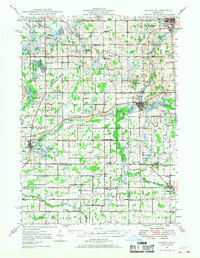 1948 Homer1968 Print · USGSSouthern Michigan is captured here just after the war, showing a rural landscape defined by the New York Central rail lines and a dense network of country schoolhouses. Researchers can trace family roots at Shooks Prairie Cem or locate forgotten landmarks like Quaker Mills and Lamm Landing Field.2 unique versions available
 - 1949 Map of Homer
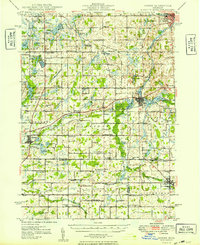 1949 Homer1949 Print · USGSSouthern Michigan farmland is captured here in the late forties, showing a landscape defined by the upper reaches of the St. Joseph and Kalamazoo Rivers. Genealogists can trace family roots through numerous rural markers like Shooks Prairie Cem, Bentley Corner, and the Quaker Mills Sch.2 unique versions available
 - 1953 Map of Fort Wayne, 1963 Print
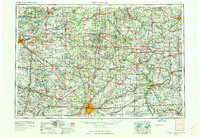 1953 Fort Wayne1963 Print · USGSNortheast Indiana and its neighboring borderlands in Michigan and Ohio appear here during a peak era of rail and road expansion. Researchers can trace the massive rail networks of the Nickel Plate Road and Wabash or locate lakeside landmarks like Lake Wawasee and Clear Lake.4 unique versions available
 - 1956 Map of Fort Wayne
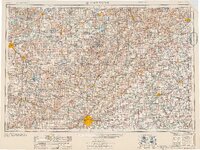 1956 Fort Wayne1956 Print · USGSThe tri-state borderlands of Indiana, Michigan, and Ohio are captured here in the mid-fifties, centered on the growing industrial hub of Fort Wayne. Researchers can trace the heavy rail lines of the New York Central and Pennsylvania alongside prominent water features like Lake Wawasee and the Maumee River.2 unique versions available
 - 1958 Map of Grand Rapids, 1973 Print
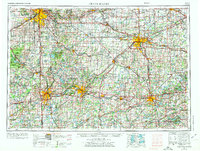 1958 Grand Rapids1973 Print · USGSSouthern Michigan at the peak of the postwar era shows a landscape of burgeoning cities and new interstate highways. Trace family roots and regional growth in Grand Rapids, Battle Creek, and the glacial lake country around Gun Lake or Gull Lake.2 unique versions available
 - 1960 Map of Coldwater East, 1961 Print
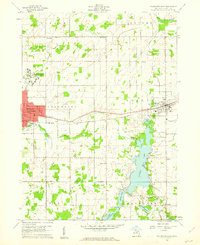 1960 Coldwater East1961 Print · USGSBranch County enters the sixties with a thriving network of lakefront communities and rail-side industry. Researchers can trace family roots through Mason Cem, visit the old Mudge Sch, or follow the New York Central through Quincy.2 unique versions available
 - 1960 Map of Allen, 1961 Print
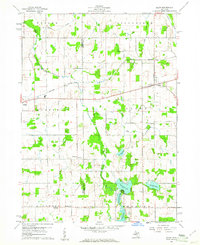 1960 Allen1961 Print · USGSBranch and Hillsdale counties are captured here in the early 1960s, showing a traditional Michigan landscape of rail towns and lakeside camps. Researchers can locate the Jordan Sch, trace the New York Central line through Allen, or find the Lake Cem.3 unique versions available
 - 1961 Map of Grand Rapids
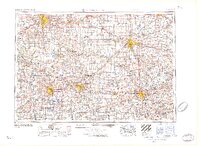 1961 Grand Rapids1961 Print · USGSSouthern Michigan at the dawn of the 1960s reveals a region shaped by major river systems and a robust rail network. Trace mid-century industrial growth and land use from Grand Rapids to the Fort Custer Military Reservation and Gun Lake.
 - 1962 Map of Grand Rapids
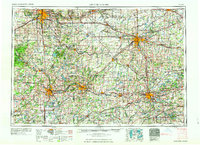 1962 Grand Rapids1962 Print · USGSMid-century Southern Michigan is mapped here at a time of massive growth, showing the expanding urban footprints of Grand Rapids and Lansing. Researchers can trace the legacy of the Grand Trunk Western RR, find historic boundaries of the Fort Custer Military Reservation, or locate sporting camps around Gun Lake.2 unique versions available
 - 1980 Map of Litchfield
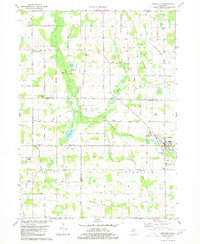 1980 Litchfield1980 Print · USGSSouth-central Michigan farmland is captured here in the 1970s at the convergence of Hillsdale, Calhoun, and Branch counties. Local researchers can locate family sites near Bentleys Corners, South Litchfield Ch, and Shooks Prairie Cem.
 - 1980 Map of Tekonsha
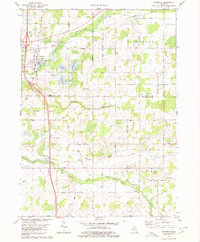 1980 Tekonsha1980 Print · USGSTekonsha and the surrounding rural townships are captured in the early eighties as a network of river-side villages and rail-connected farms. Genealogists can trace family names and sites through Riverside Cem, Dayburg Ch, and the outlying settlement of South Butler.
 - 1983 Map of Jackson, 1984 Print
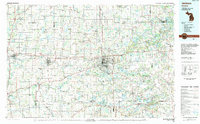 1983 Jackson1984 Print · USGSJackson and the surrounding lake country are shown in the early eighties as a hub of rail transit and outdoor recreation. Local historians can trace institutional footprints like the State Prison Farm or explore the landscape of Minards Mill and Olivet College.
 - 1985 Map of Adrian
 1985 Adrian1985 Print · USGSThe tri-state borderlands of Michigan, Indiana, and Ohio were well-established by the mid-1980s, characterized by a dense network of glacial lakes and agricultural rail hubs. Genealogists and historians can trace rail lines like the Norfolk and Western Railway and locate landmarks such as the Old Indian Treaty Cem or Riverside Cem.
 - 1990 Map of Adrian, 1991 Print
 1990 Adrian1991 Print · USGSThe Michigan and Ohio borderlands come alive in the final decade of the twentieth century, showing the intricate network of glacial lakes and small-town junctions. Genealogists and local researchers can pinpoint family landmarks from Lakeview Cem to the rail sidings of the Conrail and Norfolk Southern lines.
 - 2011 Map of Allen, 2011 Print
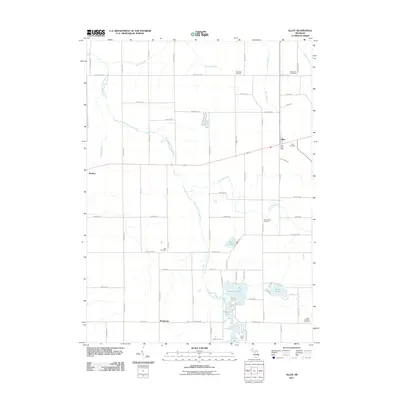 2011 Allen2011 Print · USGSSouthern Michigan crossroads and lake country appear here as they were in the early 2010s. Researchers can locate family landmarks like Todd Town Cemetery and Lake Cemetery or trace the rural landscape around Stringtown and Allen.
 - 2011 Map of Coldwater East, 2011 Print
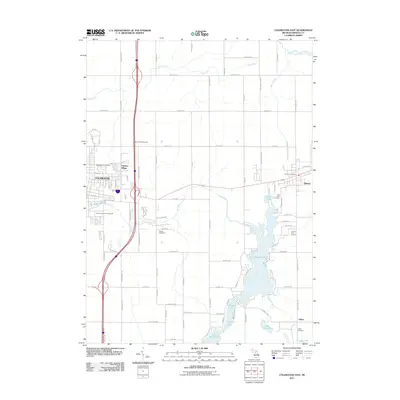 2011 Coldwater East2011 Print · USGSBranch County's lake country and the growing corridor between Coldwater and Quincy are captured here in the early twenty-first century. Researchers can trace local heritage through numerous sites like Morse Street Cemetery, Branch County Fairgrounds, and the homes surrounding Marble Lake.
 - 2011 Map of Litchfield, 2011 Print
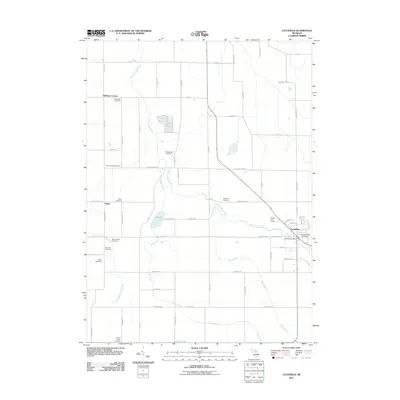 2011 Litchfield2011 Print · USGSHillsdale County's agricultural heartland is documented here during the early 2000s, centered on the village of Litchfield. Genealogists and historians can trace numerous rural burial sites including Shooks Prairie Cemetery, Butler Cemetery, and Clarendon Cemetery.
 - 2011 Map of Tekonsha, 2011 Print
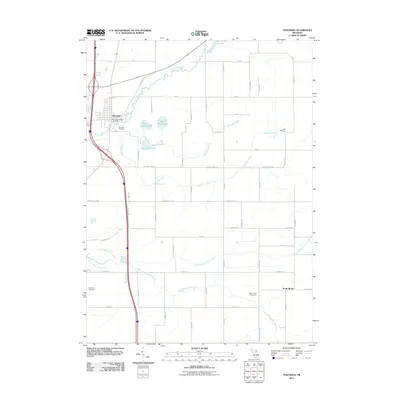 2011 Tekonsha2011 Print · USGSTekonsha and the surrounding agricultural townships are captured in detail during the early twenty-first century. Researchers can trace family roots through several local burial sites including Riverside Cemetery and Mount Hope Cemetery, or follow the course of the Saint Joseph River.
 - 2014 Map of Tekonsha, 2014 Print
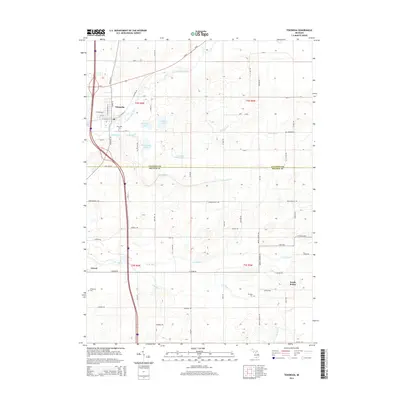 2014 Tekonsha2014 Print · USGSThe borderlands of Calhoun and Branch counties come into focus in 2014, showing the agricultural landscape surrounding the village of Tekonsha. Genealogists and local historians can trace family roots through sites like Riverside Cem, Clarks Cem, and the small settlement of South Butler.
 - 2014 Map of Litchfield, 2014 Print
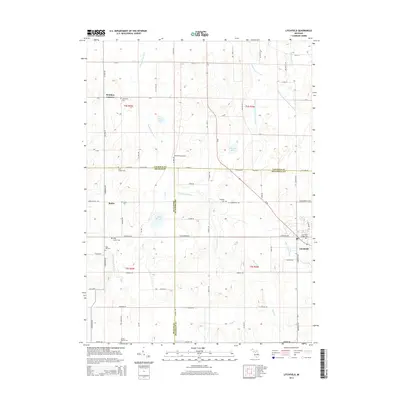 2014 Litchfield2014 Print · USGSSouthern Michigan farmland at the crossroads of three counties is detailed here in the early twenty-first century. Genealogists can trace several local burial grounds including Shooks Prairie Cem and Litchfield Village Cem near the banks of the Saint Joseph River.
 - 2014 Map of Coldwater East, 2014 Print
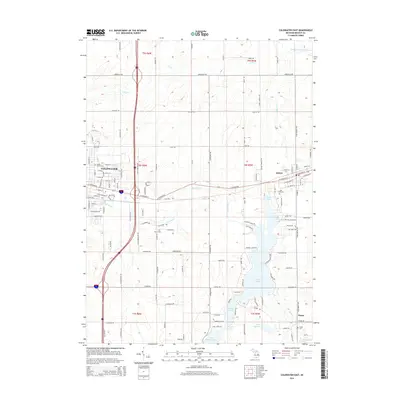 2014 Coldwater East2014 Print · USGSBranch County in the early 2010s shows a landscape of growing towns and intricate lakefront communities. Genealogists and researchers can locate family burial plots at Morse Street Cem and Mason Cem or trace the winding course of the Sauk River.
 - 2014 Map of Allen, 2014 Print
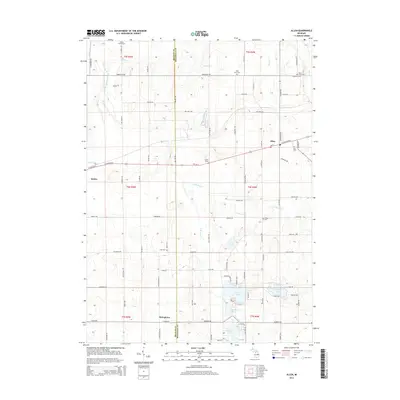 2014 Allen2014 Print · USGSSouthern Michigan farm country and the village of Allen are captured here as they appeared in 2014. Genealogists can locate numerous rural burial grounds including Shooks Prairie Cem and Sand Creek Cem, while tracing the waters of Duck Lake and Little Hog Cr.
 - 2017 Map of Allen, 2017 Print
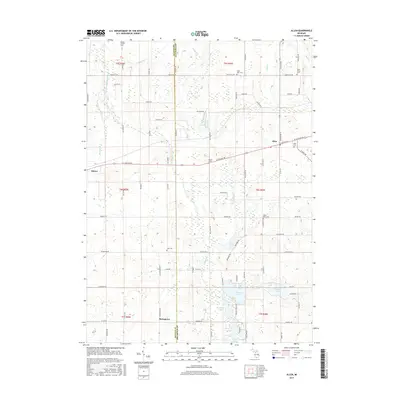 2017 Allen2017 Print · USGSThe borderlands of Branch and Hillsdale counties are captured here in the early twenty-first century, showing the enduring agricultural character of the region. Local researchers can trace family landmarks and rural heritage at Todd Town Cem, Stringtown, and the waters of Hemlock Lake.
 - 2017 Map of Coldwater East, 2017 Print
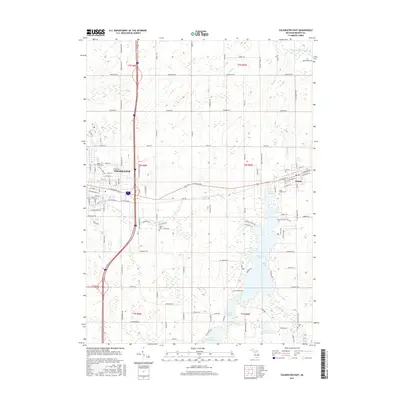 2017 Coldwater East2017 Print · USGSBranch County's eastern lake country is captured in the late twenty-tens, showing the residential and aquatic landscape between Coldwater and Quincy. Researchers can trace old family burial grounds like Mason Cem or explore the developed shorelines of Marble Lake and Lake Bartholomew.
 - 2017 Map of Tekonsha, 2017 Print
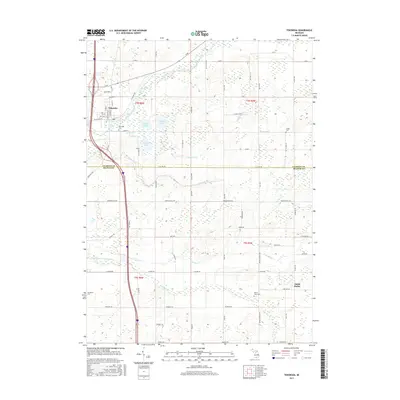 2017 Tekonsha2017 Print · USGSSouthern Michigan farmland and river valleys meet in this modern survey of the border between Calhoun and Branch counties. Trace local family history through rural landmarks like Riverside Cem, the village of Tekonsha, and the hamlet of South Butler.
Showing maps 1-25 of 34
Top cities near Butler Township
- Coldwater historical maps
- Albion historical maps
- Hillsdale historical maps
- Marshall historical maps
- Cambria historical maps
- Jonesville historical maps
See more
Top neighborhoods of Butler Township
Frequently asked questions
- What are the different types of historical maps available for Butler Township?
- What is the oldest map of Butler Township?
- Where can I purchase historical maps of Butler Township for my home or office?
- Where can I download high-res historical maps of Butler Township?
- Are there historical topographic maps available for Butler Township?
- Is there historical aerial imagery available for Butler Township?
- Where are historical maps of Butler Township sourced from?