Old Maps of Blaine, Minnesota for Metal Detecting
Plan your next treasure hunt with 40 historic maps of Blaine. Find old homesites, ghost towns, trails, and gathering spots that may be lost to time — perfect for identifying promising metal detecting locations.
- Locate forgotten sites: Uncover places like long-lost settlements, abandoned rail lines, or gathering spots.
- Plan better hunts: Use map overlays combined with LiDAR or satellite views to narrow in on historically rich areas.
- Made for detectorists: Thousands of hobbyists use these maps to discover relics, coins, and hidden history.
Use these historic maps to boost your research and find new opportunities beneath the surface of Blaine.
Blaine, MN maps
(40)- 1902 Map of White Bear
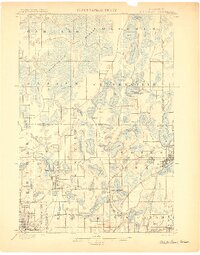 1902 White Bear1902 Print · USGSThe lake-dotted landscape northeast of the Twin Cities is captured here at the start of the twentieth century. Researchers can trace early railroad junctions and industry at the Minneapolis Stock Yards, or locate old settlements like Lino, Cardigan, and New Brighton.4 unique versions available
 - 1902 Map of Anoka
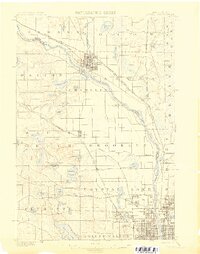 1902 Anoka1902 Print · USGSNorth of Minneapolis at the turn of the century, this area shows a landscape of glacial lakes and growing rail towns. Genealogists can trace family roots in early settlements like Osseo, Champlin, and Robbinsdale or locate long-standing landmarks near Medicine Lake.4 unique versions available
 - 1952 Map of Minneapolis North, 1954 Print
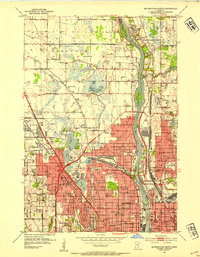 1952 Minneapolis North1954 Print · USGSPost-war suburban expansion and industrial growth define the northern outskirts of Minneapolis in the early fifties. Genealogists and local historians can trace the development of Robbinsdale and Brooklyn Center alongside landmarks like Crystal Lake Cemetery and the Northern Ordnance Plant.2 unique versions available
 - 1952 Map of New Brighton, 1954 Print
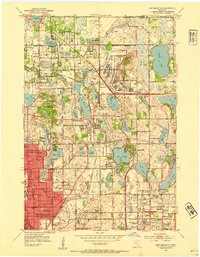 1952 New Brighton1954 Print · USGSRamsey County was undergoing rapid post-war suburbanization during the early fifties, blending industrial sites with new residential grids. Genealogists and historians can locate numerous early schools and cemeteries, from Sunnyside Sch and Lake Johanna Sch to the sprawling Hillside Cemetery.2 unique versions available
 - 1953 Map of Stillwater, 1980 Print
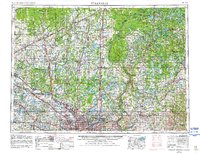 1953 Stillwater1980 Print · USGSThe Twin Cities and the St. Croix Valley are captured in this mid-century survey as the interstate era began to transform the Upper Midwest. Genealogists and historians can trace the rail-and-river geography of Stillwater, locate landmarks in Anoka, or explore the sprawling St Croix State Park.
 - 1955 Map of Circle Pines, 1956 Print
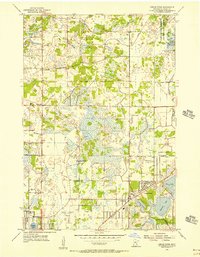 1955 Circle Pines1956 Print · USGSSouthern Anoka County is shown in the mid-fifties just as suburban development began to weave through its traditional marshlands and creek beds. Genealogists and local historians can trace early neighborhood footprints and landmarks like Red Brick Sch, St Joseph Ch, and the original layout of Circle Pines.
 - 1955 Map of Coon Rapids, 1956 Print
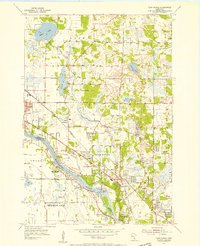 1955 Coon Rapids1956 Print · USGSThe Mississippi River valley north of Minneapolis was undergoing a post-war transformation in the mid-fifties. Genealogists and local historians can trace the early development of Coon Rapids and Blaine, locating the WCCO Radio Tower, Bragdon Church, and the Coon Rapids Dam.
 - 1955 Map of Anoka, 1959 Print
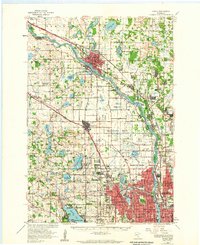 1955 Anoka1959 Print · USGSNorth of Minneapolis in the mid-fifties, the suburban frontier was rapidly advancing through the lake-dotted landscapes of Hennepin and Anoka counties. Local historians can trace the early development of Coon Rapids, Brooklyn Park, and New Hope alongside legacy sites like the State Hospital and St Vincent Cem.
 - 1955 Map of New Brighton, 1959 Print
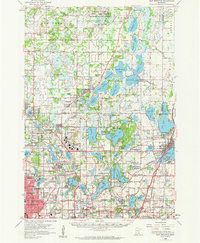 1955 New Brighton1959 Print · USGSThe northern reaches of the Twin Cities were undergoing a post-war transformation in the mid-fifties as suburbs pushed into the lake country. Researchers can trace the massive Twin Cities Arsenal, find the old Red Brick Sch, and locate the Abandoned Aqueduct winding toward the city.
 - 1955 Map of Stillwater, 1965 Print
 1955 Stillwater1965 Print · USGSThe Upper St. Croix Valley and the growing Twin Cities area are shown here during the mid-fifties, before the interstate era transformed the regional commute. You can trace the lines of the Northern Pacific RR through towns like Rush City or locate the Saint Croix Indian Reservation.
 - 1958 Map of Stillwater
 1958 Stillwater1958 Print · USGSThe Upper Mississippi and St. Croix River valleys appear in the mid-fifties as the Twin Cities expanded north. Genealogists can locate family landmarks like Oak Park Cem, Saint Michael Church, and the Soo Line RR rail corridors.2 unique versions available
 - 1965 Map of Stillwater
 1965 Stillwater1965 Print · USGSThe Twin Cities and the St. Croix Valley are mapped here during a period of significant post-war growth and industrial transit. Genealogists and historians can trace rail lines like the Northern Pacific RR through towns such as Rush City, Amery, and Balsam Lake.
 - 1967 Map of Circle Pines, 1969 Print
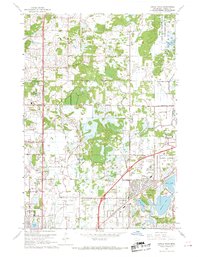 1967 Circle Pines1969 Print · USGSThe northern Twin Cities suburbs were rapidly expanding in the late sixties, as new residential grids began to replace rural fields. Genealogists and local historians can trace early neighborhood footprints near Johnsville, Lexington, and the Anoka County Airport.4 unique versions available
 - 1967 Map of New Brighton, 1969 Print
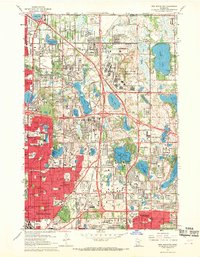 1967 New Brighton1969 Print · USGSThe northern Minneapolis suburbs transition from industrial rail hubs to residential lakefronts in the late sixties. Genealogists and historians can trace cemetery boundaries at St Marys Cem, follow the Soo Line tracks, or locate the sprawling Twin Cities Army Ammunition Plant.5 unique versions available
 - 1967 Map of Minneapolis North, 1969 Print
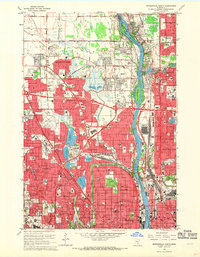 1967 Minneapolis North1969 Print · USGSNorth Minneapolis and its growing suburbs are captured here during the late sixties, a period of massive residential and highway expansion. Researchers can locate family sites near Crystal Lake Cemetery, trace the old Soo Line tracks, or explore the grounds of the Northern Ordnance Plant.5 unique versions available
 - 1967 Map of Coon Rapids, 1969 Print
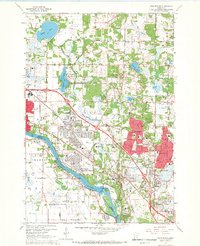 1967 Coon Rapids1969 Print · USGSGreater Minneapolis-Saint Paul expanded rapidly in the late sixties as the residential corridors of Anoka County took shape. Genealogists and local historians can trace the early footprints of Northdale, the Anoka-Ramsey State Junior College, and landmarks like the Radio Tower (WCCO).5 unique versions available
 - 1975 Map of Stillwater
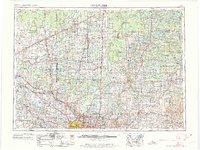 1975 Stillwater1975 Print · USGSThe Twin Cities and the St. Croix Valley are captured in the mid-seventies, showing the urban growth of Minneapolis and St Paul. Researchers can trace old rail corridors of the Northern Pacific RR and locate tribal lands at the Mille Lacs Indian Reservation.2 unique versions available
 - 1985 Map of Anoka
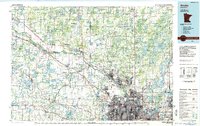 1985 Anoka1985 Print · USGSThe northern Twin Cities suburbs and the Mississippi River valley are captured here in the mid-eighties as suburban growth began to meet rural conservation lands. Trace the expansion of Anoka and Blaine, or locate family landmarks near the Rum River and Buffalo Lake.
 - 1991 Map of Anoka, 1992 Print
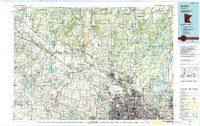 1991 Anoka1992 Print · USGSThe northern Twin Cities suburbs and the upper Mississippi River valley are captured here in the early nineties during a period of rapid suburban expansion. Trace the rail corridors of the Burlington Northern Railroad or explore the boundaries of the Sherburne National Wildlife Refuge and Lake Maria State Park.
 - 1997 Map of New Brighton, 1999 Print
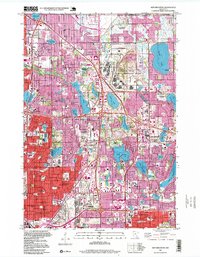 1997 New Brighton1999 Print · USGSThe northern Twin Cities suburbs reached a peak of mid-century growth in the late nineties, anchored by the massive Twin Cities Army Ammunition Plant. Genealogists and local historians can trace family roots through St Marys Cem or locate long-standing neighborhood landmarks like Irondale Sch and the Soo Line corridor.
 - 2010 Map of Minneapolis North, 2010 Print
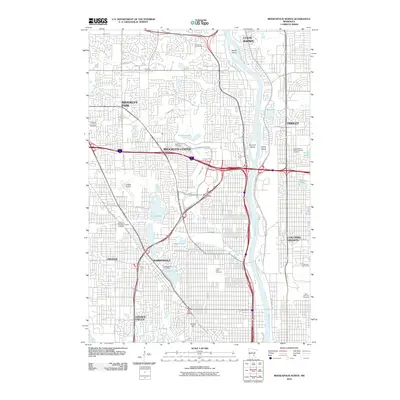 2010 Minneapolis North2010 Print · USGSNorthern Hennepin County at the turn of the decade shows a mature suburban landscape anchored by the Mississippi River. Genealogists and local historians can locate several historic burial sites, including Mound Cemetery and Saint Anthony Cemetery, alongside landmarks like Crystal Airport.
 - 2010 Map of Coon Rapids, 2010 Print
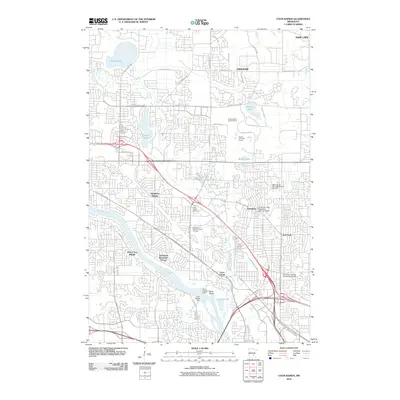 2010 Coon Rapids2010 Print · USGSThe northern Twin Cities suburbs were firmly established by the early twenty-first century as seen in this detailed topographical study. Researchers can locate long-standing landmarks like the Coon Rapids Dam or trace family history at Joyce Chapel Cemetery and Oak Park.
 - 2010 Map of New Brighton, 2010 Print
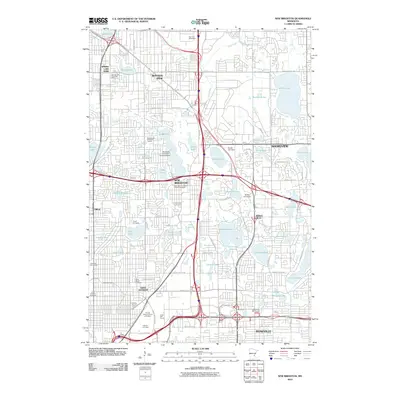 2010 New Brighton2010 Print · USGSThe northern suburbs of the Twin Cities are captured here in the early twenty-first century, showing a landscape defined by its many lakes and growing residential hubs. Researchers can locate notable sites like Bethel University, Twin City Speedway, and the Rosackers Number 1 Seaplane Base.
 - 2010 Map of Circle Pines, 2010 Print
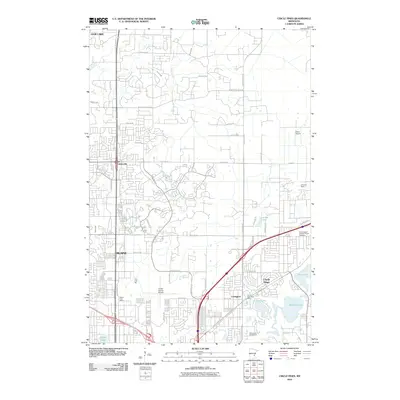 2010 Circle Pines2010 Print · USGSBlaine and Circle Pines appear at the height of their suburban development during the early 2000s. Researchers can trace local aviation and community landmarks from the Anoka County Airport and Lino Air Park to the Saint Joseph Catholic Church Cemetery.
 - 2013 Map of Circle Pines, 2013 Print
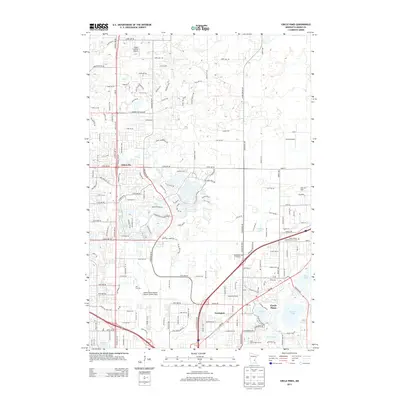 2013 Circle Pines2013 Print · USGSModern suburban growth meets a dense network of regional aviation and glacial lakes in this Anoka County survey. Researchers can trace local development around Johnsville, find the Saint Joseph Catholic Church Cem, or locate family landmarks near Baldwin Lake.
Showing maps 1-25 of 40
Top cities near Blaine
- Minneapolis historical maps
- Saint Paul historical maps
- Brooklyn Park historical maps
- Woodbury historical maps
- Plymouth historical maps
- Maple Grove historical maps
See more
Top neighborhoods of Blaine
- Johnsville historical maps
- Oak Park historical maps
- Legacy Creek Parkside historical maps
- Legacy Creek Preserve historical maps
- Crescent Ponds historical maps
Frequently asked questions
- What are the different types of historical maps available for Blaine?
- What is the oldest map of Blaine?
- Where can I purchase historical maps of Blaine for my home or office?
- Where can I download high-res historical maps of Blaine?
- Are there historical topographic maps available for Blaine?
- Is there historical aerial imagery available for Blaine?
- Where are historical maps of Blaine sourced from?