Old Maps of Rapidan, Minnesota for Academic Research
Study the evolution of Rapidan with 13 high-resolution historic maps. Whether you're teaching, researching, or modeling changes in land use, these maps provide essential visual documentation of urban, environmental, and geographic change.
- Analyze long-term change: Track patterns in development, transportation, and natural features.
- Ideal for environmental or urban studies: Support academic projects with primary historical map data.
- Use in the classroom or lab: Educators and researchers rely on these maps to bring historical context to life.
These maps are a powerful tool for teaching, research, and visualizing how Rapidan has changed over the decades.
Rapidan, MN maps
(13)- 1951 Map of Mankato West, 1952 Print
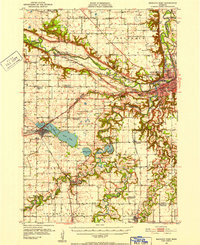 1951 Mankato West1952 Print · USGSMankato and the river valleys of Blue Earth County are captured here in the early fifties during a period of steady post-war growth. Researchers can trace rural life through the Old Grist Mill, dozens of numbered schoolhouses, and landmarks like Minneopa Falls or Good Thunder.3 unique versions available
 - 1953 Map of New Ulm, 1968 Print
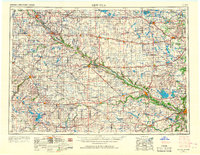 1953 New Ulm1968 Print · USGSSouthern Minnesota in the mid-1950s is defined by its deep river valleys and the expanding reach of the Great Northern and Chicago and North Western railroads. Researchers can trace rural lineages through landmarks like the Milford State Monument, St. John's Ch, and the Upper Sioux Indian Res.3 unique versions available
 - 1957 Map of New Ulm
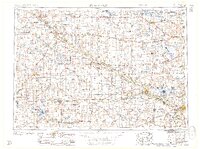 1957 New Ulm1957 Print · USGSCentral Minnesota in the mid-fifties remains a landscape of river-valley commerce and prairie agriculture defined by its historic mission sites and rail towns. Genealogists and local historians can trace the development of New Ulm and Montevideo, or locate specific landmarks like the Milford State Monument and Minnesota Falls.
 - 1958 Map of New Ulm
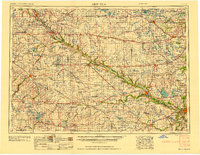 1958 New Ulm1958 Print · USGSSouth-central Minnesota’s river valleys and prairie towns are captured here in the mid-fifties, during the height of the region's rail-and-river economy. Genealogists and historians can trace the legacy of the Upper Sioux Indian Mission or locate early rail stops along the Chicago and North Western Ry in towns like Redwood Falls and Glencoe.
 - 1967 Map of New Ulm
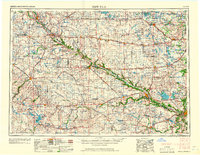 1967 New Ulm1967 Print · USGSSouthern Minnesota in the mid-fifties is captured here as a landscape of river-valley missions and busy prairie rail towns. Researchers can trace the Yellow Medicine Trail and locate historic sites like the Morton Indian Mission and Milford State Monument.
 - 1974 Map of Good Thunder, 1976 Print
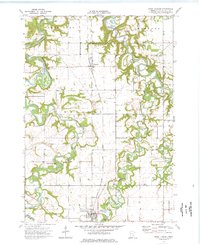 1974 Good Thunder1976 Print · USGSBlue Earth County in the mid-seventies is defined by the winding river valleys of the Maple and Le Sueur rivers. Genealogists and historians can trace family roots at Calvary Cem and St Johns Cem, or locate landmarks like the Holberg Dam and the County Home.
 - 1986 Map of New Ulm
 1986 New Ulm1986 Print · USGSSouthern Minnesota's river valleys and prairie townships are captured here in the mid-1980s, showcasing a landscape defined by agriculture and transit. Researchers can trace the Chicago and North Western rail lines through historic grain-stop towns like Sleepy Eye, Hanska, and Good Thunder.
 - 1991 Map of New Ulm
 1991 New Ulm1991 Print · USGSThe Minnesota River valley serves as the backbone for this late-century look at the agricultural heartland between New Ulm and Mankato. Researchers can trace the layout of traditional prairie towns like Sleepy Eye and Madelia or explore recreation sites at Fort Ridgely State Park.
 - 2010 Map of Good Thunder, 2010 Print
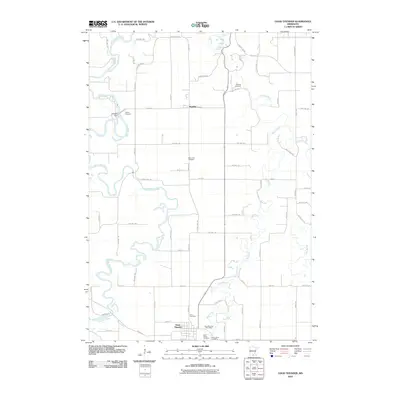 2010 Good Thunder2010 Print · USGSBlue Earth County at the end of the first decade of the 21st century remains a landscape of river confluences and quiet farming communities. Genealogists and local historians can trace the positions of Good Thunder, Rapidan, and several family-named burial sites including Lyra Cemetery and Holberg Cemetery.
 - 2013 Map of Good Thunder, 2013 Print
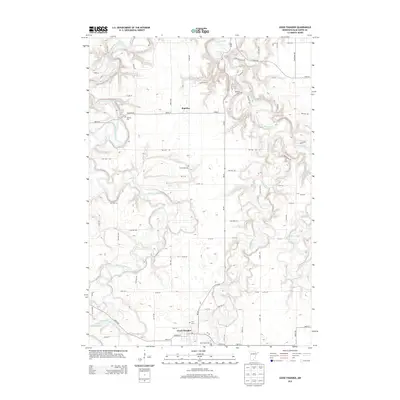 2013 Good Thunder2013 Print · USGSSouthern Blue Earth County comes into focus in this recent survey, featuring the confluence of four major rivers. Genealogists and local historians can locate several rural burial grounds such as Lyra Cem and Holberg Cem near the town of Good Thunder.
 - 2016 Map of Good Thunder, 2016 Print
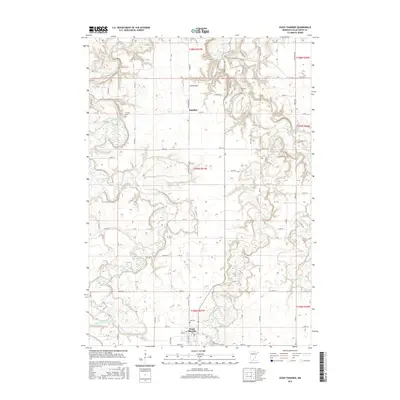 2016 Good Thunder2016 Print · USGSBlue Earth County's river valleys and prairie townships are captured here in the mid-2010s, showing the enduring agricultural layout of the region. Researchers can trace local heritage through sites like Lyra Cem, Good Thunder, and the banks of the Maple River.
 - 2019 Map of Good Thunder, 2019 Print
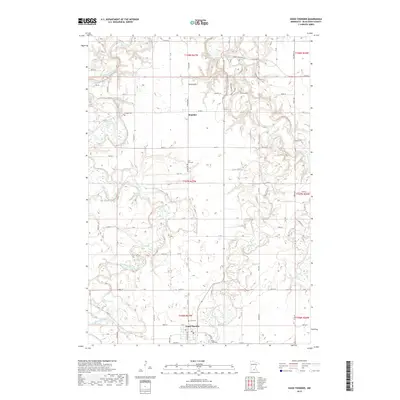 2019 Good Thunder2019 Print · USGSIn the fertile lands of Blue Earth County during the late twenty-teens, the convergence of multiple rivers shaped this rural landscape. Genealogists can locate several historic burial sites, including Lyra Cem and Holberg Cem, alongside the settlements of Good Thunder and Rapidan.
 - 2022 Map of Good Thunder, 2022 Print
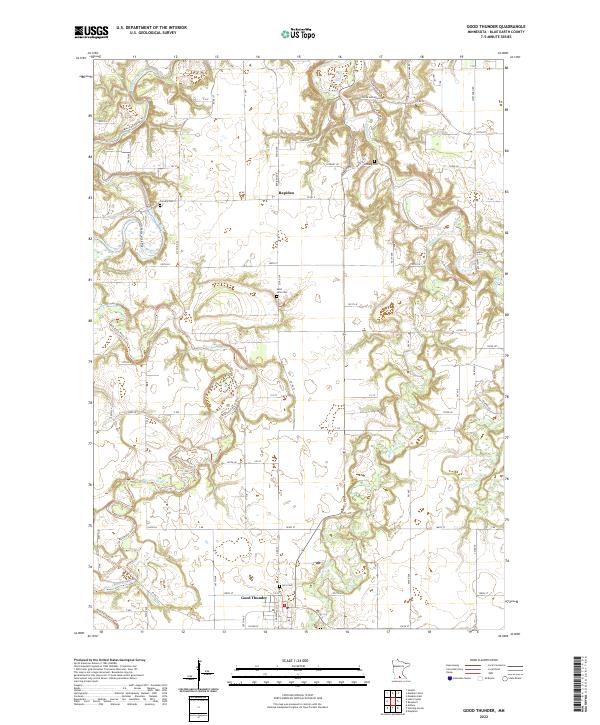 2022 Good Thunder2022 Print · USGSBlue Earth County in the early 2020s shows a landscape where prairie agriculture meets the winding valleys of four major rivers. Genealogists and local historians can locate rural burial sites like Saint John Cem and Lyra Cem or trace the Blue Earth River Trl.
End of results
Showing maps 1-13 of 13
Top cities near Rapidan
- Mankato historical maps
- North Mankato historical maps
- Lake Crystal historical maps
- Eagle Lake historical maps
- Mapleton historical maps
- Nicollet historical maps
See more
Frequently asked questions
- What are the different types of historical maps available for Rapidan?
- What is the oldest map of Rapidan?
- Where can I purchase historical maps of Rapidan for my home or office?
- Where can I download high-res historical maps of Rapidan?
- Are there historical topographic maps available for Rapidan?
- Is there historical aerial imagery available for Rapidan?
- Where are historical maps of Rapidan sourced from?