Old Maps of Trail, Minnesota for Hiking & Exploration
Hike through history with 11 historic maps of Trail. Explore old trails, ghost towns, and forgotten backroads — perfect for outdoor adventurers and local explorers.
- Rediscover forgotten places: Map out old mining camps, roads, and footpaths that no longer exist on modern maps.
- Layer with modern tools: Combine with LiDAR or satellite views to plan hikes through historical terrain.
- Made for exploration: Popular among hikers, overlanders, and local history lovers.
Use these maps to find adventure and explore the hidden past of Trail.
Trail, MN maps
(11)- 1919 Map of Winsor
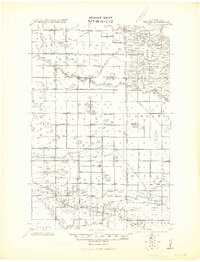 1919 Winsor1919 Print · USGSNorthern Minnesota's prairie and marshland appear here just after the Great War, during a period of massive drainage and rail expansion. Researchers can trace early rural life through labels for Winsor, the Red Lake Indian Reservation Trail, and the Minneapolis St. Paul and Sault Saint Marie railroad.2 unique versions available
 - 1954 Map of Bemidji, 1966 Print
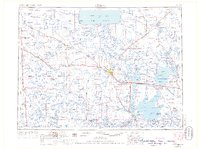 1954 Bemidji1966 Print · USGSNorthern Minnesota's lake country and timberlands are captured here at a mid-century peak of rail and road expansion. Genealogists and historians can trace family roots through numerous small settlements like Mahnomen, Clearbrook, and Walker, while locating local landmarks such as White Earth Church.4 unique versions available
 - 1957 Map of Bemidji
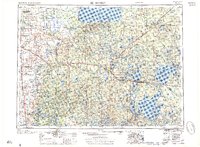 1957 Bemidji1957 Print · USGSNorthern Minnesota in the mid-fifties is defined by its massive lake systems and the sprawling timberlands of the Chippewa National Forest. Genealogists and researchers can trace old rail lines like the Great Northern RR and locate settlements such as Moberg, Naytahwaush, and Lake Itasca.
 - 1958 Map of Bemidji
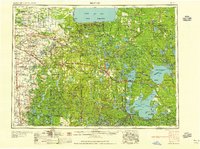 1958 Bemidji1958 Print · USGSNorthern Minnesota in the late fifties is a vast landscape of tribal lands and timber forests tied together by rail. Genealogists and researchers can trace old rail stops and lakeside communities from Walker to Fosston, or explore the source of the Mississippi at Lake Itasca.
 - 1972 Map of Trail, 1976 Print
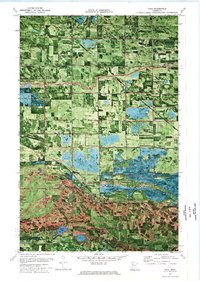 1972 Trail1976 Print · USGSThe border of Polk and Red Lake Counties comes into focus in the early 1970s, showing a landscape of drainage ditches and conservation areas. Researchers can locate St Charles Ch, the Mt Olive Cem, and traces of the Indian Reservation Line near the village of Trail.
 - 1985 Map of Fosston
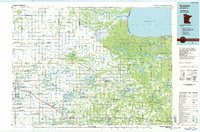 1985 Fosston1985 Print · USGSNorthern Minnesota's lake country and timberlands are captured here in the mid-eighties, from the shores of Lower Red Lake to the Mississippi Headwaters State Forest. Genealogists and local historians can trace rail-town development along the Burlington Northern line through Fosston, Bagley, and McIntosh.2 unique versions available
 - 2010 Map of Trail, 2010 Print
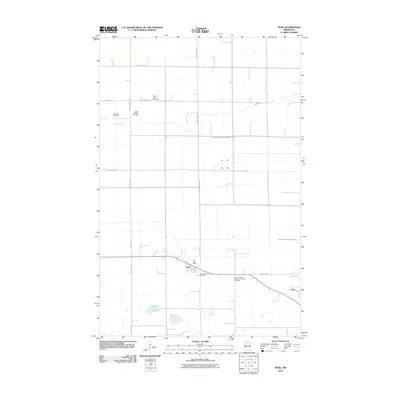 2010 Trail2010 Print · USGSGully and Trail are captured in this early twenty-first-century survey as they appeared amidst the farmland of Polk County. Researchers can trace local lineage through several family-named burial sites including Mount Olive Cemetery and Sand Valley Cemetery.
 - 2013 Map of Trail, 2013 Print
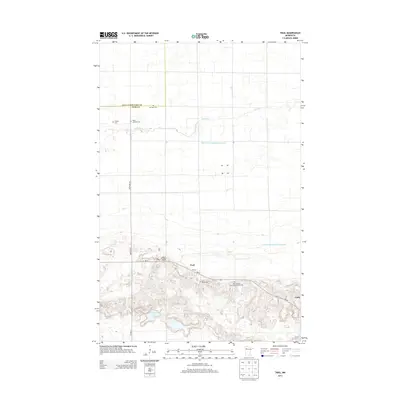 2013 Trail2013 Print · USGSThe rural landscapes of Polk County and Red Lake County are captured here in the early twenty-first century. Genealogists and local historians can locate several family burial grounds, including Sand Valley Cem and W Valle Cem, while tracing the course of Lost River through its engineered ditch systems.
 - 2016 Map of Trail, 2016 Print
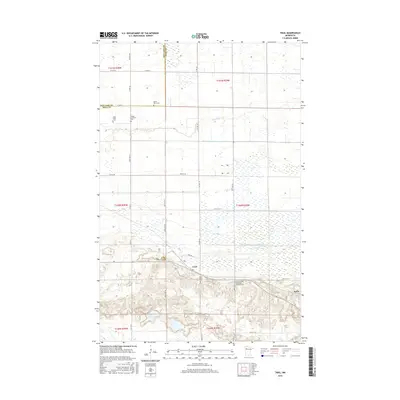 2016 Trail2016 Print · USGSThe borderlands of Polk and Red Lake Counties are captured here in the mid-2010s, showing the agricultural and water-management networks of the region. Genealogists can locate several family burial grounds including Saint Charles Borromeo Catholic Cemetery and the settlements of Trail and Gully.
 - 2019 Map of Trail, 2019 Print
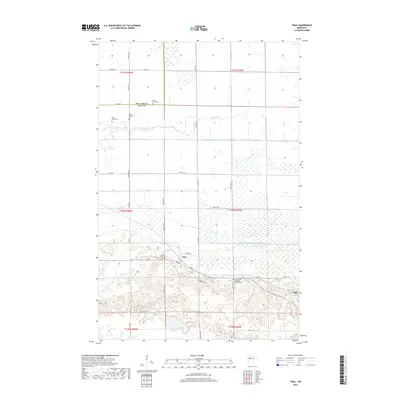 2019 Trail2019 Print · USGSThe northern Minnesota settlements of Trail and Gully are captured here as they appeared in 2019 along the border of Polk and Red Lake Counties. Researchers can locate numerous local burial sites, including West Valle Cem and Sand Valley Cem, alongside the Lost River.
 - 2022 Map of Trail, 2022 Print
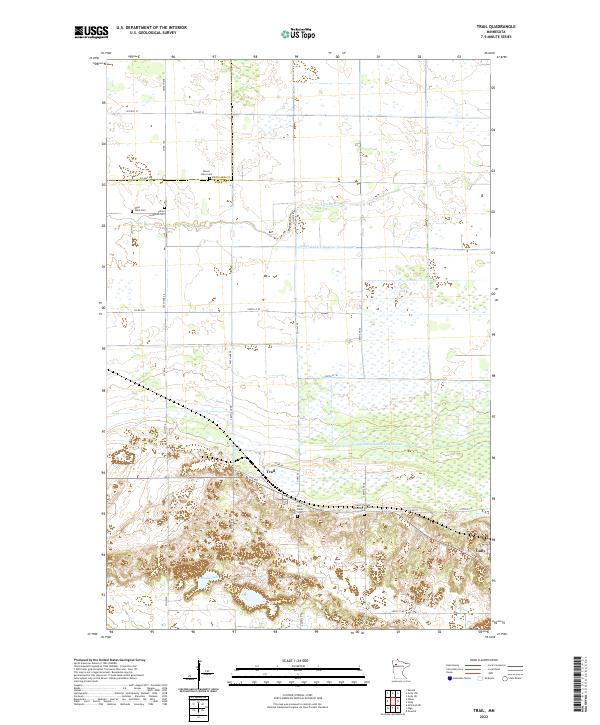 2022 Trail2022 Print · USGSThe rural landscapes around Trail and Gully are captured in this modern survey, showing a world defined by the Lost River and an intricate ditch network. Genealogists can trace family heritage through local landmarks like Sand Valley Cem and Valley Lutheran Cem.
End of results
Showing maps 1-11 of 11
Top cities near Trail
- Fosston historical maps
- McIntosh historical maps
- Oklee historical maps
- Gonvick historical maps
- Garnes historical maps
- Gully historical maps
Top neighborhoods of Trail
Frequently asked questions
- What are the different types of historical maps available for Trail?
- What is the oldest map of Trail?
- Where can I purchase historical maps of Trail for my home or office?
- Where can I download high-res historical maps of Trail?
- Are there historical topographic maps available for Trail?
- Is there historical aerial imagery available for Trail?
- Where are historical maps of Trail sourced from?